
Aardvarks are selective about which termite mounds they dig into
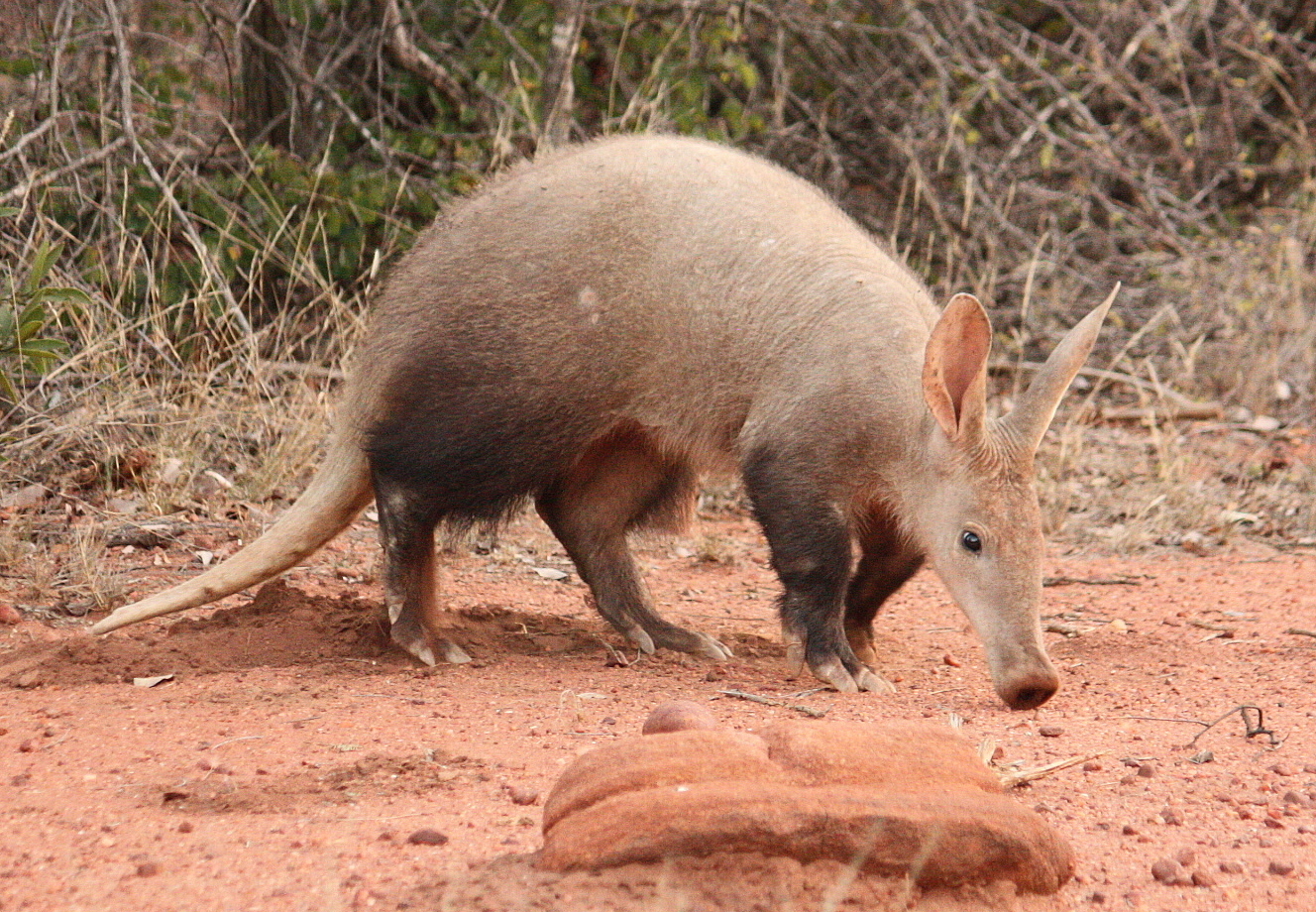
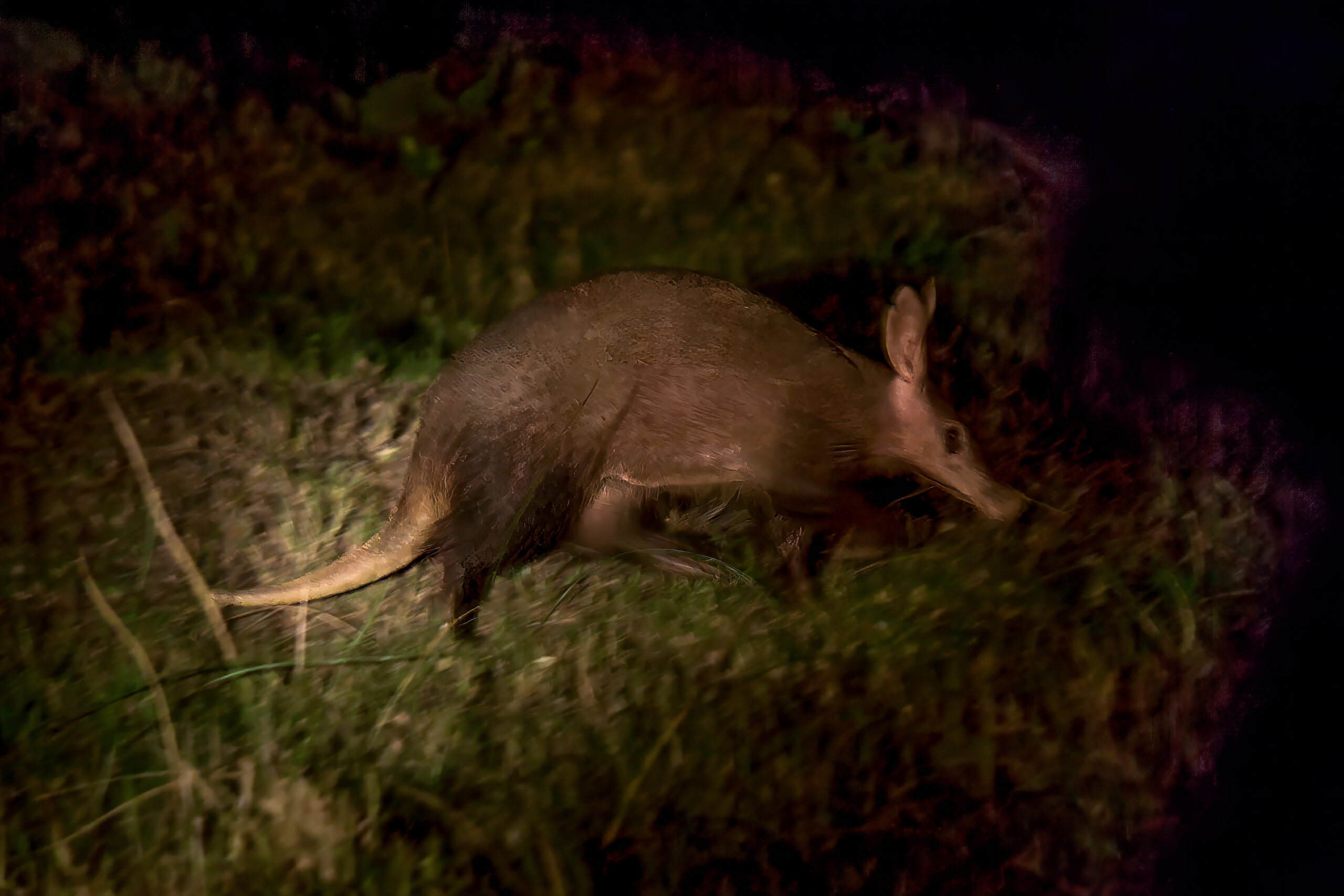
Aardvarks (Orycteropus afer) are specialised feeders on ants and termites, but a new study from Gonarezhou National Park in Zimbabwe shows that they do not simply dig into whichever termite mound happens to be nearby. Their foraging appears to be selective, shaped by the size and spacing of termite mounds as well as the geology beneath them.
Researchers Justice Muvengwi and Neo Debeila mapped 2,284 termite mounds across four one-square-kilometre study areas with either basalt or granite bedrock. They recorded the size of each mound, the distance to its nearest neighbour and whether aardvarks had dug into it.
Larger, more isolated mounds were used more often
A clear pattern emerged. Mounds used by aardvarks were generally larger and more isolated than untouched mounds. Larger mounds were much more likely to show signs of feeding, while mounds farther from their nearest neighbour were also used more often. In other words, aardvarks appear to choose particular feeding sites rather than digging at random.
The underlying geology mattered too. Granite areas tended to have larger termite mounds, yet those mounds were used less often than mounds on basalt. This means size alone cannot explain the choice. Soil hardness, mound structure, how easy a mound is to open or other local conditions may also influence where an aardvark decides to dig.
The authors identify several limits to what the data can explain. They did not track individual aardvarks and did not measure termite biomass, activity or other colony characteristics that determine the energetic value of a mound. Mound size and spacing were therefore used as indirect measures of resource quality and travel costs.
Selective digging can concentrate ecosystem effects
The researchers conclude that aardvark excavation is selective and spatially structured. Because digging changes mound structure, soils and microhabitats, they argue that this selective use can make the aardvark’s effects as an ecosystem engineer unevenly distributed across the savanna.
They recommend future studies combining GPS tracking with direct measurements of termite biomass, activity and soil properties to identify the mechanisms behind mound selection and changes in use through time.
Ecology
Related news
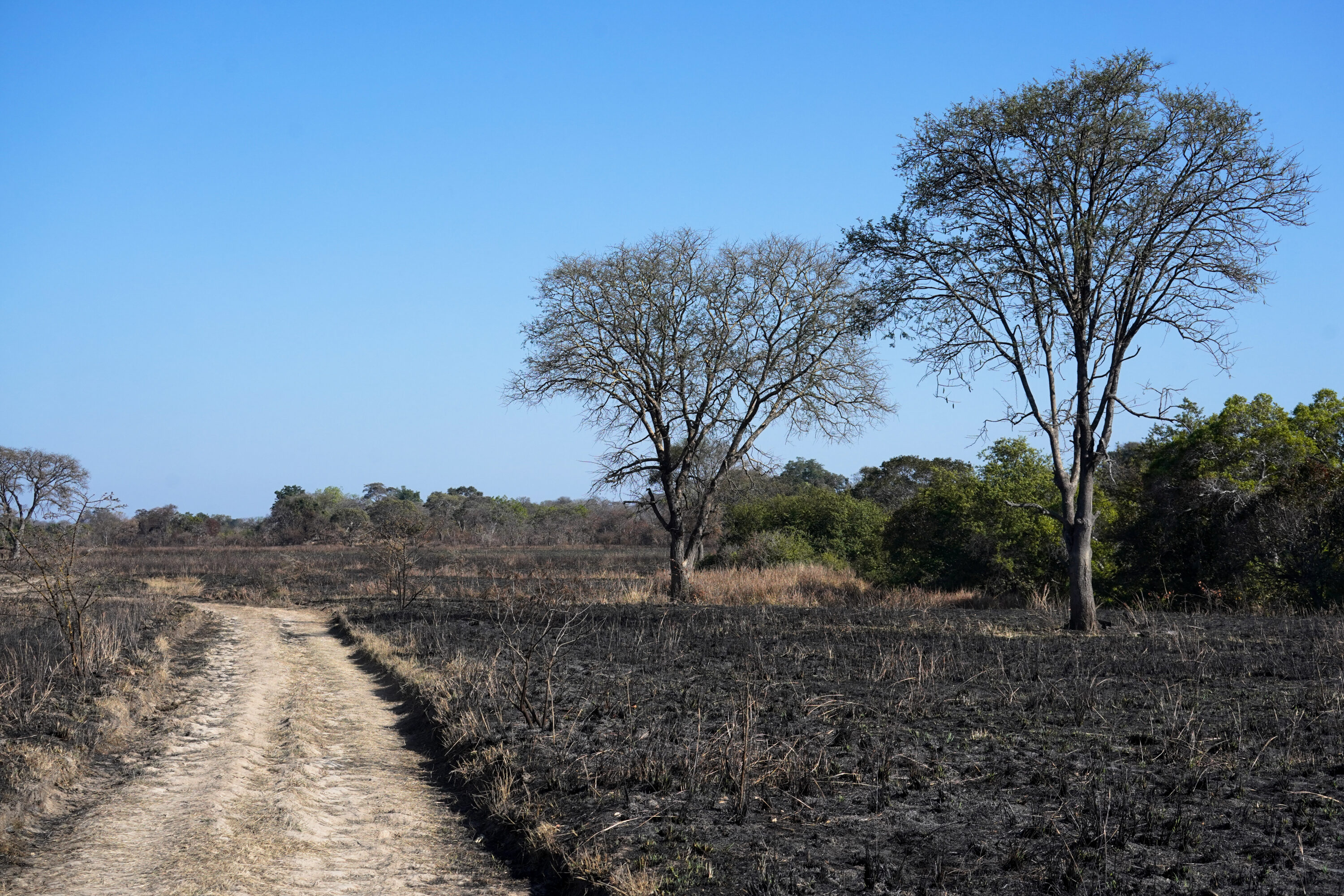
Local Mammal Site Use Fell in Burned Namibian Savanna During the First Five Months After Wildfire
Camera traps following 31 medium- and large-sized mammal species in eastern Namibia found that local site use in…
Read story →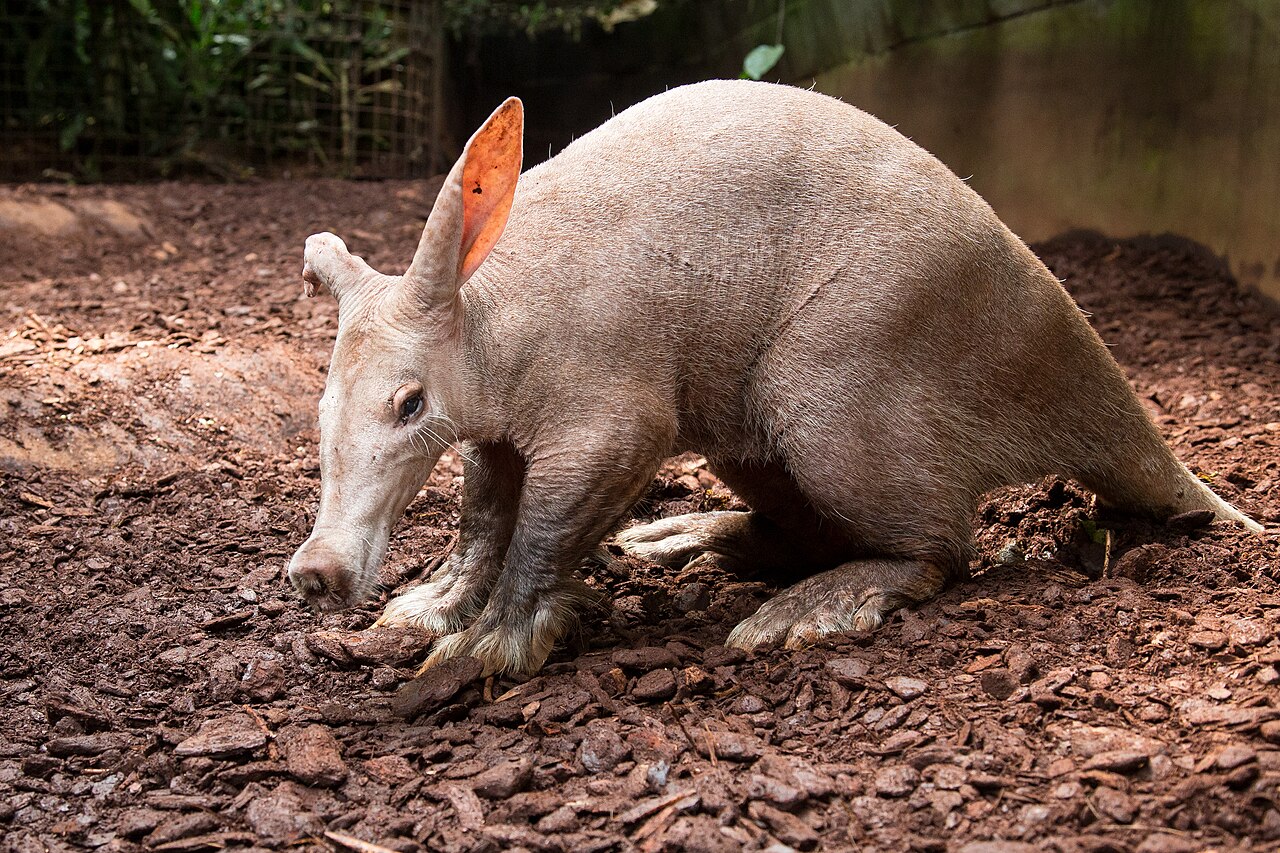
Aardvark Calves Born in Nashville, Chester and Berlin in 2026
Three zoos reported aardvark calves in 2026, with early care ranging from close monitoring and minimal disturbance to…
Read story →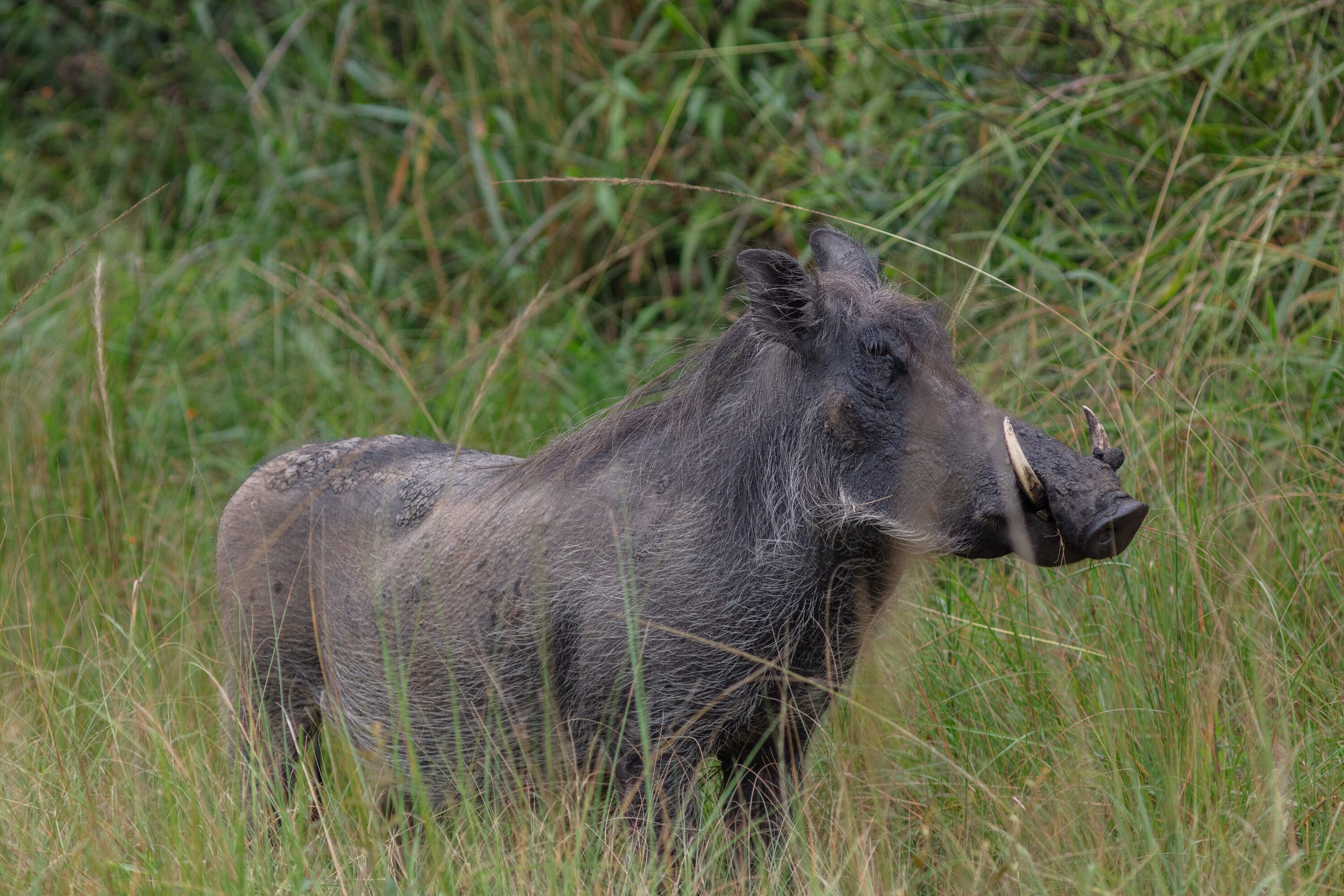
Common Warthogs, Spotted Hyenas and Aardvarks Shared the Same Den Sites in Uganda
Camera traps at 20 active den sites in Murchison Falls National Park showed common warthogs, spotted hyenas and…
Read story →SPECIES IN THIS STORY
Species in this story
Independent research and conservation news archive
Did you find this information useful?
Wildlife Vagabond is independently built and maintained. Voluntary support helps cover source verification, hosting and continued work on research and conservation news.
Support Wildlife VagabondThe news archive will remain freely available.