
Local Mammal Site Use Fell in Burned Namibian Savanna During the First Five Months After Wildfire
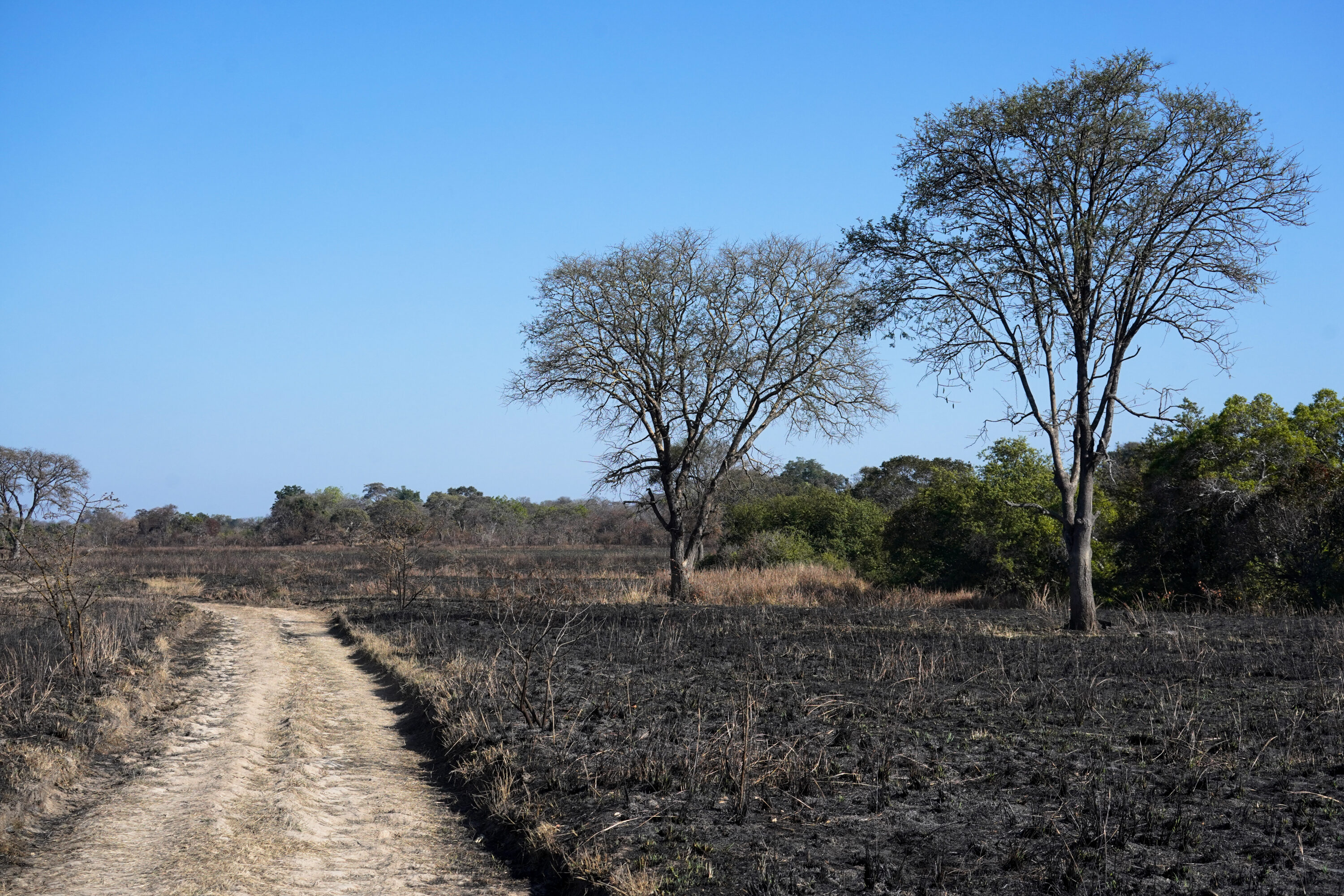
Medium- and large-sized mammals used recently burned savanna less and less during the first five months after a large wildfire in eastern Namibia. Across 31 species, estimated local site use in burned areas fell from 0.53 before the fire to 0.33 five months later. Unburned control areas changed little, from 0.45 to 0.43. The study was published on 23 July 2026 in Oecologia.
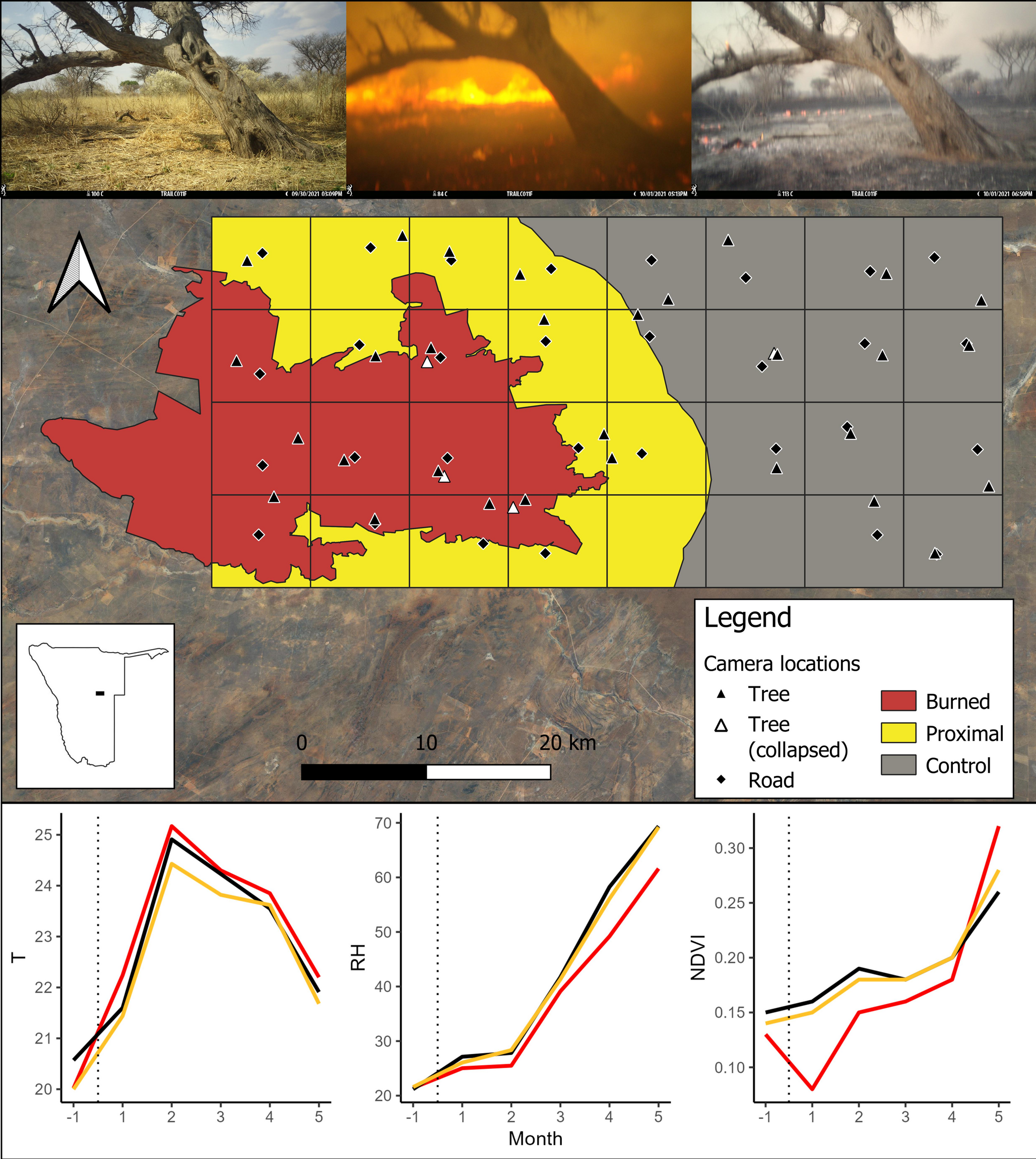
The wildfire burned about 650 km² of tree-and-shrub savanna from 1 to 4 October 2021, cutting through roughly a third of an area that was already being monitored with camera traps. Researchers used 64 camera-trap stations across burned areas, an 8-km zone around the fire and unburned controls, giving them one month of data before the fire and five months afterward. Because the 31 species had very different home-range sizes, the authors interpret the model estimates as how intensively each local site was used, rather than as strict occupancy. A decline in this measure therefore means reduced use of the monitored sites, not a directly measured decline in the number of animals in the wider population.
The decline differed among ecological groups
The decline was not equally strong across ecological groups. Small carnivore generalists, small carnivore specialists and burrow-associated mammals showed the largest burned-versus-control contrasts, at about 20–22%. Grazers and large carnivores showed smaller differences. Nearby unburned areas did not become clear refuges for displaced mammals; community-level site use there declined from 0.58 to 0.52, rather than remaining as stable as the distant controls. This pattern suggests that the effects associated with the fire extended beyond the burned perimeter.
Individual species followed very different patterns
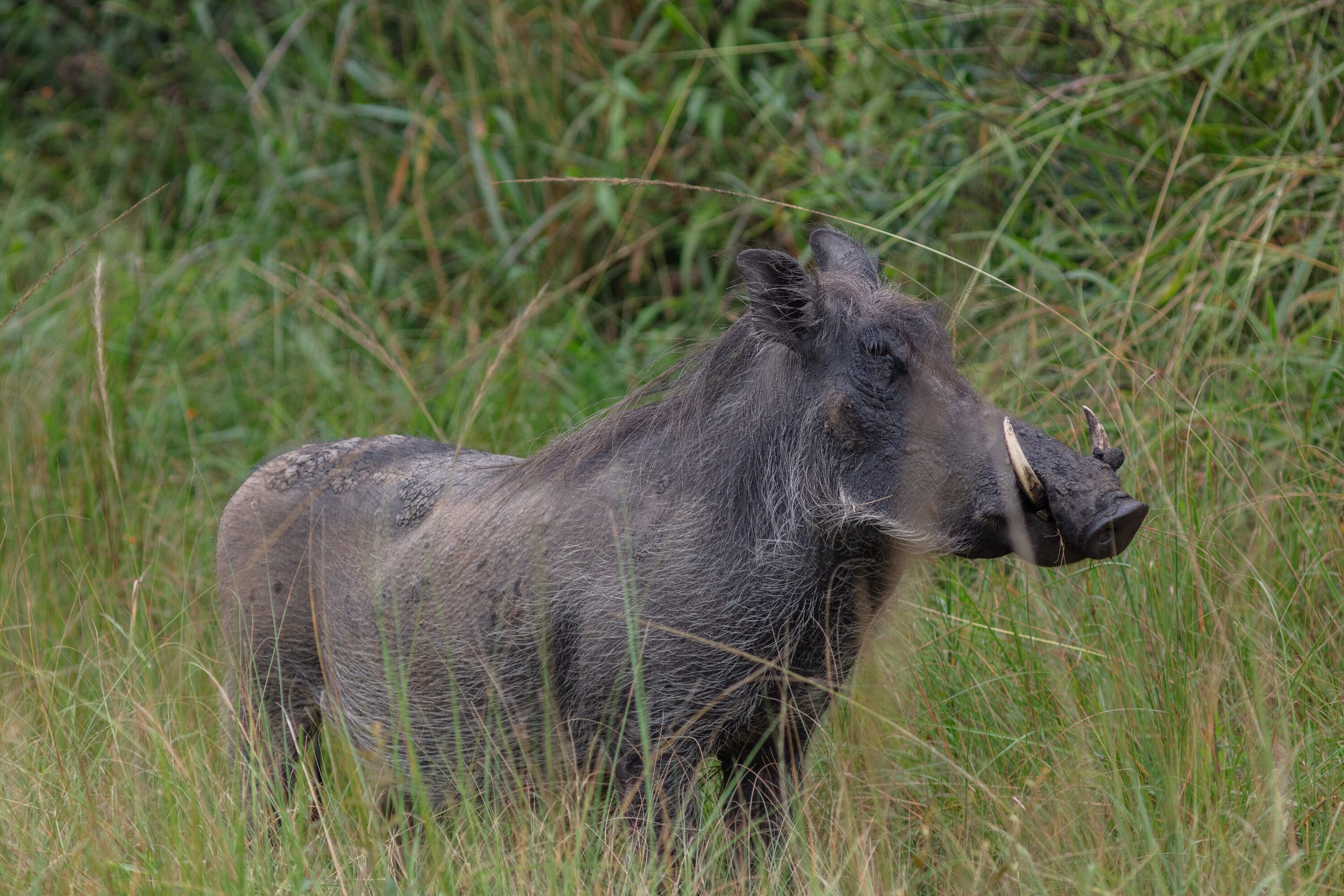
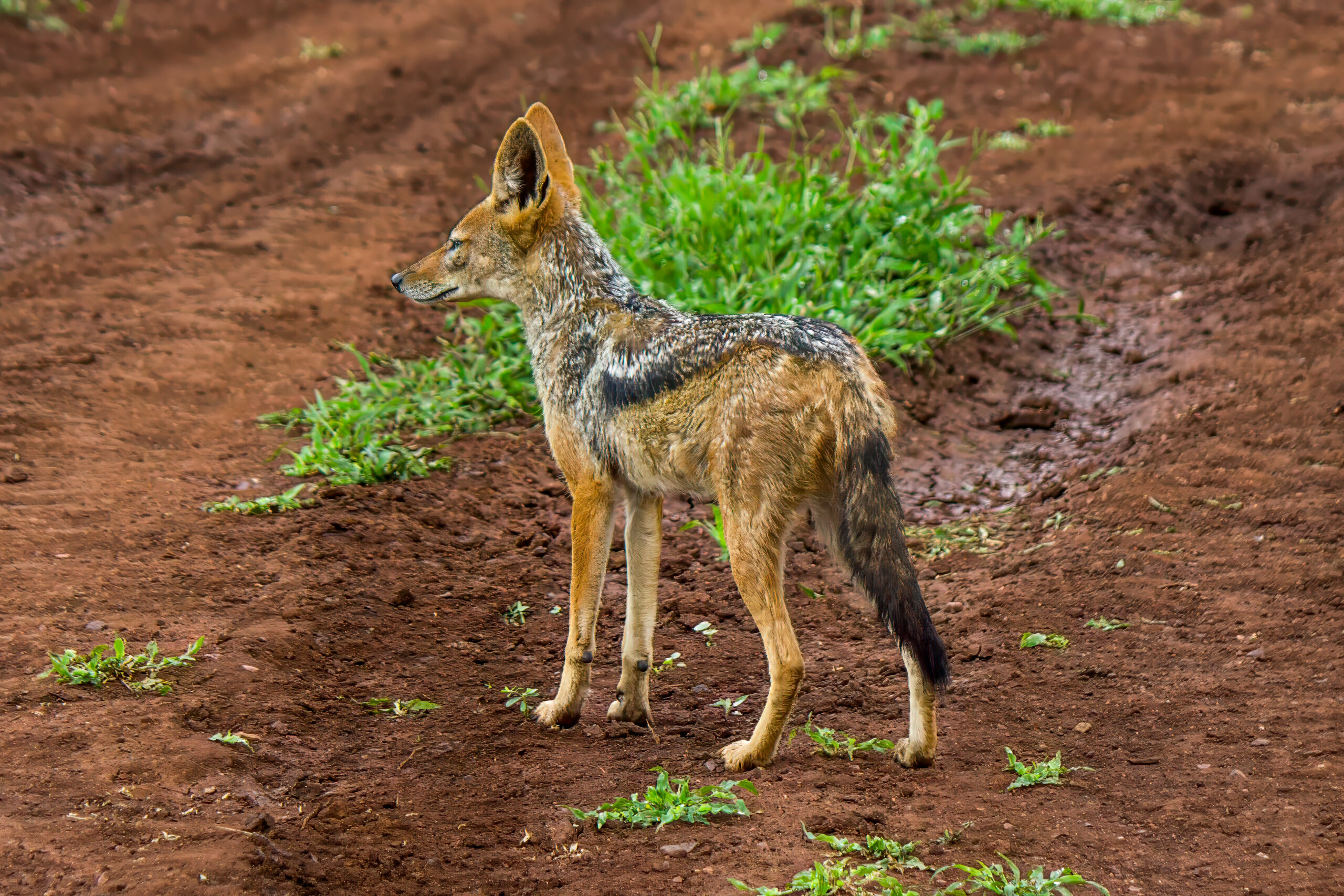
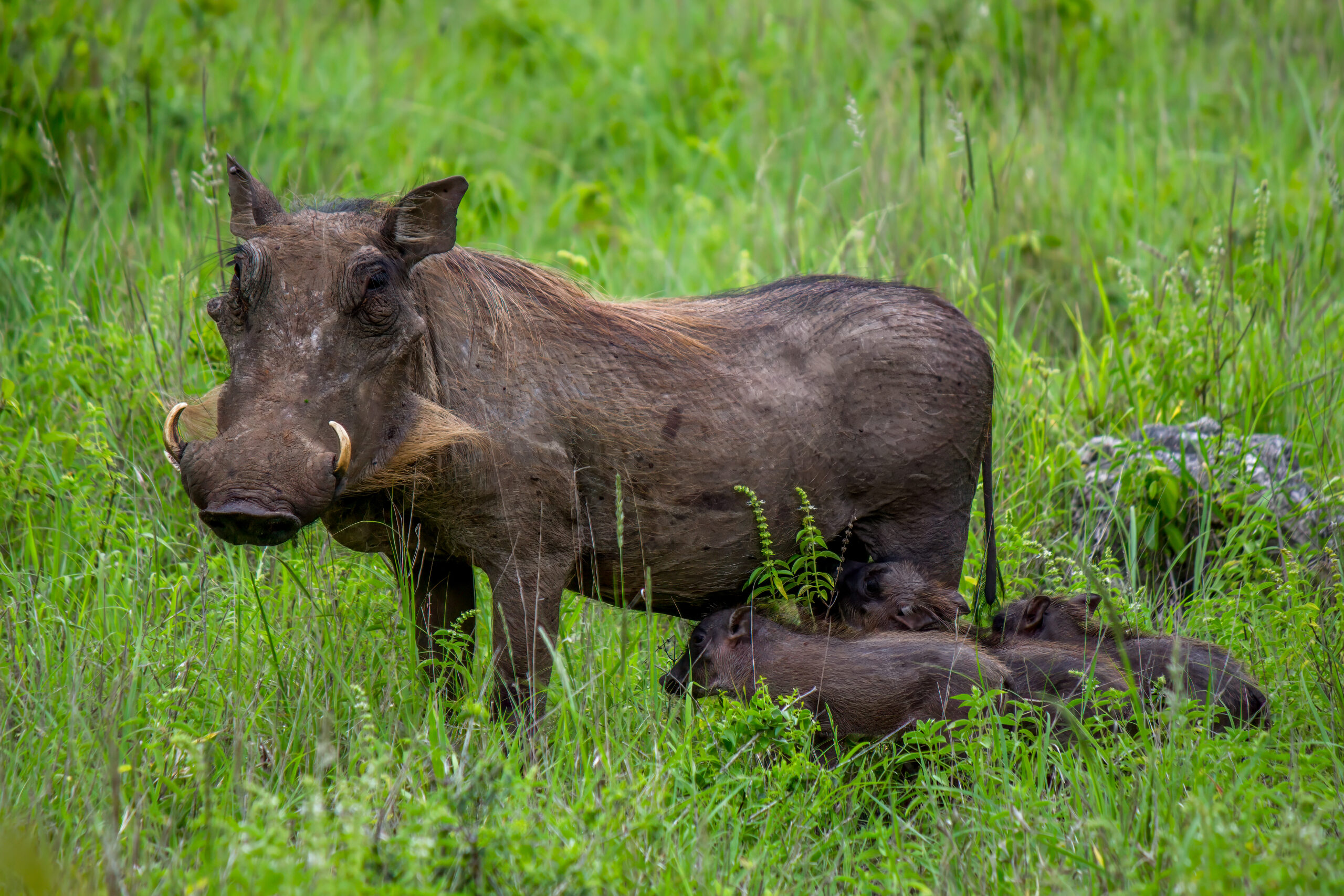
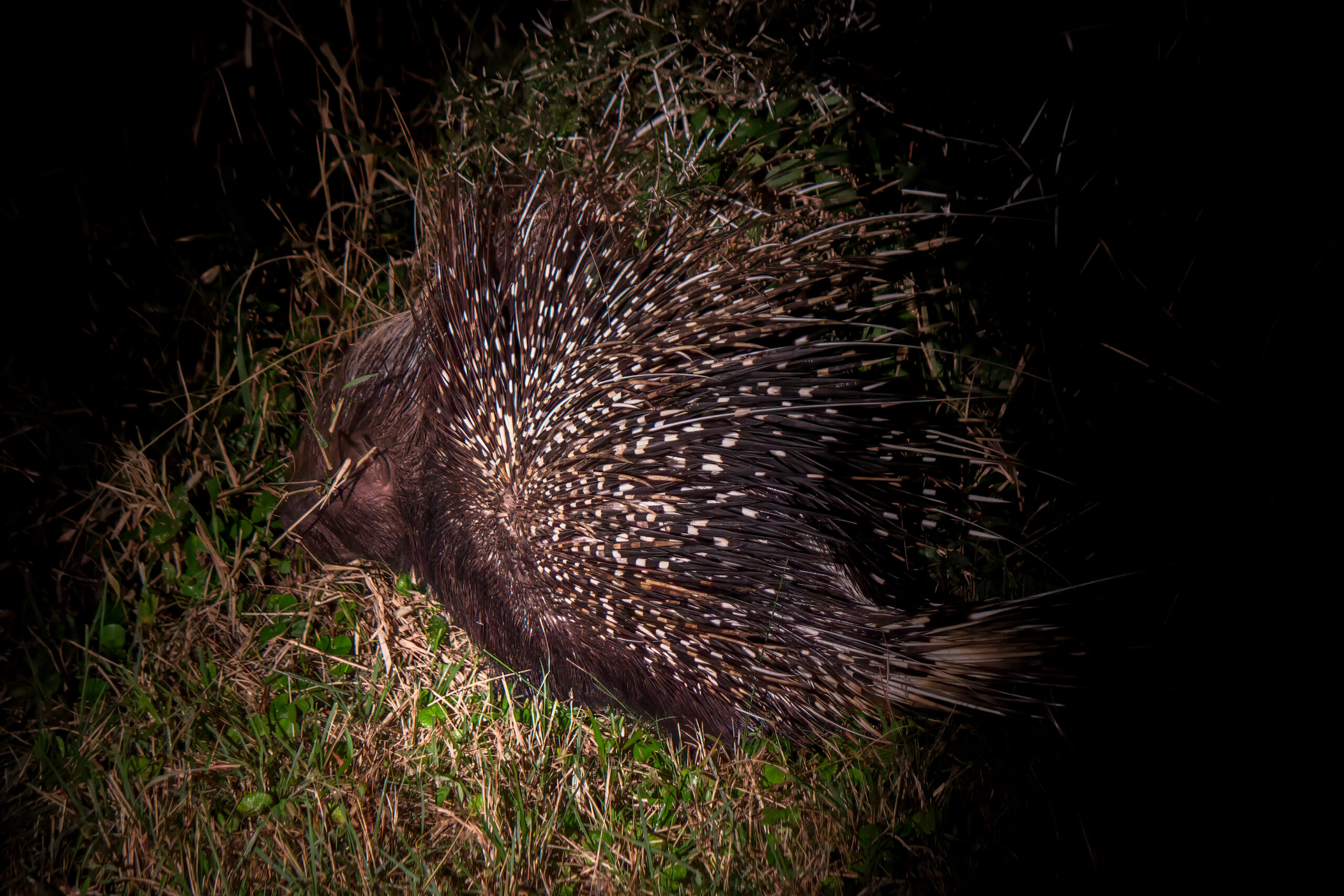
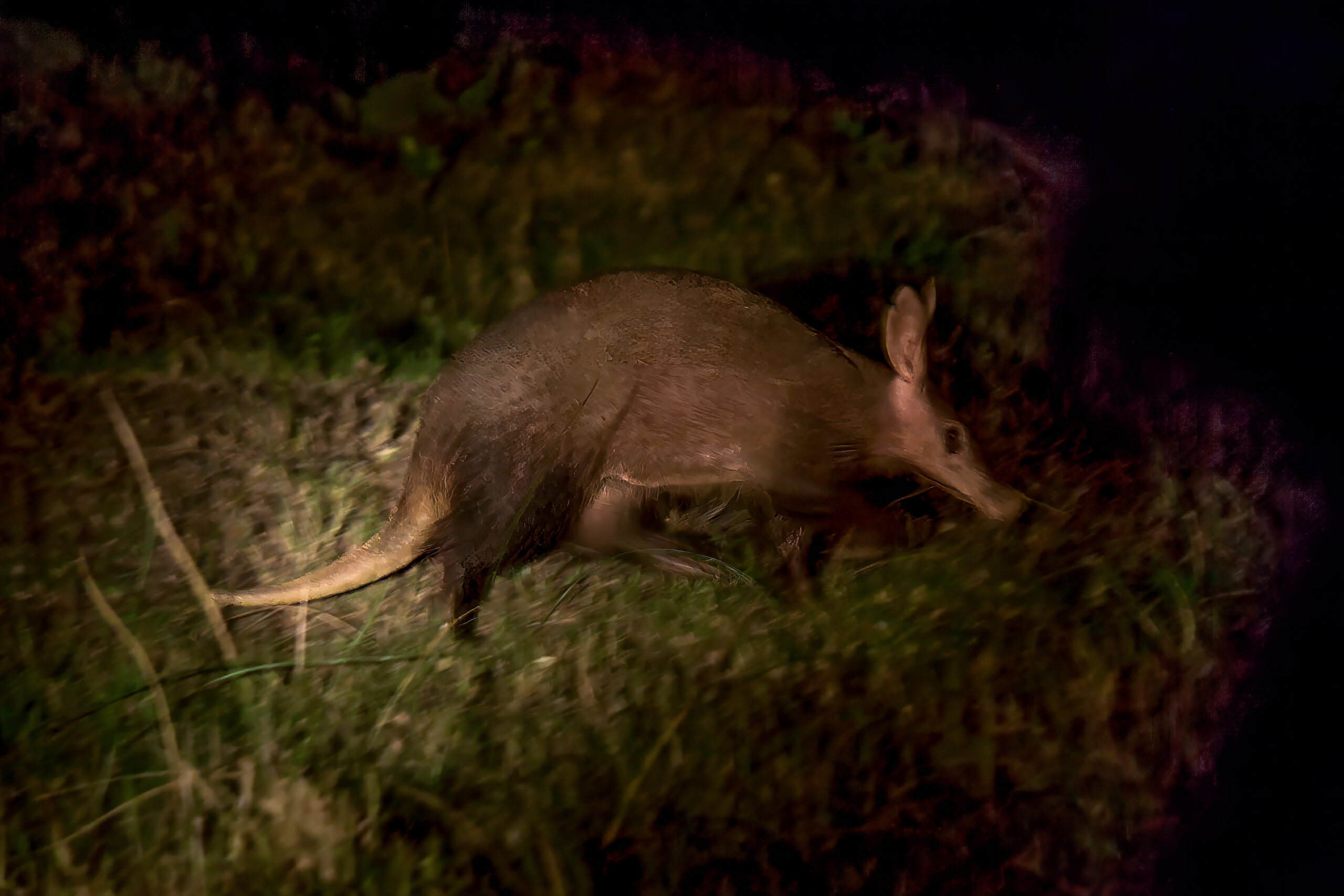
Individual species also differed. Cape porcupines (Hystrix africaeaustralis) declined in burned areas while remaining stable elsewhere. Common warthogs (Phacochoerus africanus) showed no decline in the burned zone but increased in the two unburned zones, and greater kudu (Tragelaphus strepsiceros) changed little in burned areas. Black-backed jackals (Lupulella mesomelas) and aardvarks (Orycteropus afer) declined in more than one zone, so their patterns were not specific to the burned area. Cheetah estimates suggested a modest decline in burned areas, but there were too few detections for the model to estimate the species-level pattern reliably, so that result remains uncertain.
Vegetation recovered just as mammal monitoring ended
Burned areas were hotter, drier and initially less productive, with less vegetation cover and growth. Vegetation productivity recovered strongly late in the wet season and by month five exceeded the unburned zones, but monitoring ended at that point, so the study could not show whether mammal use subsequently recovered. The authors link the community-wide decline mainly to these post-fire habitat changes. One important limitation is that cattle were also removed from burned areas after the fire, so the effects of fire and livestock removal cannot be completely separated. However, removing cattle would normally reduce competition for forage among large herbivores, whereas grazers and browsers still declined in burned areas. The authors therefore argue that livestock removal alone is unlikely to explain the overall pattern.
Ecology
Related news
Common Warthogs, Spotted Hyenas and Aardvarks Shared the Same Den Sites in Uganda
Camera traps at 20 active den sites in Murchison Falls National Park showed common warthogs, spotted hyenas and…
Read story →
Faecal egg counts missed many nematode infections in African ungulates
In Kruger National Park, egg counts in faeces often detected fewer infections than counts of adult worms recovered…
Read story →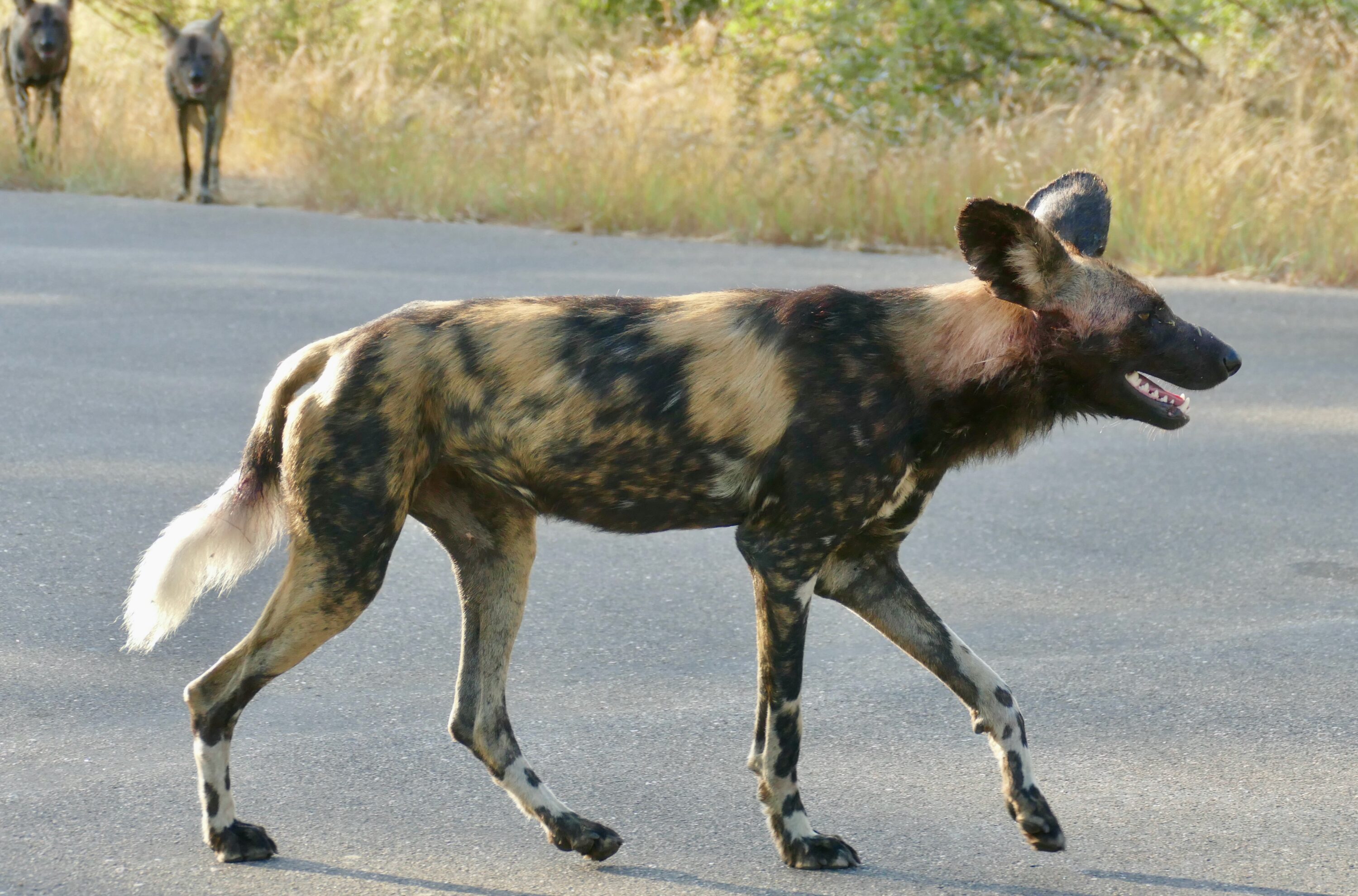
Food Leaves Its Mark on the Gut Bacteria of Kruger’s Wildlife
Gut bacteria in nine mammal species from Kruger National Park followed clear patterns linked to food and digestion.…
Read story →SPECIES IN THIS STORY
Species in this story
Independent research and conservation news archive
Did you find this information useful?
Wildlife Vagabond is independently built and maintained. Voluntary support helps cover source verification, hosting and continued work on research and conservation news.
Support Wildlife VagabondThe news archive will remain freely available.