
European Fallow Deer Shifted Activity Toward Dusk During Aerial Culling
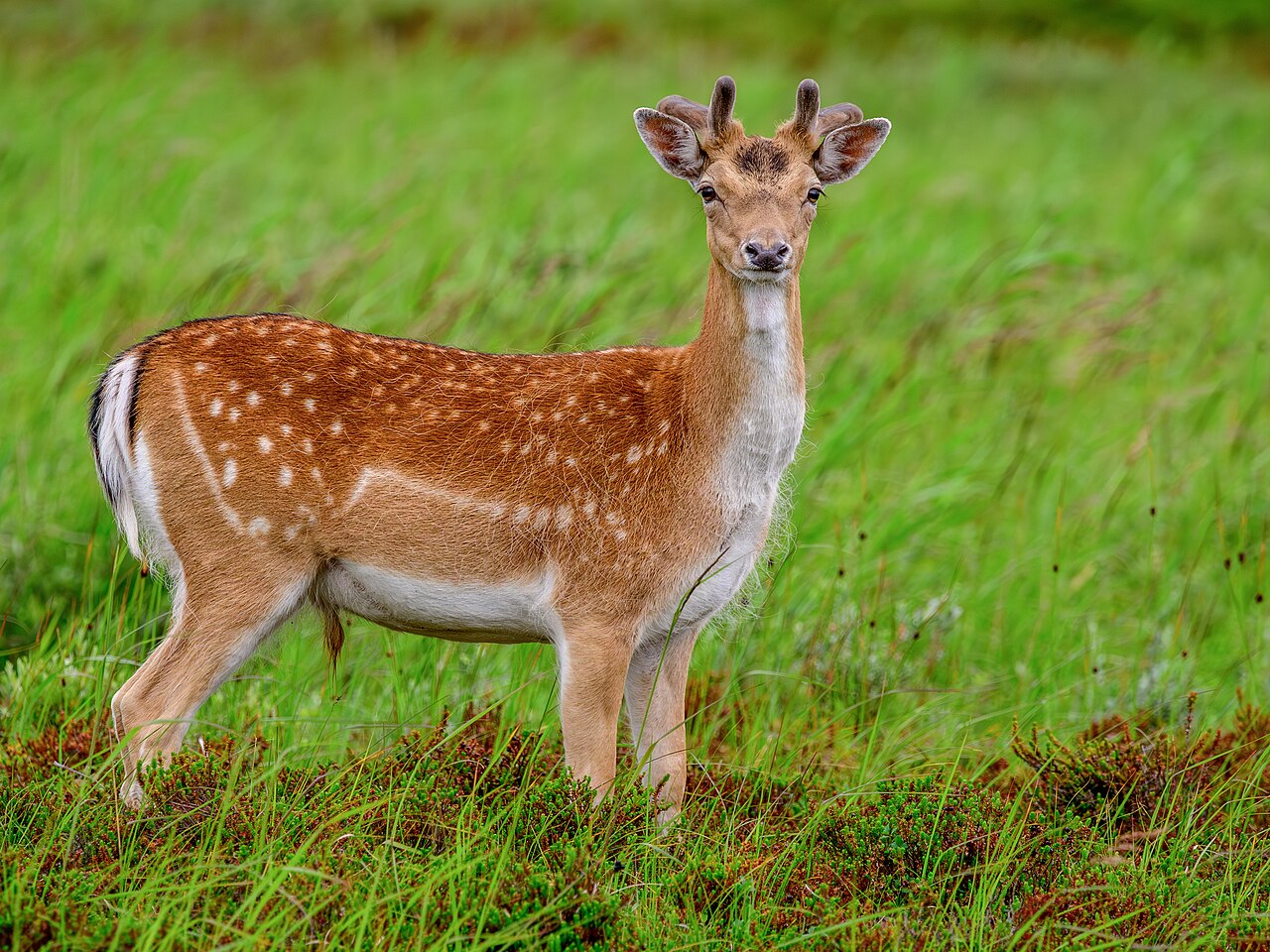
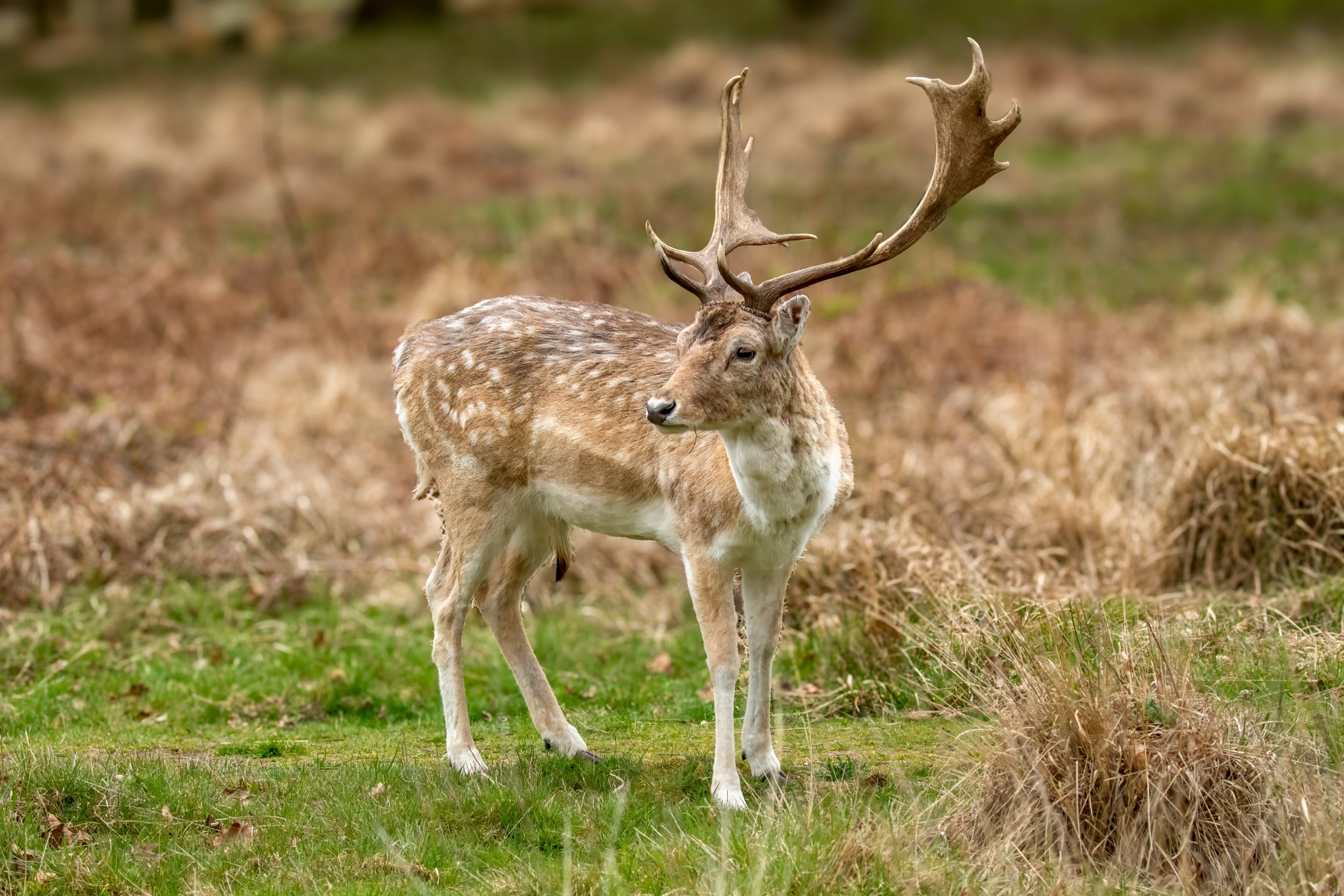
A camera-trap study of invasive European fallow deer (Dama dama) in alpine south-eastern Australia found that helicopter culling was associated with a short-lived shift in when surviving deer were active. Daytime activity declined, while dusk and night accounted for a larger relative share of detections. Grouping and movement speed changed little.
The researchers compared deer behaviour during culling periods with periods without aerial control. In the main analysis, the culling period included the shooting day and the following seven days, so the study tested short-term responses rather than lasting behavioural change.
The clearest response was a shift in daily activity
Activity declined most strongly during daylight and shifted relatively toward dusk and night. The result is more specific than saying the deer simply became nocturnal: daytime activity did not disappear, and the study did not show that the altered pattern persisted beyond the short analysis window.
By contrast, the camera data showed no major change in how deer grouped or in their movement speed. The strongest detectable response to aerial culling was therefore a change in timing rather than a broad behavioural change across all measured traits.
The management value of the response remains to be tested
The authors note that animals surviving aerial control are exposed to helicopters, gunshots and the disturbance of nearby deer being shot. A temporary shift in activity could therefore affect how later control operations encounter surviving animals.
They suggest that future work should test whether the shift toward dusk can be used to improve sustained control. This study itself did not demonstrate that changing the timing or design of helicopter culling would increase the number of deer removed.
Behaviour
Related news
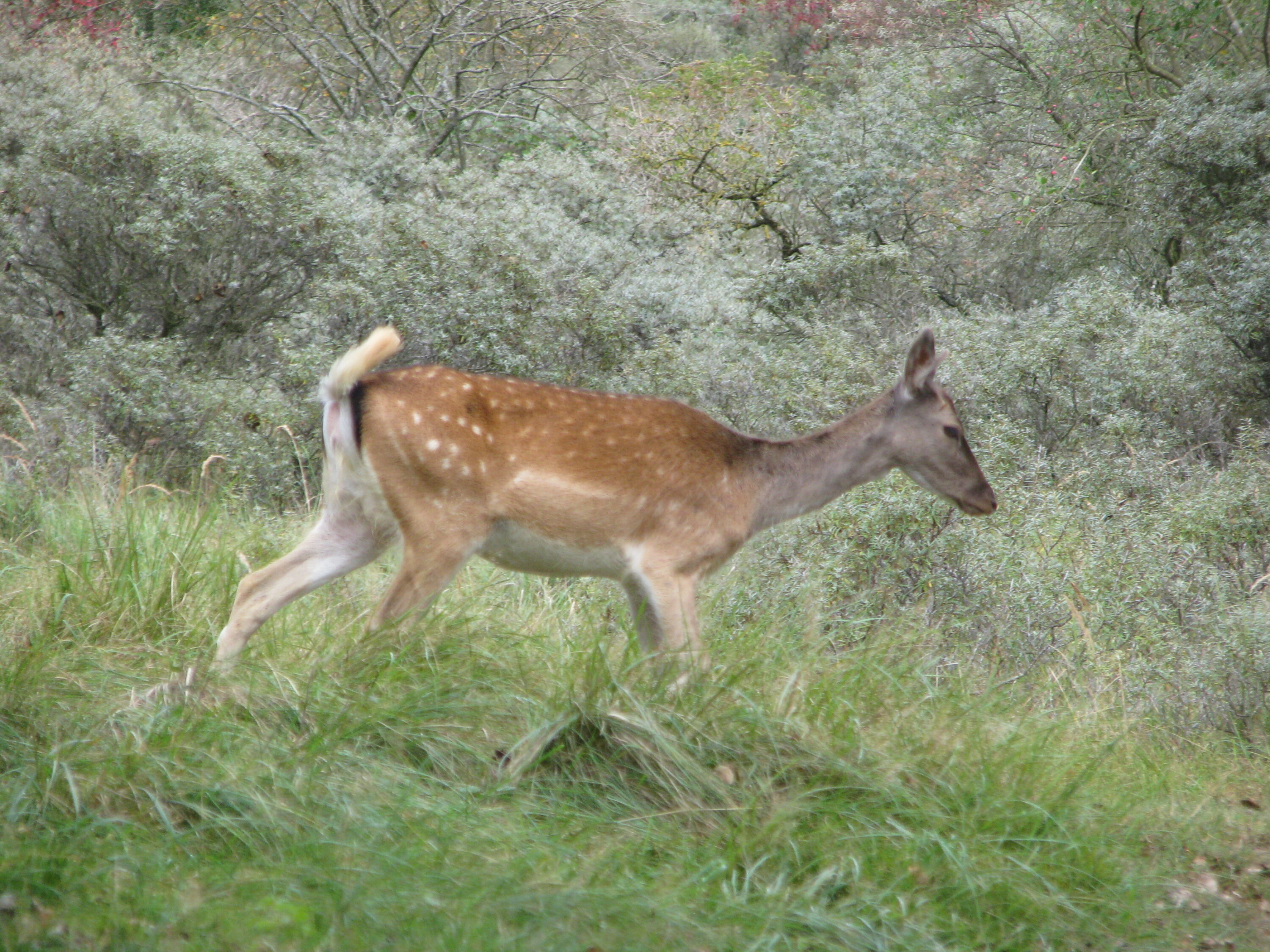
Male and Female Fallow Deer Followed Different Daily Schedules Outside the Rut
In 4,114 sexed camera-trap detections from a Dutch dune reserve, fallow deer favoured twilight and night. Outside the…
Read story →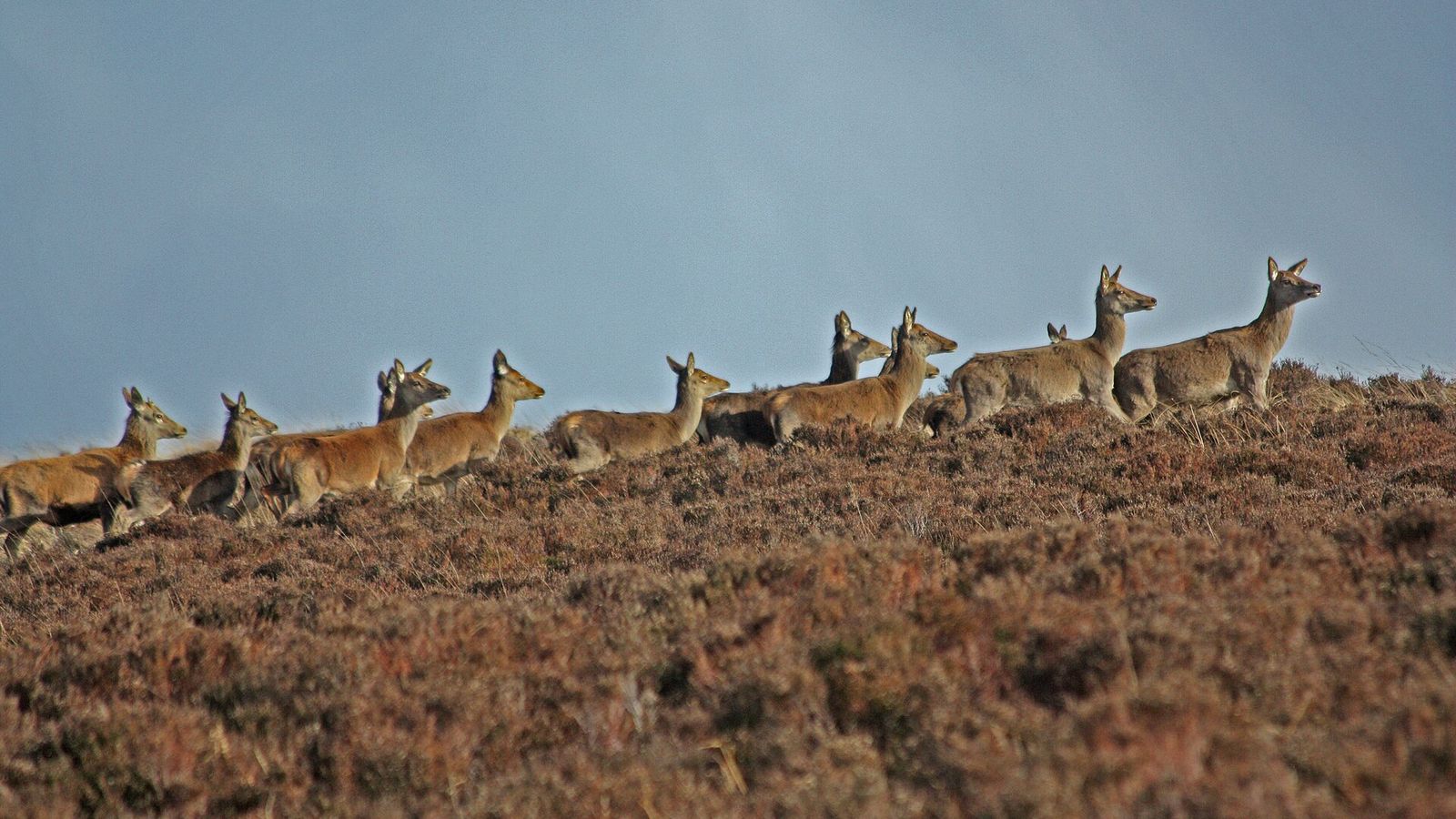
Estimated M. bovis Seroprevalence Was 26.6% in Exmoor Red Deer
A survey of 432 wild deer in the Exmoor area estimated Mycobacterium bovis seroprevalence at 26.6% in red…
Read story →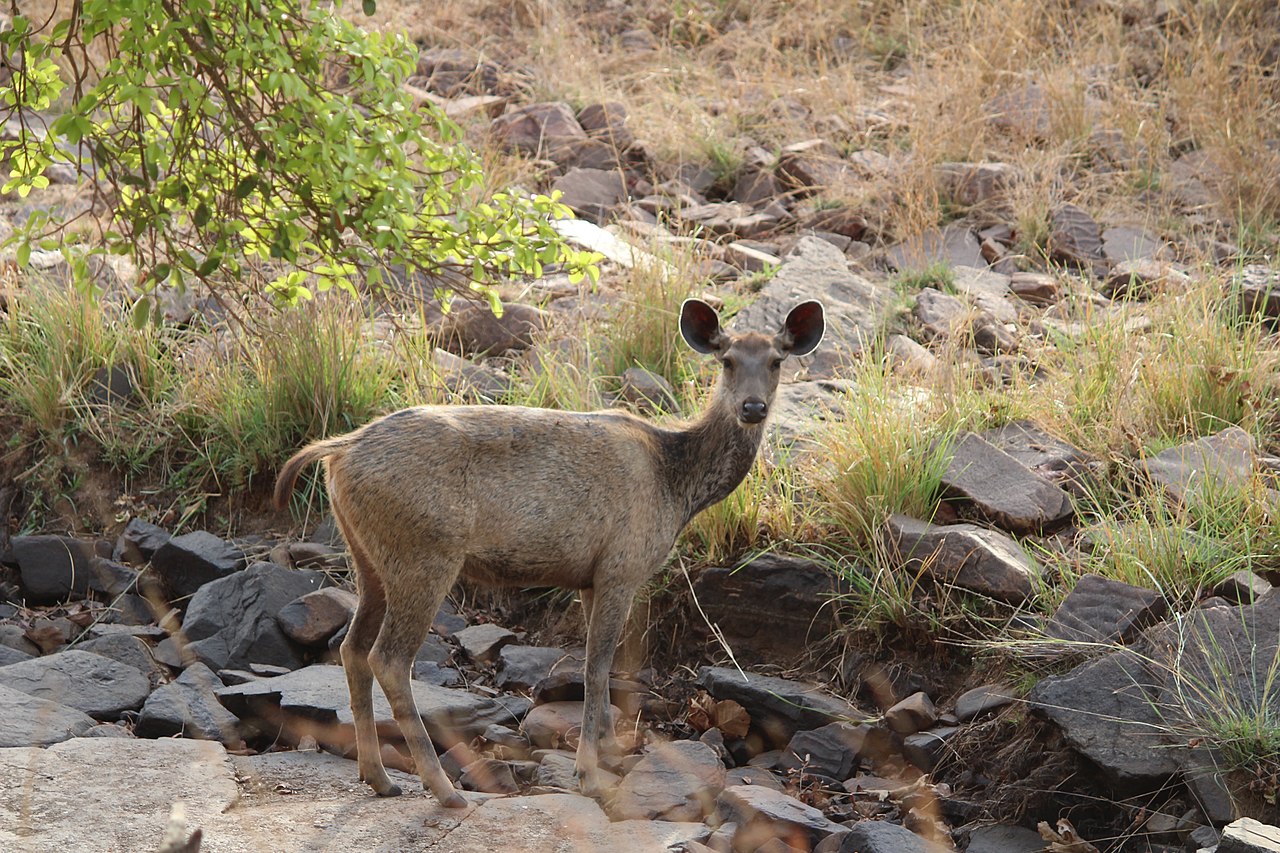
Wild Deer Near Farmland Had Greater Strongyle Diversity in Victoria
Metabarcoding of 194 faecal samples from sambar, fallow and hog deer in Victoria detected 11 strongyle taxa. Deer…
Read story →SPECIES IN THIS STORY
Species in this story
Independent research and conservation news archive
Did you find this information useful?
Wildlife Vagabond is independently built and maintained. Voluntary support helps cover source verification, hosting and continued work on research and conservation news.
Support Wildlife VagabondThe news archive will remain freely available.