
DNA from paratuberculosis bacterium found in faeces of five wild mammal species in Sudan
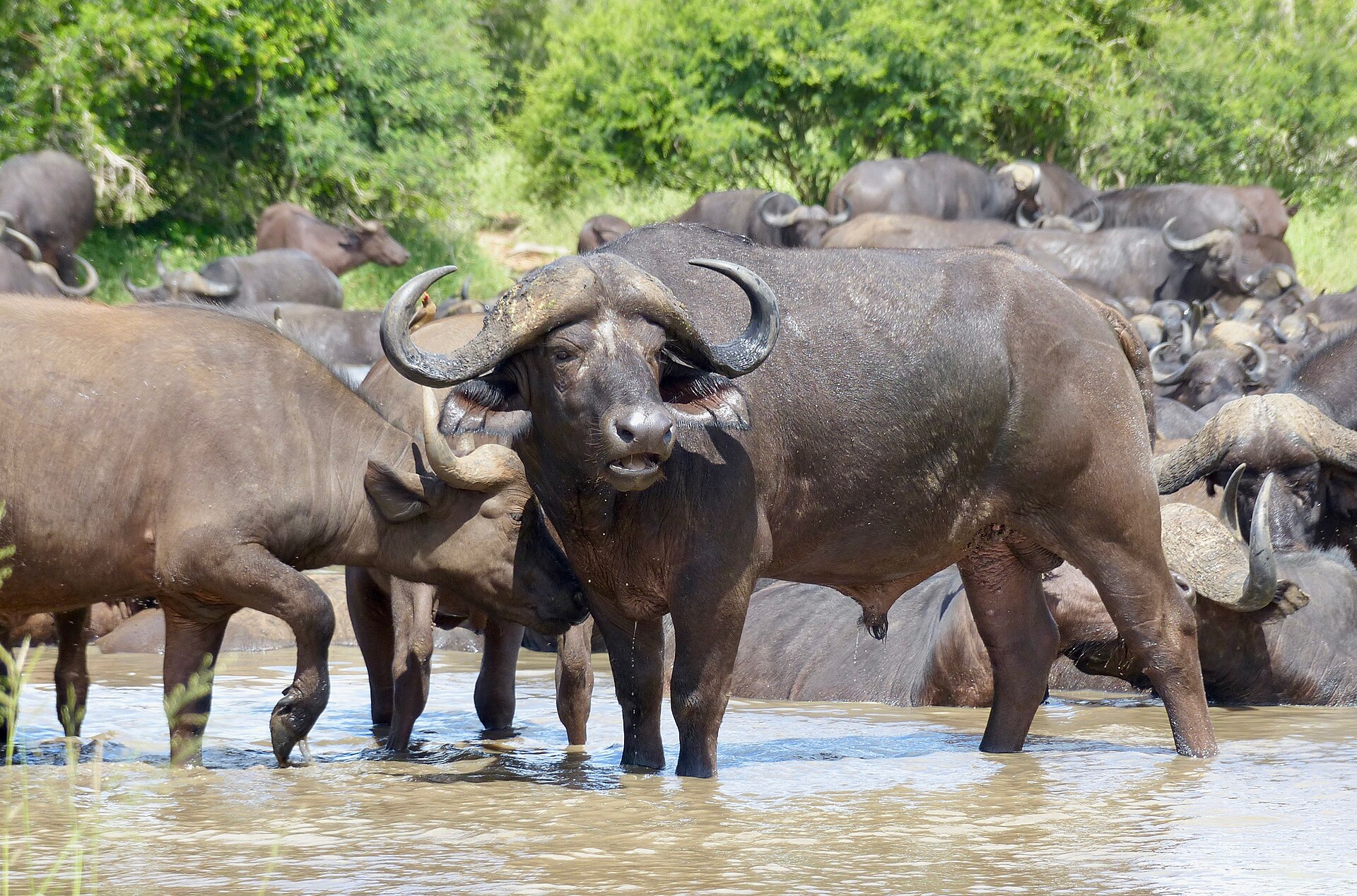
Researchers in Sudan’s Dinder National Park detected DNA from Mycobacterium avium subspecies paratuberculosis (MAP) in faecal samples assigned to five wild mammal species. MAP causes paratuberculosis, a chronic intestinal disease that can lead to severe weight loss in susceptible animals. The disease had previously been reported in Sudanese livestock, but not investigated in the country’s wildlife.
The team collected 274 fresh faecal samples around six waterholes during the dry season. MAP DNA was detected in 104 samples, or 37.9%. The share of positive samples varied between waterholes, from 22.9% to 64.4%. The researchers also found differences between vegetation patterns: 50 of 90 samples in pattern B contained MAP DNA, compared with 22 of 95 in pattern A. The vegetation patterns were described visually rather than measured systematically, so the contrast is descriptive; the study could not establish a statistically supported vegetation effect. Across the five species groups, positive rates were much more alike, ranging from 35.2% in oribi to 39.4% in reedbuck.
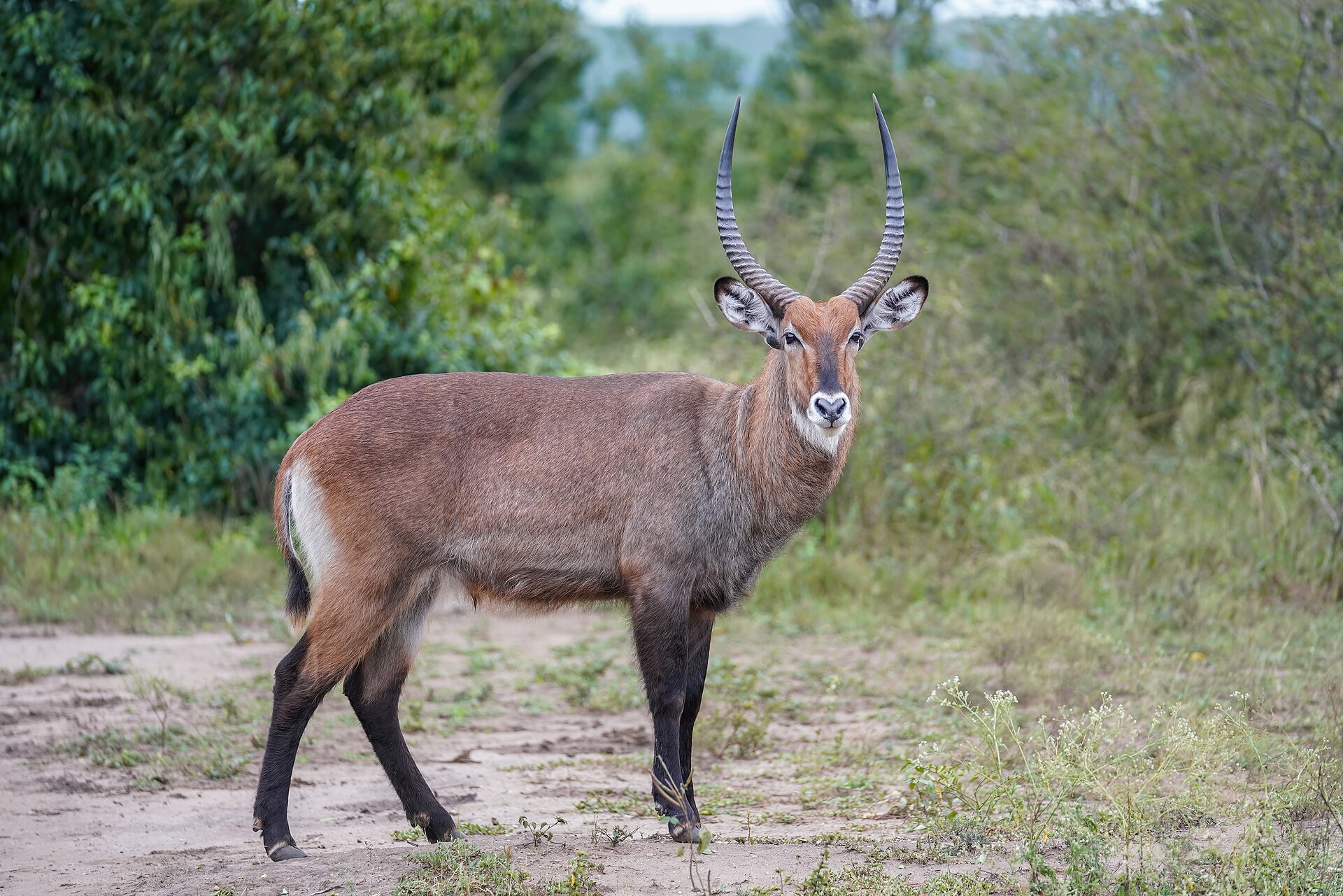
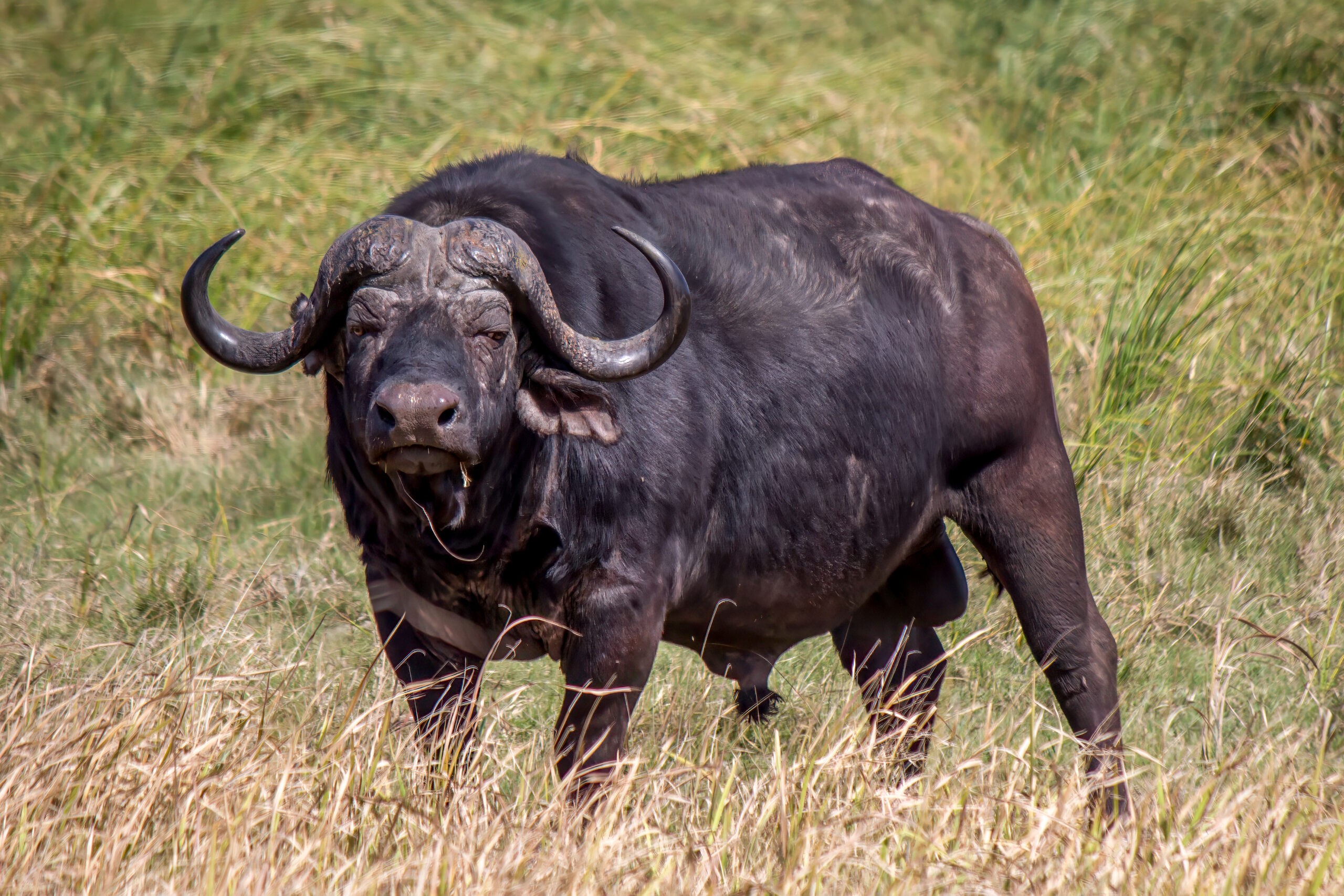
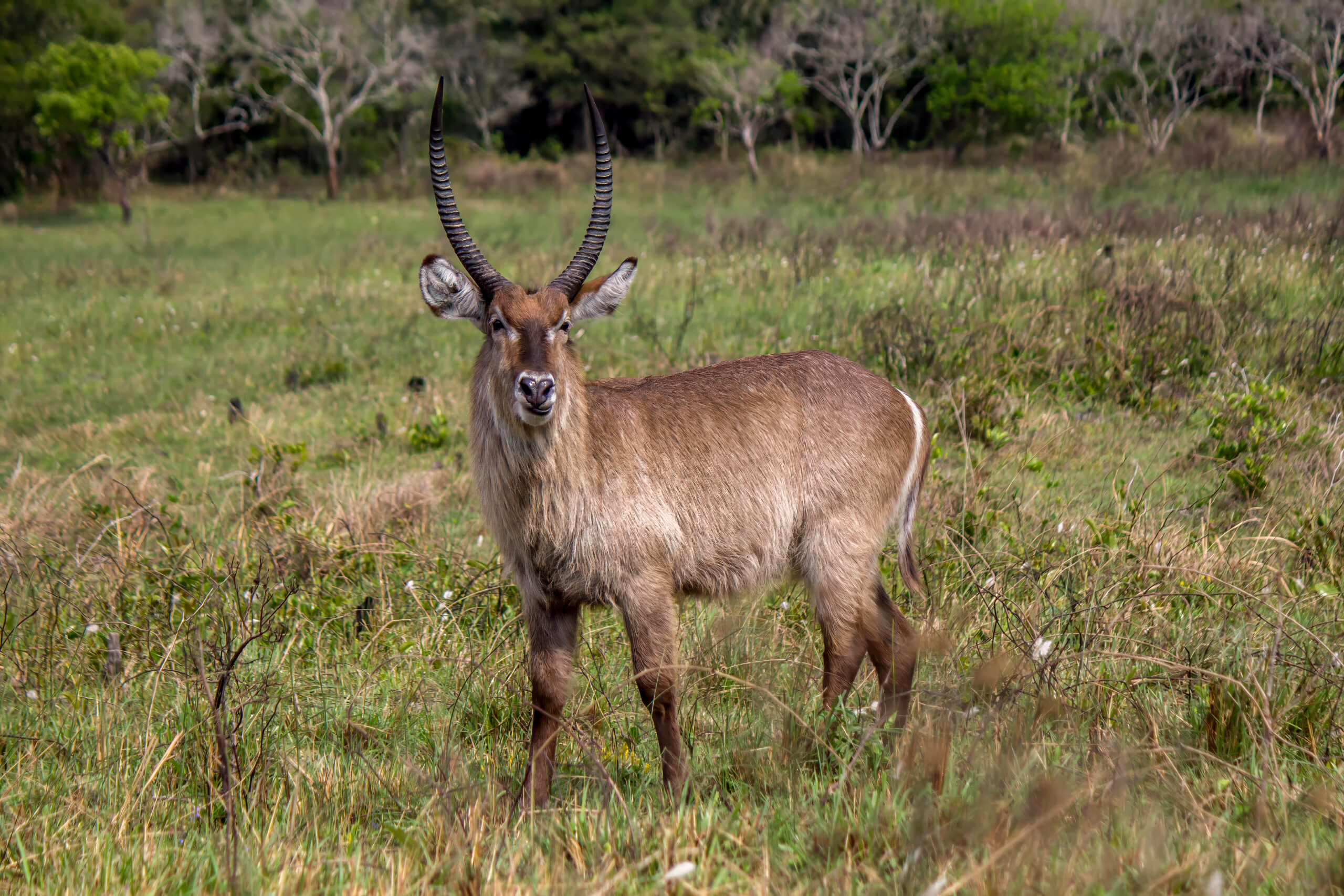
Positive samples were assigned to reedbuck (Redunca redunca), warthog (Phacochoerus aethiopicus, as identified in the study), waterbuck (Kobus ellipsiprymnus; identified as Kobus defasa in the study), African buffalo (Syncerus caffer) and oribi (Ourebia ourebi). Species assignments were based on observations, tracks and dung characteristics, not identification of individual animals. The percentages therefore describe samples, not the proportion of individually identified animals carrying MAP DNA.
A positive result shows that MAP DNA was present in a faecal sample; it does not show that the bacteria were alive, that the animal had paratuberculosis, or that transmission between wildlife and livestock had occurred. Wildlife and, at times, livestock use overlapping grazing areas and water sources in the park. This makes environmental exposure a possibility worth investigating, especially when animals gather at limited water sources in the dry season, but this study did not establish a transmission route.
Further work could test whether viable MAP is present and compare bacterial strains from wildlife and livestock. That would help determine whether the pathogen circulates between them.
Disease, parasites & microbiology
Related news
Two arrested after suspected waterbuck poaching
After a farmer found the remains of a waterbuck near Groot Marico, police investigated and arrested two suspects.…
Read story →
Food Leaves Its Mark on the Gut Bacteria of Kruger’s Wildlife
Gut bacteria in nine mammal species from Kruger National Park followed clear patterns linked to food and digestion.…
Read story →
Buffalo Gather Around Water and Forest as the Dry Season Arrives
Buffalo herds grew larger and used more forest during the dry season in Ethiopia’s Gambella National Park. Wetlands…
Read story →SPECIES IN THIS STORY
Species in this story
Independent research and conservation news archive
Did you find this information useful?
Wildlife Vagabond is independently built and maintained. Voluntary support helps cover source verification, hosting and continued work on research and conservation news.
Support Wildlife VagabondThe news archive will remain freely available.