
Habitat conditions help explain why some African buffalo translocations succeeded in Mozambique
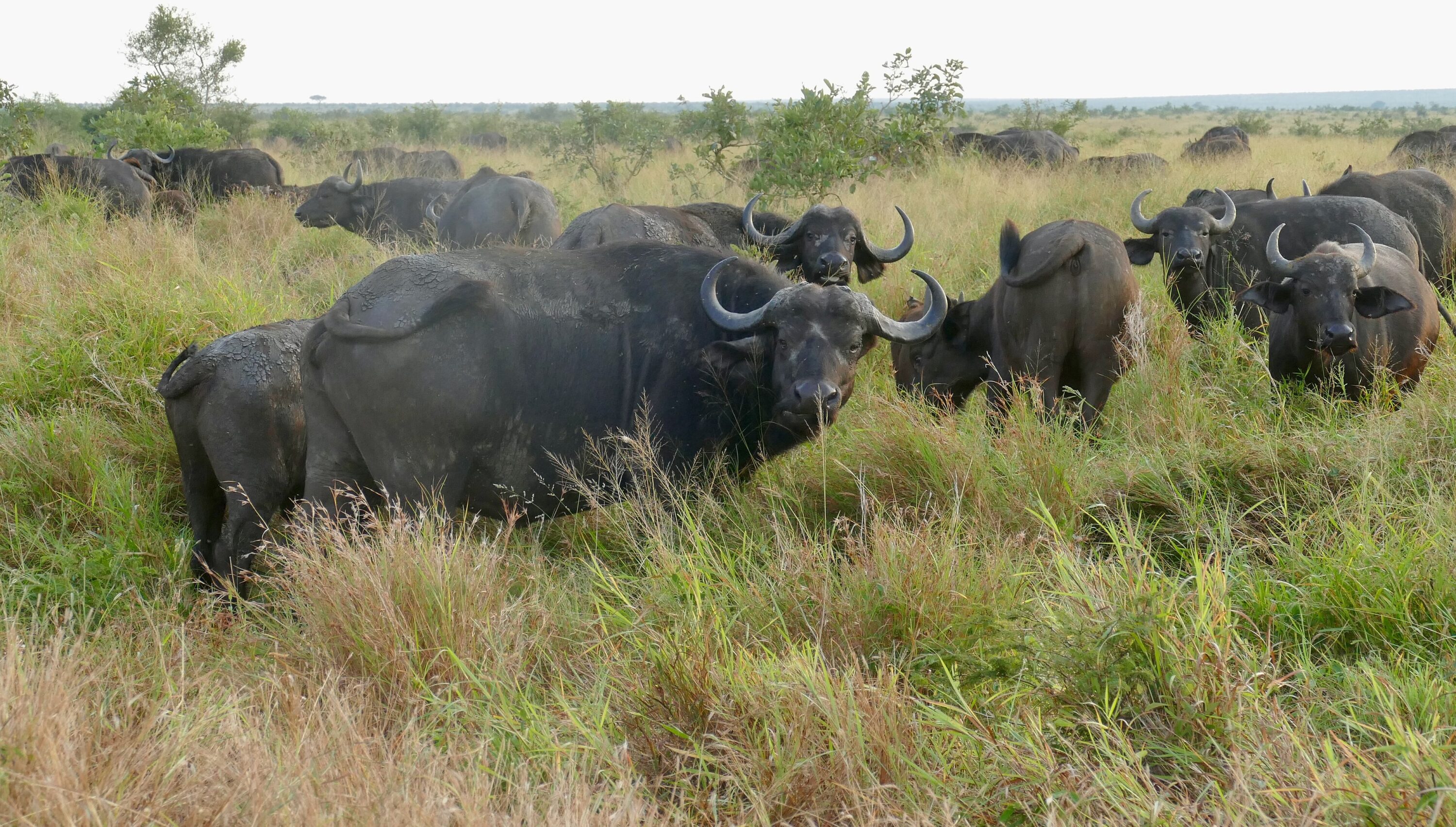
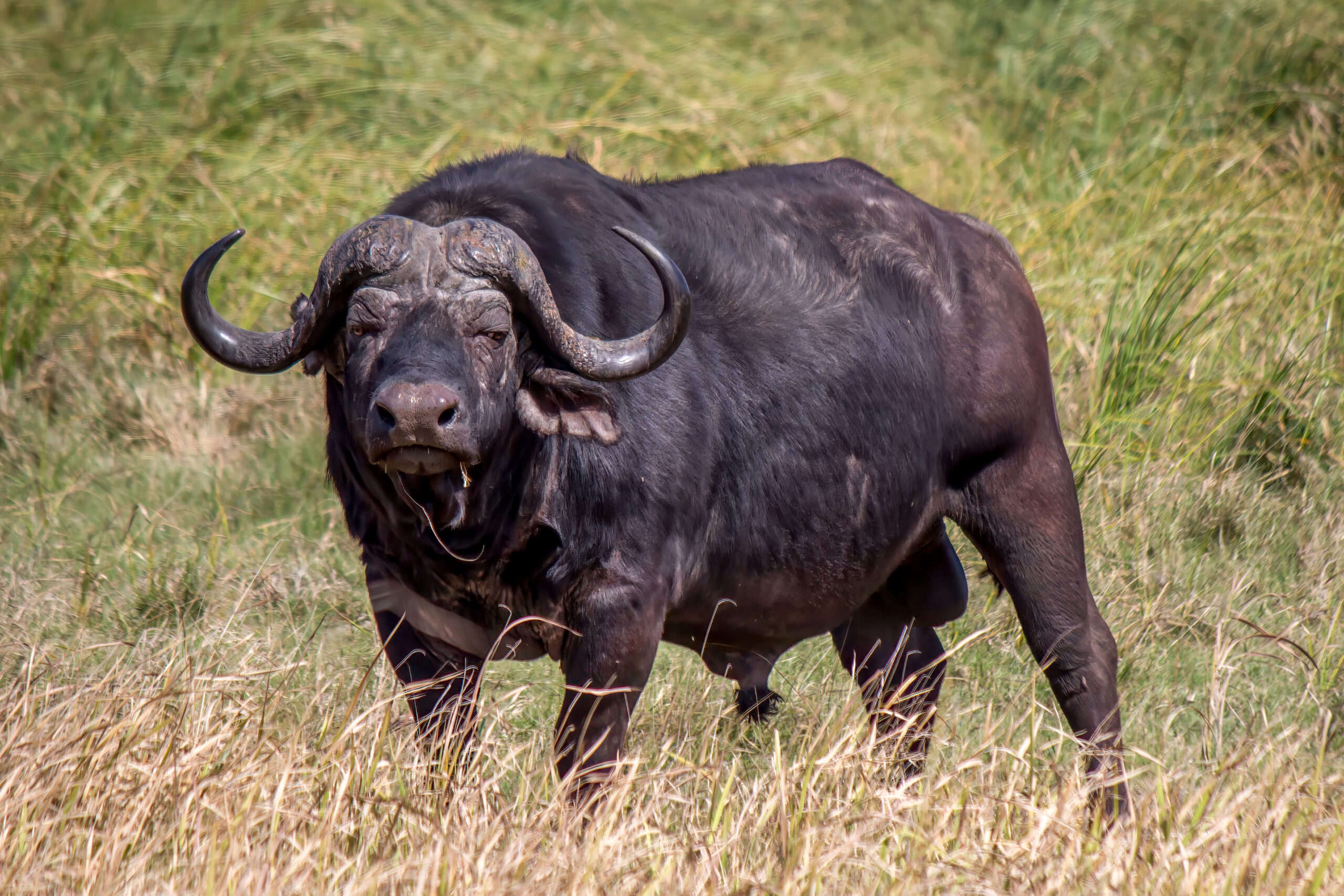
A 2026 study from Mozambique shows why moving large mammals to a new conservation area is not simply a matter of releasing animals into protected land. Researchers used past African buffalo (Syncerus caffer) translocations to test whether habitat models could help explain why some introductions succeeded while others failed.
After Mozambique’s civil war, wildlife numbers had fallen sharply in many areas. Conservation programmes therefore moved buffalo between several protected areas to rebuild populations and restore ecological functions. The study examined six documented source–destination combinations involving buffalo from Kruger and Limpopo National Parks and from Niassa and Marromeu reserves, moved to Gorongosa National Park, Coutada 9 and Gilé Reserve. The authors defined a successful translocation as short-term establishment involving survival, adaptation and reproduction after release.
The researchers combined 369 buffalo occurrence records with environmental variables to estimate how suitable each area was for the species. They then compared habitat suitability at the source and release sites. Translocations were more likely to succeed when the destination was at least as suitable as the source, or when management compensated for important habitat limitations.
Less-suitable destinations produced poor outcomes in two cases
Two transfers from Marromeu illustrate the problem. Buffalo moved from Marromeu to Gorongosa and Gilé entered areas that the model rated as substantially less suitable, and both attempts had poor outcomes. Similar climate alone was not enough to guarantee success.
Active management compensated for habitat limitations in other cases
Other cases showed that active management could change the outcome. Buffalo from Kruger and Limpopo established in Gorongosa after measures such as boreholes and additional water provision. In Coutada 9, buffalo from Marromeu were released into an area with very low modelled suitability, but 36 dams were built to provide permanent water. That population nevertheless established and grew after the translocations.
Only six documented translocations limit the analysis
The authors describe the analysis as exploratory because only about six documented post-war buffalo translocations were available, leaving a small basis for comparison and limiting how confidently the pattern can be generalised. They also note that the occurrence records are concentrated in protected areas and may introduce sampling bias.
The researchers conclude that habitat-suitability indices can help identify ecological mismatches before animals are moved, especially when combined with climatic distance and zooregional boundaries. They recommend pairing predictive models with structured monitoring and adaptive management; the successful cases also show how measures such as permanent water provision can compensate for some local habitat limitations.
Reintroductions & translocations
Related news
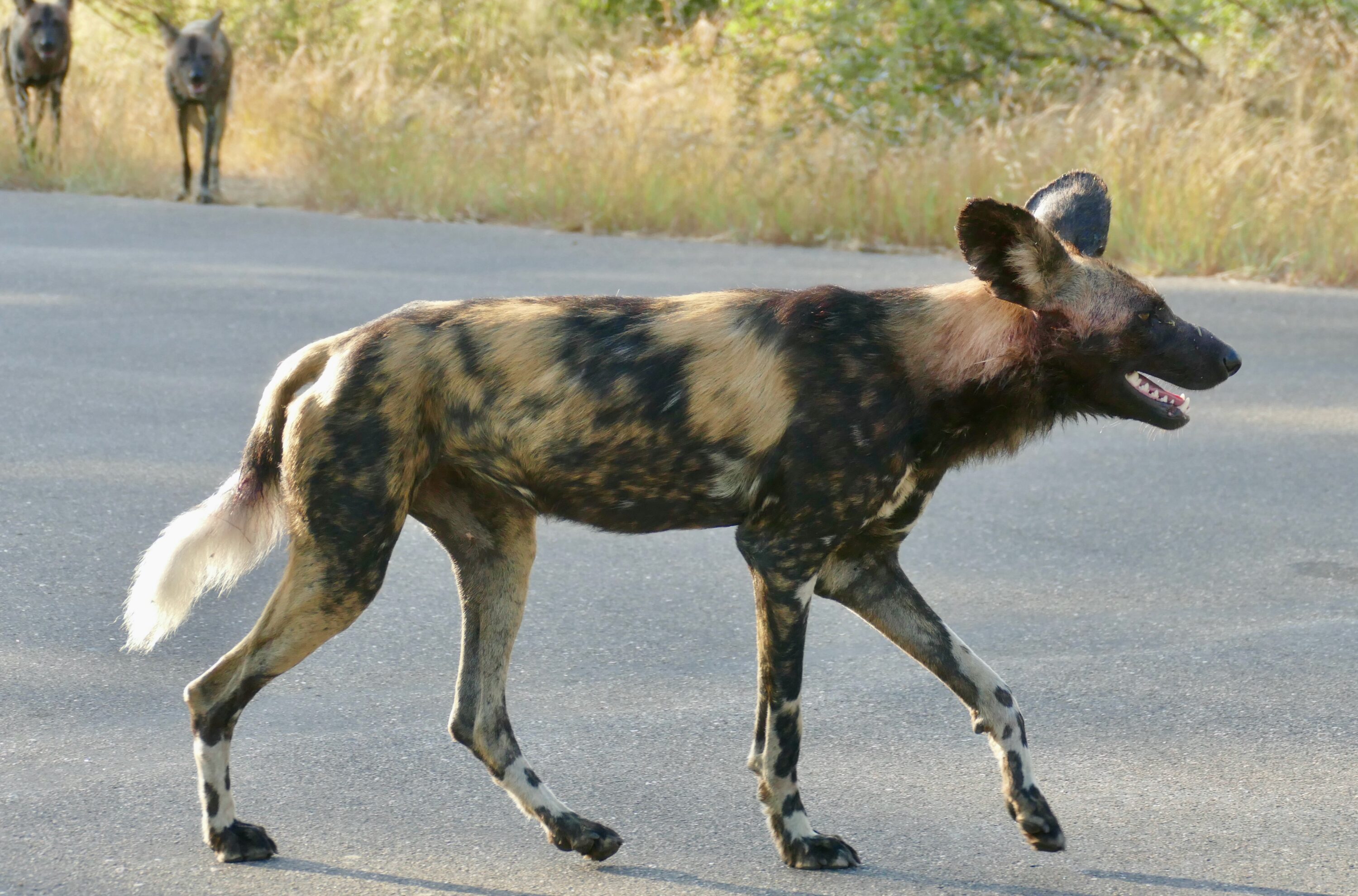
Food Leaves Its Mark on the Gut Bacteria of Kruger’s Wildlife
Gut bacteria in nine mammal species from Kruger National Park followed clear patterns linked to food and digestion.…
Read story →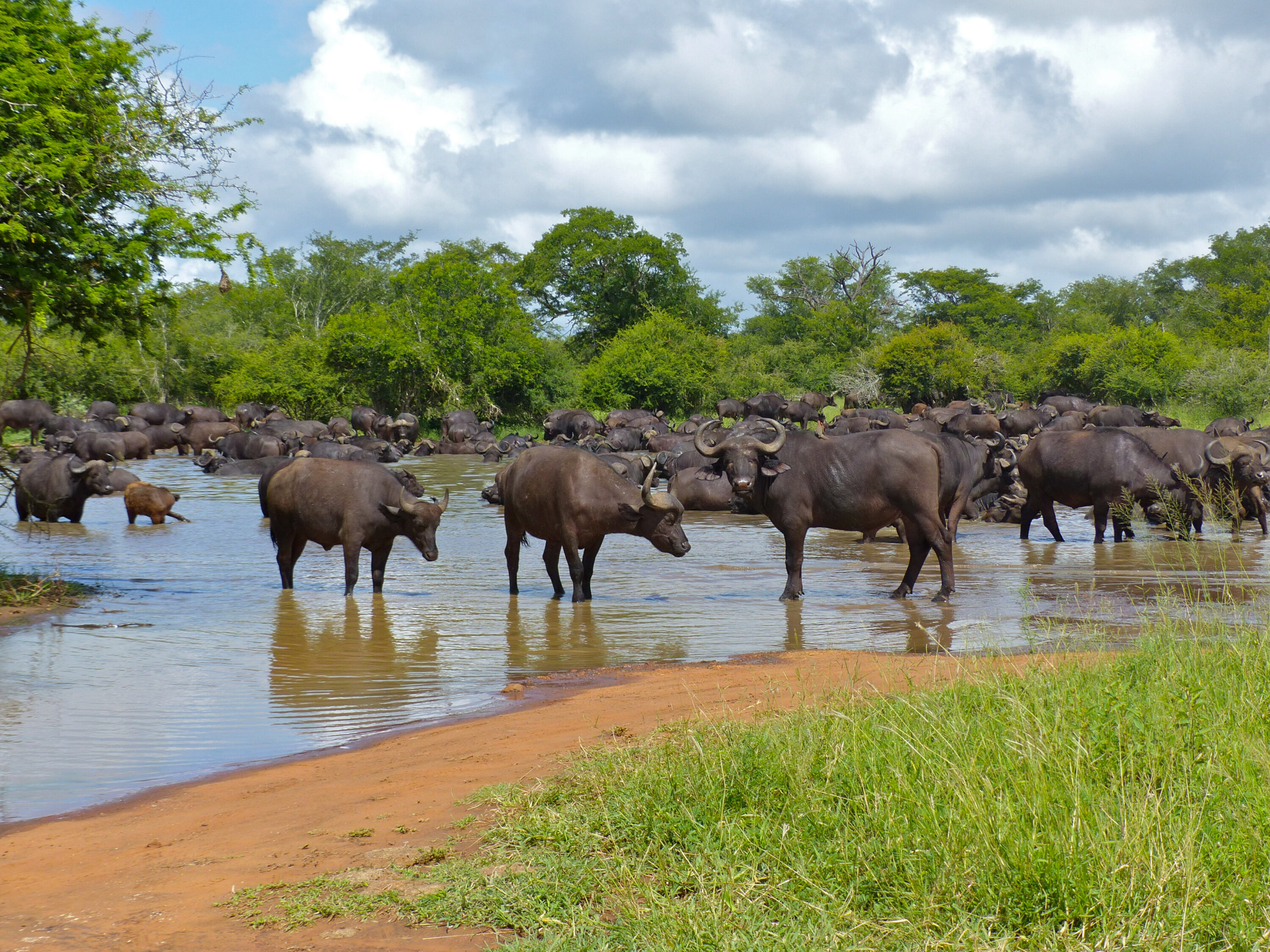
Buffalo Gather Around Water and Forest as the Dry Season Arrives
Buffalo herds grew larger and used more forest during the dry season in Ethiopia’s Gambella National Park. Wetlands…
Read story →
First Reported Giardia Detections in Four Wild Herbivore Species in Kenya
Molecular screening of wildlife and livestock in Laikipia produced the first reported Giardia detections in African buffalo, plains…
Read story →SPECIES IN THIS STORY
Species in this story
Independent research and conservation news archive
Did you find this information useful?
Wildlife Vagabond is independently built and maintained. Voluntary support helps cover source verification, hosting and continued work on research and conservation news.
Support Wildlife VagabondThe news archive will remain freely available.