
African Review Found Different Impact Emphases in House Crow and Red-billed Quelea Studies
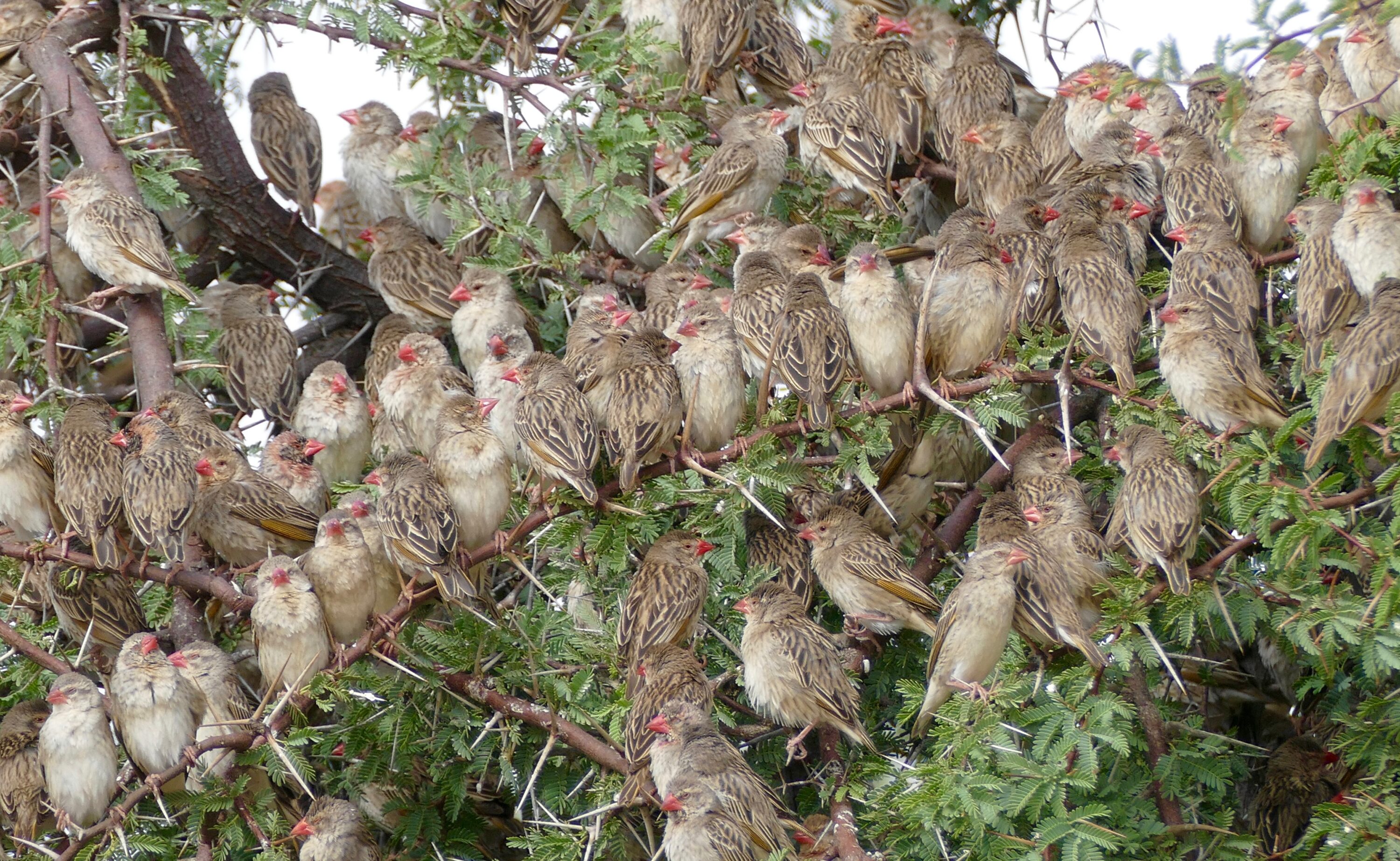
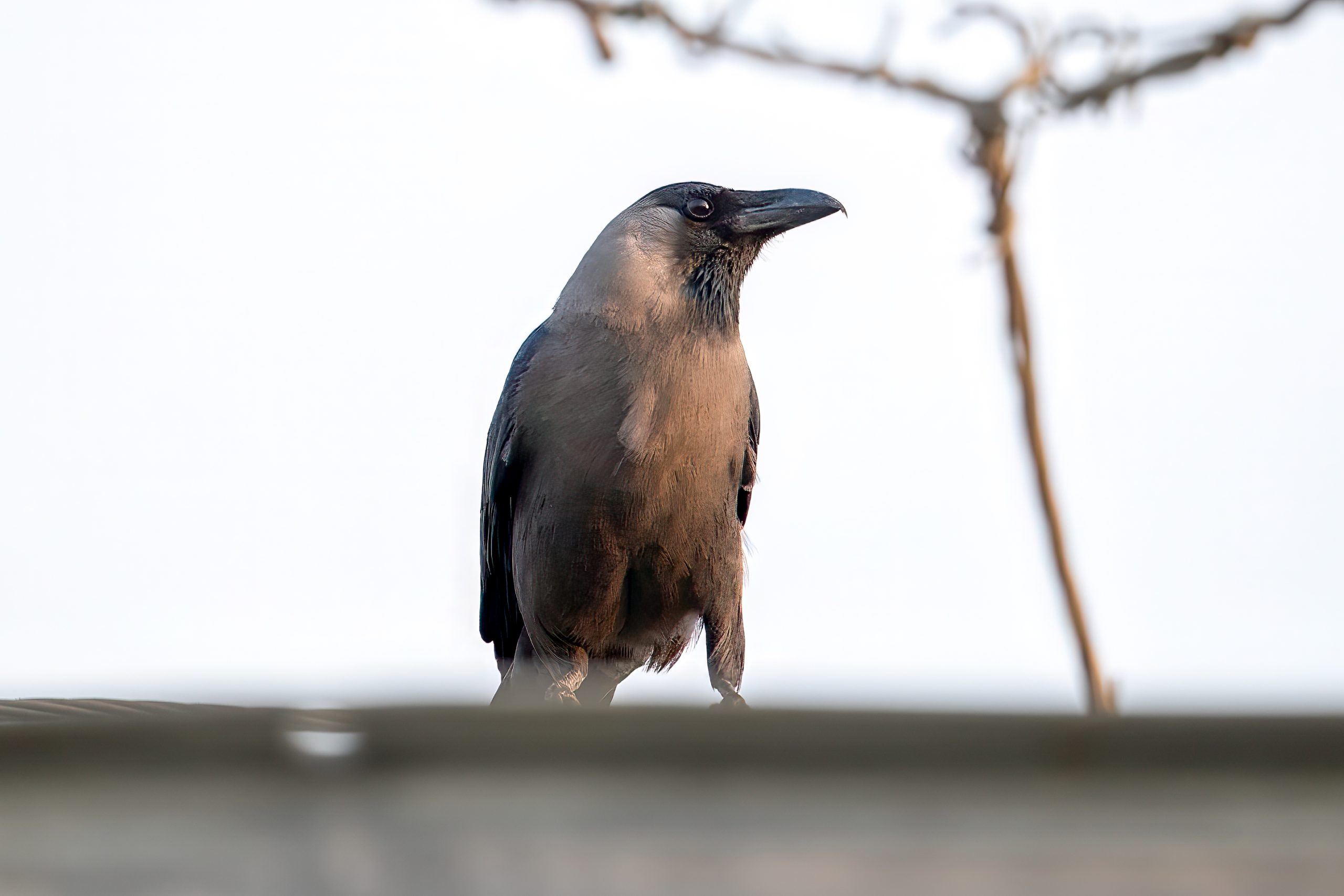
A 2026 review comparing the invasive house crow (Corvus splendens) and the native red-billed quelea (Quelea quelea) across Africa found distinctly different patterns in the research on their impacts. The authors included 59 African studies on socio-ecological and economic effects, control methods and public attitudes.
Research on red-billed queleas made up most of the reviewed literature and focused largely on crop losses, economic effects and control. House crow studies were fewer but covered a broader range of ecological, social and economic impacts. Reported effects included predation and harassment of native birds, competition with other species, impacts on lizards in Tanzania and the potential carriage of pathogens.
The two species could not be compared with one common metric
The authors could not compare the two species directly using one common numerical measure because the included studies reported impacts in very different ways and quantitative data were inconsistent. They therefore compared how frequently different types of impact were reported. House crow research was concentrated particularly in coastal and East African areas, while studies of red-billed queleas were spread more broadly across western, eastern and southern Africa.
Control methods ranged from traditional to technological
Control methods for both birds ranged from traditional capture and scaring to chemical control and newer technologies. The authors found that existing methods remained insufficiently effective and noted that poisons can kill non-target species. They call for more sustainable management that combines improved control methods with community involvement and attention to legal, ethical and public-health considerations.
Management
Related news
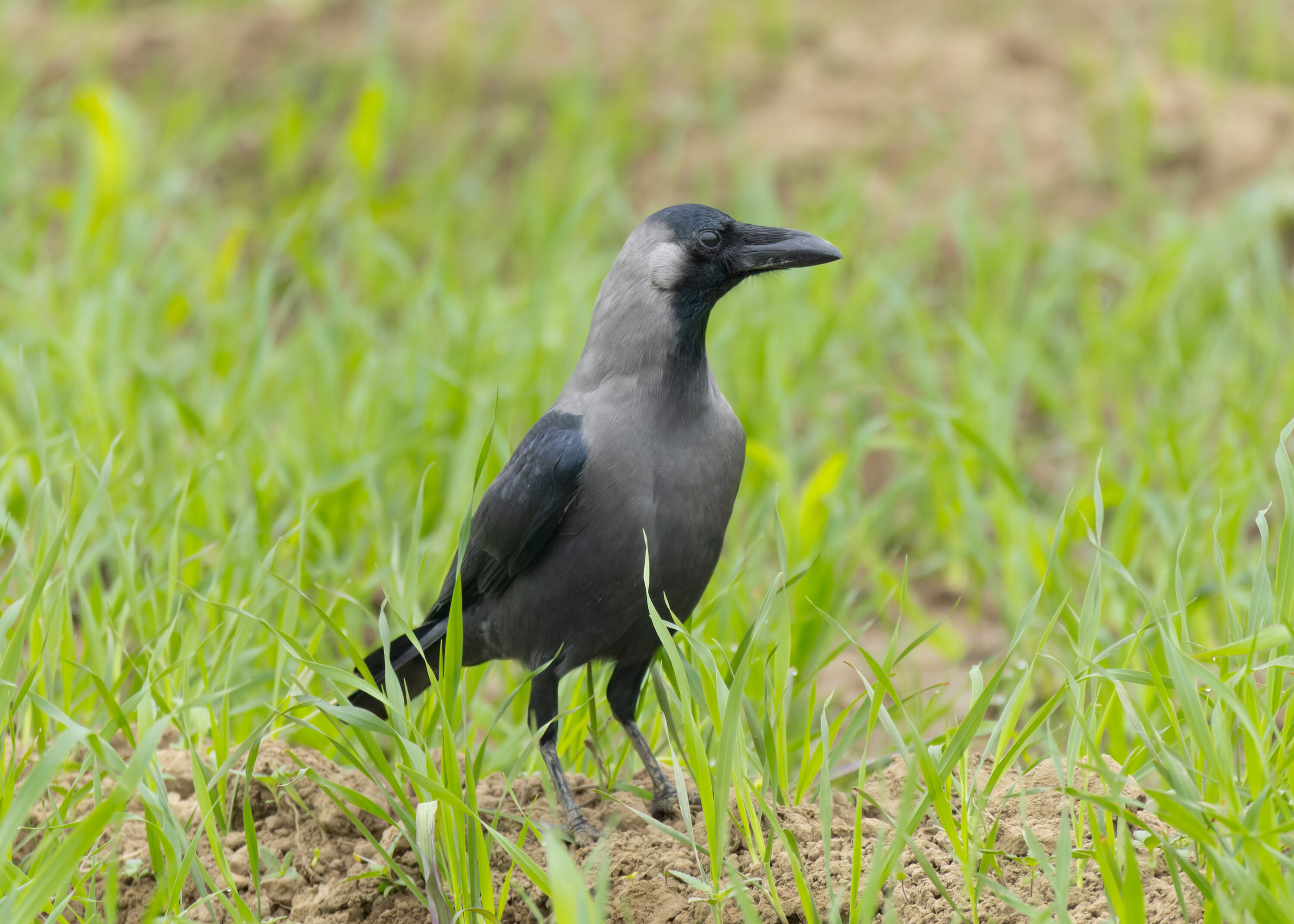
More House Crows Were Counted on Hotter Days in Jaipur
At five urban sites in Jaipur, daily totals ranged from 17 to 81 house crows, and about 22%…
Read story →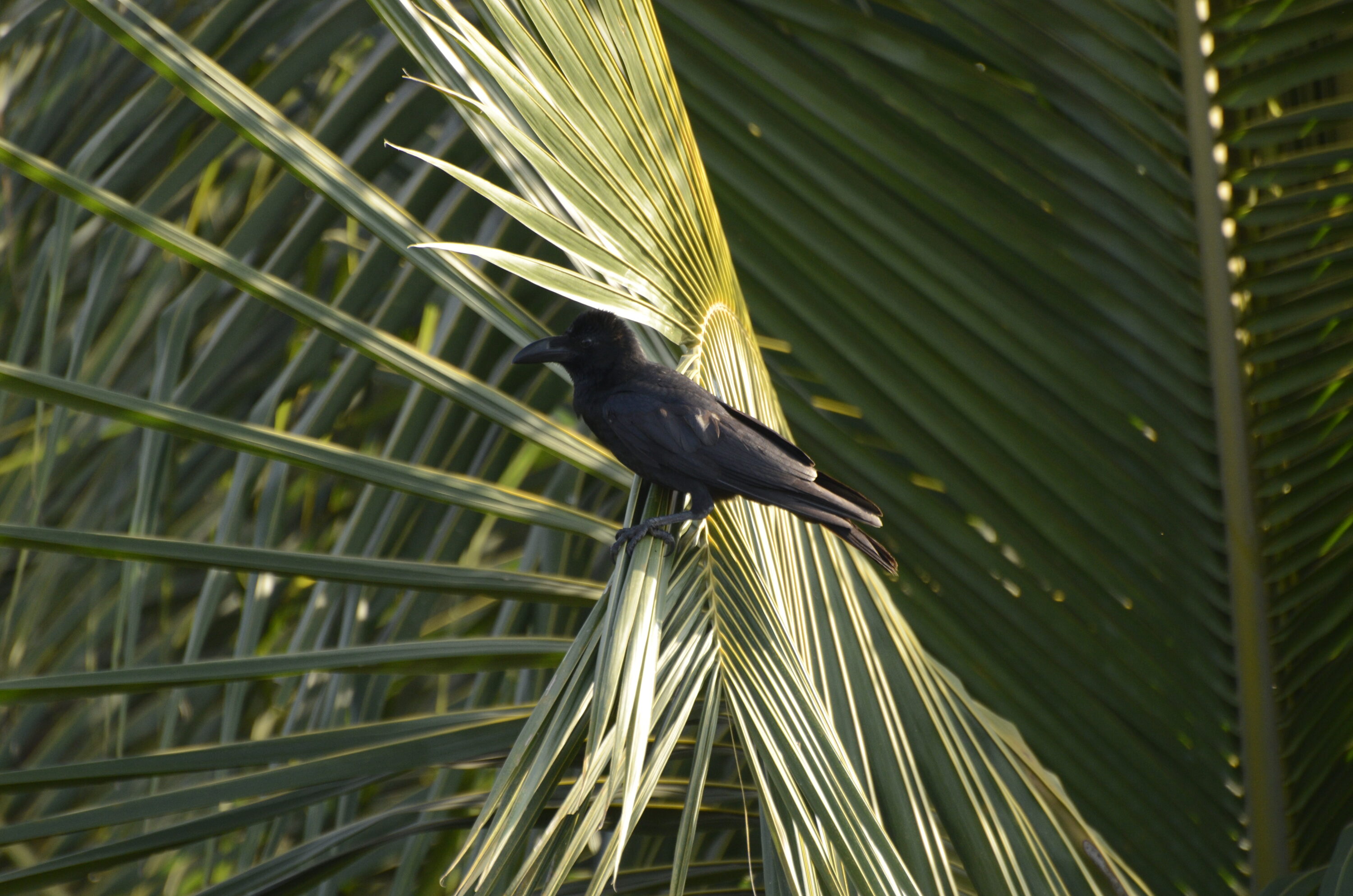
Two House Crows Began Anting After Watching a Large-billed Crow in Coonoor
In Coonoor, India, a Large-billed Crow rubbed yellow crazy ants through its plumage. Three House Crows arrived; one…
Read story →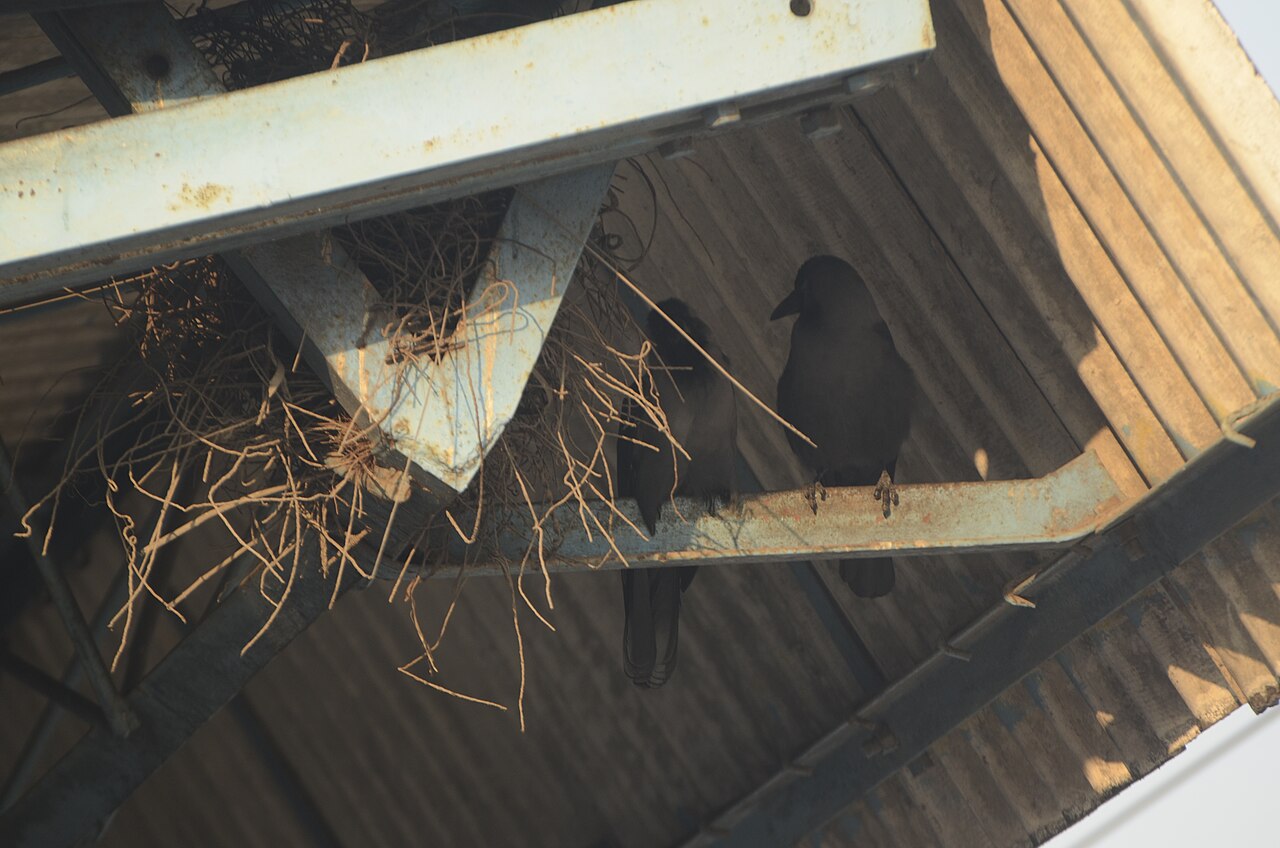
Singapore House Crows Kept Preferred Tree Species but Shifted Other Nest-site Choices
A 2026 comparison with a 2001 Singapore survey found that house crows still favoured the same main tree…
Read story →SPECIES IN THIS STORY
Species in this story
Independent research and conservation news archive
Did you find this information useful?
Wildlife Vagabond is independently built and maintained. Voluntary support helps cover source verification, hosting and continued work on research and conservation news.
Support Wildlife VagabondThe news archive will remain freely available.