
Study Recognised Seven African Vine Snake Species and Elevated oatesi to Full Species
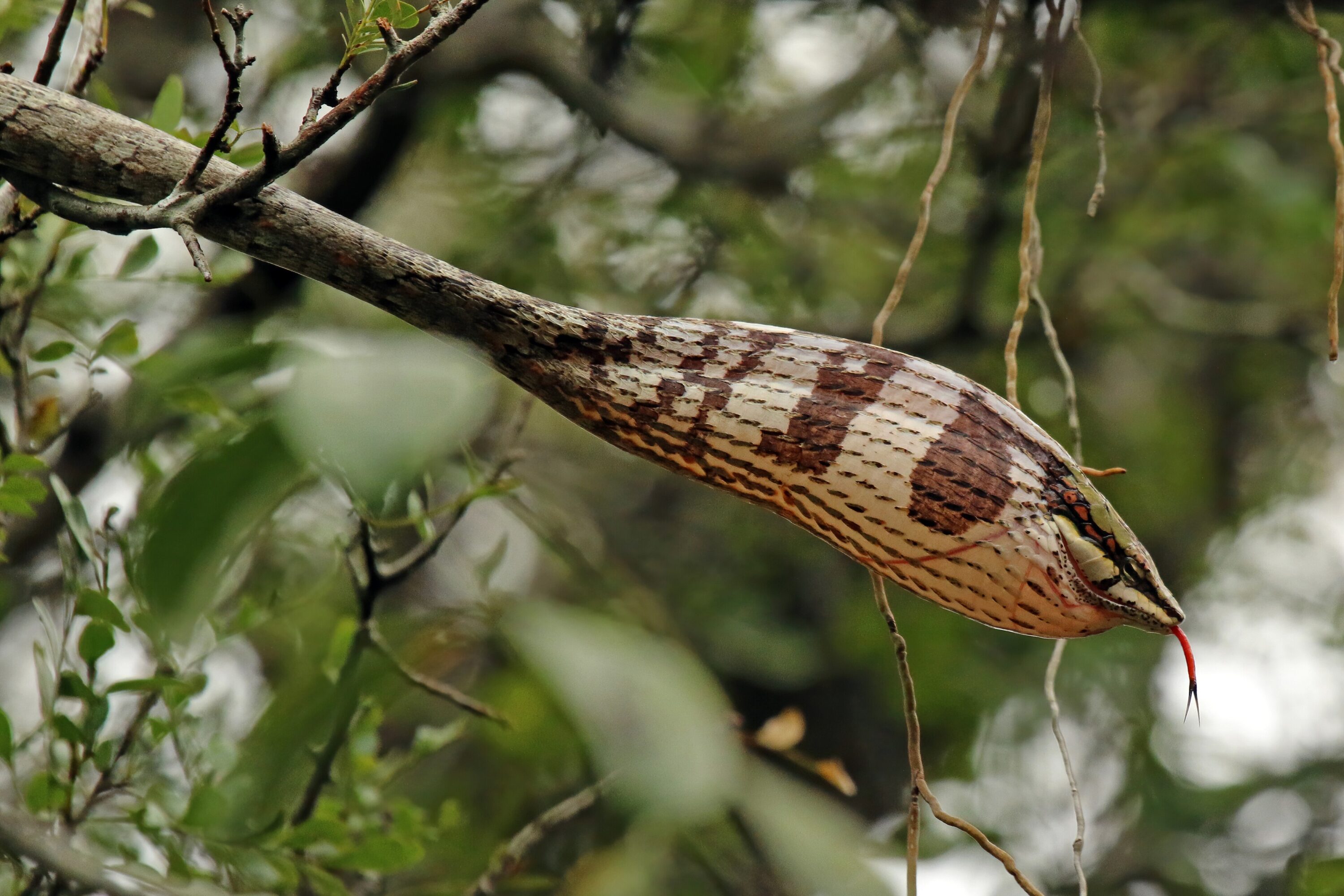
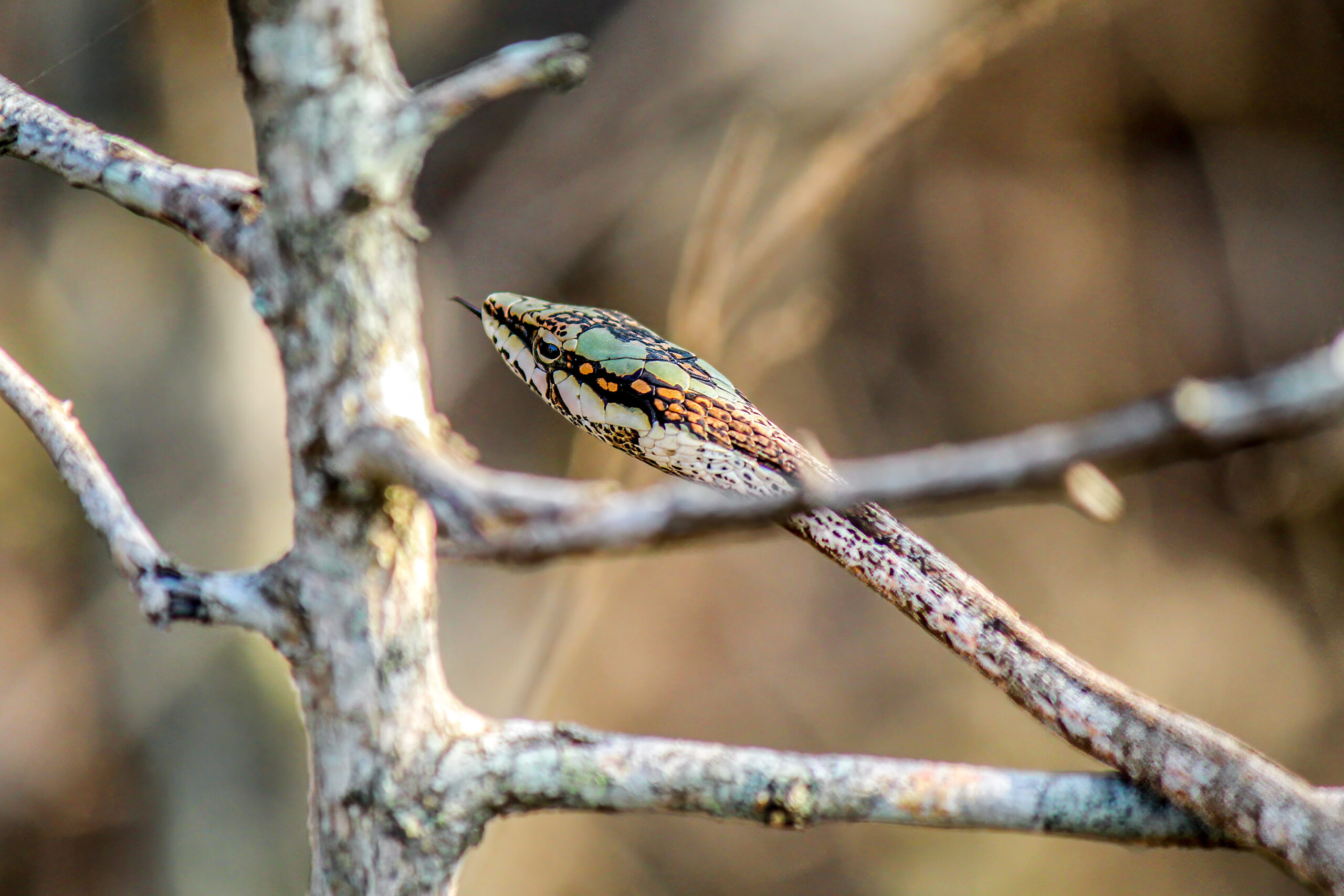
An integrative taxonomic study of African vine snakes formally recognised seven species in the genus Thelotornis. The study, first published on 1 March 2026, redefined the savanna vine snake (Thelotornis capensis) more narrowly and elevated the former subspecies Thelotornis capensis oatesi to full species as Thelotornis oatesi.
The researchers combined two mitochondrial and two nuclear genes with morphology, geography, habitat information and several independent species-delimitation approaches. Across these analyses, seven independently evolving lineages were recovered.
Seven Lineages Were Supported Across Different Analyses
The authors formally recognise T. kirtlandii, T. uluguruensis, T. usambaricus, an undescribed Thelotornis species from Vamizi Island, T. mossambicanus, T. capensis and T. oatesi. The seven lineages shared no mitochondrial haplotypes — characteristic combinations of mitochondrial DNA variants — and a separate clustering analysis that combined DNA, morphology, ecology and geography recovered the same seven groups.
oatesi Was Elevated and uluguruensis Moved Into Thelotornis
The former T. c. capensis and T. c. oatesi formed separate, well-supported lineages, leading the authors to recognise them at species rank as T. capensis and T. oatesi. The lineage leading to T. oatesi was estimated to have emerged about 0.67 million years ago.
The Tanzanian snake previously called Xyelodontophis uluguruensis was genetically nested within Thelotornis. The authors therefore transfer it to the genus as Thelotornis uluguruensis. A further lineage from Vamizi Island in Mozambique was consistently distinct but remains undescribed.
The broader analysis dates the origin of Thelotornis to about 16.6 million years ago, with diversification within the genus beginning around 8.3 million years ago. The authors interpret the radiation in the context of historical changes in African forests and savannas.
Evolution & taxonomy
Related news
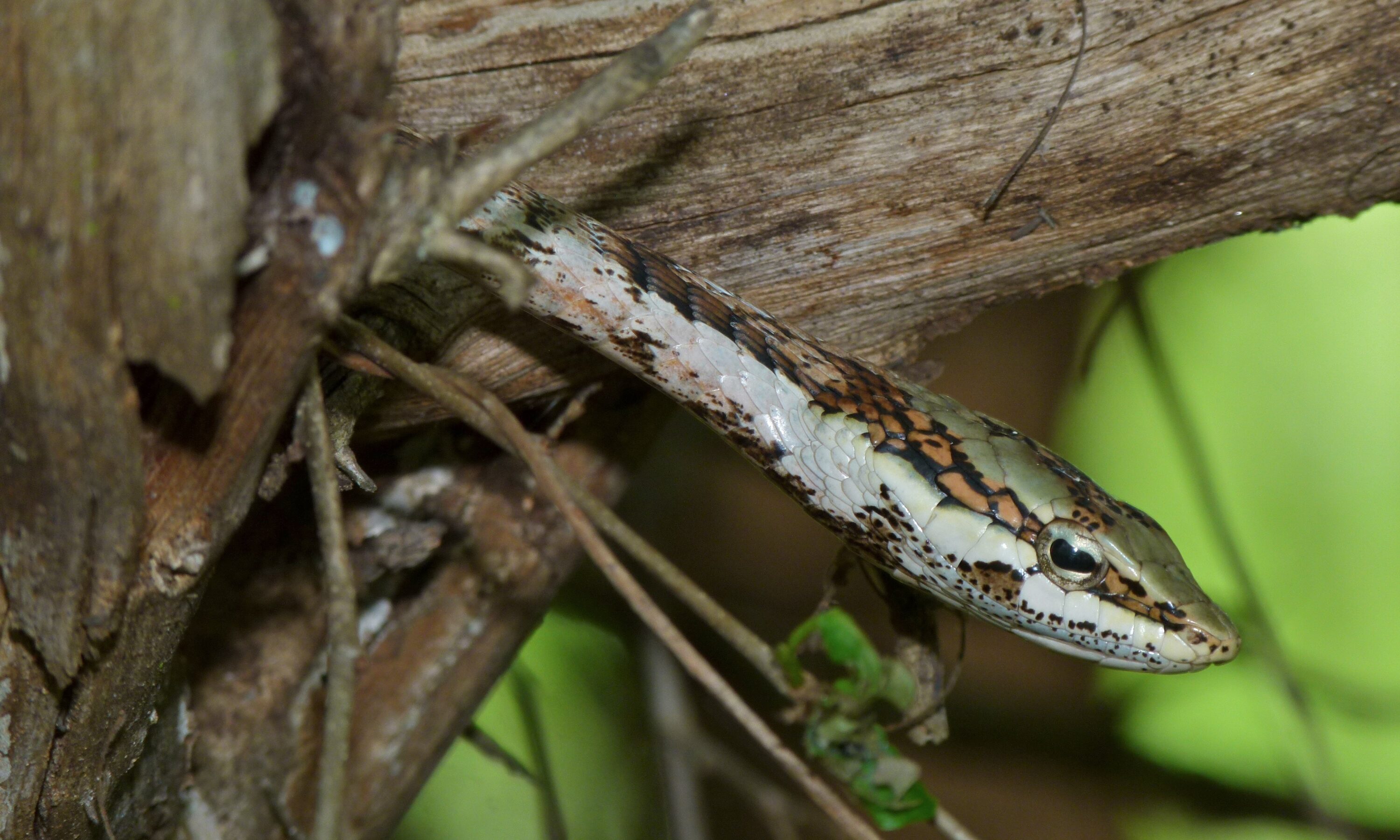
Blood Failed to Clot 28 Minutes After a Documented Savanna Vine Snake Bite
A 2026 case report documented a savanna vine snake bite in South Africa in which a blood sample…
Read story →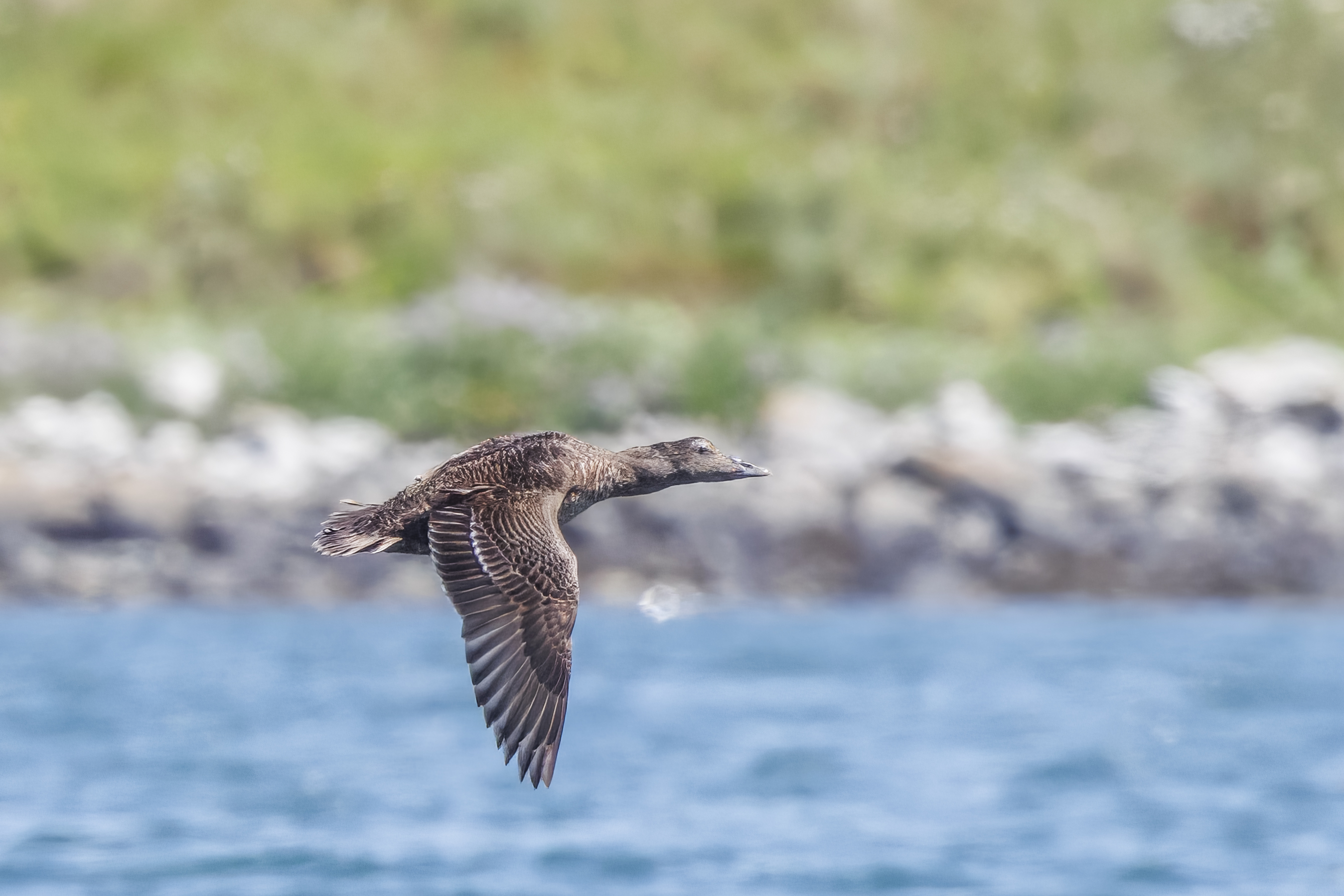
A tapeworm’s life cycle links Arctic sea ducks and barnacles
DNA evidence connects larval Fimbriarioides intermedia in barnacles with adult worms in eiders. Samples from four northern seas…
Read story →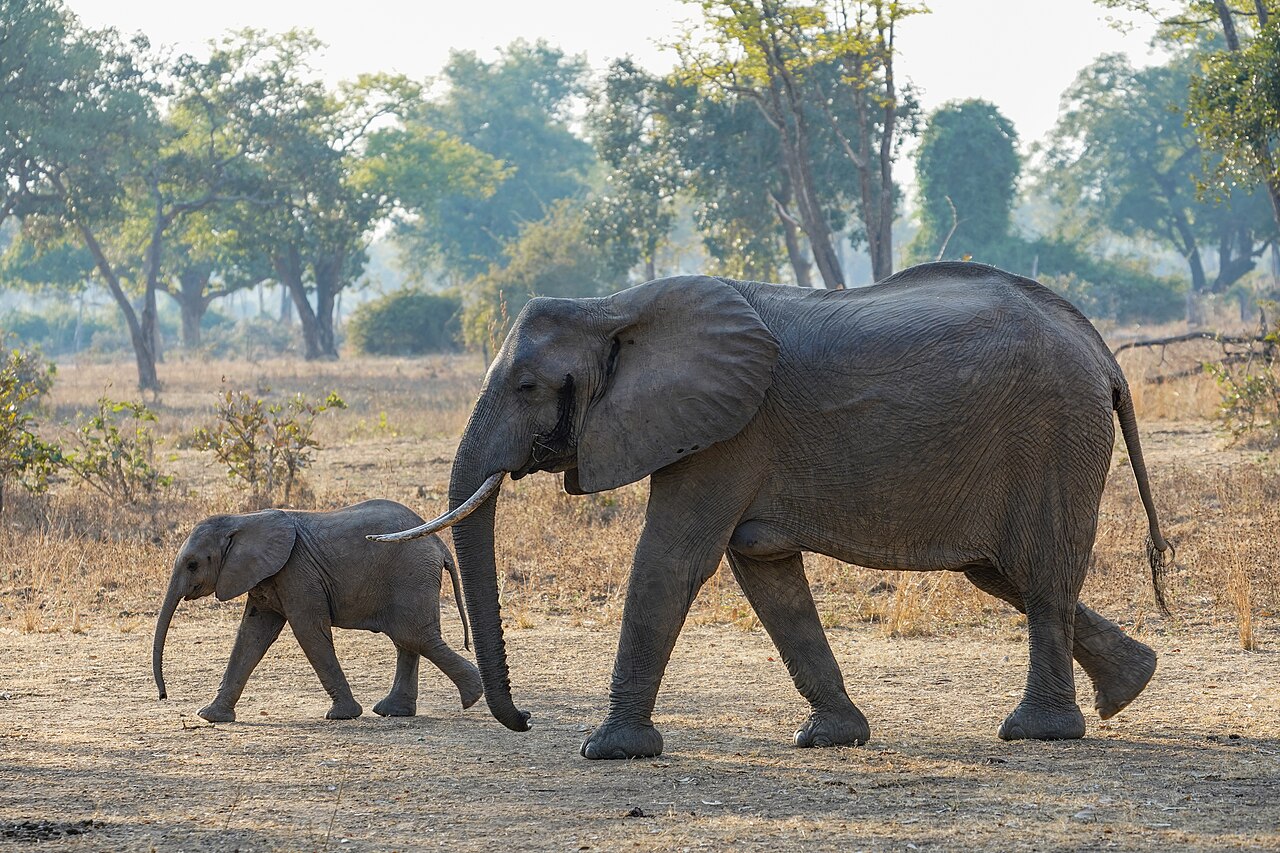
An ancient viral gene may have been repurposed in elephant placenta
An ancient viral gene that appears to have been inherited for at least 79 million years is strongly…
Read story →SPECIES IN THIS STORY
Species in this story
Independent research and conservation news archive
Did you find this information useful?
Wildlife Vagabond is independently built and maintained. Voluntary support helps cover source verification, hosting and continued work on research and conservation news.
Support Wildlife VagabondThe news archive will remain freely available.