
Foxes bred for tameness had fewer estrogen-receptor neurons in a hypothalamic region
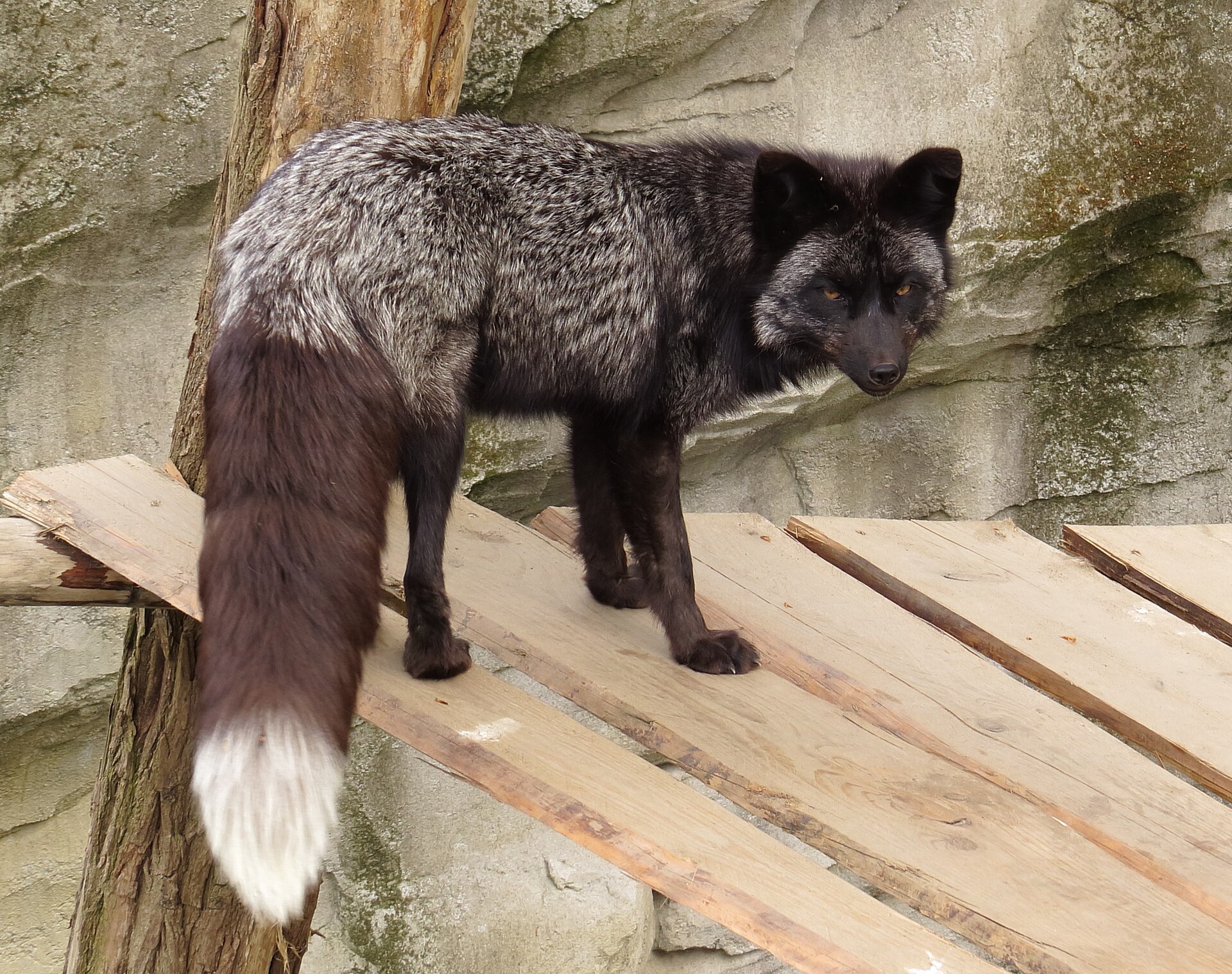
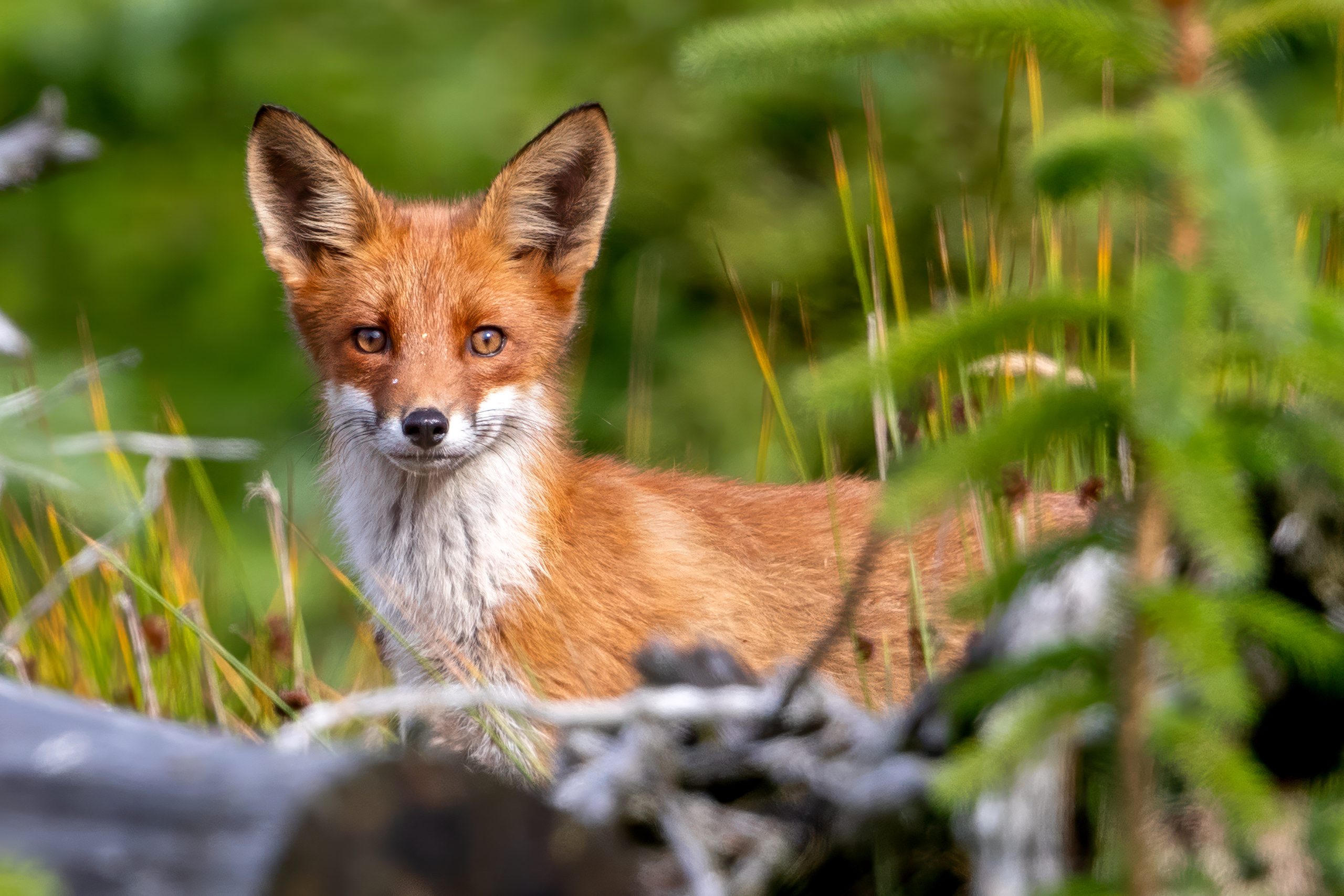
Silver foxes are a colour form of the Red Fox (Vulpes vulpes). In Russia, foxes have been selectively bred for contrasting social behaviours, including tameness and aggression. The tame line became notably friendlier toward people after only six generations of selection. Researchers asked whether these breeding lines also differed in the cell types found in the hypothalamus, a brain region involved in behaviours including aggression and other social responses.
They examined preserved brains from nine foxes: three bred for tameness, three bred for aggression and three from a wild line. Fluorescent RNA labels helped identify different cell types. The clearest reported difference was in the ventrolateral subdivision of the ventromedial hypothalamus, known as the VMHvl. Tame-bred foxes had fewer neurons expressing estrogen receptors there than aggressive-bred foxes. These receptors allow cells to respond to estrogen.
The cell subtype is of interest because, in mice, activating some estrogen-receptor-expressing neurons in the hypothalamus can trigger attacks. That mouse finding does not establish that the cells have the same role in foxes. The fox study identifies a specific difference in brain-cell composition associated with selection for social behaviour; it does not show whether that difference contributes to tameness or arose alongside it.
Behaviour
Related news
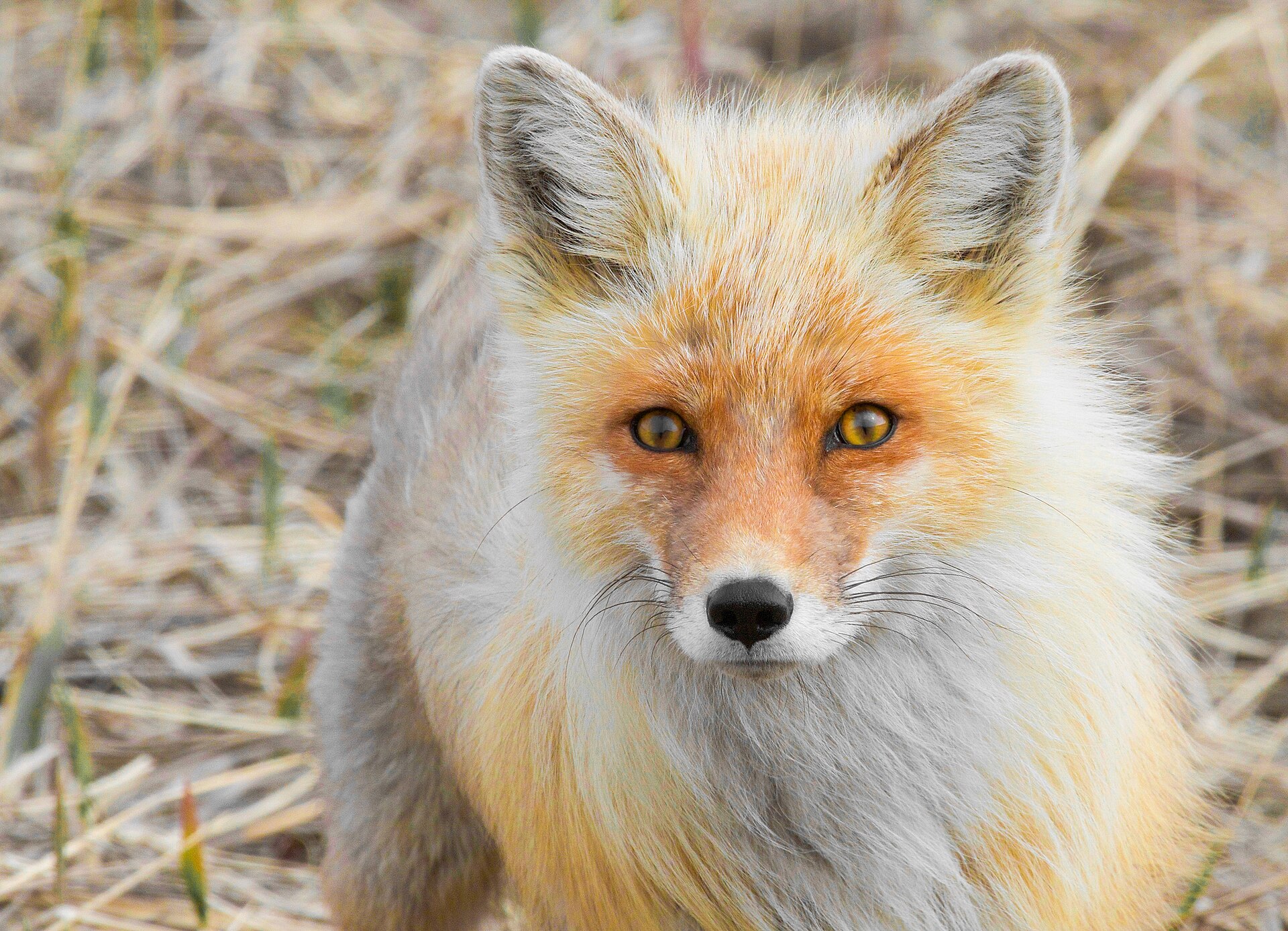
Rodents Were the Most Frequent Food Remains in Red Fox Scats from Kashmir
An autumn survey of 33 red fox scats from Limber Wildlife Sanctuary found rodent traces more often than…
Read story →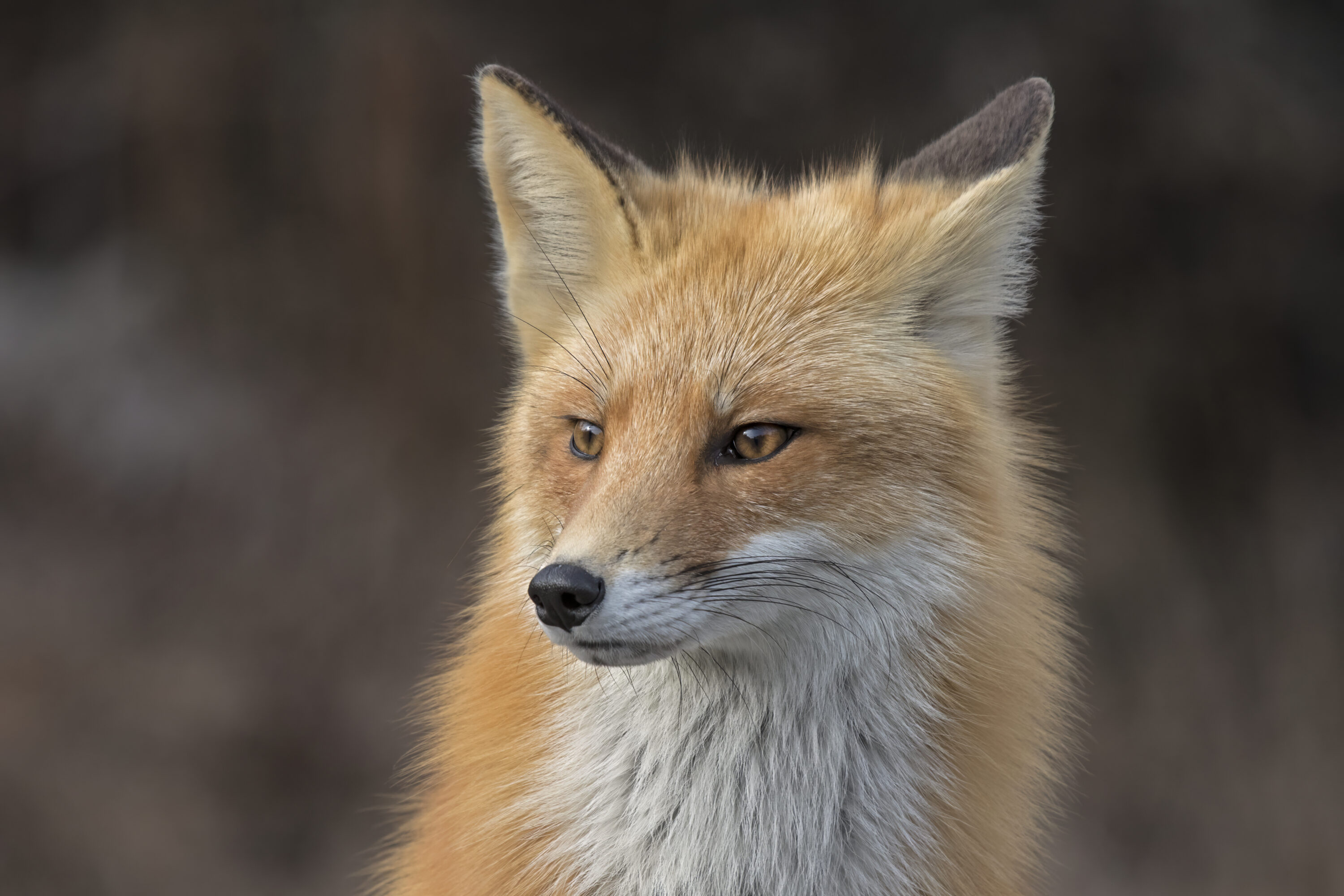
Canine distemper virus found in foxes and badgers in northern Italy
Researchers detected canine distemper virus in six red foxes and six European badgers among 43 wild carnivores examined…
Read story →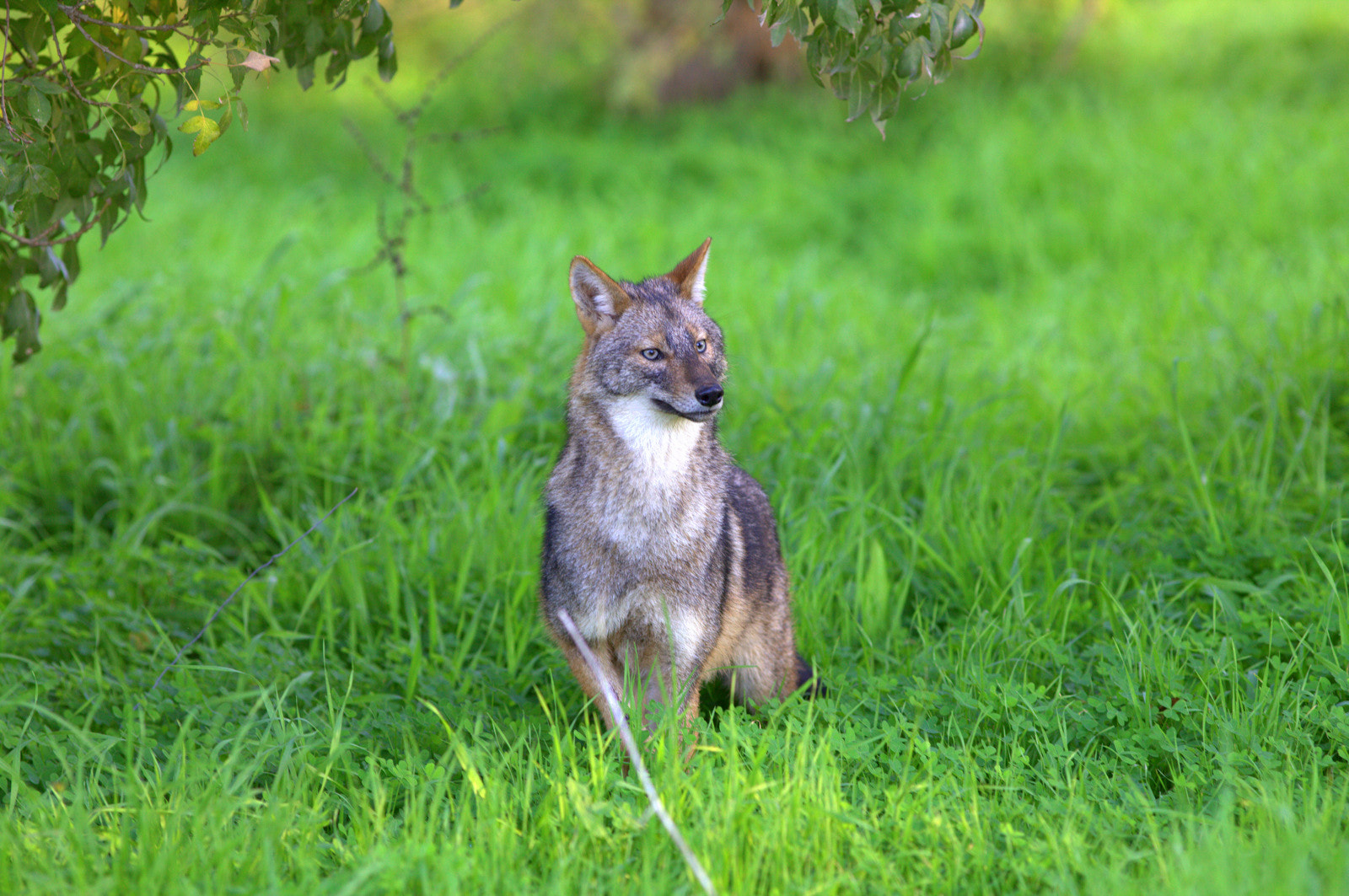
Similar Mammal Diversity, Different Activity Patterns in Grazed and Ungrazed Areas
Camera traps in four northern Israeli reserves found similar numbers of mammal species with and without livestock grazing.…
Read story →SPECIES IN THIS STORY
Species in this story
Independent research and conservation news archive
Did you find this information useful?
Wildlife Vagabond is independently built and maintained. Voluntary support helps cover source verification, hosting and continued work on research and conservation news.
Support Wildlife VagabondThe news archive will remain freely available.