
First Albinism-Like Pigment Aberration in a Rhesus Macaque Documented in Assam’s Brahmaputra Valley
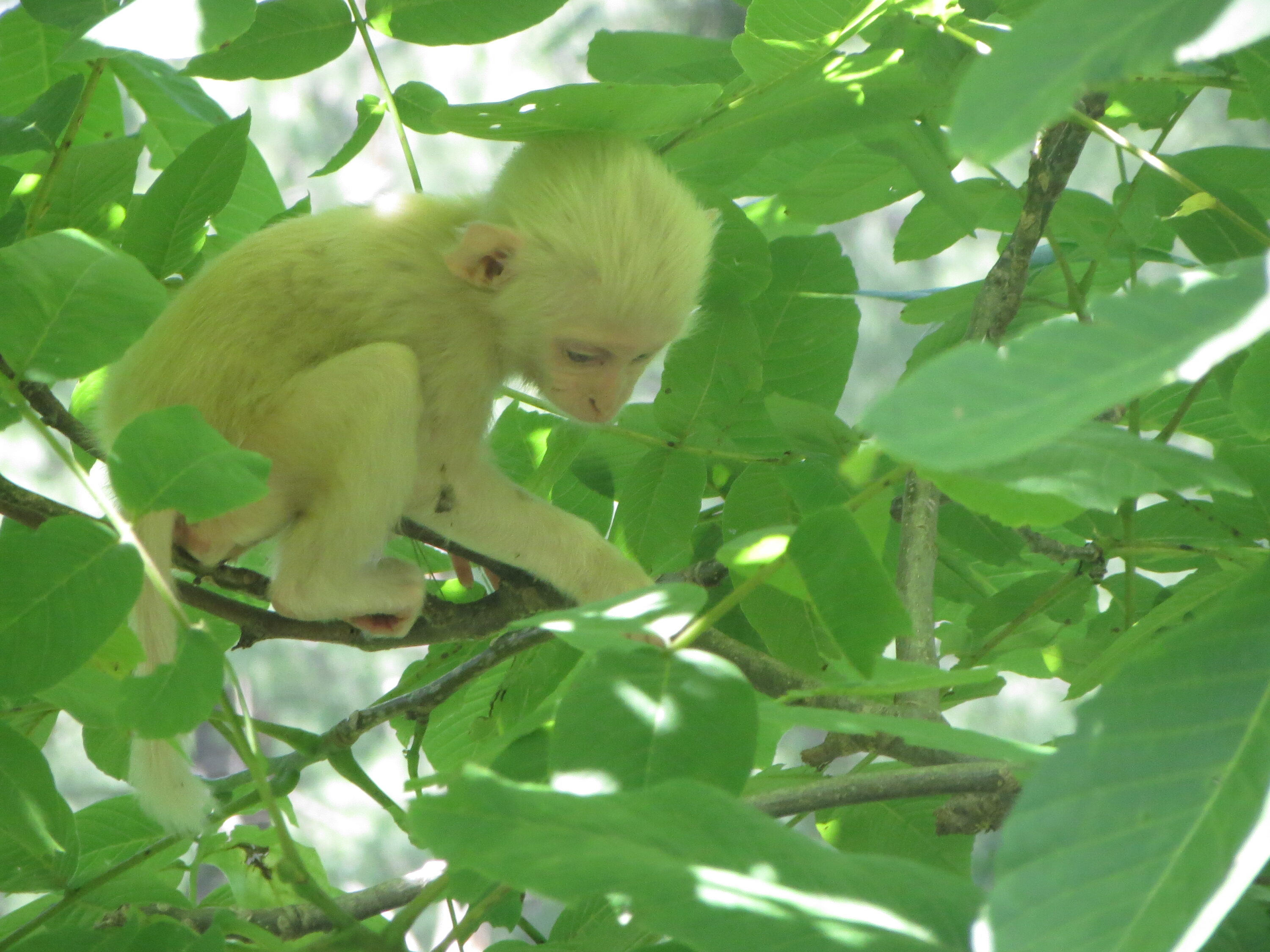
A juvenile male rhesus macaque (Macaca mulatta) with an unusual pigment aberration was documented on 23 November 2024 at Koroioni village in Assam’s Nagaon district. The animal had a uniformly pale cream-coloured coat and bluish eyes and stood out clearly from normally pigmented members of its troop.
The phenotype was albinism-like, but not genetically diagnosed
The authors stop short of describing the macaque as a classic complete albino. Its cream-coloured coat and bluish eyes did not match the complete loss of pigmentation and red or pinkish eyes usually associated with complete albinism.
They suggest that the phenotype could be consistent with a form of oculocutaneous albinism and mention SLC45A2, a gene involved in melanin biology and associated in humans with oculocutaneous albinism type 4. No genetic analysis was performed on the macaque, so this remains a hypothesis based on appearance rather than a demonstrated diagnosis.
Adult males chased and attacked the juvenile
The short communication also records unusual social interactions. Adult males were observed chasing and attacking the juvenile, which had visible scratches and bite marks. The paper notes that the aggression may have followed a separation from its mother; the authors also suggest that its conspicuous colour may have contributed to the response. Neither explanation was tested.
Local residents intervened to prevent further injury, and the juvenile was later returned to its natural habitat in stable condition.
The novelty claim applies specifically to the Brahmaputra Valley
The observation is not the first report of an albino or similarly colour-aberrant rhesus macaque in India or even in Assam. The authors’ claim is narrower: they knew of no previous published record from the Brahmaputra Valley.
The value of the report therefore lies in documenting the phenotype, exact locality and associated behaviour. The genetic cause of the pigmentation and any direct link between colour and aggression remain unresolved.
Anatomy & morphology
Related news
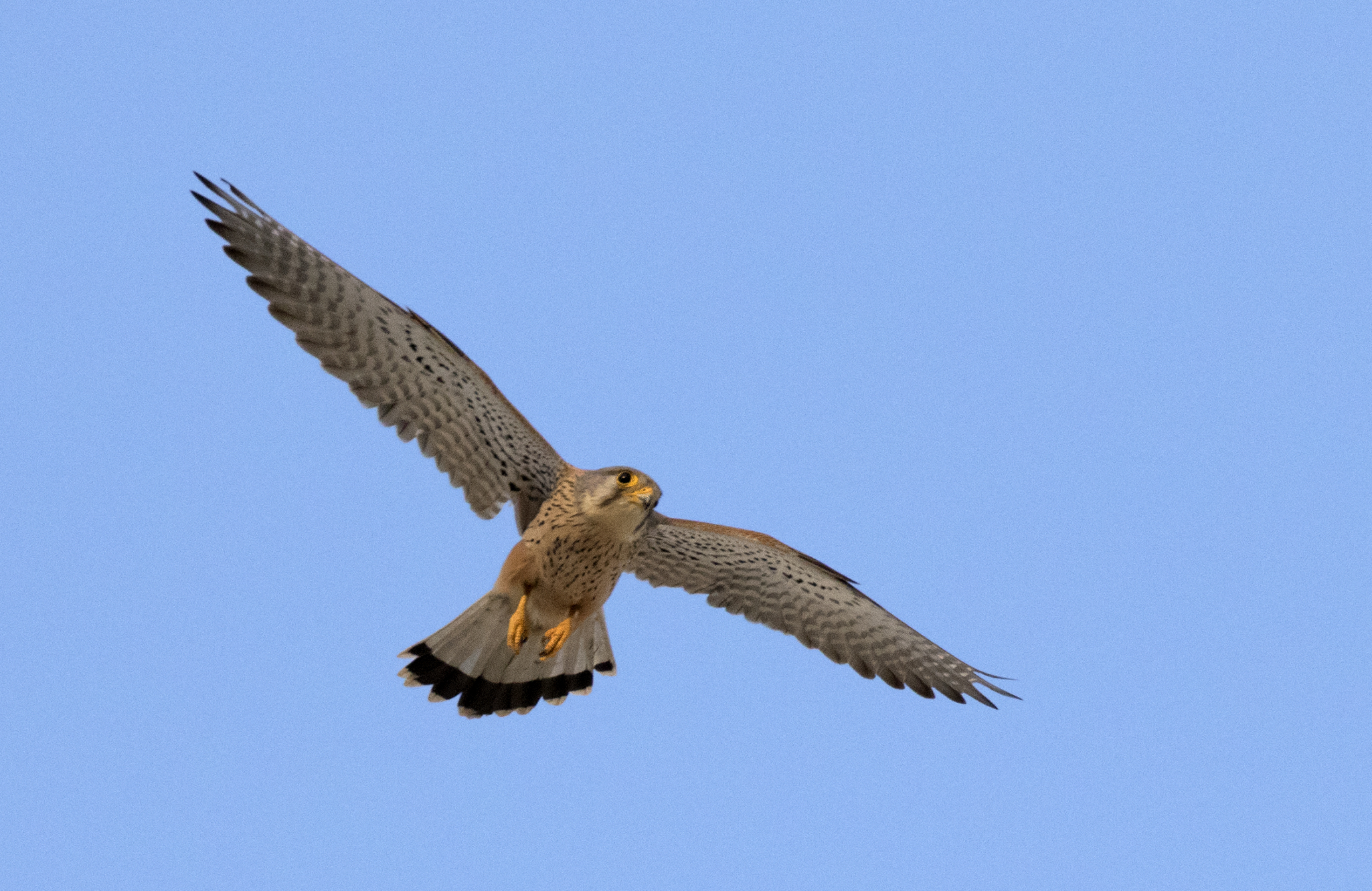
Common Kestrels Had About Twice the Tracheal Mucous-Gland Density of White Storks
A comparative study of three adult males from each of three bird species found 11.32 tracheal mucous glands…
Read story →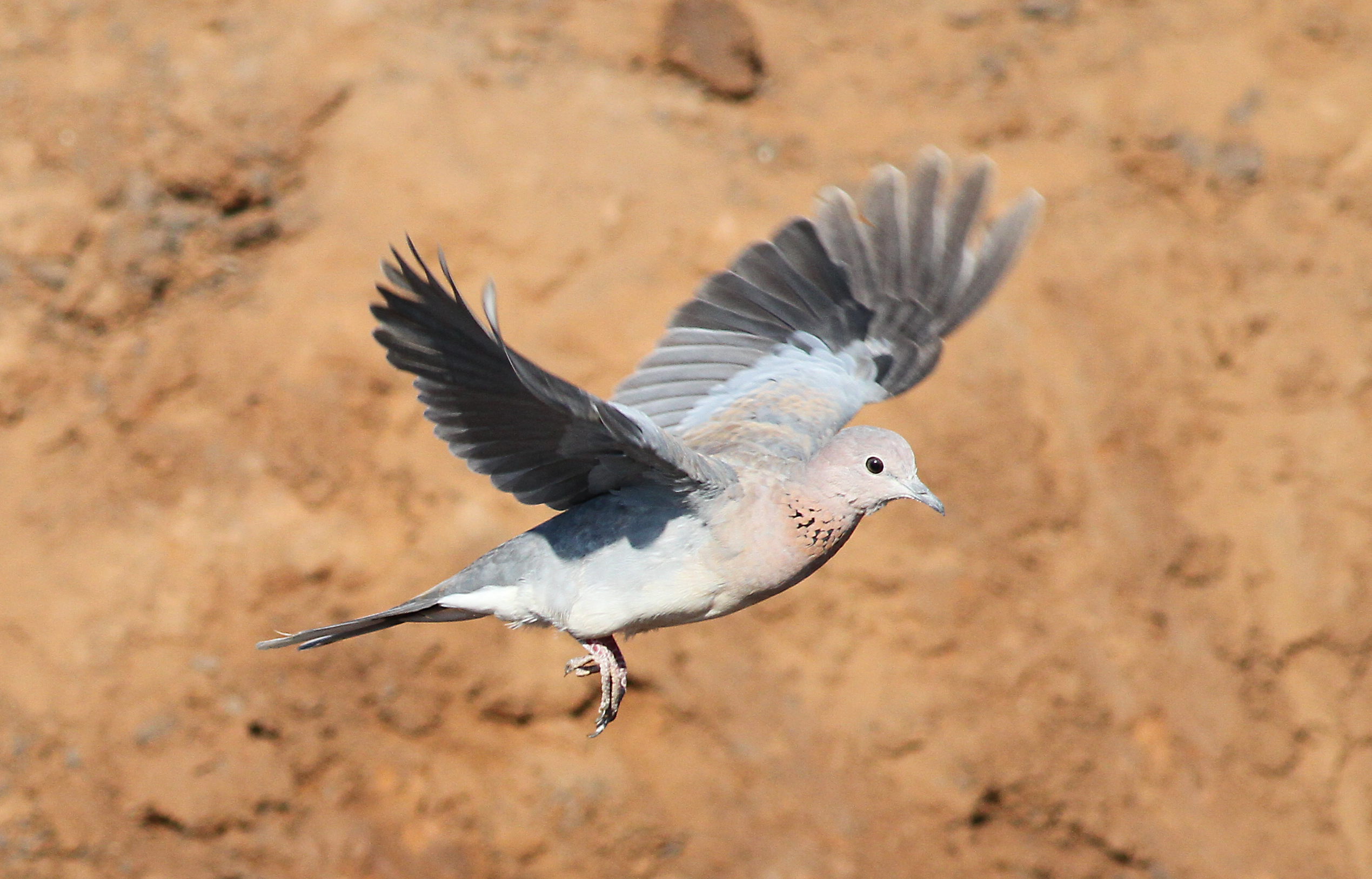
Laughing Dove Eye Pecten Mapped From 12–13 Pleats to Cell Markers
Researchers mapped the pecten oculi, a vascular structure unique to bird eyes, in the laughing dove. Its 12–13…
Read story →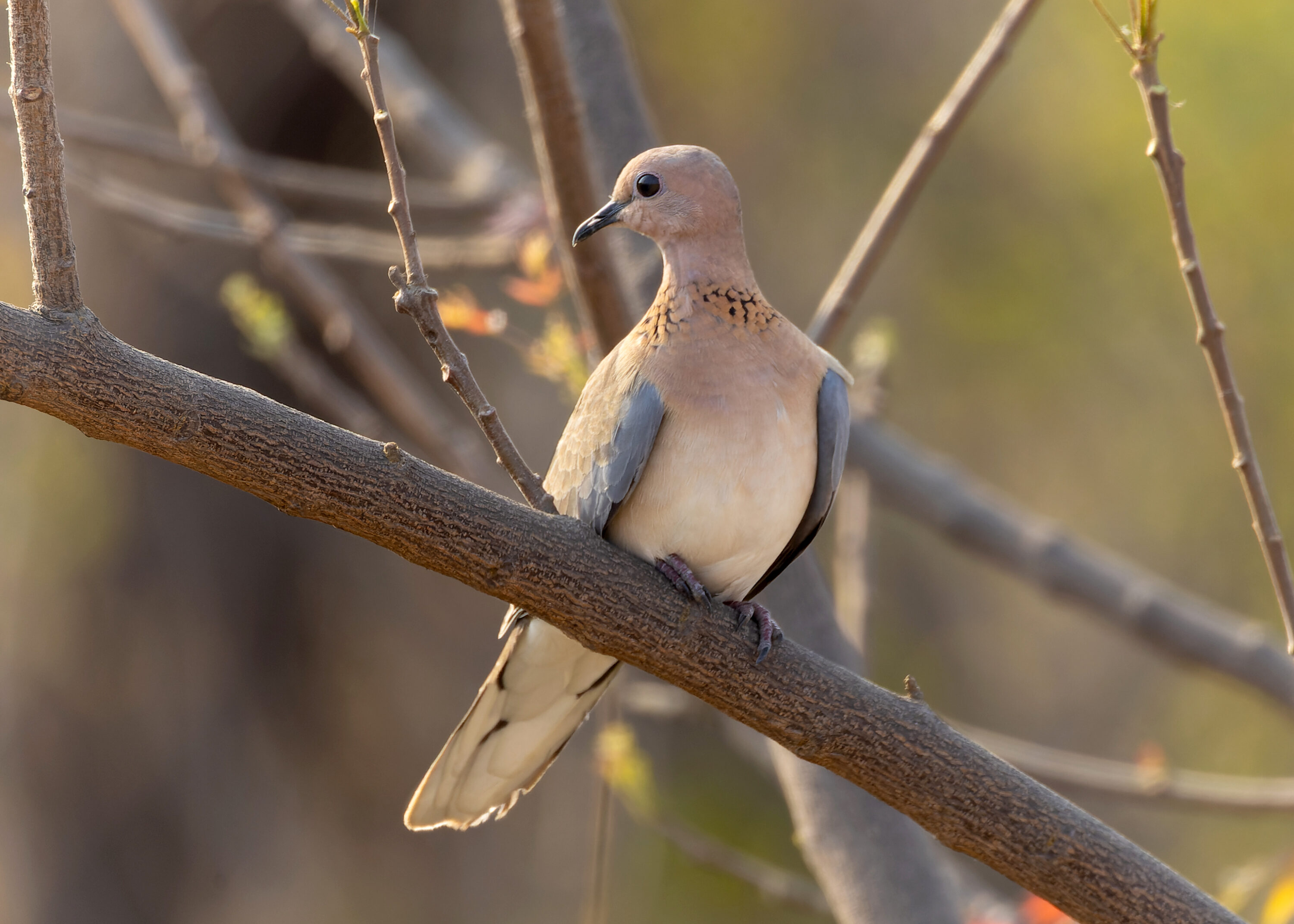
Progressive Greying Recorded in a Laughing Dove in Asia for the First Time
An adult laughing dove photographed in Karnataka, India, had localised white feathers on the head and shoulder region.…
Read story →SPECIES IN THIS STORY
Species in this story
Independent research and conservation news archive
Did you find this information useful?
Wildlife Vagabond is independently built and maintained. Voluntary support helps cover source verification, hosting and continued work on research and conservation news.
Support Wildlife VagabondThe news archive will remain freely available.