
Researchers Observed About 520 Cooper’s Hawks in an Albuquerque Study Area in 2025
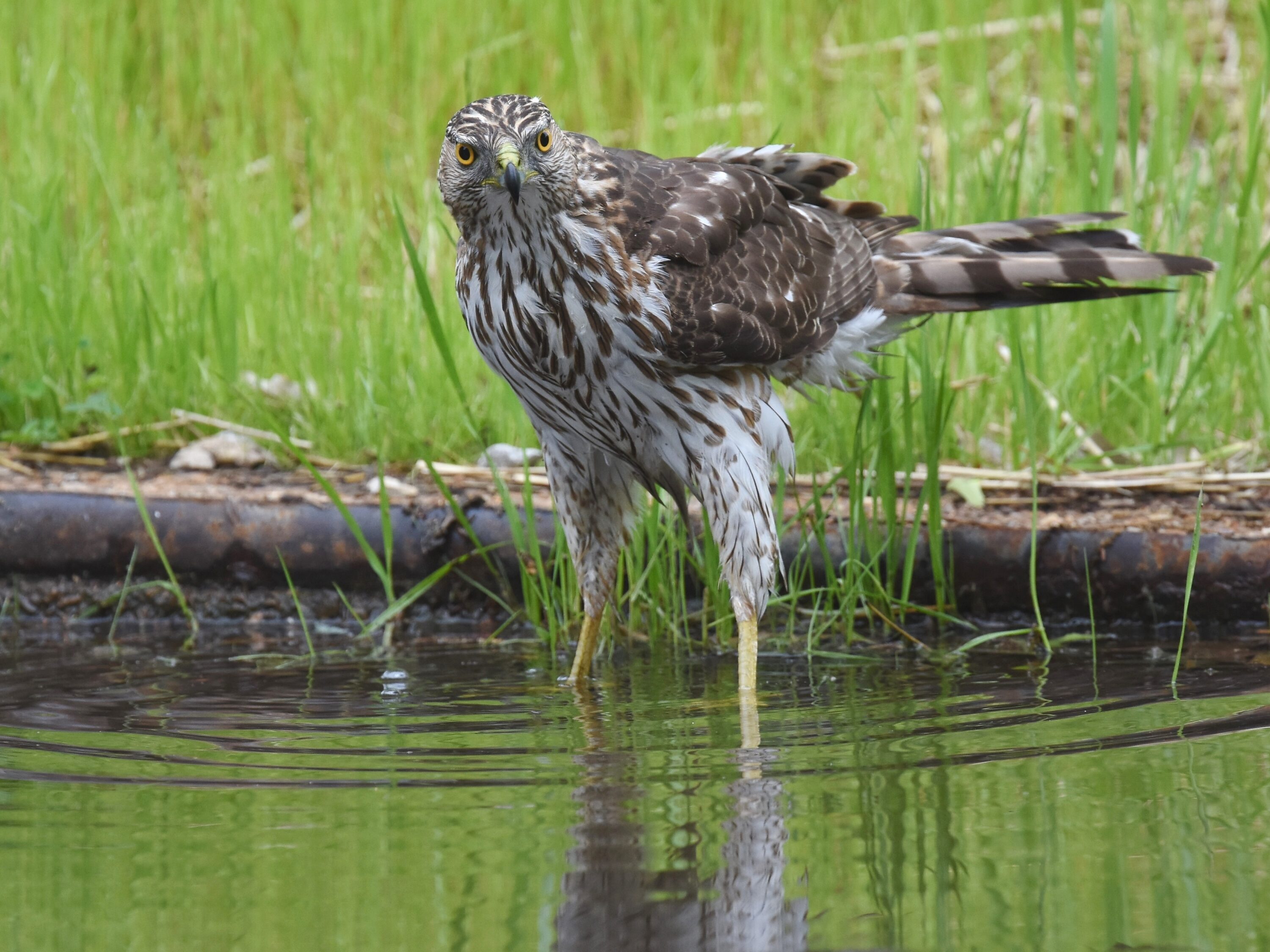
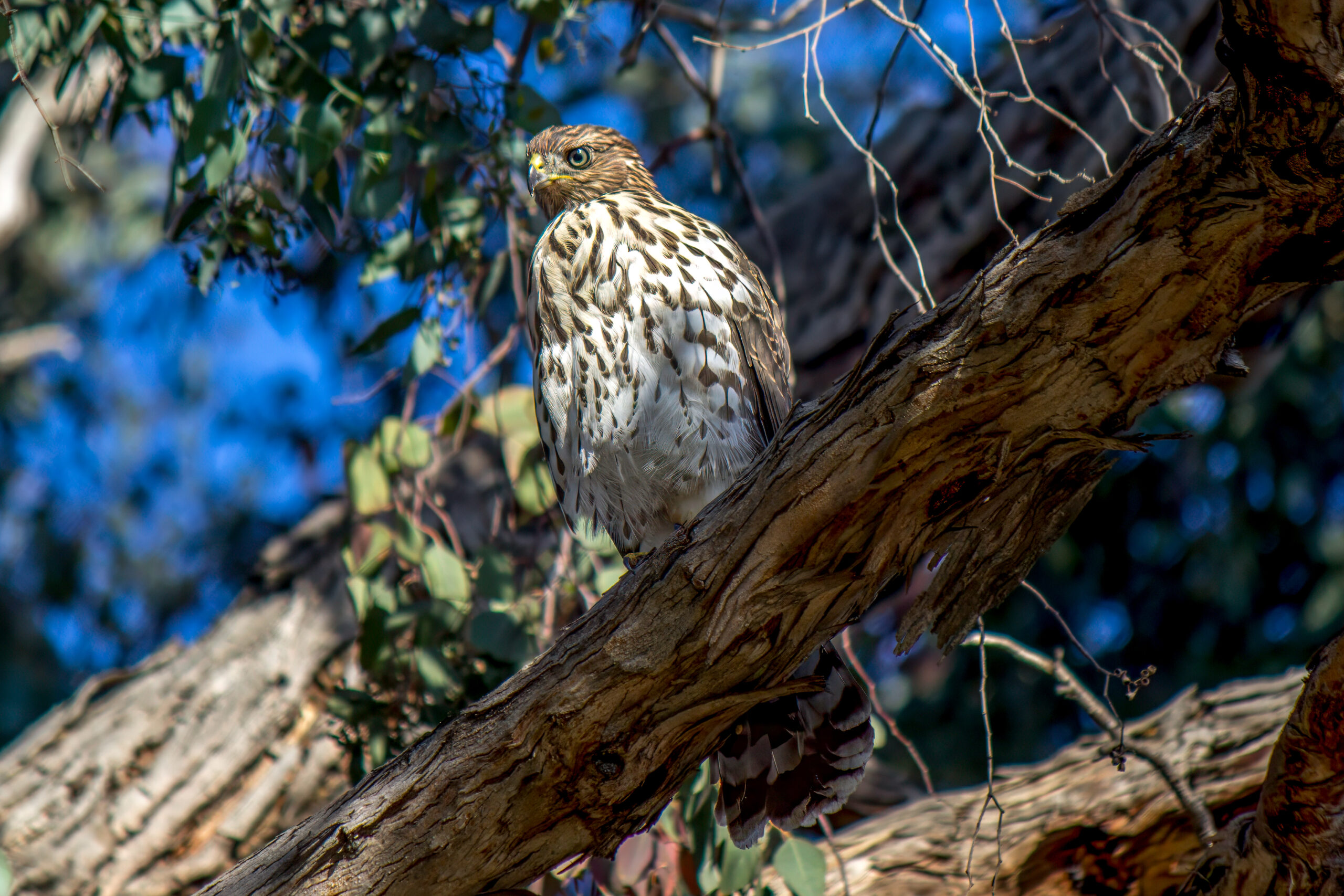
A long-running urban study in Albuquerque, New Mexico, USA, recorded about 520 Cooper’s hawks (Astur cooperii) in its study area in 2025, including 208 adults and 312 young produced. The U.S. Fish and Wildlife Service published the new project update on 10 April 2026.
Urban Cooper’s hawks have been followed since 2011
Researchers have followed Cooper’s hawks in a 28-square-mile (72 km²) area of northeastern Albuquerque since 2011. The project combines banding with GPS transmitters, allowing individuals to be followed over time and helping researchers recover tagged birds quickly when a transmitter indicates that an animal has died.
The 2026 update confirms that monitoring is continuing and gives the current size of the observed study population. The figure of about 520 birds describes the Albuquerque study area in 2025; it is not a census of Cooper’s hawks across the city, New Mexico or the species’ wider range.
The mortality figures come from earlier research
The Fish and Wildlife Service also summarises results from a peer-reviewed mortality study published in 2024. Among 88 tagged female hawks recovered after death, 59 deaths were classified as human-caused. Collisions were the largest category, affecting 37 birds, while eight were intentionally killed. These figures provide background for the continuing monitoring programme rather than new mortality data collected in 2026.
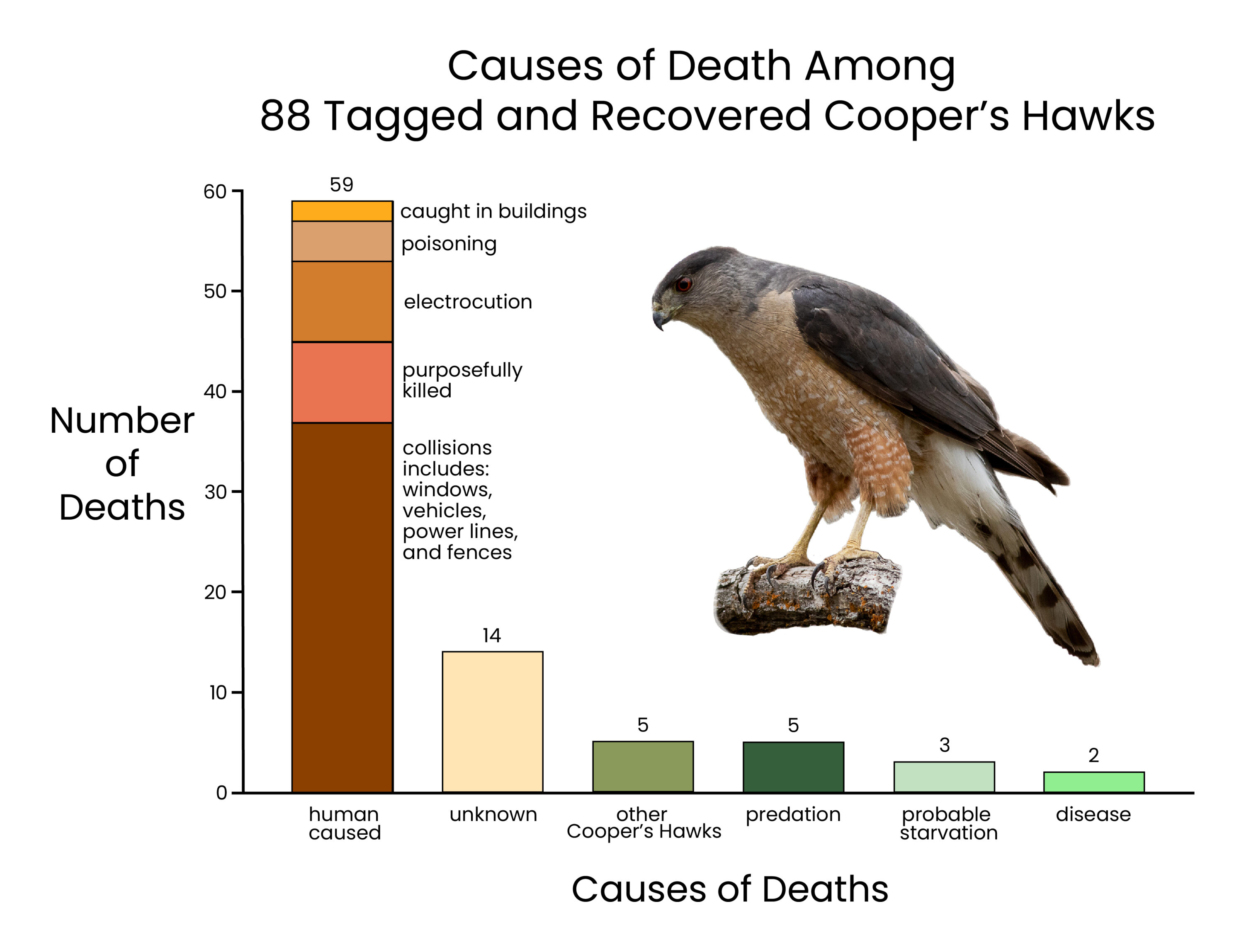
The long-term project continues to combine tracking, carcass recovery and demographic monitoring to examine survival in an urban raptor population. The April 2026 update therefore adds a new annual population snapshot while retaining the previously published mortality results as context for the hazards the birds face.
Population & status
Related news
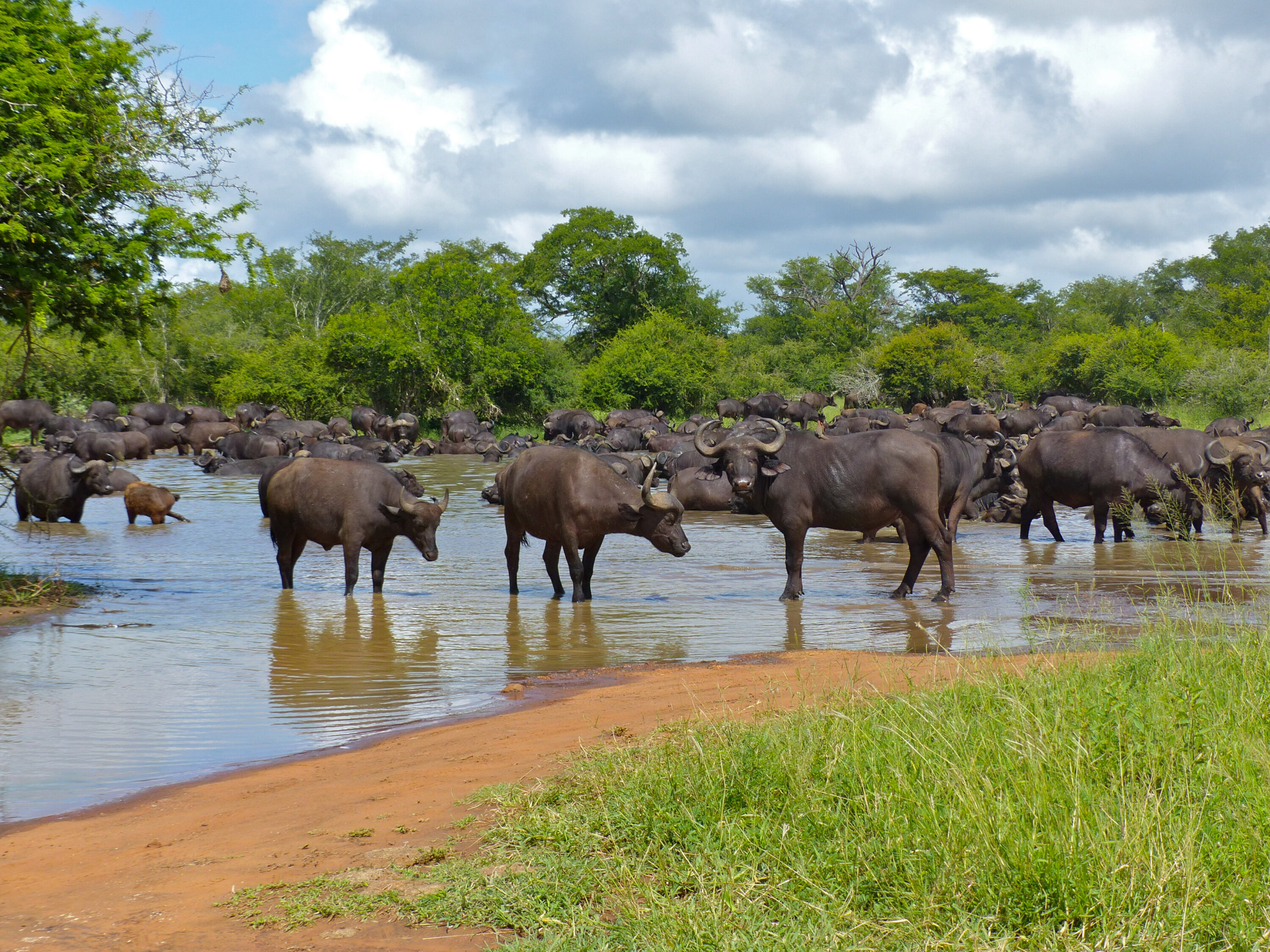
African Buffalo Herds Concentrated in Wetlands and Forest During Gambella's Dry Season
A two-year study in Ethiopia's Gambella National Park found similar but uncertain buffalo abundance estimates in 2022 and…
Read story →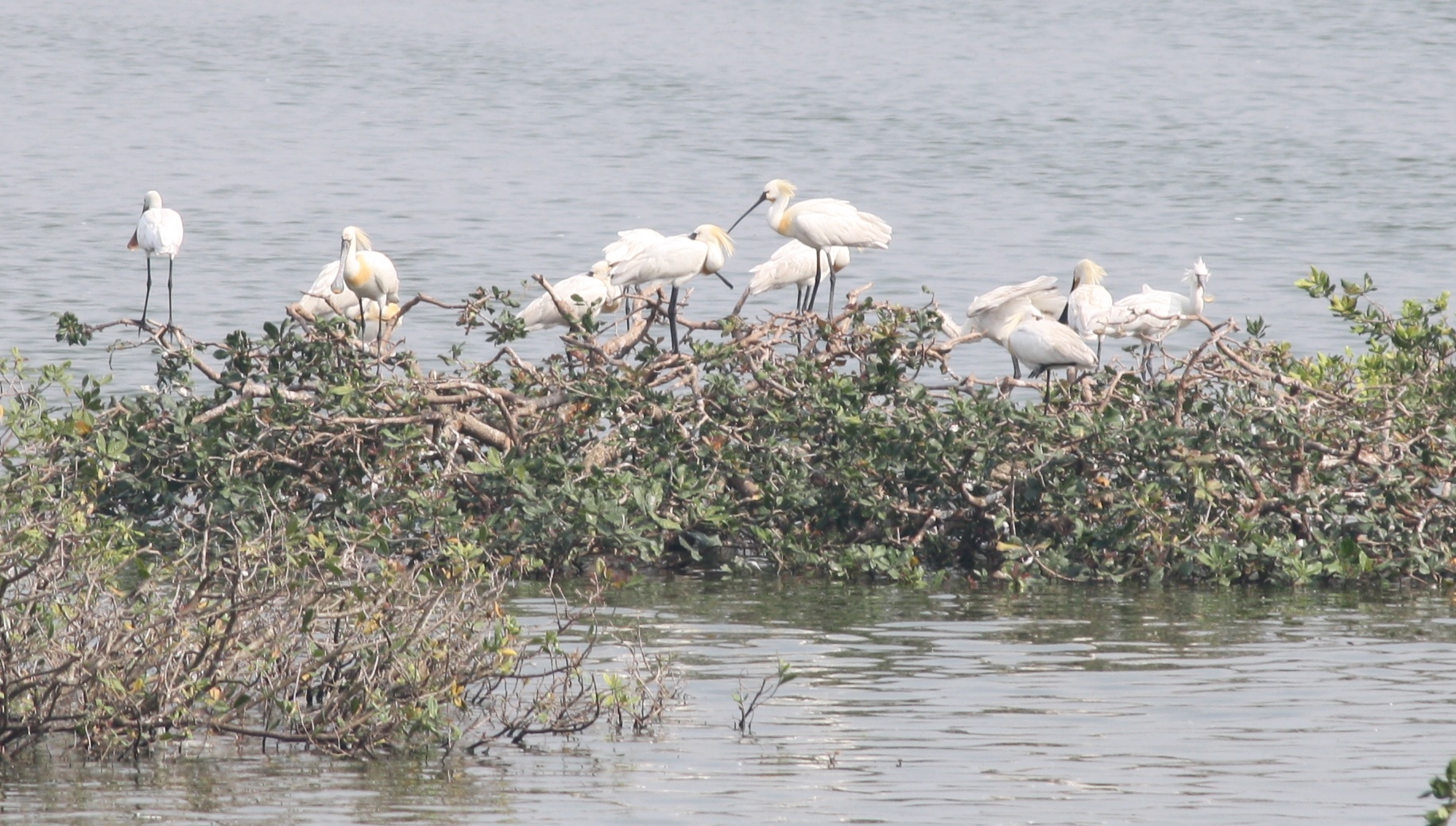
Therthangal Spoonbill Colony Returned to 12 Active Nests After Complete Breeding Failure
Six breeding seasons at Therthangal Bird Sanctuary in Tamil Nadu ranged from 12 active Eurasian Spoonbill nests in…
Read story →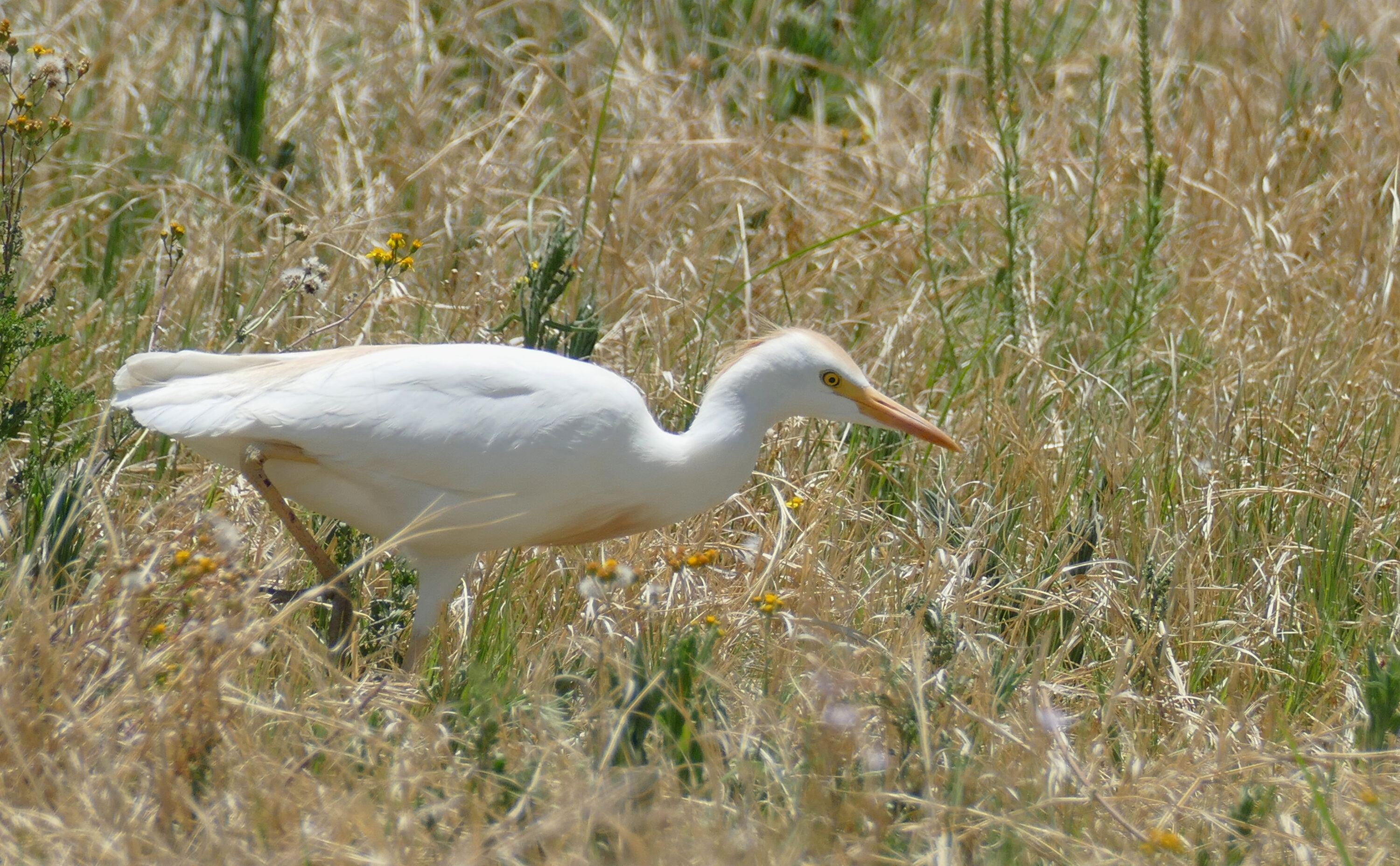
Cattle Egret Reporting Rate Rose From 0.38 to 0.60 in Southern African Atlas Data
A systematic review of 173 studies found generally stable or increasing cattle egret populations in the better-studied parts…
Read story →SPECIES IN THIS STORY
Species in this story
Independent research and conservation news archive
Did you find this information useful?
Wildlife Vagabond is independently built and maintained. Voluntary support helps cover source verification, hosting and continued work on research and conservation news.
Support Wildlife VagabondThe news archive will remain freely available.