
Cooper’s Hawks Laid Larger Clutches, but Six-Egg Clutches Lost a Greater Share
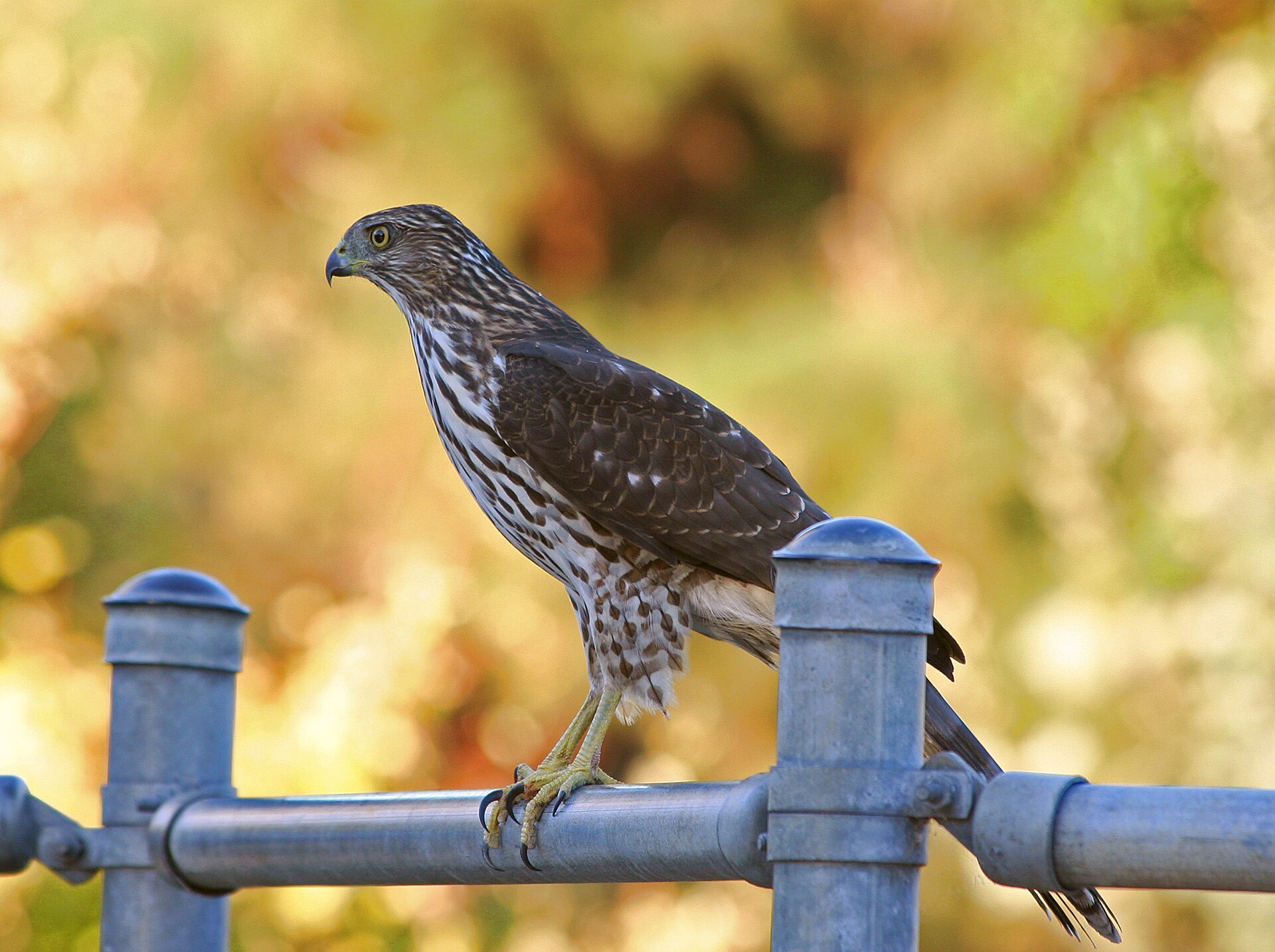
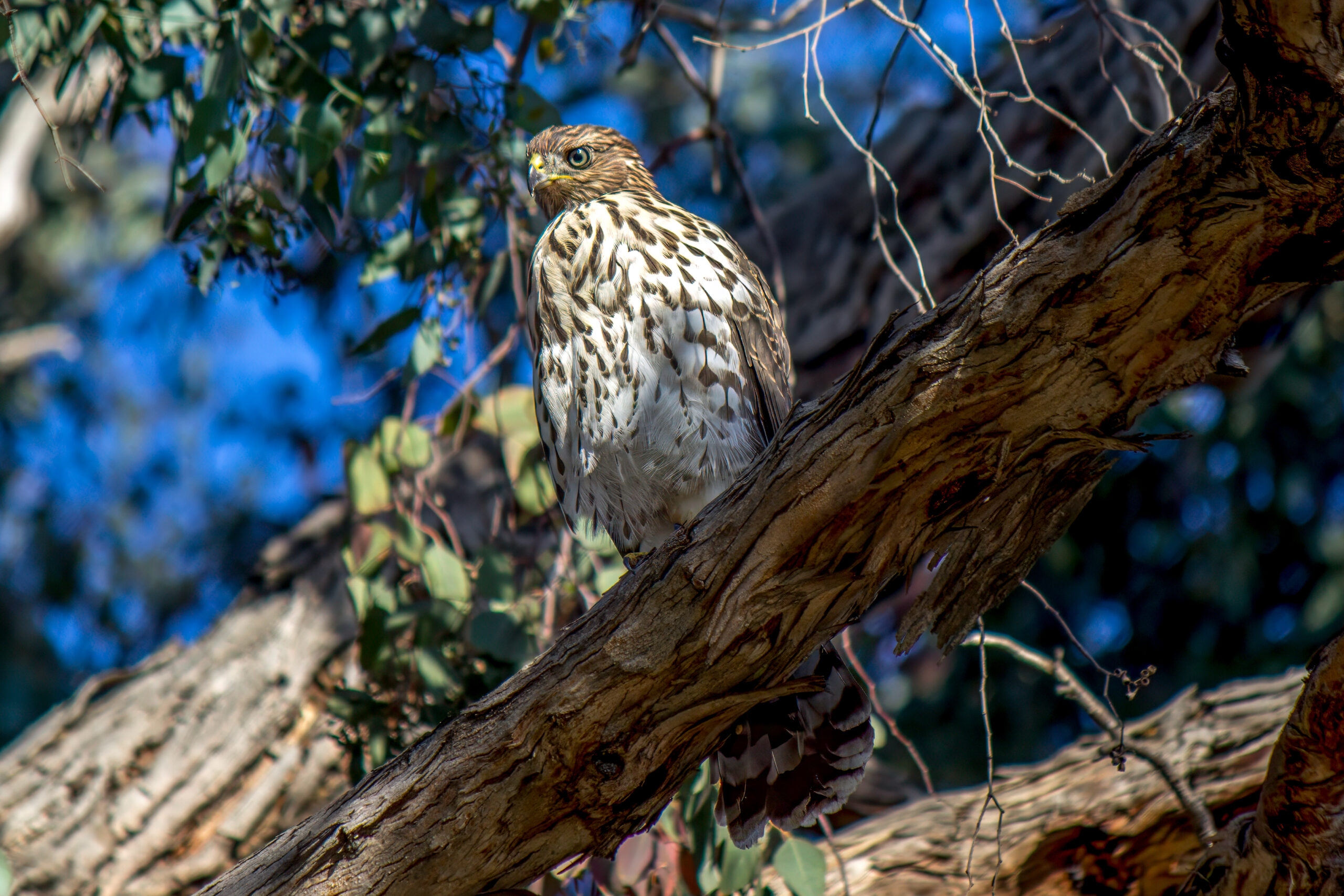
Over 44 years, the average clutch size increased in a Wisconsin population of Cooper’s Hawks (Astur cooperii). The most common clutch size shifted from four eggs during 1994–2010 to five eggs during 2011–2023, and six-egg clutches—rarely reported earlier—became a regular feature in recent years. Yet a larger share of offspring was lost from six-egg clutches before young reached an advanced nestling age.
Researchers monitored nests at two urban sites in central Wisconsin and a rural site in the southeast. They counted eggs during incubation and later counted nestlings when the young were about 16–19 days old. By comparing these counts and including unhatched eggs found in nests, they estimated how many offspring were lost between the full clutch and this later stage. The loss comparison included nests with at least one nestling at the later count, so it did not include nests where the entire clutch failed. Among 737 nests from 1981 to 2023, the estimated share lost was 22% in six-egg clutches, compared with 12% in four-egg and 15% in five-egg clutches. The difference was statistically supported for four-egg versus six-egg clutches.
More eggs did not mean fewer older nestlings
The larger proportion lost from six-egg clutches does not mean those nests produced fewer young overall. Six-egg clutches averaged 4.7 nestlings at the later count, compared with 3.8 across successful nests in the study. Seven-egg clutches also appeared in two of the final five study years, but were too rare for a meaningful comparison of losses.
The researchers suggest that incubating larger clutches may be demanding. Incubation requires energy, and adults may have difficulty covering six or more eggs effectively. In Cooper’s Hawks, females do most of the incubation. Males are about one-third smaller than females, lack a brood patch—a featherless area that transfers heat to the eggs—and incubate in about four short daytime bouts of 15–25 minutes while the female feeds on prey delivered by the male. The authors suggest these differences could make it harder to cover a large clutch adequately; the study did not test this mechanism directly.
The authors interpret the long-term rise in clutch size during a period of rapid warming as a quick, favorable response to climate change. The observations show the increase over time, but do not isolate warming as its cause. The results also suggest that clutch size alone does not capture reproductive output: larger clutches can produce more older nestlings, even when a greater share of their offspring is lost along the way.
Ecology
Related news
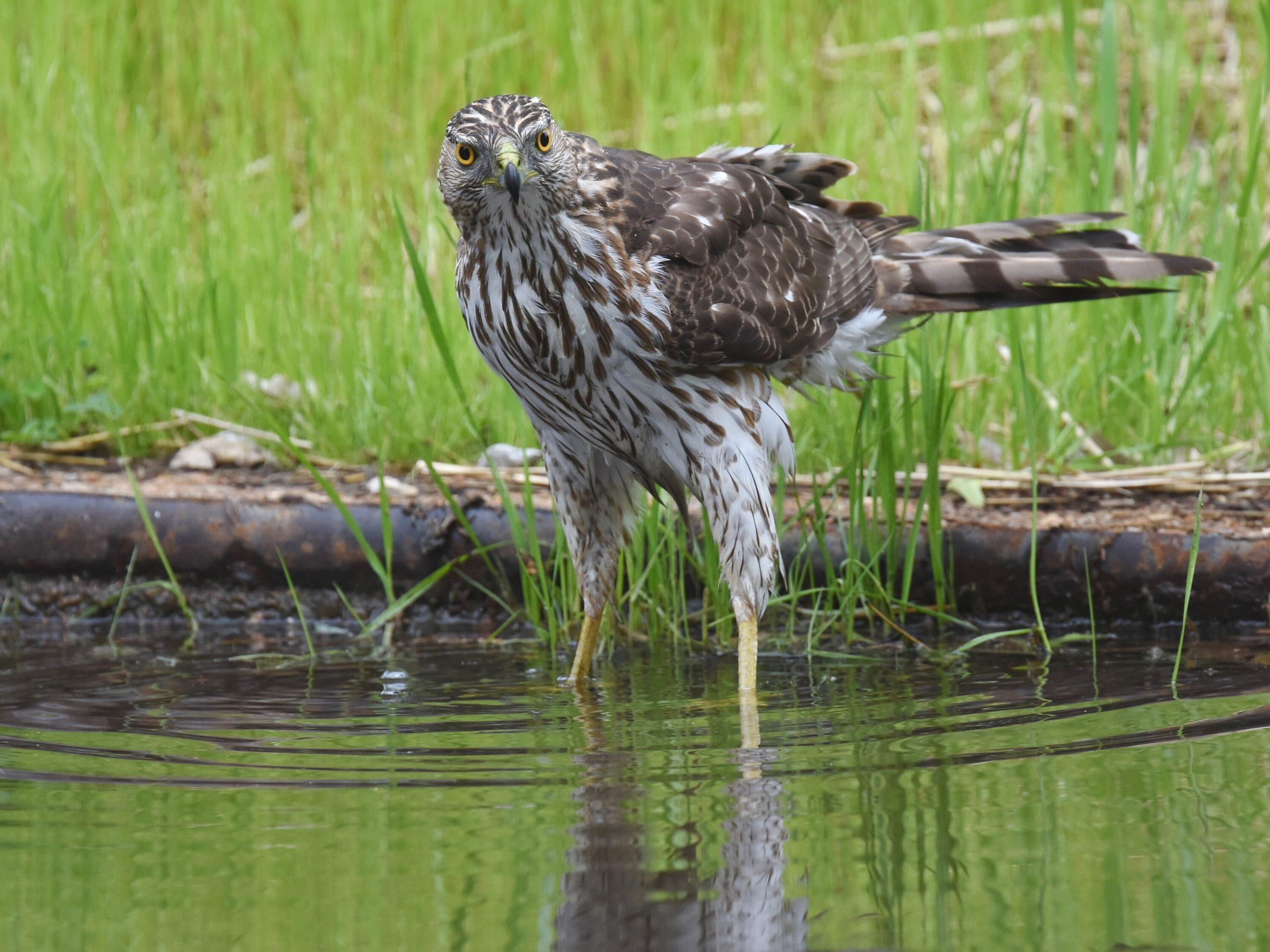
Researchers Observed About 520 Cooper’s Hawks in an Albuquerque Study Area in 2025
A U.S. Fish and Wildlife Service update reported about 520 Cooper's hawks in an Albuquerque study area in…
Read story →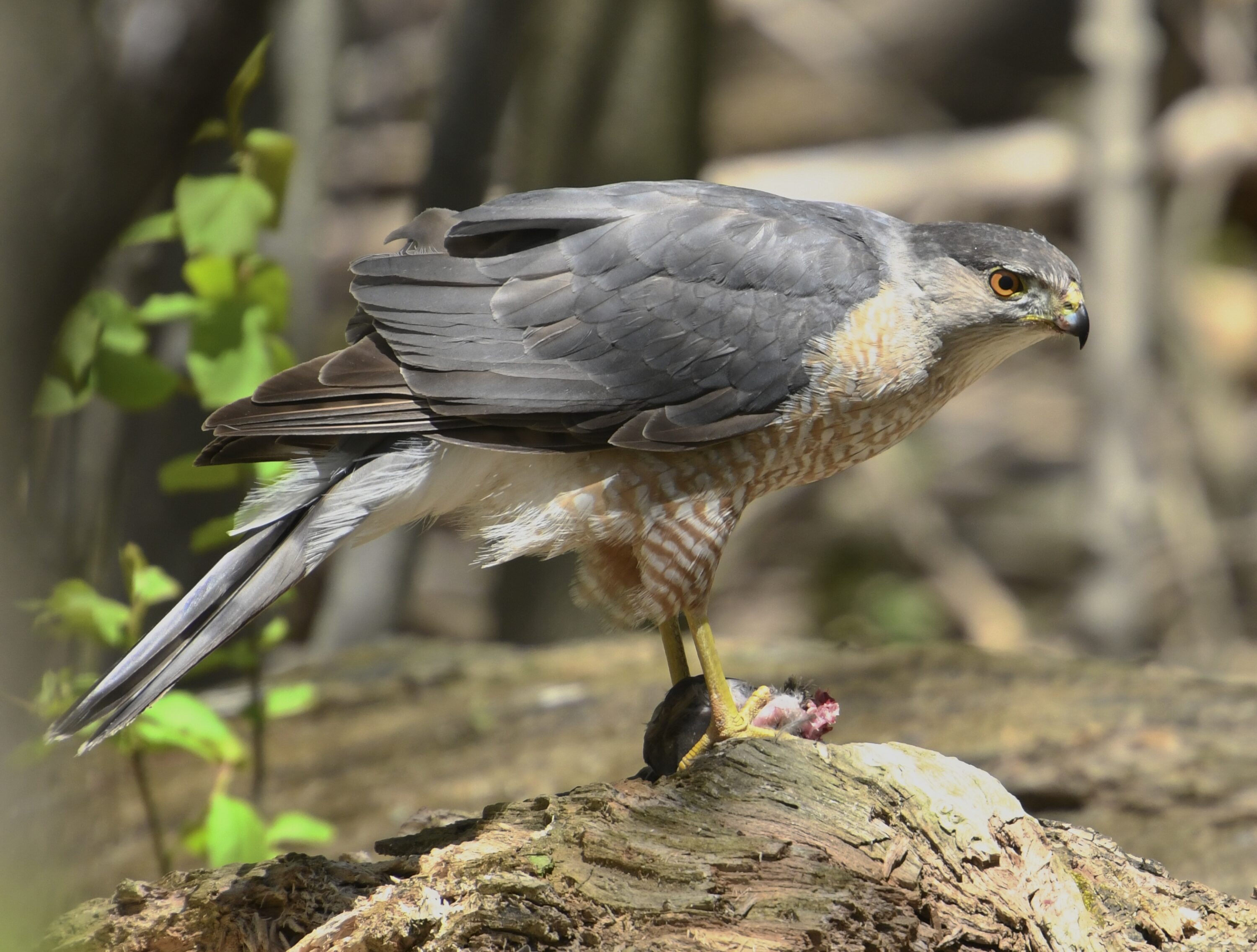
4,206 iNaturalist Predation Records Show Cooper's Hawks Selected Doves and Flickers
A 2026 analysis identified 4,206 cooper's hawk predation events in iNaturalist photographs and found selection for pigeons and…
Read story →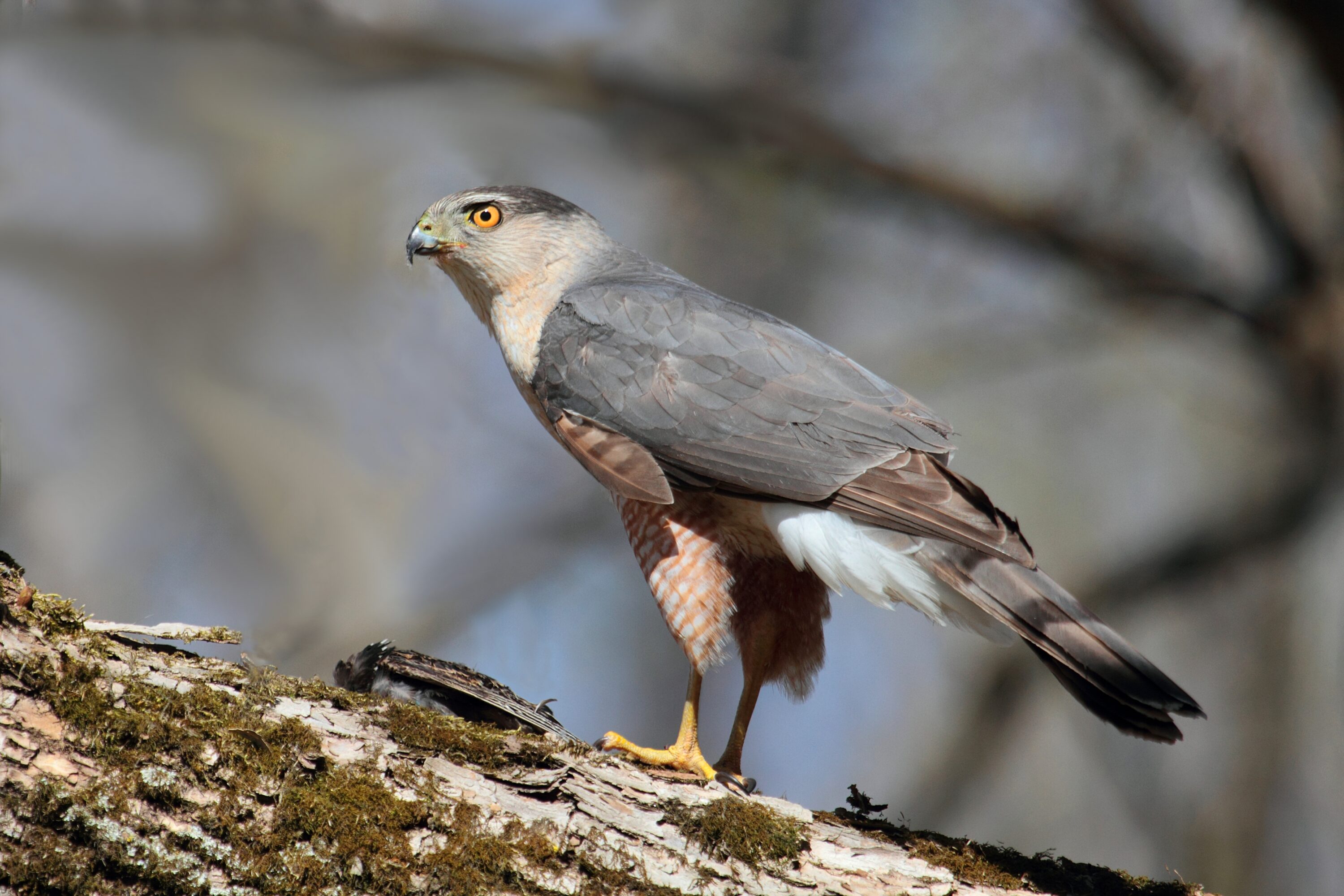
British Columbia Male Cooper's Hawks Were Smaller and Took Smaller Prey Than Wisconsin Males
On southern Vancouver Island, breeding male Cooper's hawks averaged 296 g, compared with 327 g in Wisconsin. The…
Read story →SPECIES IN THIS STORY
Species in this story
Independent research and conservation news archive
Did you find this information useful?
Wildlife Vagabond is independently built and maintained. Voluntary support helps cover source verification, hosting and continued work on research and conservation news.
Support Wildlife VagabondThe news archive will remain freely available.