
British Columbia Male Cooper’s Hawks Were Smaller and Took Smaller Prey Than Wisconsin Males
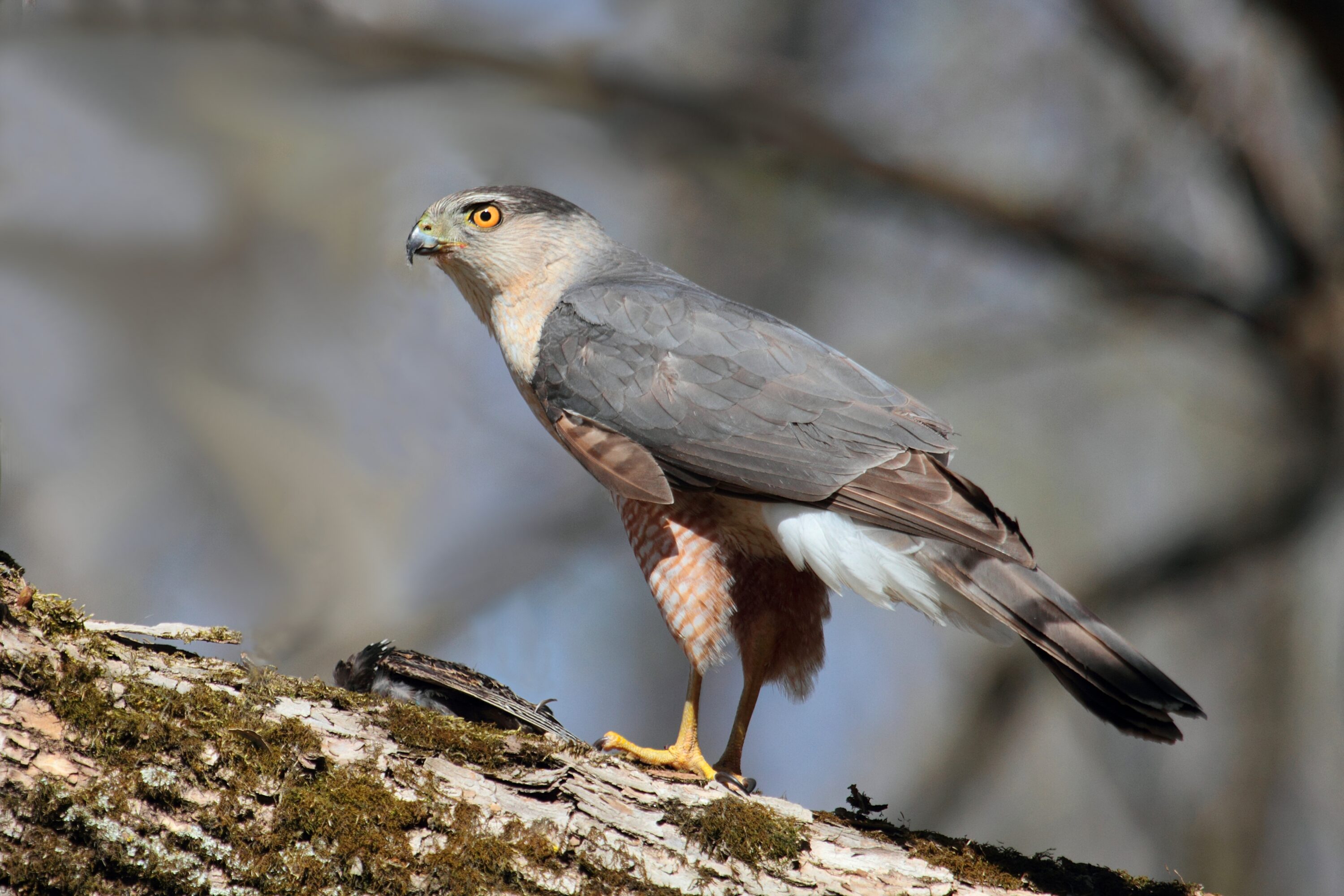
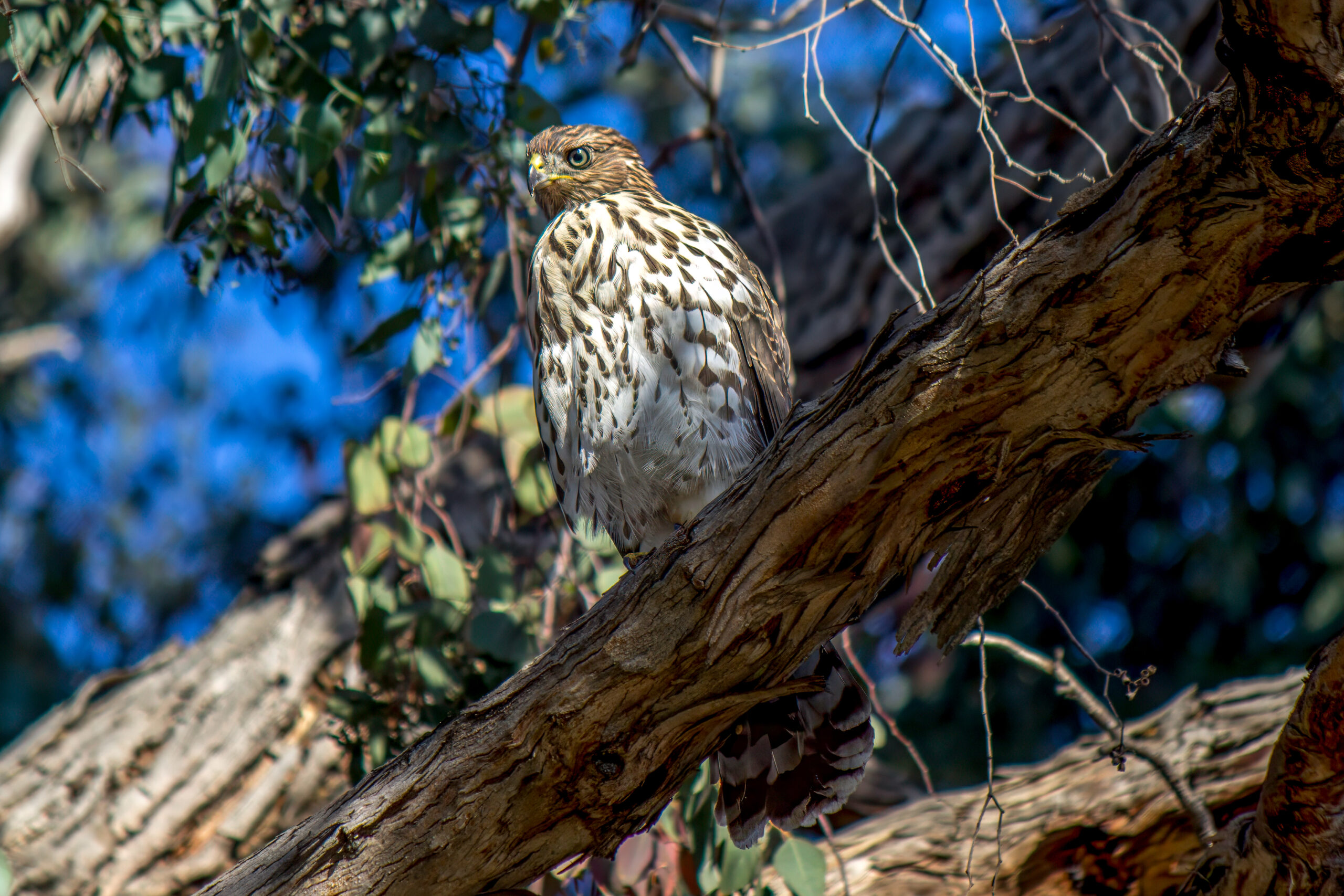
A study combining long-term data from southern Vancouver Island in Canada and Wisconsin in the United States examined whether regional differences in male Cooper’s hawk (Astur cooperii) body size were associated with the size and age of their prey. The authors also tested a separate idea: whether successful urban nests on Vancouver Island produced more young than rural nests.
The prey comparison was especially focused on the period before incubation, when males provision females during courtship and egg laying. This matters for the authors’ prey-agility hypothesis because an earlier objection was that Cooper’s hawks often catch inexperienced nestlings and fledglings later in the breeding season, when high aerial agility may be less important.
Adult prey dominated before incubation
All 56 prey deliveries recorded from individually marked Wisconsin males before incubation involved adult prey. In the Victoria study area on southern Vancouver Island, 93% of age-determined individuals among the three dominant bird prey species were also adults. The authors therefore argue that breeding males regularly have to catch experienced prey during this important early part of the nesting cycle.
The diet also differed between regions. British Columbia males relied more heavily on birds, whereas mammals made up a larger share of prey in Wisconsin. Eastern chipmunk (Tamias striatus) was among the important Wisconsin prey, alongside American robin (Turdus migratorius) and mourning dove (Zenaida macroura); in British Columbia, the dominant prey included American robin, common starling (Sturnus vulgaris) and house sparrow (Passer domesticus).
Smaller males took smaller predominant prey
Breeding males on Vancouver Island averaged 296 g, about 10% lighter than Wisconsin males at 327 g. The three predominant prey types averaged about 57 g in British Columbia and about 100 g in Wisconsin.
The authors interpret this geographic match — smaller males taking smaller prey and larger males taking larger prey — as support for the idea that prey size and agility may help shape male body size. Agility itself was not measured directly. Instead, prey age, size and type were used as indicators: experienced adult birds and smaller birds were treated as more difficult aerial prey than young or larger birds. The study therefore supports the hypothesis without providing a direct measurement of prey manoeuvrability.
Urban and rural nests produced similar numbers of young
Successful urban nests on Vancouver Island averaged 3.64 older nestlings, compared with 3.69 at successful rural nests. The authors found no clear difference between the two environments.
These British Columbia data therefore did not support the frequently suggested idea that Cooper’s hawks necessarily produce more young in cities because suitable bird prey is more abundant there. Taken together, the study argues that regional variation in male size, prey size, prey age and diet should be considered together when describing Cooper’s hawk foraging ecology across North America.
Ecology
Related news
Inland Mute Swans Had Higher Winter Body Condition Despite Harsher Winters and Supplemental Feeding
A study of 853 mute swans from four Polish wintering regions found higher body condition inland than on…
Read story →
Dunnock Spring Passage Advanced by Up to 8.3 Days Over 61 Years at Hel
Standardised ringing data from northern Poland showed that the first, median and last phases of dunnock spring passage…
Read story →
Gut Microbiomes Across Nine Kruger Mammals Clustered More Strongly by Dietary Group Than Species
A study of 89 quality-filtered faecal samples from nine wild mammals in Kruger National Park found that carnivores,…
Read story →SPECIES IN THIS STORY
Species in this story
Independent research and conservation news archive
Did you find this information useful?
Wildlife Vagabond is independently built and maintained. Voluntary support helps cover source verification, hosting and continued work on research and conservation news.
Support Wildlife VagabondThe news archive will remain freely available.