
Amur Tiger Urine Drew Mesopredators to Artificial Nests Instead of Deterring Them
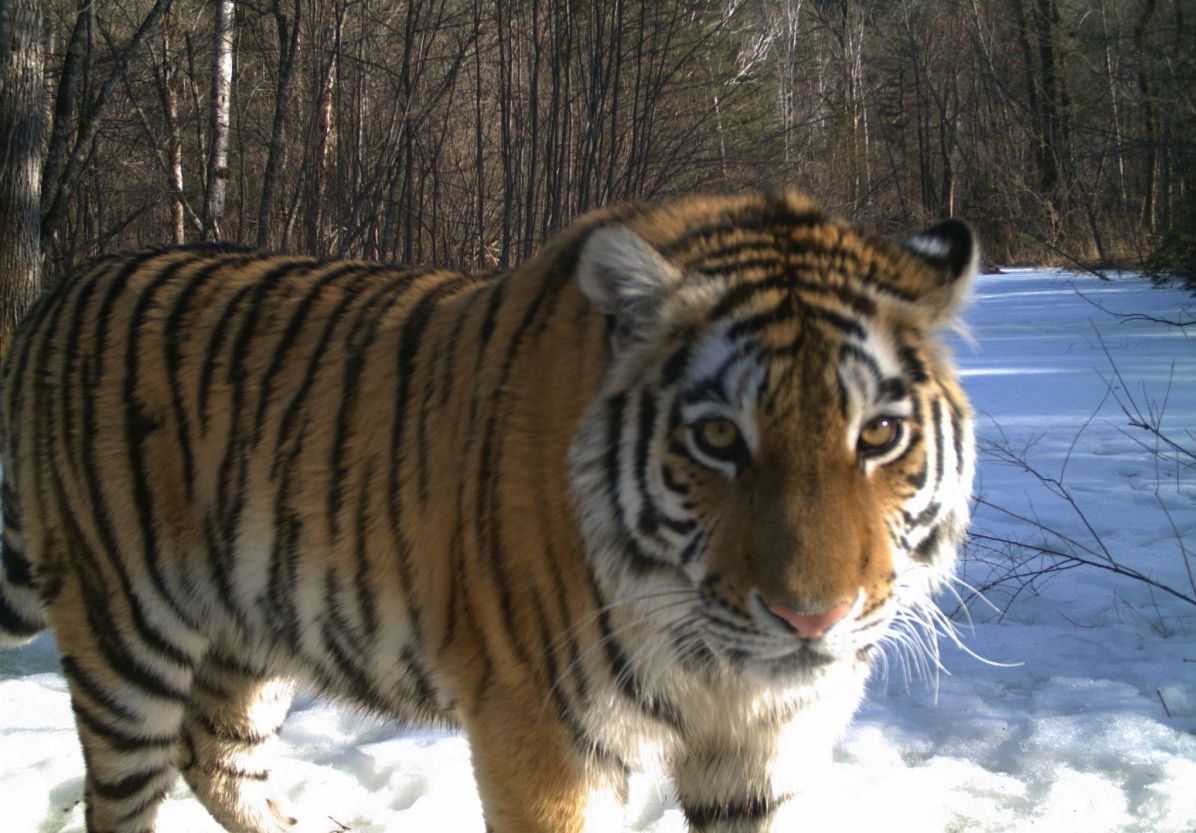
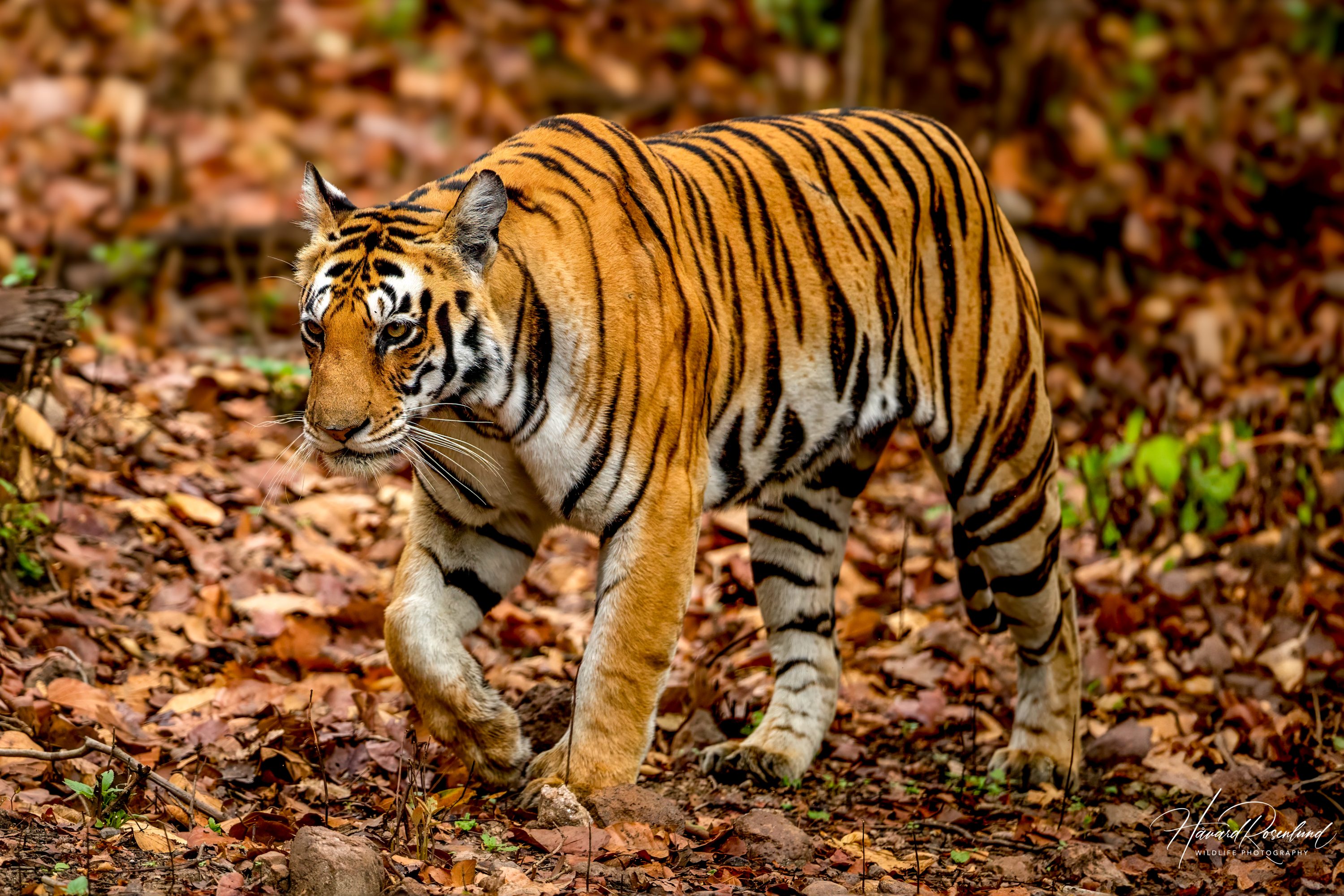
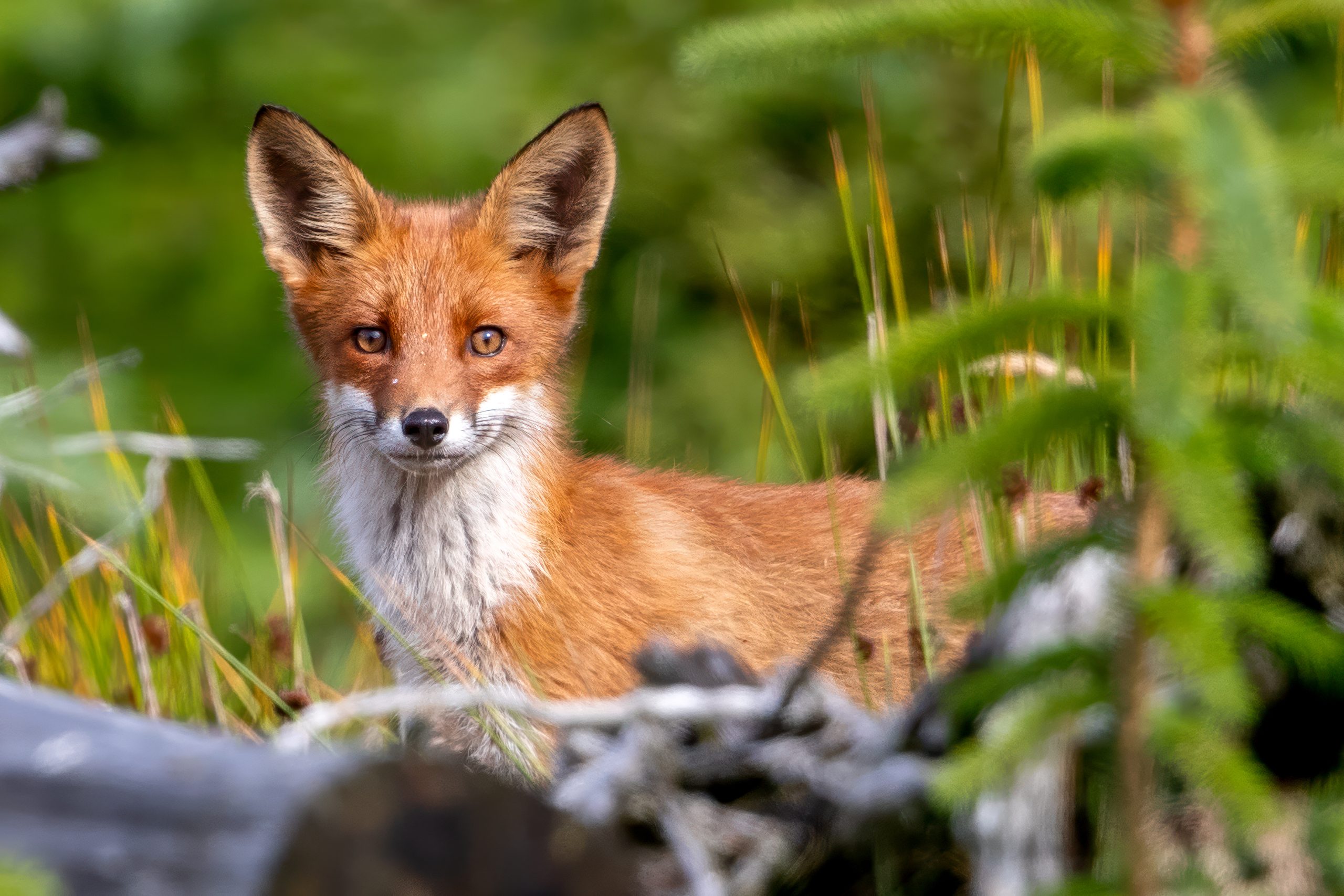
The scent of an amur tiger (Panthera tigris altaica) did not deter smaller predators in a field experiment in northeastern China. Instead, tiger urine attracted Asian badgers (Meles leucurus), raccoon dogs (Nyctereutes procyonoides) and red foxes (Vulpes vulpes) to experimental sites more quickly and was associated with faster predation of artificial bird nests. The study was published on 20 February 2026 in Ecological Processes.
Researchers carried out the experiment across a 400 km² area in the Hunchun region of Northeast China Tiger and Leopard National Park, an important wild amur tiger landscape along the border with Russia. Urine collected from four captive amur tigers was used as a standardized scent cue, while bird eggs were placed in artificial ground nests as a food resource for mesopredators.
Sixty experimental sites were monitored during four 15-day rounds from April to June 2023. After sites with incomplete camera records were removed, 55 sites remained in the analysis. Across the experiment, cameras documented 404 predation events and 1,812 eggs being eaten. Asian badgers were by far the most frequent mammalian egg predators, followed by raccoon dogs, red foxes and several less frequently recorded species.
Tiger urine attracted three mesopredators more quickly
The presence of tiger urine increased how quickly Asian badgers, raccoon dogs and red foxes arrived at the experimental sites. After 15 days, estimated egg survival was 20.9% at control sites compared with 5.5% at sites treated with tiger urine. Asian badgers accounted for 690 of the mammalian egg predation records, far more than raccoon dogs (54) or red foxes (38).
At 18 of 22 sites where tiger urine had been placed and badgers later ate eggs, the badgers first investigated the tiger scent before exploring the site and taking the eggs. Their response went beyond simple sniffing. Tiger urine was also associated with more frequent squat-marking — a scent-marking behaviour in which a badger squats on its hind limbs and rubs the area around its caudal scent glands against the ground. The same behaviour was seen after badgers obtained eggs and occurred less often at sites without tiger urine. The authors interpret this as further evidence that the badgers treated tiger scent as a cue associated with a food resource rather than primarily as a signal to avoid.
The tiger scent acted as an attractant rather than a deterrent
The authors interpret the result as evidence that the ecological effects of an apex predator can include attraction as well as fear or suppression. In this system, small-bodied mesopredators may use tiger scent as a cue associated with food opportunities, such as remains left by a much larger predator. The study therefore shows how chemical signals from tigers can influence the behaviour of other predators at a very fine spatial scale.
Behaviour
Related news
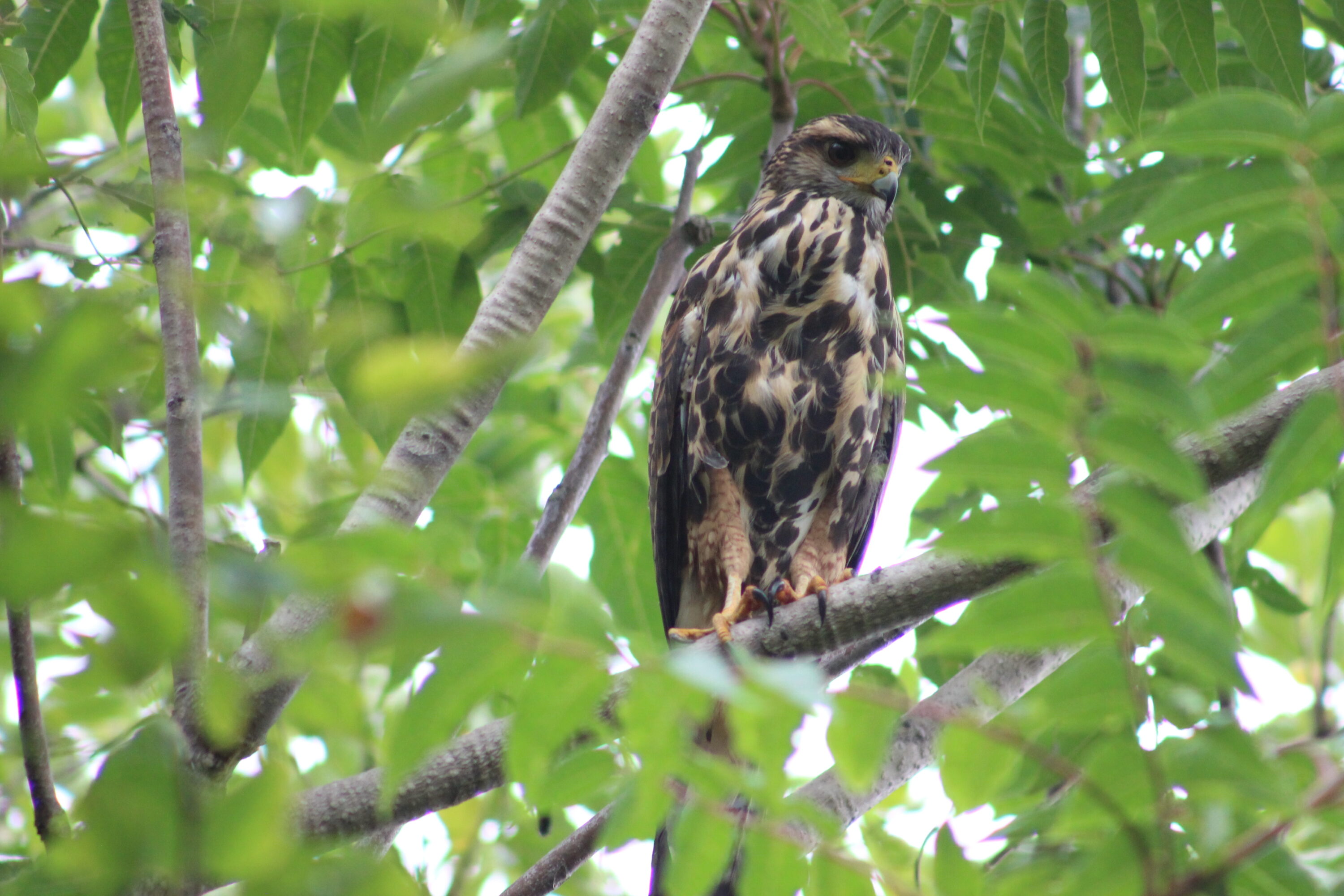
Juvenile Harris's Hawks Manipulated Pine Cones for About Five Minutes
Two juvenile Harris's hawks in Buenos Aires Province tore pine cones from trees, carried them to new perches…
Read story →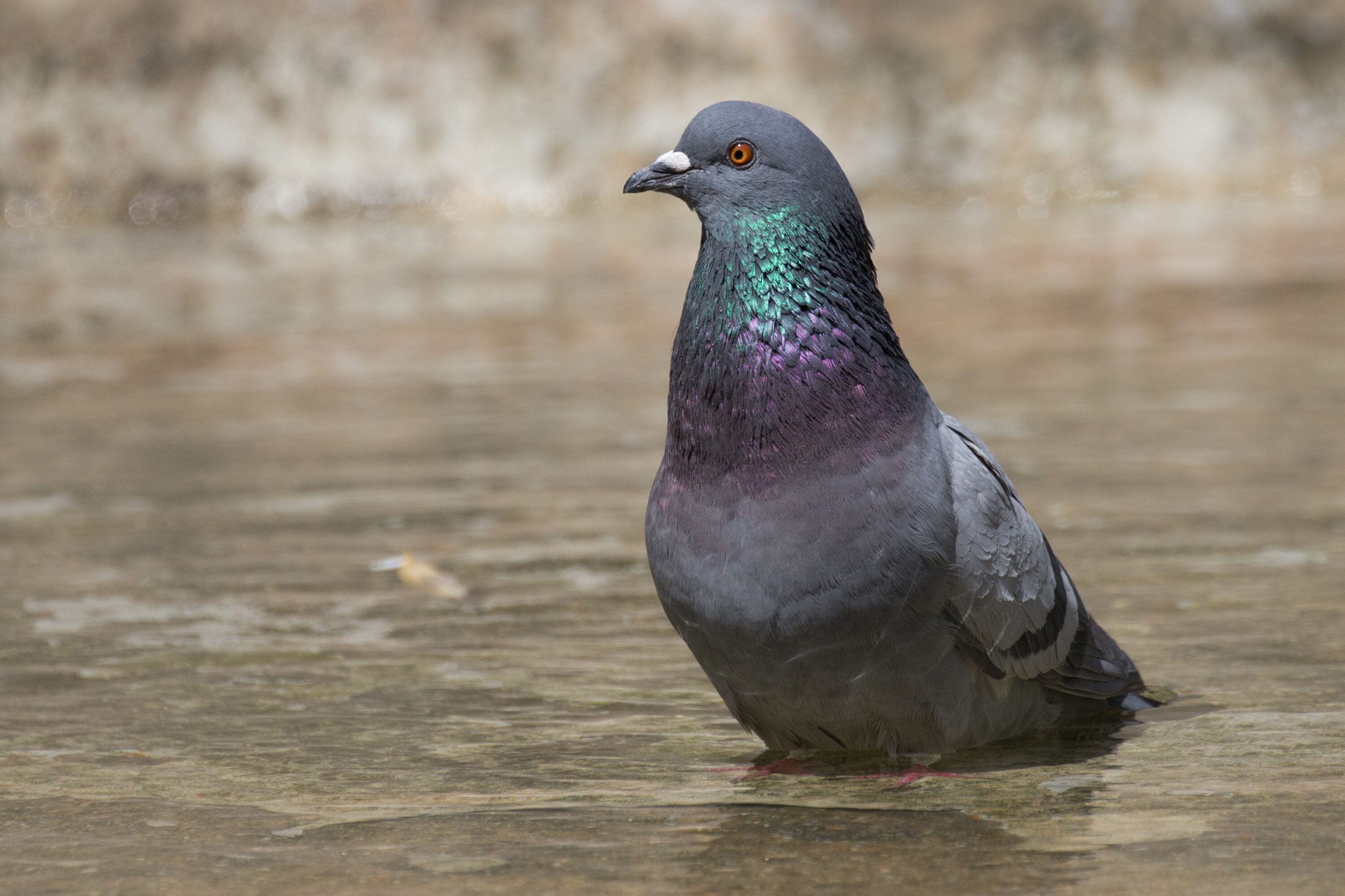
Rock Doves Preferred Predictive Information Despite a Lower Food Payoff
Seven rock doves preferred an informative option that paid on 20% of trials over a non-informative option that…
Read story →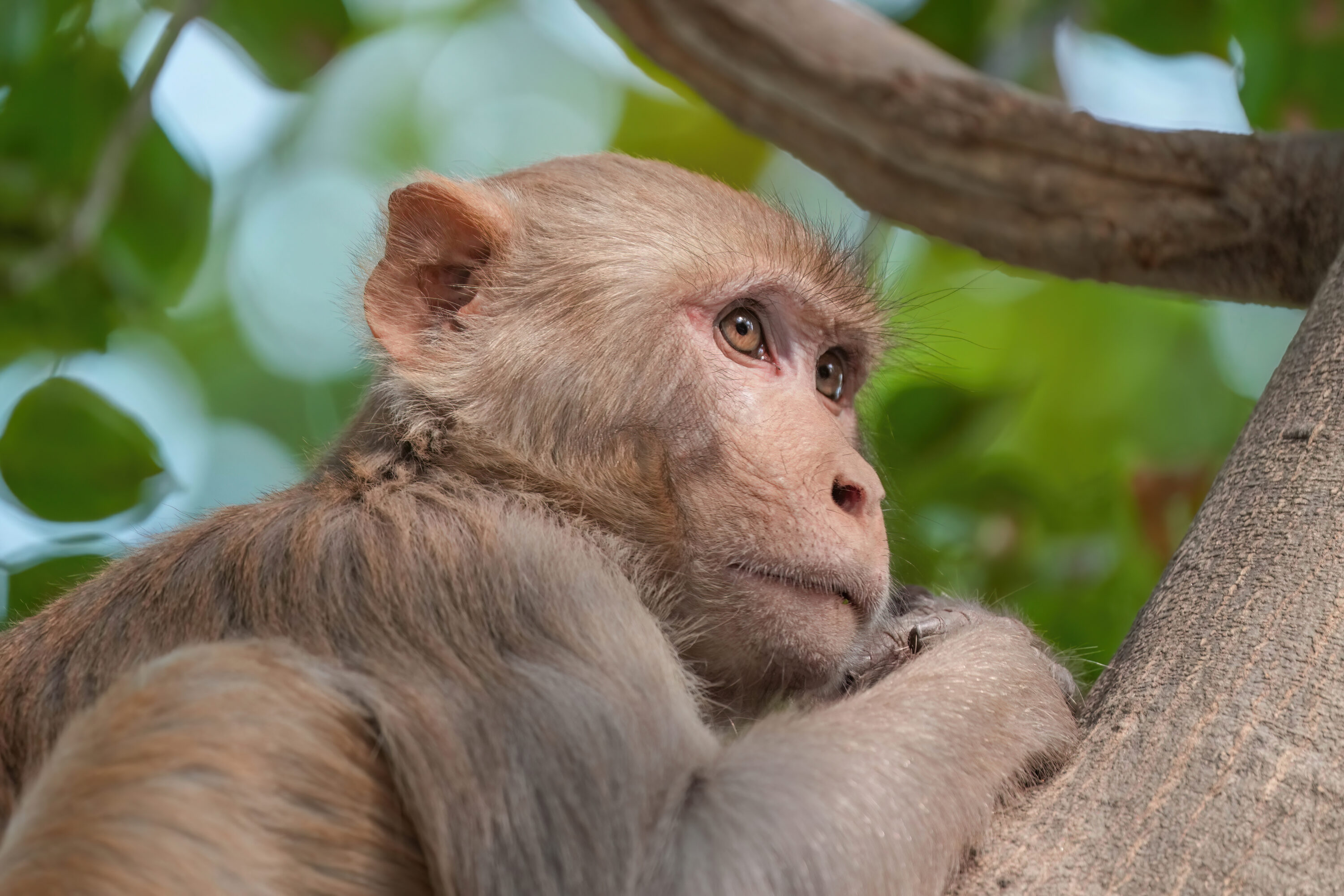
Task Uncertainty Increased Interference From Irrelevant Visual Information in Rhesus Macaque Decisions
Two rhesus macaques made less accurate visual decisions under task uncertainty; recordings and microstimulation in primary visual cortex…
Read story →SPECIES IN THIS STORY
Species in this story
Independent research and conservation news archive
Did you find this information useful?
Wildlife Vagabond is independently built and maintained. Voluntary support helps cover source verification, hosting and continued work on research and conservation news.
Support Wildlife VagabondThe news archive will remain freely available.