
An introduced mosquito and bird malaria point to local transmission on Rangitāhua
Rangitāhua lies about 1,000 km northeast of mainland Aotearoa New Zealand. A new study reports the island’s first record of the introduced mosquito Culex quinquefasciatus, alongside its endemic mosquito, Culex pervigilans. The finding is consistent with recent establishment, but limited past monitoring means it does not reveal exactly when the introduced mosquito arrived.
Parasites in birds and mosquitoes
The researchers detected four genetic lineages of Plasmodium, the parasites that cause avian malaria, in birds and mosquitoes. Mosquitoes can carry these parasites between birds, and the authors interpret their detection in both as evidence of active local transmission. Three lineages were most closely related to P. elongatum, P. vaughani and P. relictum, but did not exactly match sequences in public databases. The fourth matched the LNN1 lineage of P. matutinum.
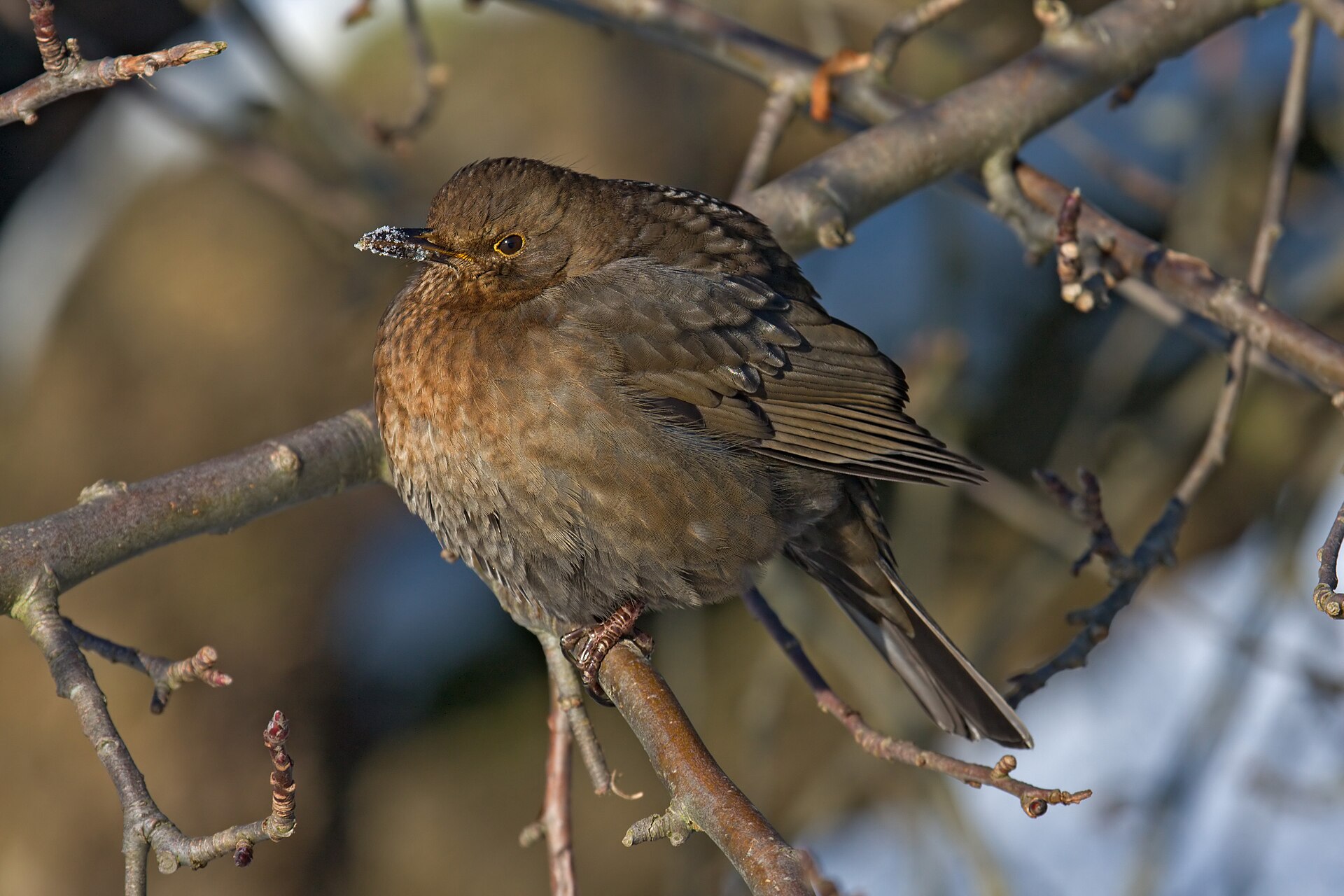
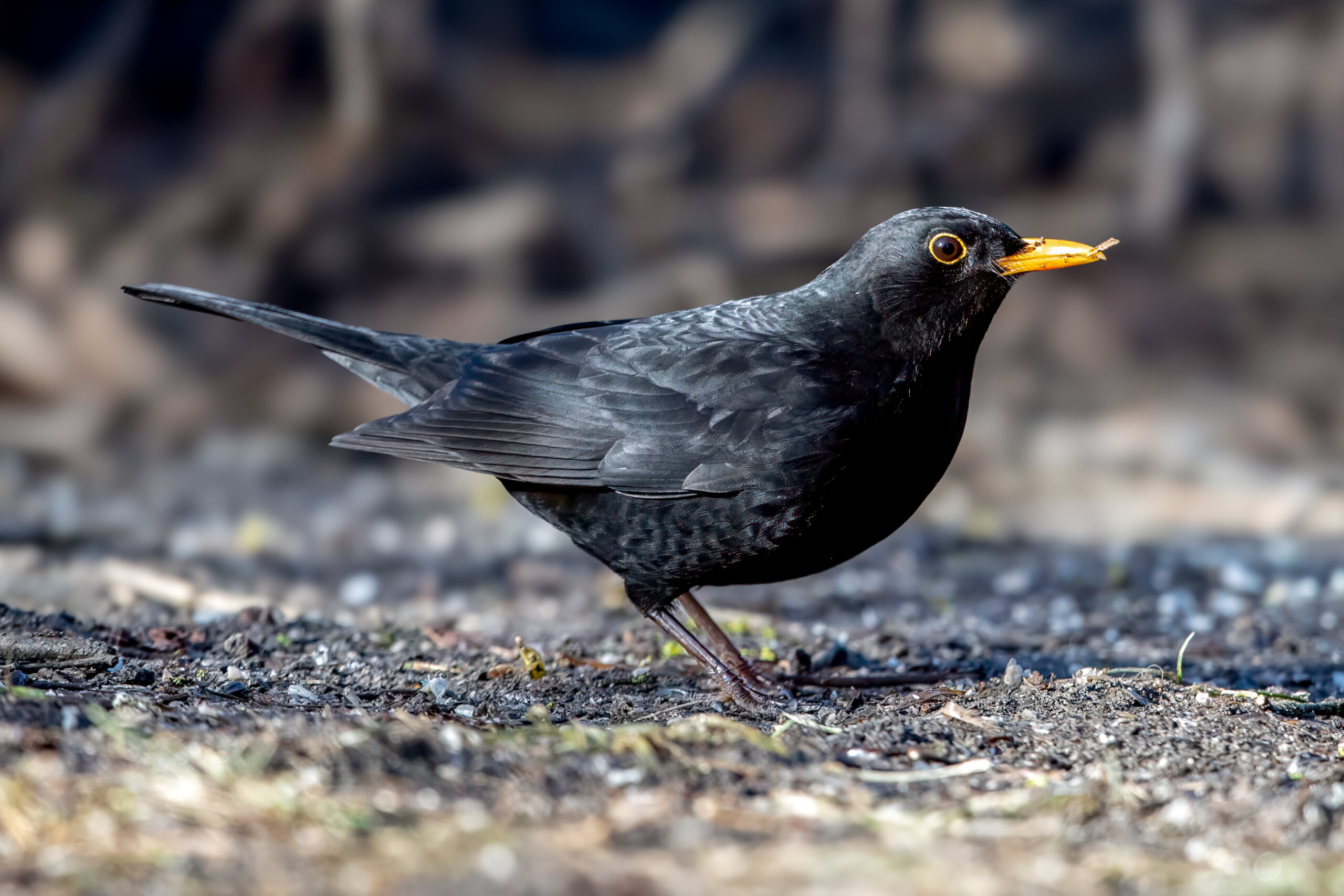
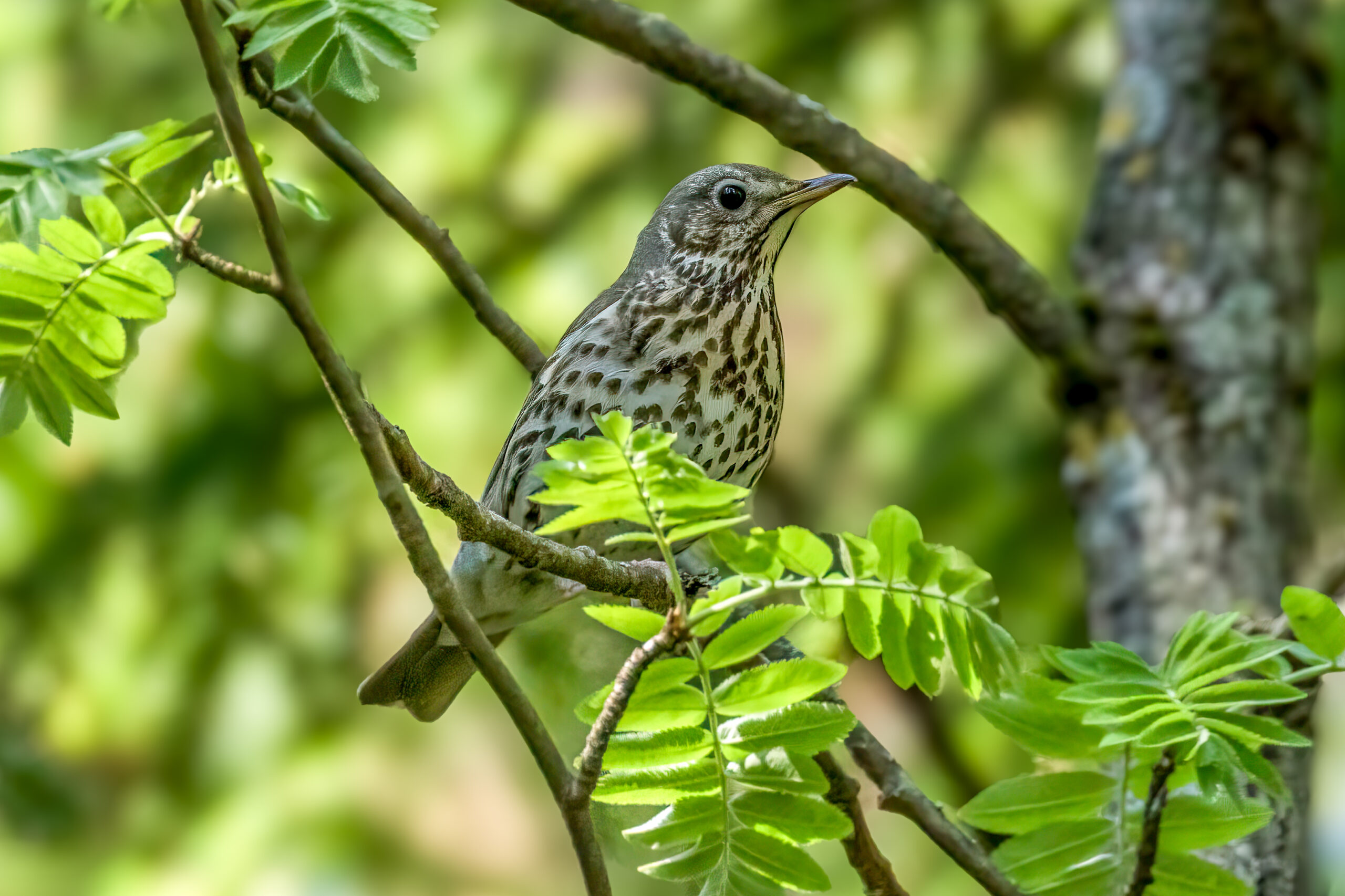
Parasite prevalence was reported as high in tūī and in two introduced birds, the Eurasian Blackbird (Turdus merula) and Song Thrush (Turdus philomelos). No haemosporidian parasites—a group that includes Plasmodium—were detected in the sampled kākāriki, although the sample size was limited. Among female mosquitoes, parasites were detected more often in endemic C. pervigilans than in introduced C. quinquefasciatus: 41% compared with 4%.
A DNA-based analysis also indicated that mosquitoes used a broad range of native and introduced plant taxa. The authors suggest that access to varied plant resources may help mosquitoes persist on an island where resources are limited.
The differences among bird and mosquito species suggest that transmission is not evenly distributed across Rangitāhua’s wildlife. Together with the first record of an introduced mosquito, the findings describe an emerging avian-malaria system on the island, while leaving the date of the mosquito’s arrival uncertain.
Ecology
Related news
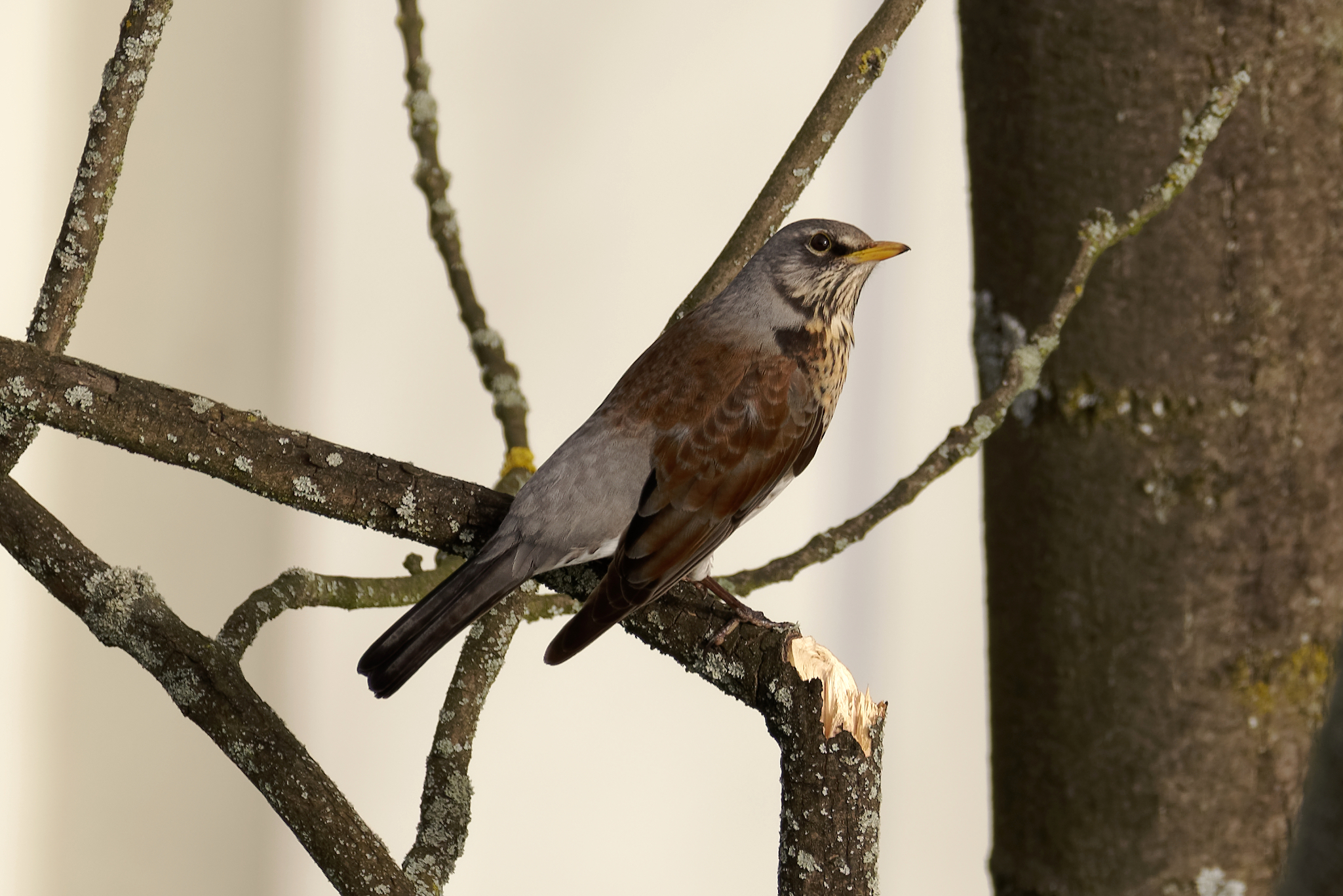
Fieldfare and Song Thrush Confirmed as New Intermediate Hosts of Sarcocystis turdusi
Across 72 dead thrushes from Lithuania and Russia’s Kaliningrad region, DNA confirmed fieldfare and song thrush as new…
Read story →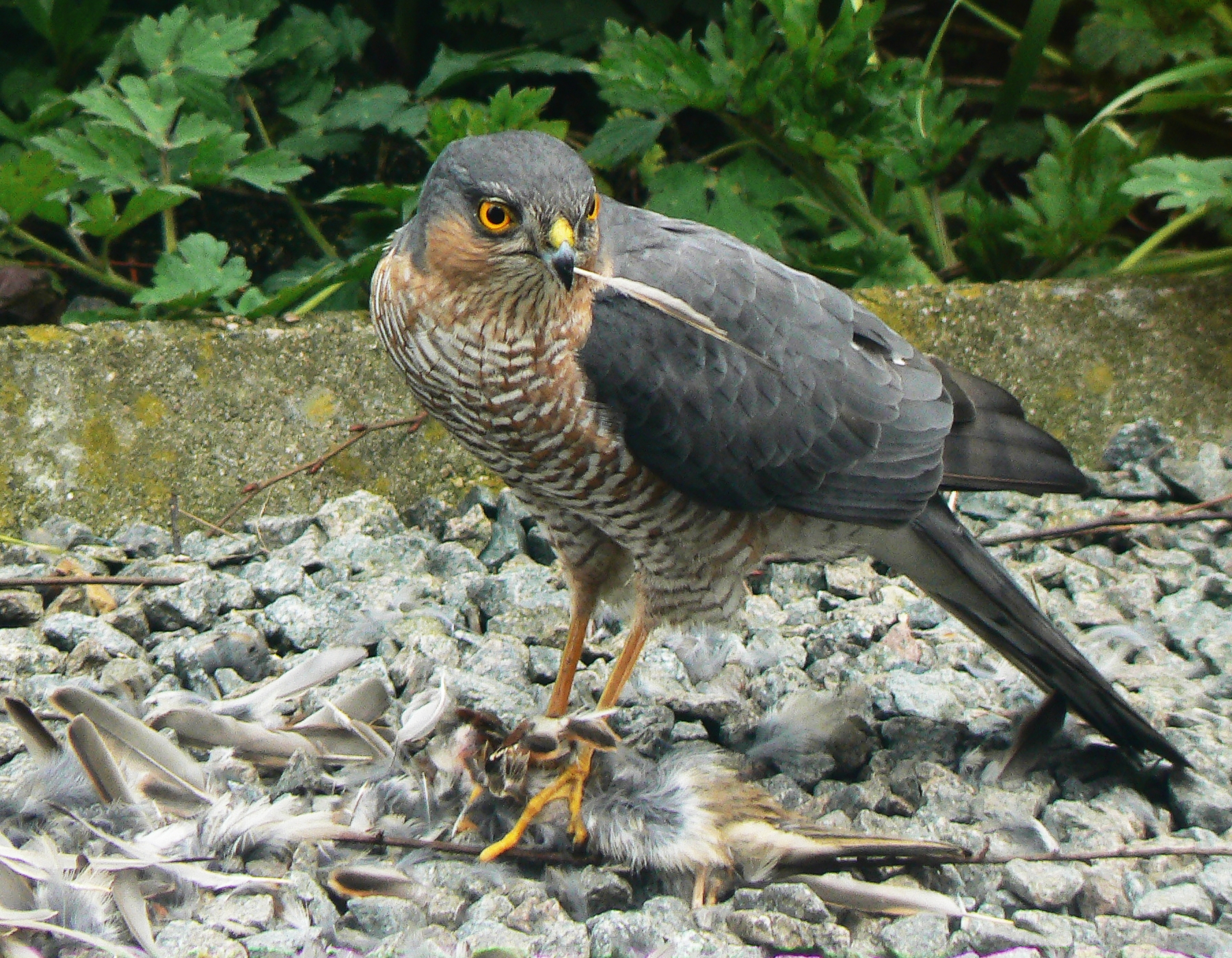
Habitat and Prey Traits Shaped Sparrowhawk Diet Around 62 Czech Nests
A 2026 Czech study of 1,107 prey items from 62 Eurasian sparrowhawk nests found that diet composition varied…
Read story →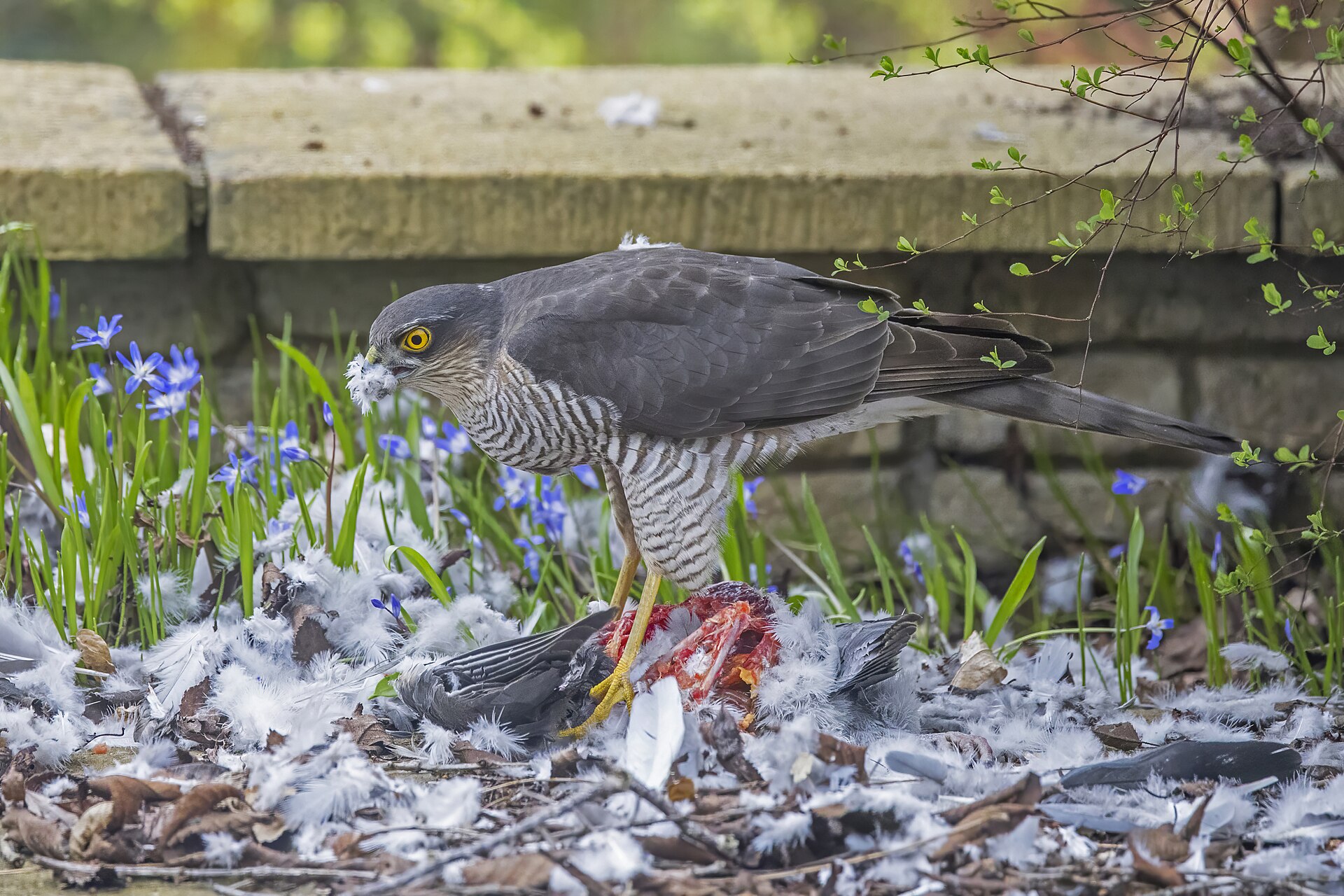
Eurasian Sparrowhawk Spring Passage Varied With the Timing of Bird Prey
Forty years of ringing data at Hel Peninsula in northern Poland linked year-to-year spring passage of Eurasian sparrowhawks…
Read story →SPECIES IN THIS STORY
Species in this story
Independent research and conservation news archive
Did you find this information useful?
Wildlife Vagabond is independently built and maintained. Voluntary support helps cover source verification, hosting and continued work on research and conservation news.
Support Wildlife VagabondThe news archive will remain freely available.