
Fieldfare and Song Thrush Confirmed as New Intermediate Hosts of Sarcocystis turdusi
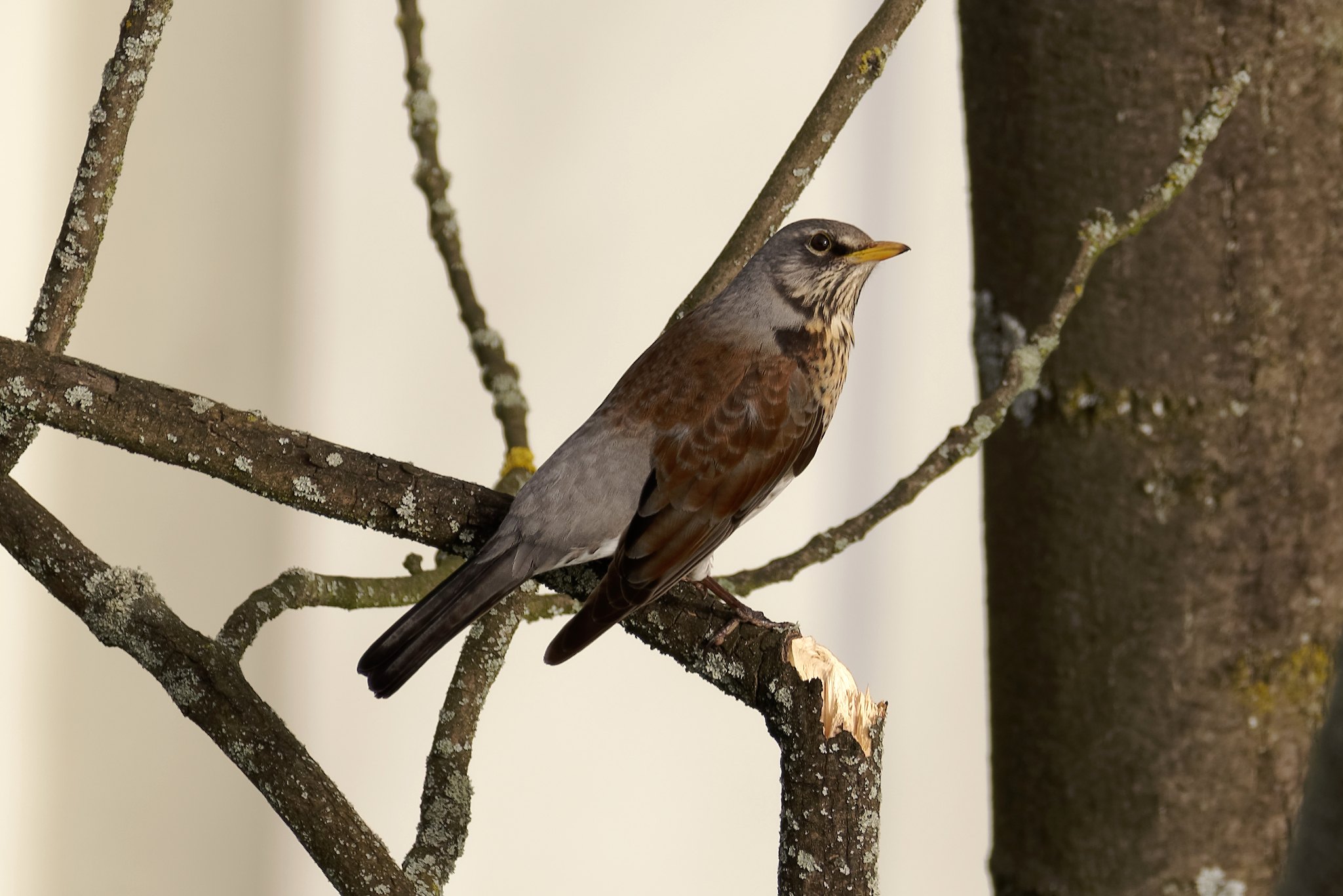
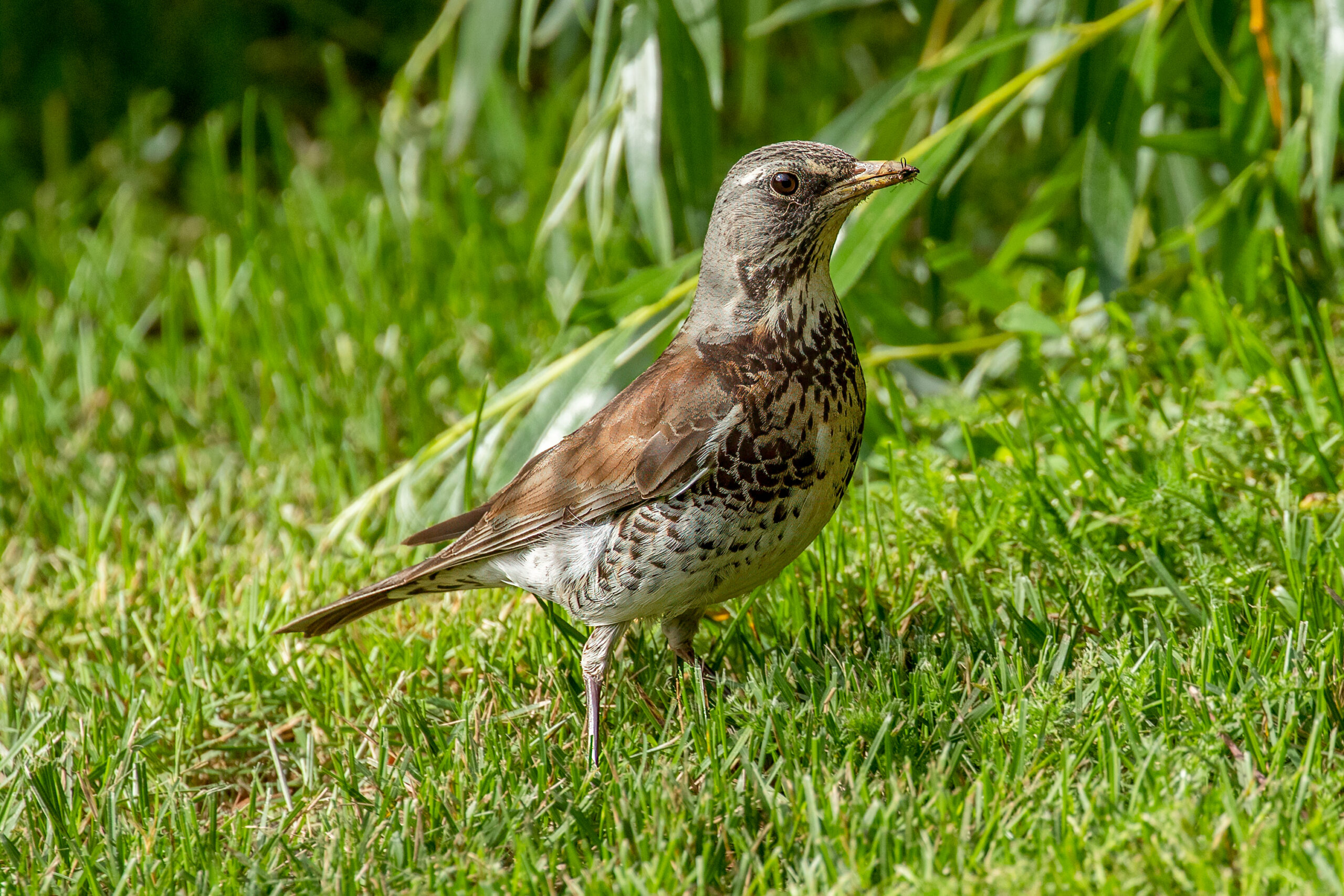
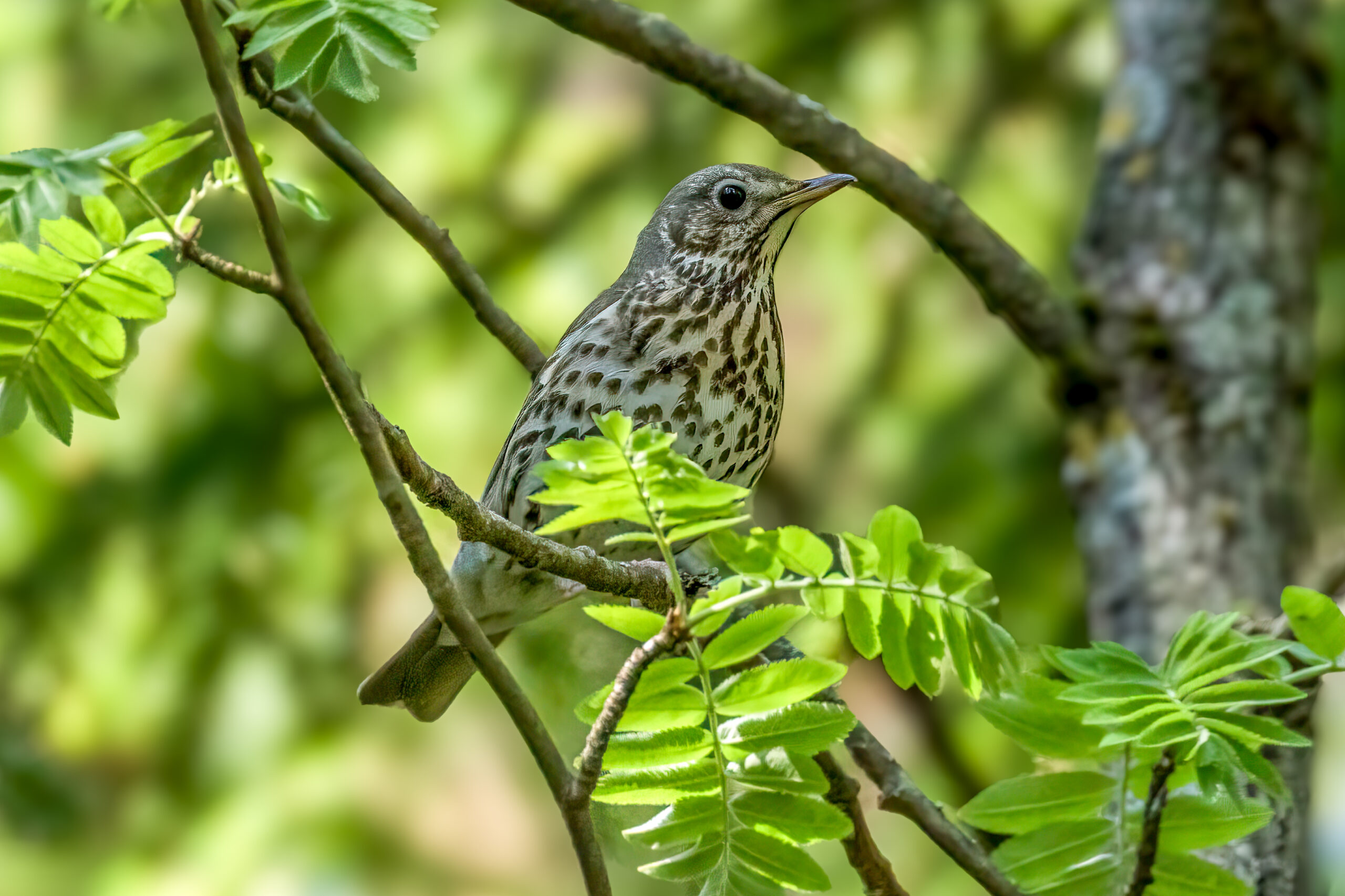
A study bringing together more than two decades of material has confirmed fieldfare (Turdus pilaris) and song thrush (Turdus philomelos) as new intermediate hosts of Sarcocystis turdusi. Researchers examined dead thrushes collected in Lithuania and at Rybachy in Russia’s Kaliningrad region between 2003 and 2024.
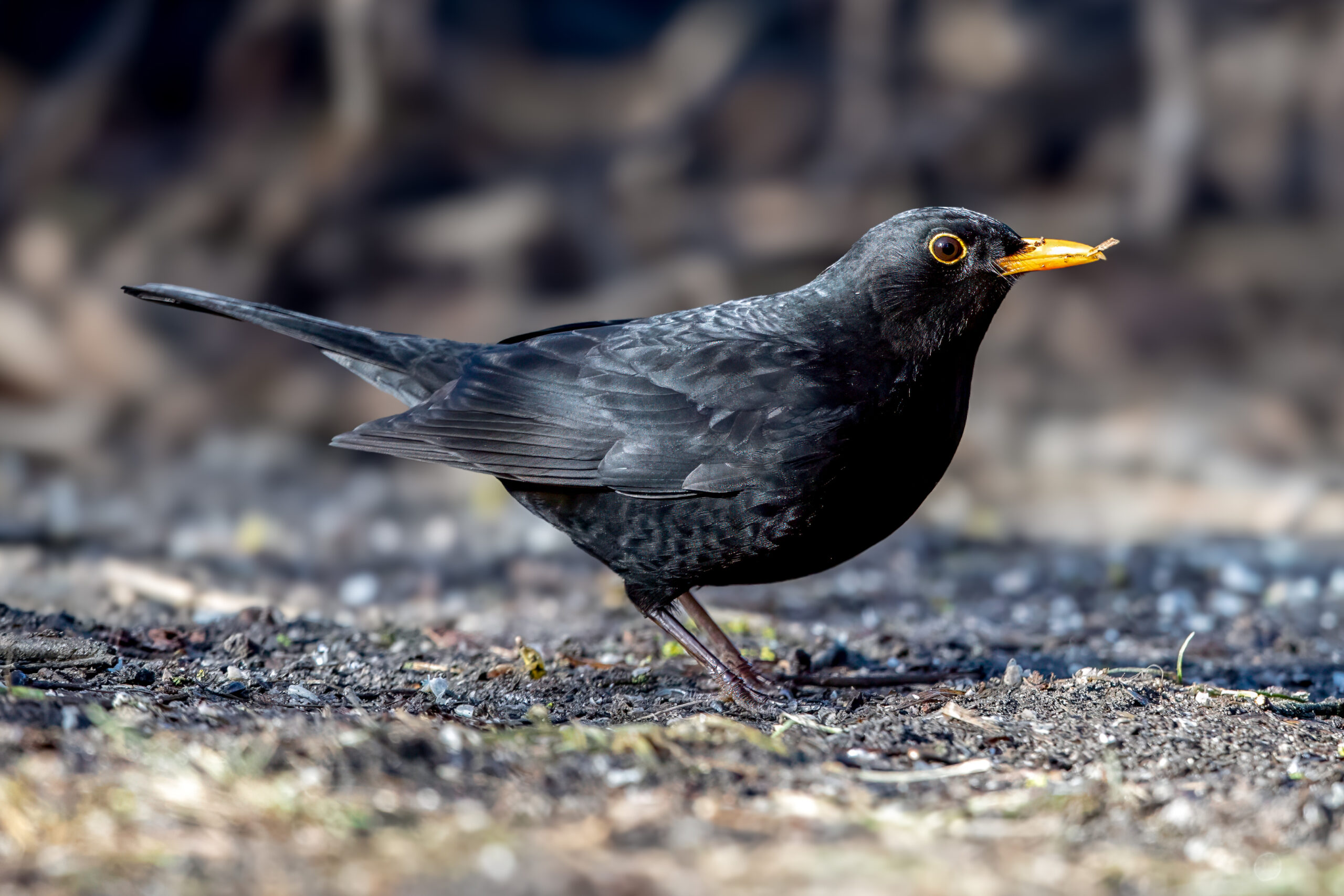
The dataset comprised 72 birds: 30 song thrushes, 24 fieldfares, 14 Eurasian blackbirds (Turdus merula) and four redwings (Turdus iliacus). Screening of leg muscle found sarcocysts — tissue cysts formed by parasites in the genus Sarcocystis — in 28 birds, or 38.9% of the sample.
Sarcocysts occurred in all four thrush species
Cysts were found in 14 of 30 song thrushes, seven of 24 fieldfares, six of 14 Eurasian blackbirds and one of four redwings. The analysis did not support clear differences among the four species in either infection prevalence or parasite load. The redwing result is especially uncertain because only four individuals of that species were available.
Most cysts had the same form under the microscope: ribbon-shaped structures with a wall bearing finger-like projections. This morphology matched S. turdusi, a species previously known to form muscle cysts in Eurasian blackbirds.
DNA confirmed two new intermediate hosts
The researchers isolated individual cysts and analysed DNA from the ITS1 region, a spacer between ribosomal genes that often varies enough to distinguish closely related parasite species. This confirmed S. turdusi in Eurasian blackbirds, song thrushes and fieldfares, establishing song thrush and fieldfare as new intermediate hosts. A morphologically similar cyst was also found in the single infected redwing, but DNA could not be recovered from that sample, so the parasite could not be confirmed to species level.
Sarcocystis parasites have an obligatory two-host predator–prey life cycle. Asexual stages and tissue cysts develop in an intermediate host, while sexual stages develop in the intestine of a definitive host after infected tissue is eaten. Earlier molecular studies have detected S. turdusi in raptors and corvids, although the authors note that detecting parasite DNA alone does not always establish definitive-host status.
The study also compared two genetic markers. ITS1 separated S. turdusi clearly from related species, whereas sequences from the mitochondrial cox1 gene were too similar among several avian Sarcocystis species to provide reliable species-level identification.
Sarcocystis halieti found once in a Eurasian blackbird
One Eurasian blackbird carried both S. turdusi and a second, smooth-walled cyst. ITS1 analysis identified the second parasite as Sarcocystis halieti, a potentially pathogenic species previously recorded from several other birds. This was the only S. halieti detection in the two-decade dataset, and the authors describe it as an atypical host record whose epidemiological significance remains uncertain.
The authors also caution that the material was opportunistically collected from birds found dead, sample sizes differed substantially among species, and only part of the material received molecular confirmation. The prevalence and host-association patterns therefore need to be interpreted within those limits.
Overall, the study expands the known intermediate-host range of S. turdusi and shows that ITS1 is more useful than cox1 for distinguishing these closely related parasites. Fieldfare and song thrush now join Eurasian blackbird as molecularly confirmed intermediate hosts in the material examined.
Disease, parasites & microbiology
Related news
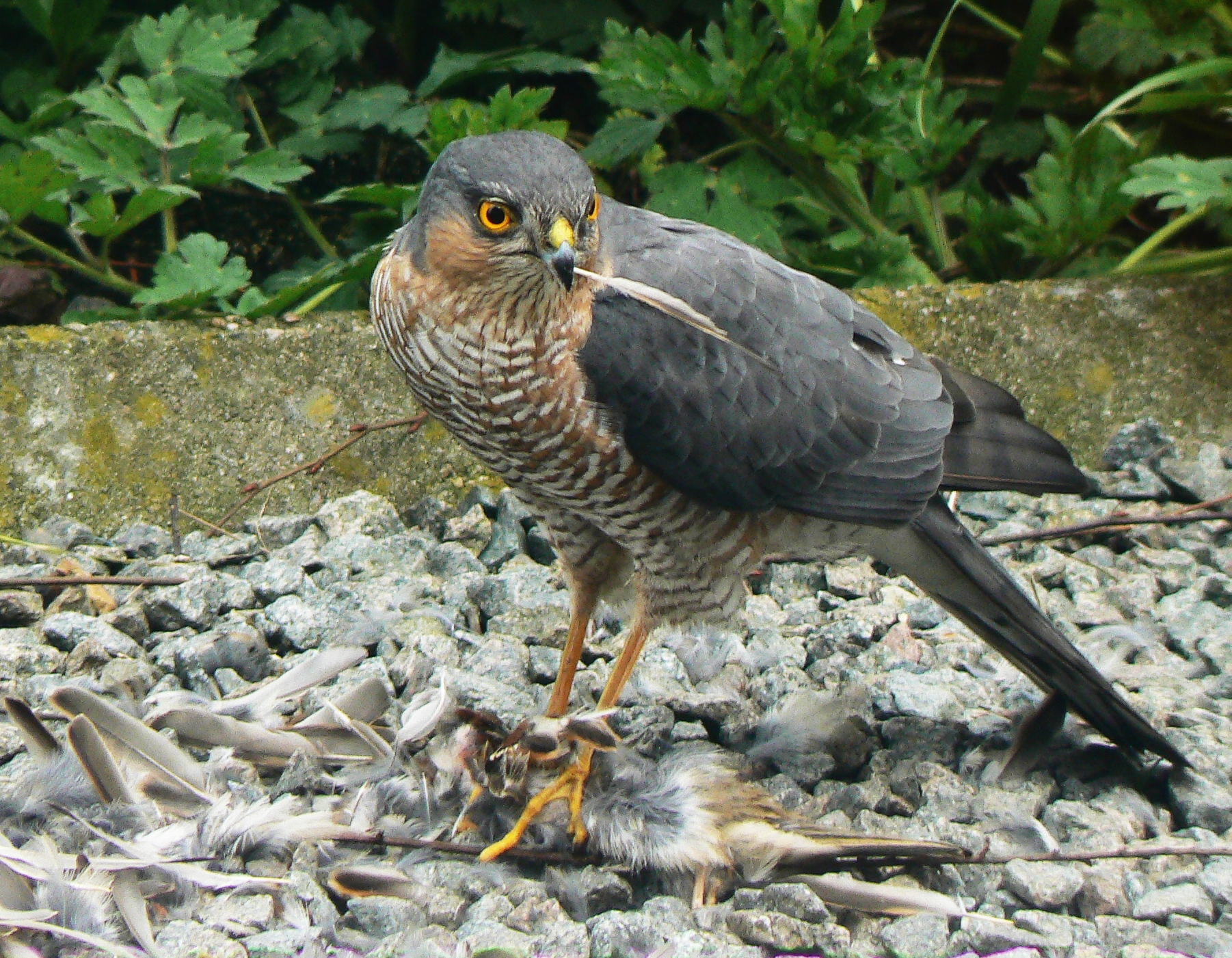
Habitat and Prey Traits Shaped Sparrowhawk Diet Around 62 Czech Nests
A 2026 Czech study of 1,107 prey items from 62 Eurasian sparrowhawk nests found that diet composition varied…
Read story →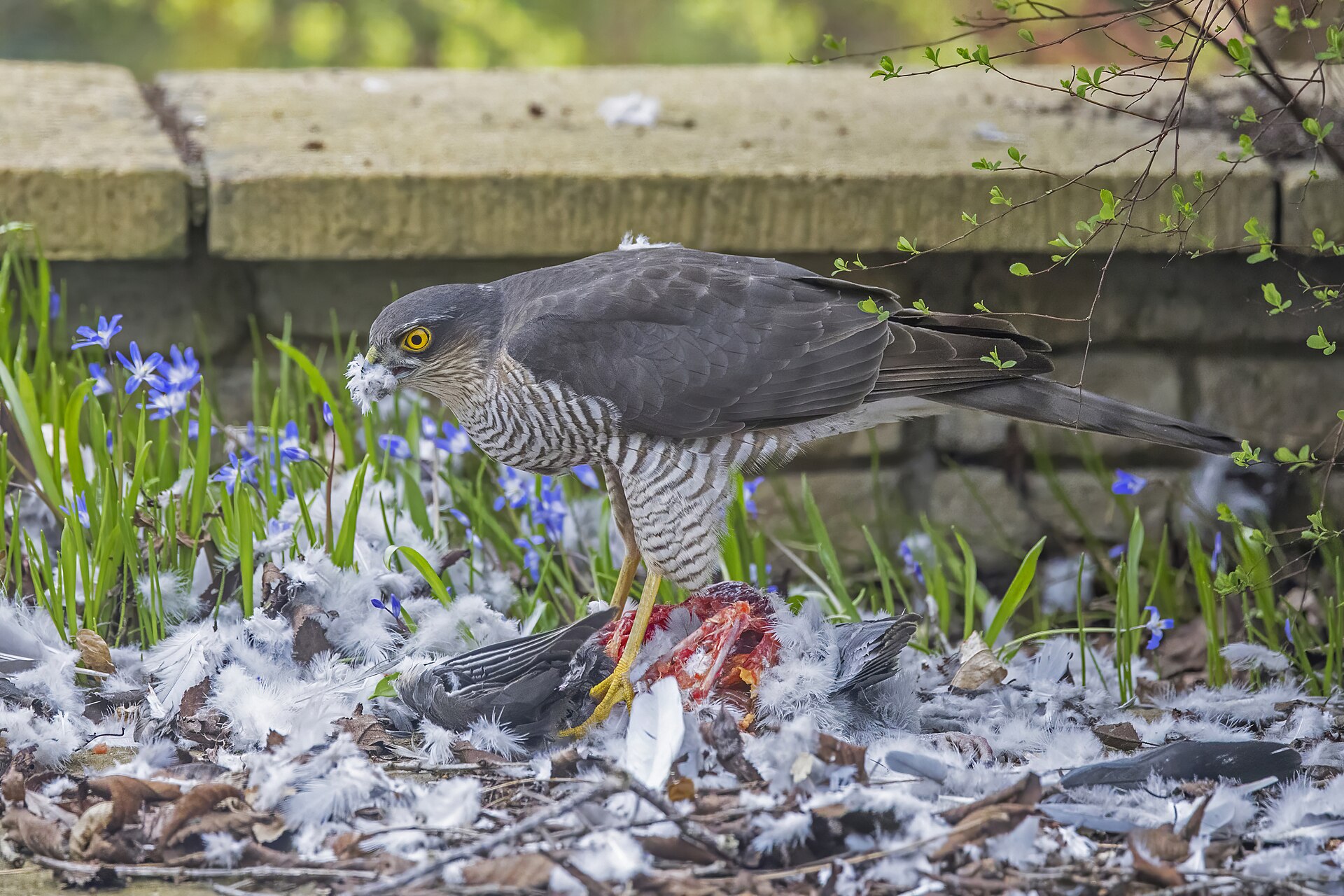
Eurasian Sparrowhawk Spring Passage Varied With the Timing of Bird Prey
Forty years of ringing data at Hel Peninsula in northern Poland linked year-to-year spring passage of Eurasian sparrowhawks…
Read story →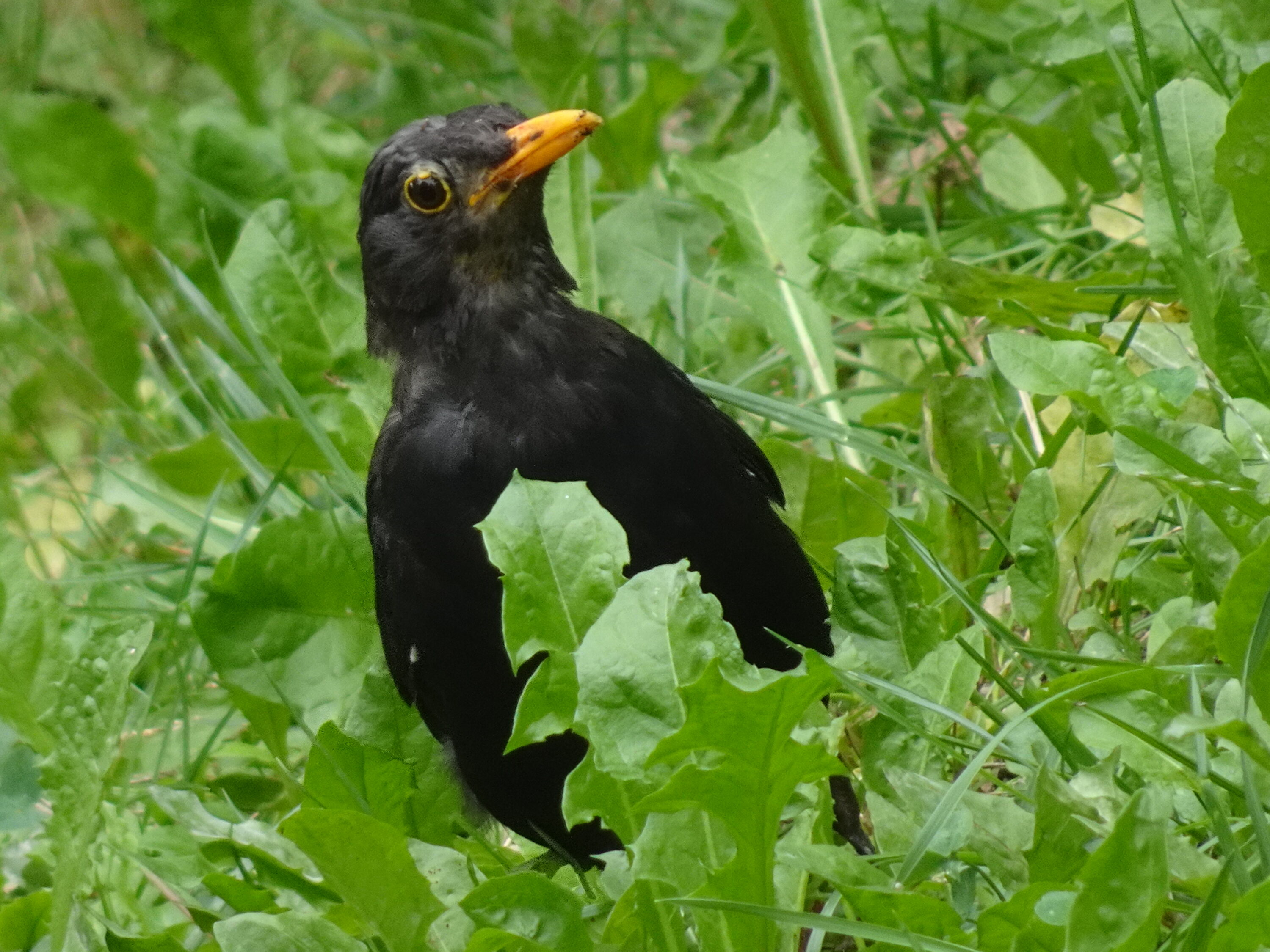
Urban Bird Diversity Was More Strongly Linked to Forest Structure Than the Surrounding City
Across 12 urban forests in three Italian cities, researchers recorded 2,035 birds from 52 species. Local forest structure…
Read story →SPECIES IN THIS STORY
Species in this story
Independent research and conservation news archive
Did you find this information useful?
Wildlife Vagabond is independently built and maintained. Voluntary support helps cover source verification, hosting and continued work on research and conservation news.
Support Wildlife VagabondThe news archive will remain freely available.