
Habitat and Prey Traits Shaped Sparrowhawk Diet Around 62 Czech Nests
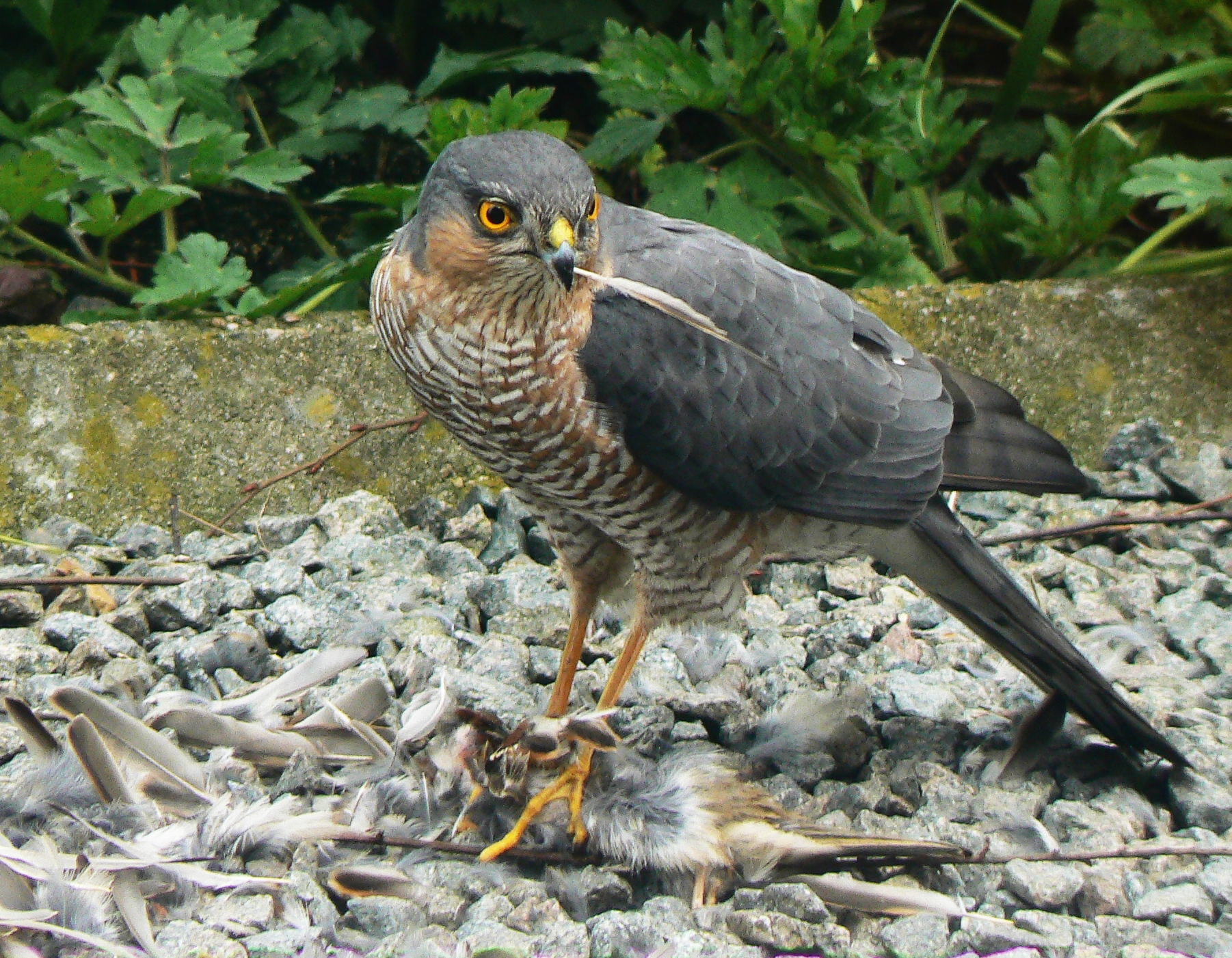
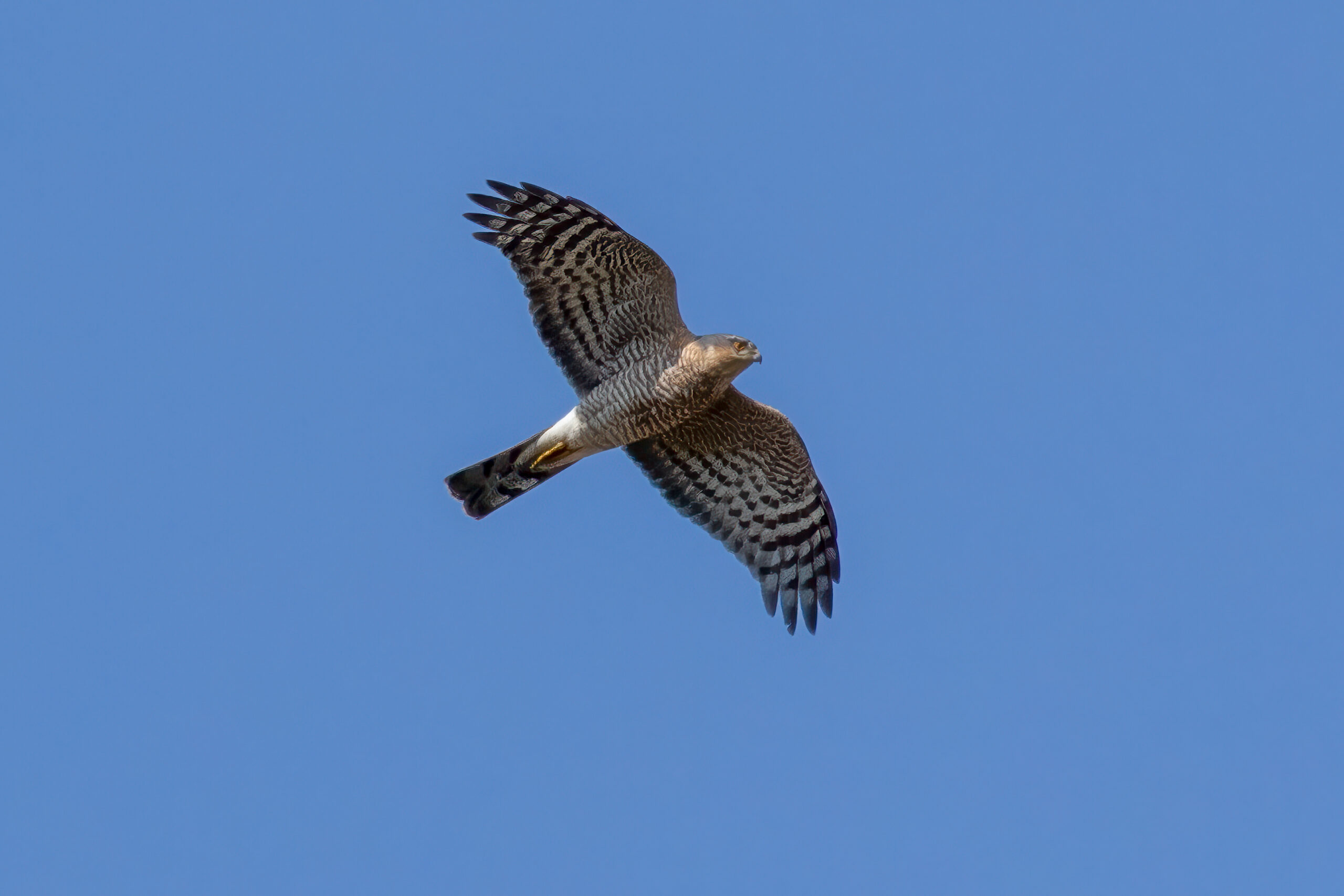
A study of Eurasian sparrowhawk (Accipiter nisus) diet in rural Czechia found that both the surrounding landscape and characteristics of potential prey were associated with which birds appeared in the raptors’ diet. Researchers analysed 1,107 prey items collected around 62 sparrowhawk nests and compared them with local bird availability.
Diet varied with the surrounding landscape
The diet consisted almost entirely of birds—98.9% of prey items and 99.5% of prey biomass. Its composition differed with the structure of land cover around the nests, while the available bird community also varied with habitat. The authors conclude that habitat structure in the hunting area helps shape which prey species breeding sparrowhawks encounter and take.
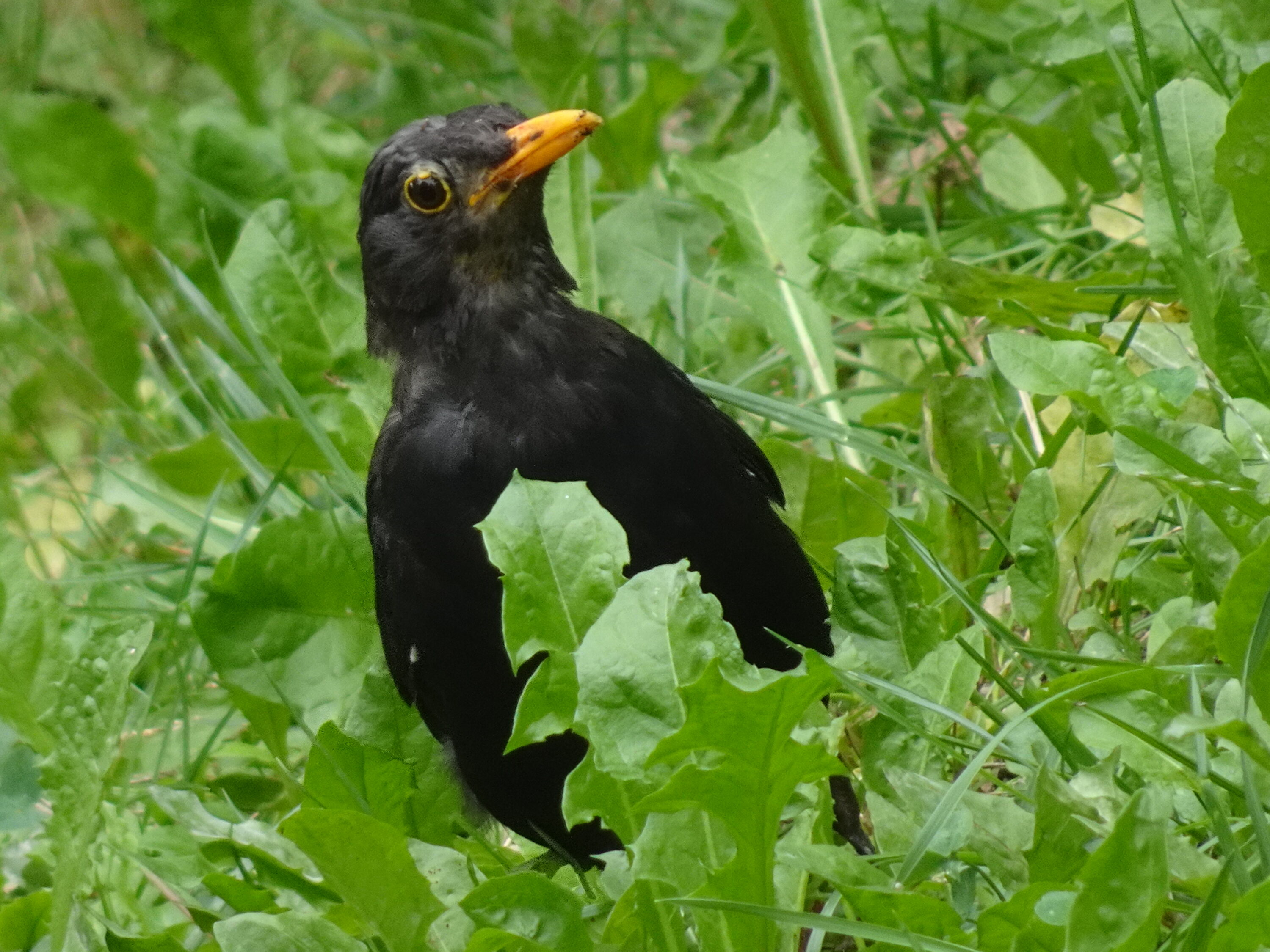
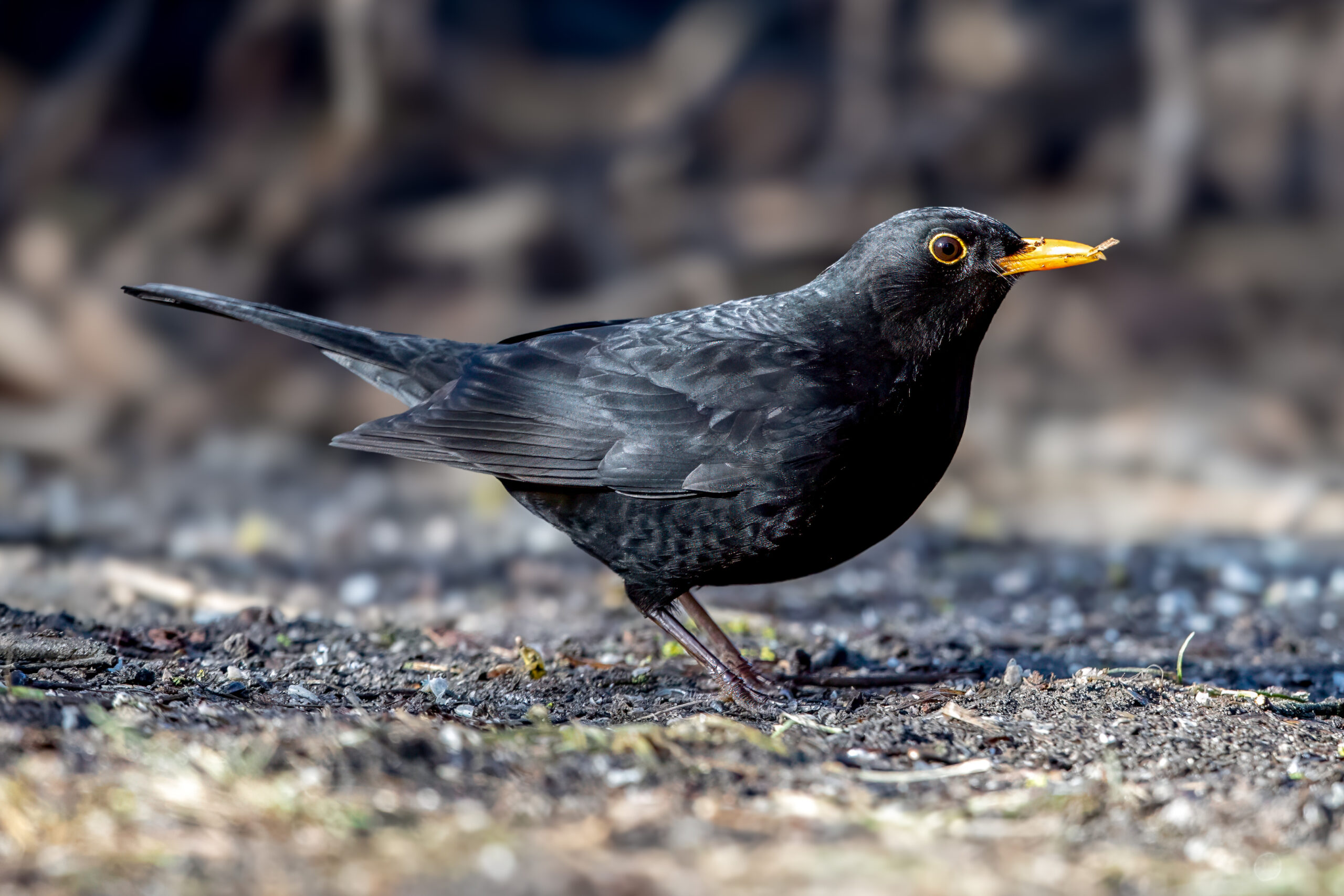
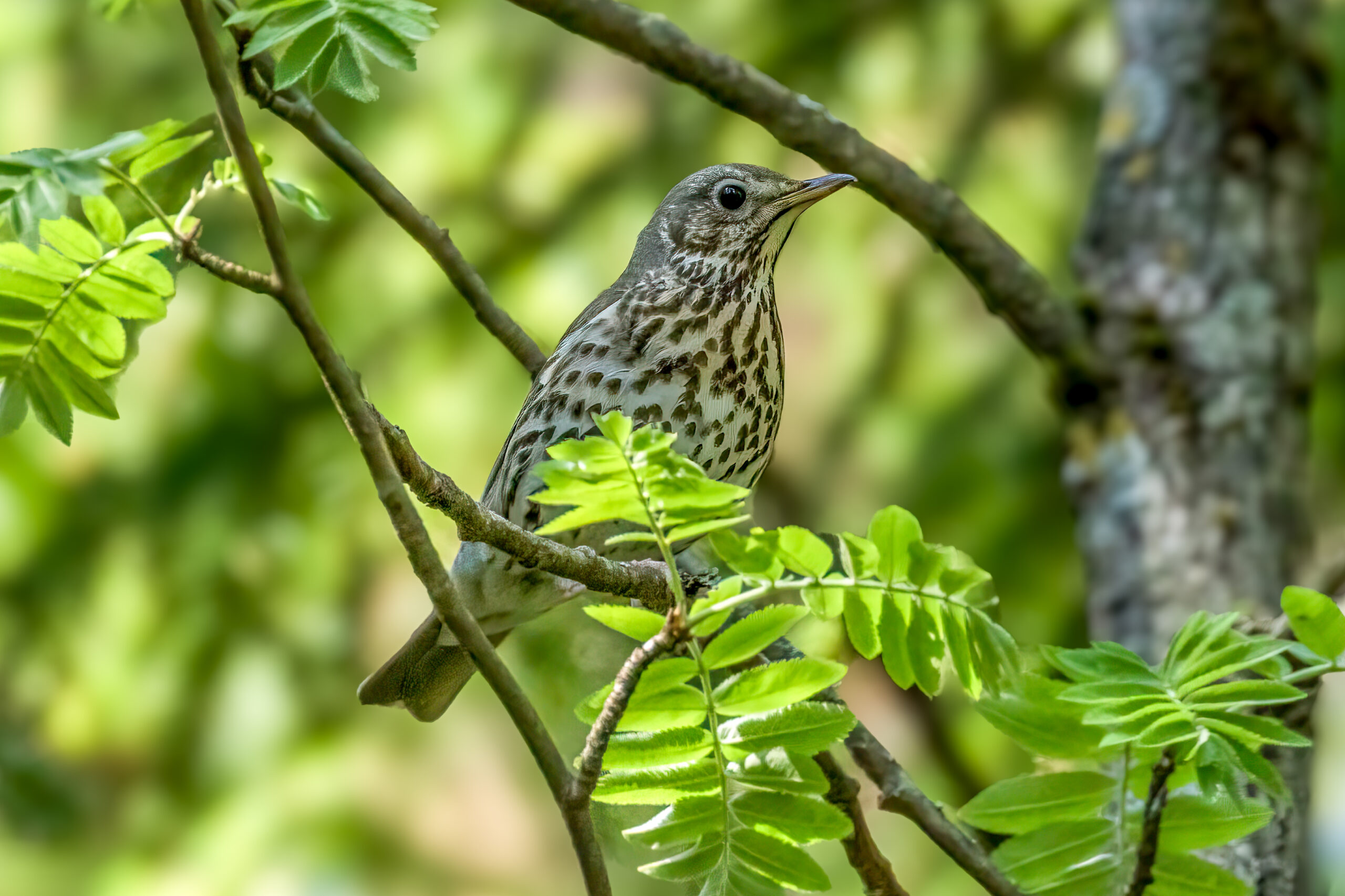
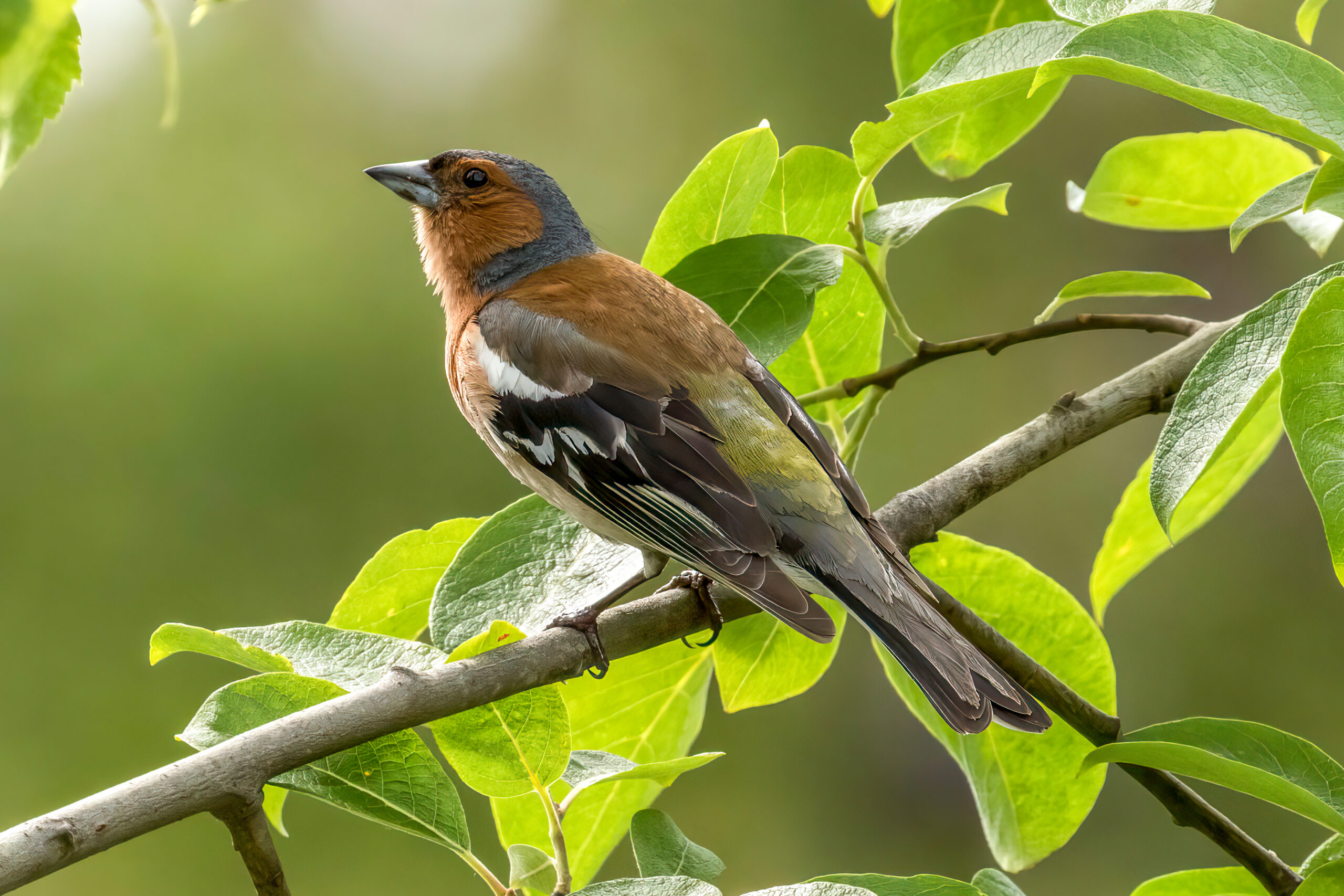
Despite the broad prey spectrum, relatively few species dominated. Eurasian blackbird, song thrush, common chaffinch, European robin and great tit together made up 55.3% of all prey items. Six species accounted for 77.6% of prey biomass, with Eurasian blackbird (32.1%) and song thrush (18.6%) contributing about half on their own; common wood-pigeon and common starling were also important biomass contributors.
The study also found that prey were not represented simply in proportion to their local abundance. Some bird species were selected more often than others relative to how commonly they occurred in the surrounding area.
Several prey traits were associated with vulnerability
Bird species of intermediate body mass—roughly 15–200 g in this study—species occurring at lower population densities and species with brighter plumage were associated with greater vulnerability to sparrowhawk predation. The researchers therefore found that prey selection reflected a combination of what was locally available and characteristics of the prey species themselves.
Although the sparrowhawks specialised strongly on birds, the prey records covered a wide range of bird species. The authors describe the predator as a bird specialist that can exploit many different species within the local prey community.
Ecology
Related news
Urban Bird Diversity Was More Strongly Linked to Forest Structure Than the Surrounding City
Across 12 urban forests in three Italian cities, researchers recorded 2,035 birds from 52 species. Local forest structure…
Read story →
PFAS Exposure Was Linked to Oxidative Stress in Starling Chicks, but Not to Similar Changes in Great Tits
Eggs near an Italian fluoropolymer plant contained up to ten times more PFAS. Starling nestlings showed signs of…
Read story →
Fieldfare and Song Thrush Confirmed as New Intermediate Hosts of Sarcocystis turdusi
Across 72 dead thrushes from Lithuania and Russia’s Kaliningrad region, DNA confirmed fieldfare and song thrush as new…
Read story →SPECIES IN THIS STORY
Species in this story
 Eurasian Sparrowhawk
Accipiter nisus Explore species →
Eurasian Sparrowhawk
Accipiter nisus Explore species →
 Eurasian Blackbird
Turdus merula Explore species →
Eurasian Blackbird
Turdus merula Explore species →
 Song Thrush
Turdus philomelos Explore species →
Song Thrush
Turdus philomelos Explore species →
 Common Chaffinch
Fringilla coelebs Explore species →
Common Chaffinch
Fringilla coelebs Explore species →
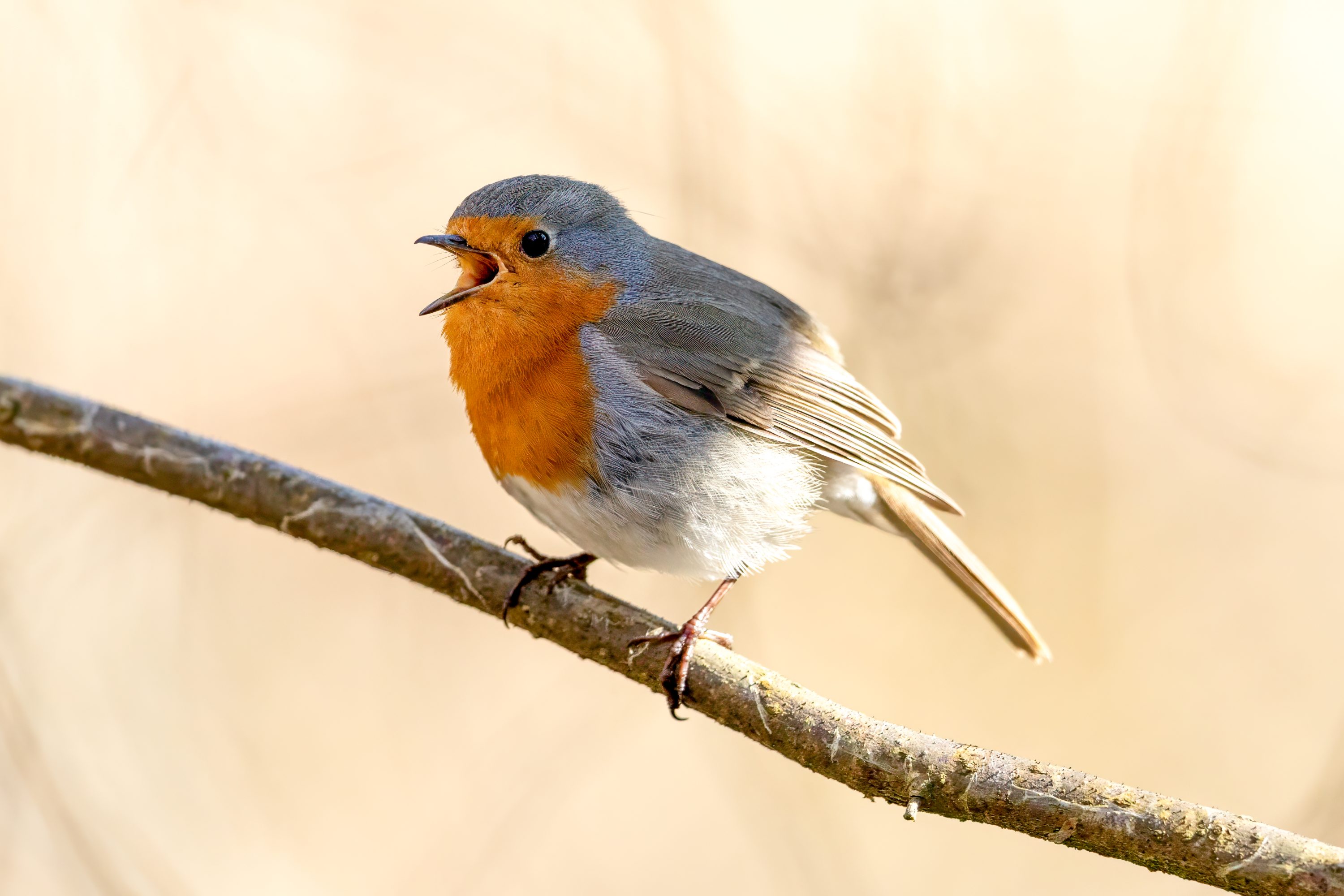 European Robin
Erithacus rubecula Explore species →
European Robin
Erithacus rubecula Explore species →
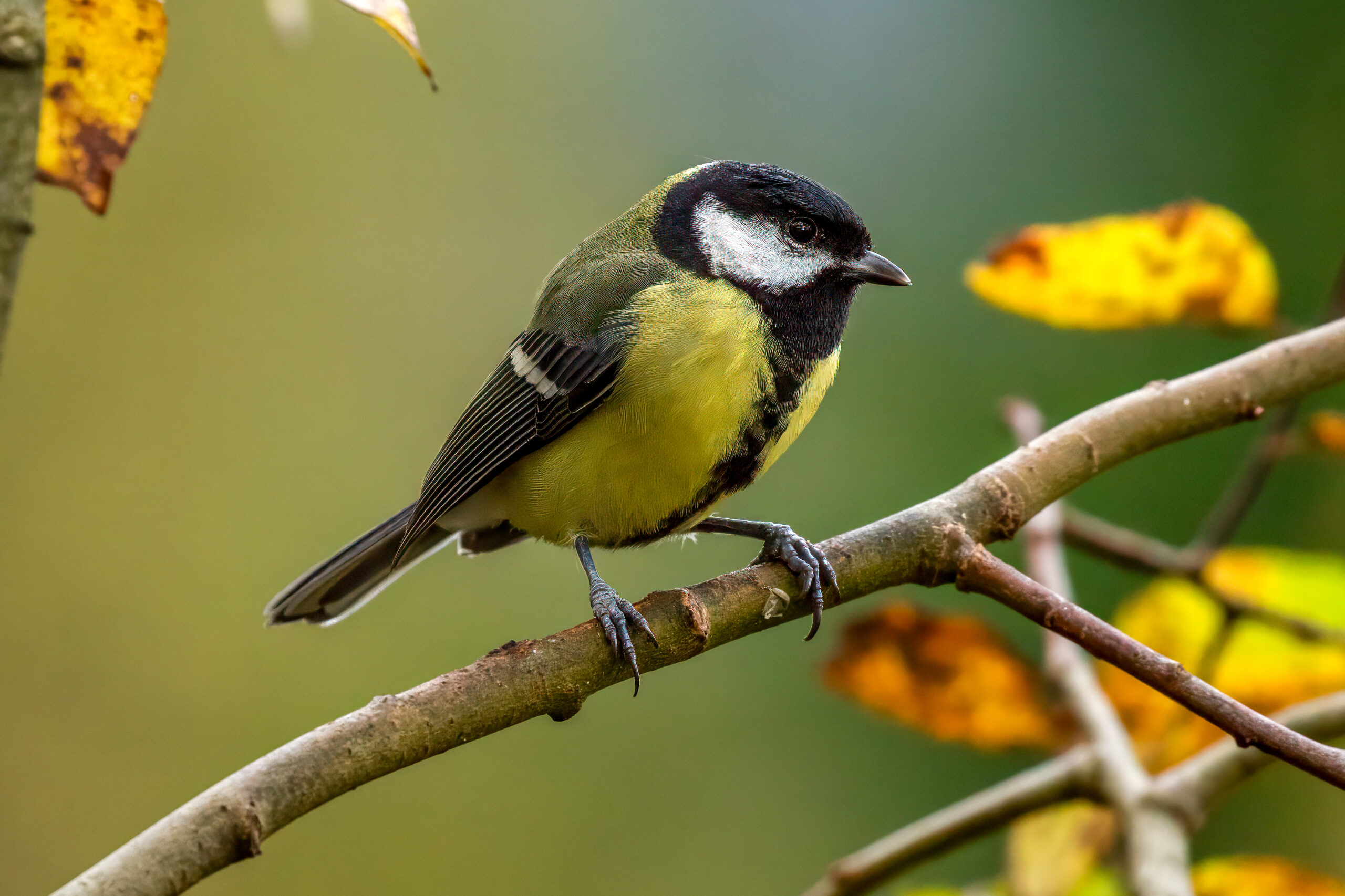 Great Tit
Parus major Explore species →
Great Tit
Parus major Explore species →
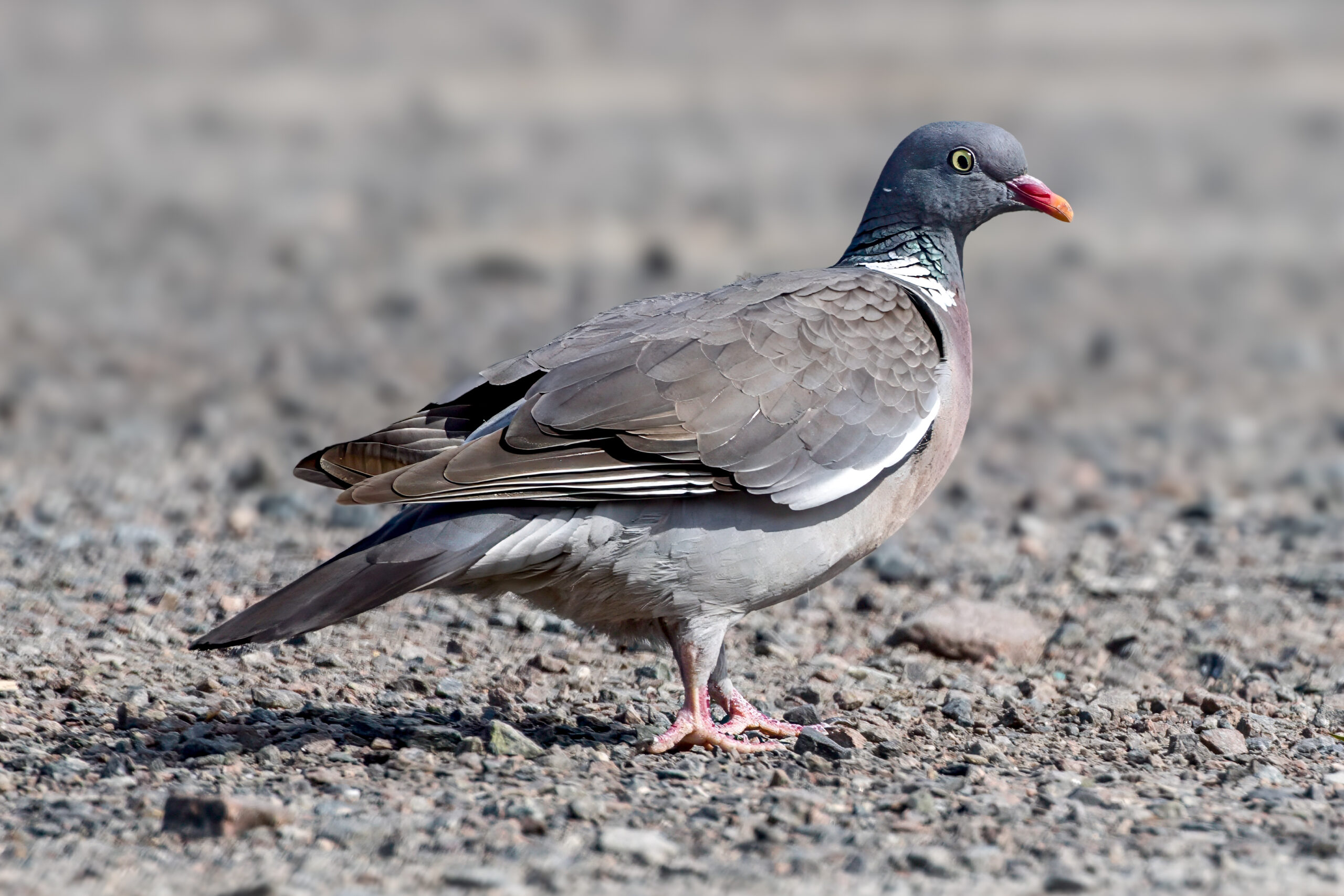 Common Wood-Pigeon
Columba palumbus Explore species →
Common Wood-Pigeon
Columba palumbus Explore species →
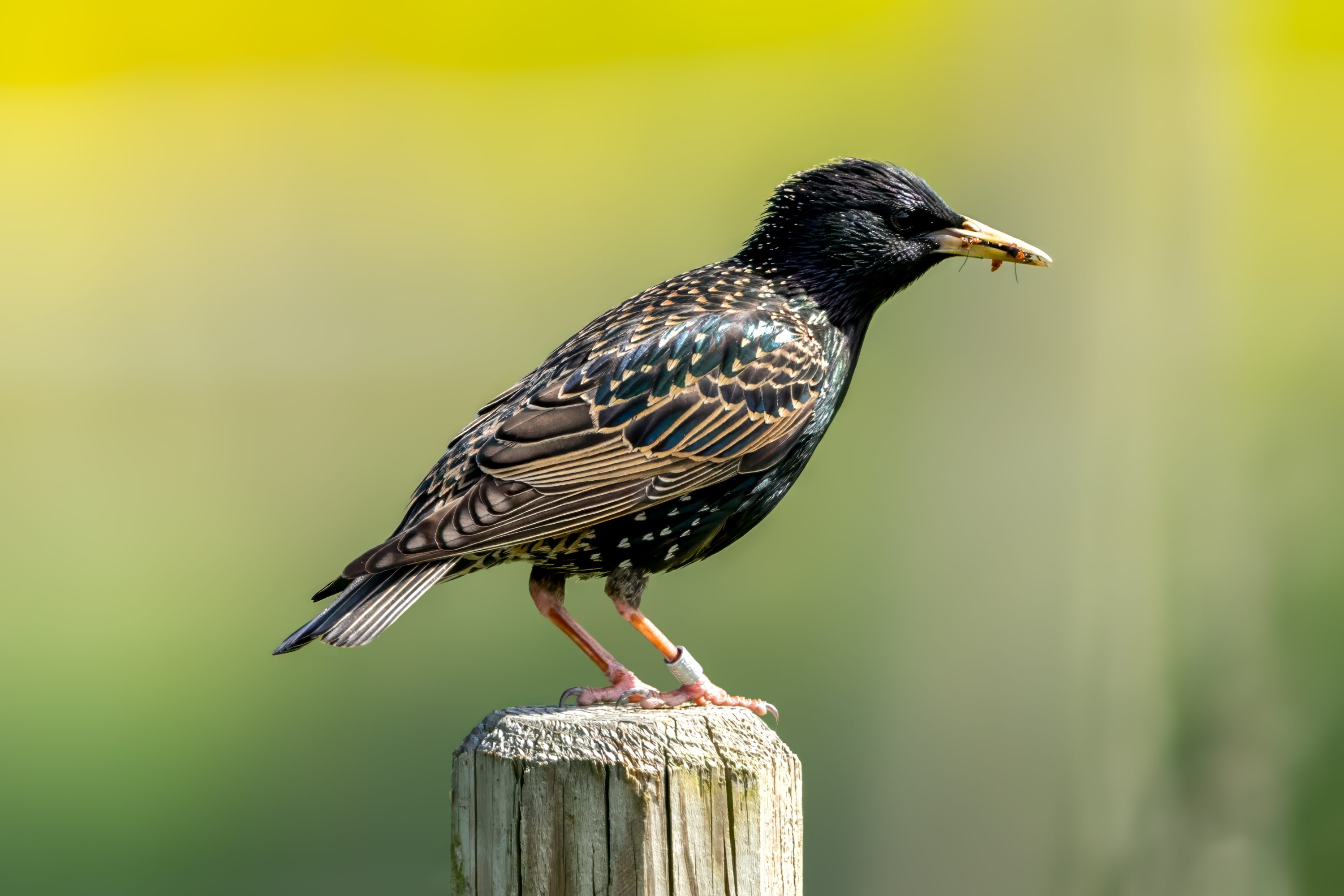 Common Starling
Sturnus vulgaris Explore species →
Common Starling
Sturnus vulgaris Explore species →
Independent research and conservation news archive
Did you find this information useful?
Wildlife Vagabond is independently built and maintained. Voluntary support helps cover source verification, hosting and continued work on research and conservation news.
Support Wildlife VagabondThe news archive will remain freely available.