
Anaplasma DNA found in all 32 dead moose calves examined in Agder
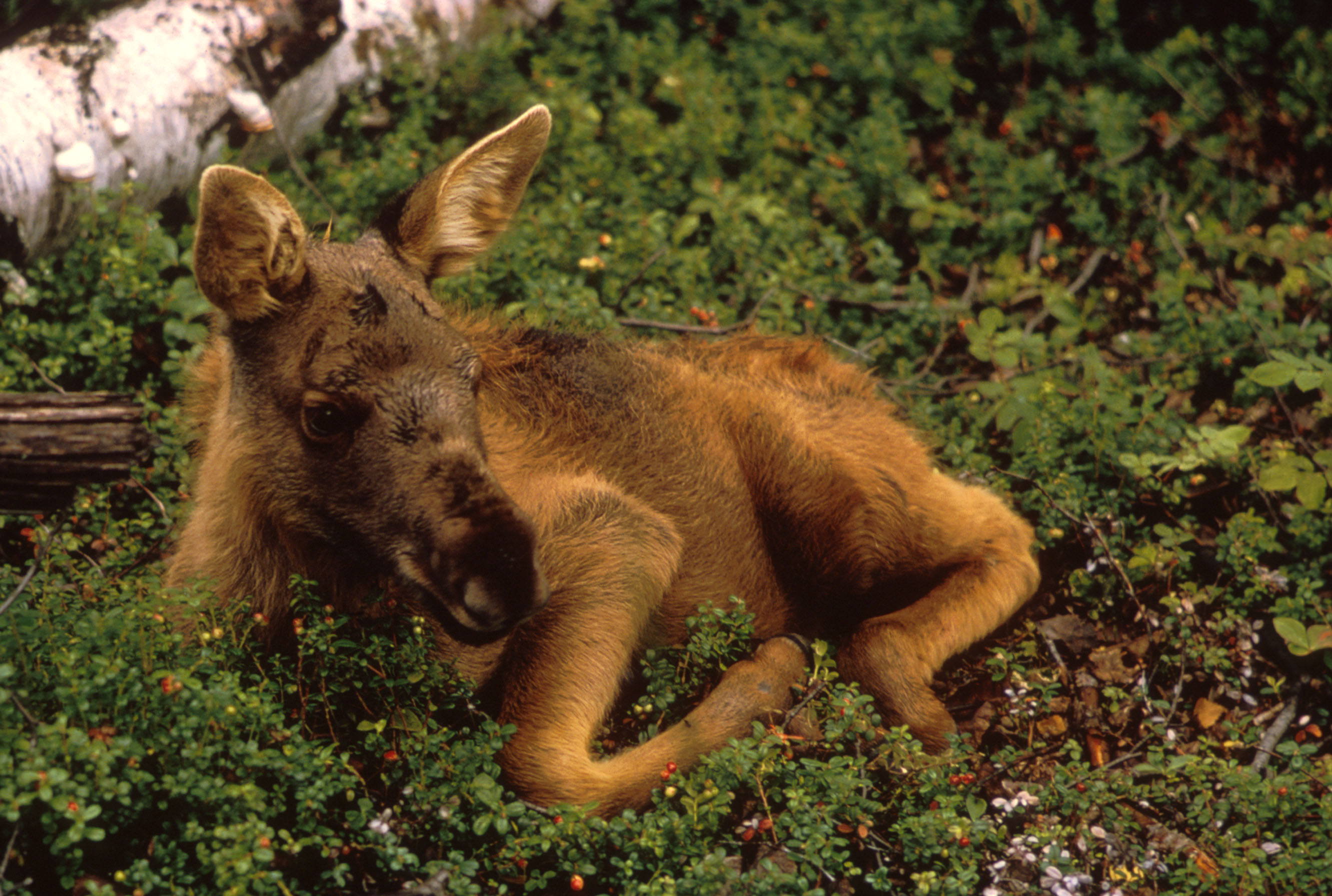
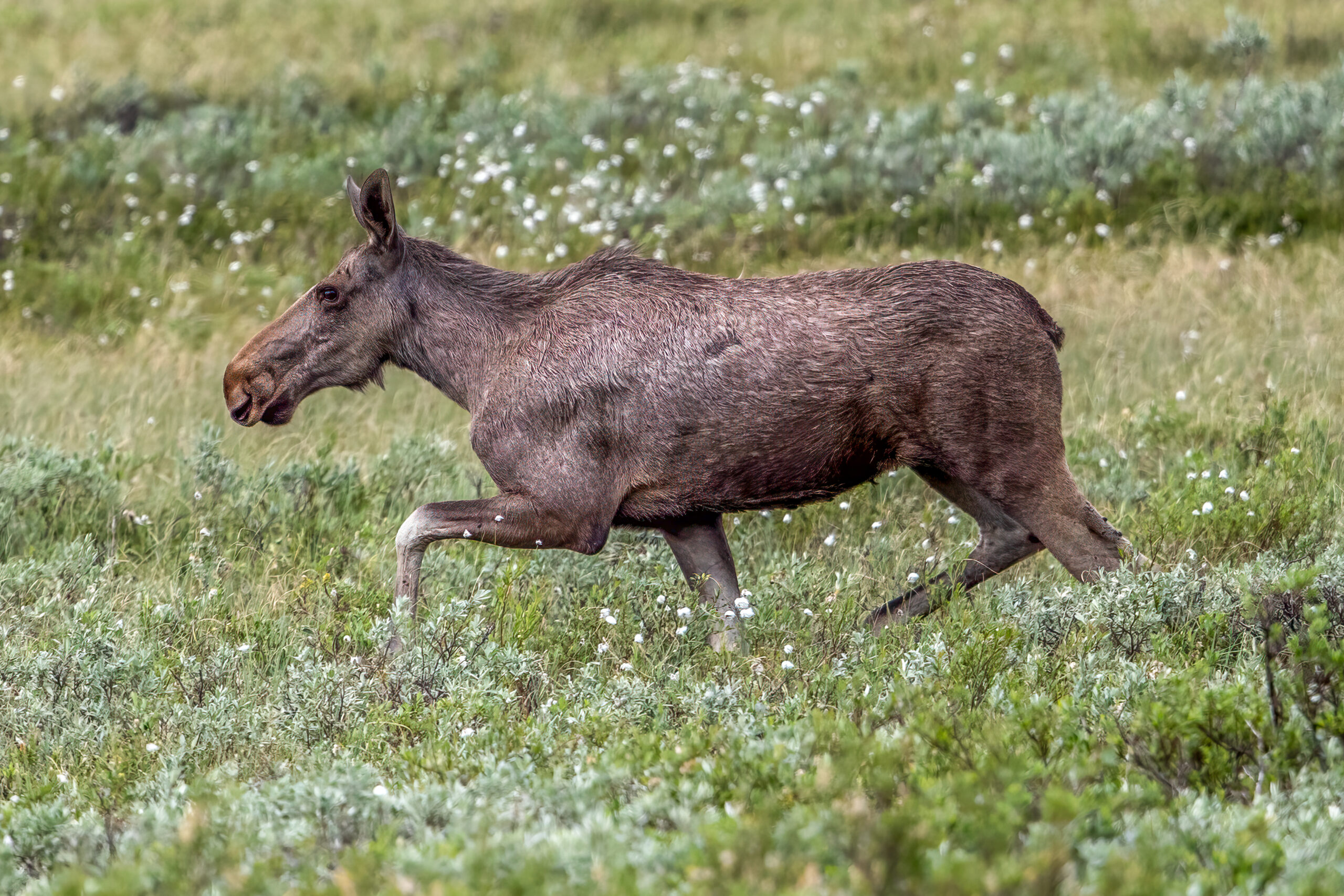
In 2023, Agder’s hunter-based calf index—the number of calves observed per cow—was 0.45, compared with an average of about 0.54 calves per cow over 2004–2023. The 2023 value was among the lowest recorded during that period. Against this background, researchers examined vector-borne pathogens in 32 calves of moose (Alces alces) found dead in the region. All 32 had DNA from the bacterium Anaplasma phagocytophilum in their spleens. DNA from bacteria in the genus Bartonella was detected in 26 calves, while nine also had DNA from the single-celled parasite Babesia cf. odocoilei.
The calves were born in 2023. Their carcasses were collected between July and December after they were found outdoors and reported to local authorities; researchers estimated that the calves were about 1–5.5 months old when they died. Using PCR tests on spleen tissue, the team screened for DNA from seven groups of vector-borne pathogens—organisms that can be carried between hosts by blood-feeding arthropods. They detected three groups; the other four were not detected in the samples. Sequencing positive samples revealed genetic variation within the detected pathogens.
Most calves had DNA from several pathogen groups
Twenty-eight of the 32 calves (87.5%) had DNA from more than one pathogen group. Nineteen had both A. phagocytophilum and Bartonella, two had A. phagocytophilum and Babesia, and seven had DNA from all three. Since A. phagocytophilum DNA was detected in every calf, all the other detections occurred alongside it.
The genetic analyses revealed variation within the detected pathogens. A relatively conserved region of the A. phagocytophilum 16S rRNA gene yielded nine sequence variants. A more variable gene, groEL, distinguished the variants more clearly: the researchers identified 18 variants, grouped into two ecotypes, or genetically distinct groups. Fourteen variants belonged to ecotype I and four to ecotype II. Both ecotypes have previously been found in Norwegian moose; earlier studies associated red deer more strongly with ecotype I and roe deer with ecotype II.
The Bartonella sequences formed two groups: ten were most similar to B. bovis, and 16 to bacteria related to B. schoenbuchensis. All Babesia-positive samples were identified as B. cf. odocoilei. Here, cf. indicates that the European parasite resembles B. odocoilei, but its taxonomic identity is not fully resolved.
The pathogens have different transmission routes
Ticks are associated with the spread of A. phagocytophilum and Babesia. In deer, Bartonella transmission is linked mainly to deer keds, blood-feeding flies that live on deer; biting midges may also contribute. The calves’ estimated ages overlap with the season when tick exposure is possible, but the study could not establish when individual animals encountered the pathogens.
Finding pathogen DNA in a spleen establishes that the DNA was present there, but does not by itself show that the animal had active disease. In cervids, A. phagocytophilum infection often causes no obvious symptoms. The bacterium infects neutrophils, white blood cells that engulf microbes, and can reduce their ability to do so and disrupt inflammatory responses. These effects may make it harder for an animal to handle other infections or stressors. Bartonella infections in cervids are also generally considered subclinical, meaning they cause no clear signs of illness. Clinical disease associated with Babesia is uncommon in wild cervids, but destruction of red blood cells can cause anaemia and reduced vitality when infection occurs alongside other stressors.
The findings document pathogen DNA in the examined dead calves, but the study had no healthy calves for comparison. It therefore cannot show whether the pathogens contributed to the deaths or how common they are in moose generally.
Disease, parasites & microbiology
Related news
Hunter observations produced stable moose indices, but precision varied
Across six Swedish hunting seasons, hunter observations produced stable indices of moose abundance and population structure. How precise…
Read story →
Arctic Moose Follow the River Valleys
GPS tracking in Alaska showed that half of 24 female moose migrated between summer and winter ranges. Migrants…
Read story →
Thermal Drones Found Nearly All Moose in Favourable Winter Weather
Swedish trials found detection close to 100% in cold, overcast winter conditions, but the survey effort needed for…
Read story →SPECIES IN THIS STORY
Species in this story
Independent research and conservation news archive
Did you find this information useful?
Wildlife Vagabond is independently built and maintained. Voluntary support helps cover source verification, hosting and continued work on research and conservation news.
Support Wildlife VagabondThe news archive will remain freely available.