
Hunter observations produced stable moose indices, but precision varied
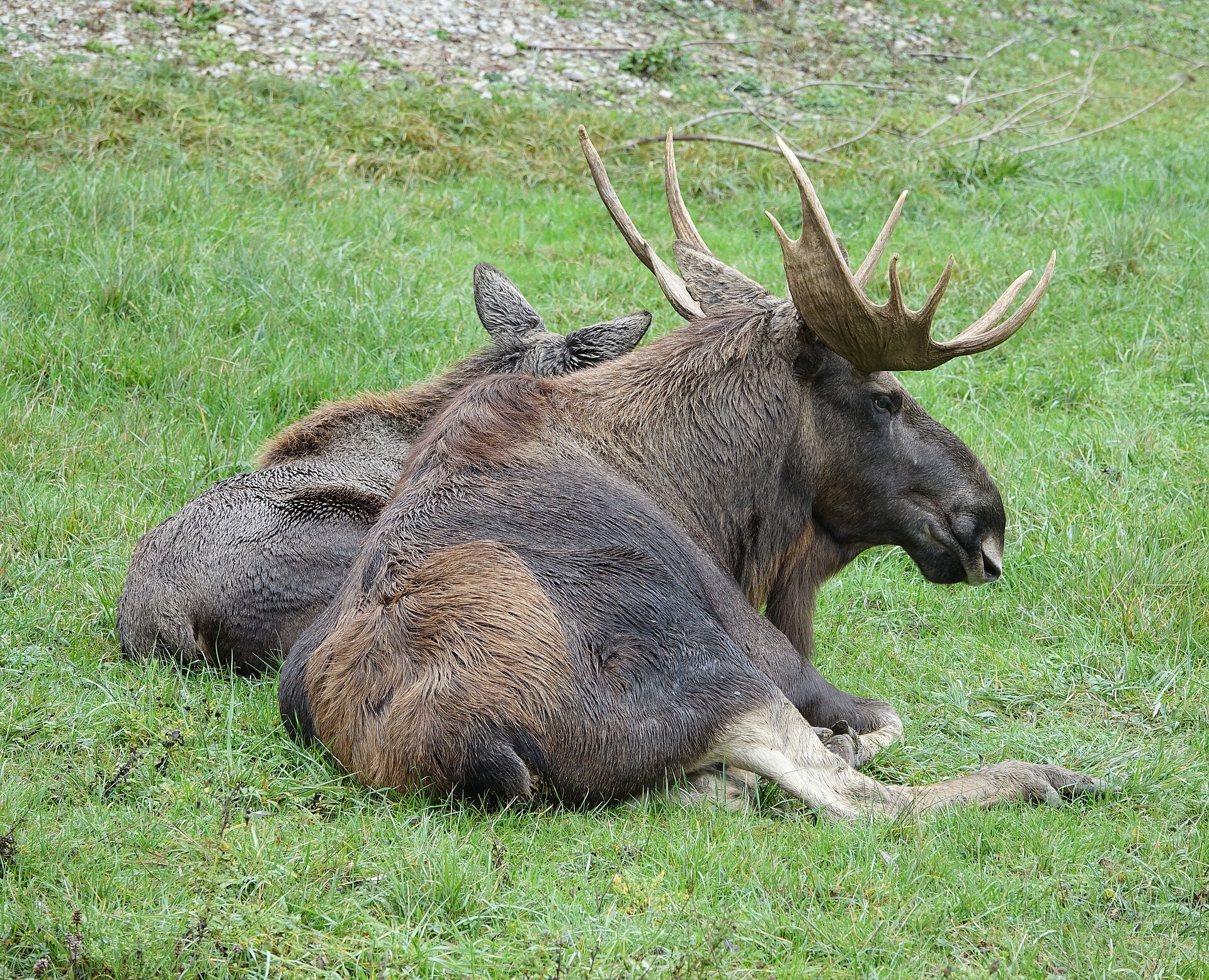
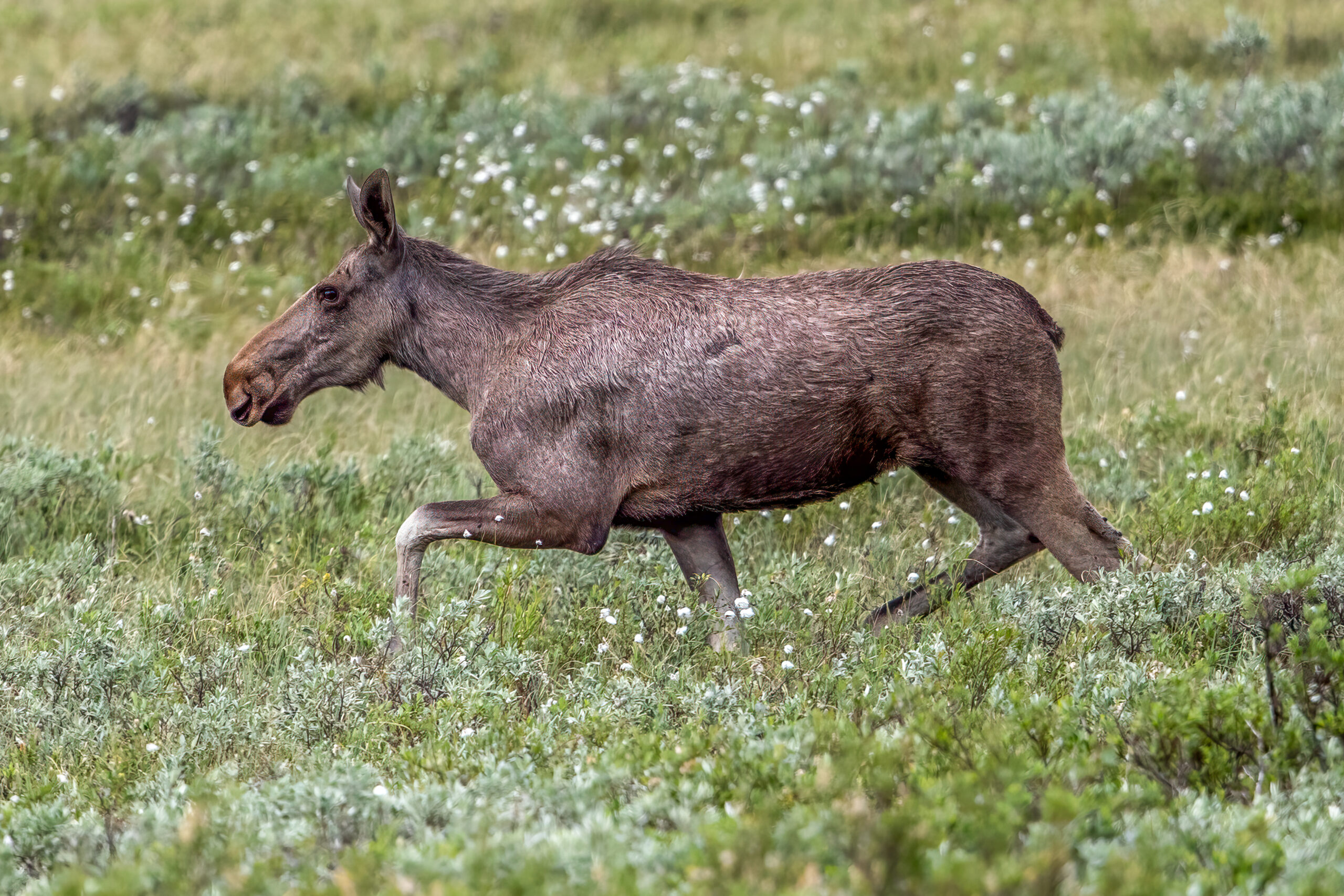
Can hunters’ sightings help track moose across an entire country? A study of Sweden’s ÄlgObs program examined how well observations made during hunting could monitor moose (Alces alces) across Moose Management Areas. It assessed three indicators: relative abundance, the proportion of observed adult moose that were bulls, and the number of calves observed per adult female.
The researchers analysed six hunting seasons, from 2019/2020 to 2024/2025. Hunting teams recorded observations during their first seven hunting days within the first month of the season. Relative abundance was calculated as moose seen per observation-hour, so it provides an index for comparing abundance rather than a direct count of all moose in an area. Across all management-area and season combinations, the estimates of all three indicators eventually settled into stable values under the observation effort recorded.
More effort made estimates more precise
Stability does not necessarily mean high precision. The researchers measured precision with the coefficient of variation, or CV, which describes how much an estimate varies relative to its size. A lower CV indicates a more precise estimate. For relative abundance, reaching the study’s management threshold of CV ≤ 0.125 typically required about 4,300–6,600 observation-hours. Norrland generally required more effort than the southern regions.
Within the first month of the hunting season, 82% of the Götaland management-area and season combinations reached that threshold for relative abundance, compared with 71% in Svealand and 50% in Norrland. A less demanding threshold, CV ≤ 0.25, was reached for this indicator in 95%, 92% and 79% of combinations, respectively.
The demographic indicators were harder to estimate precisely in some areas. In Norrland, 48% of combinations reached CV ≤ 0.125 for the proportion of bulls, and 33% did so for calves per adult female within the first month. These indicators also needed more observation effort to settle into stable values than relative abundance. The stricter CV ≤ 0.05 threshold was rarely reached during the month for any of the three indicators.
Stable indices are not exact population counts
The results show how a nationwide hunter-observation program can provide useful, repeatable indices across large areas, while also revealing where estimates are less precise. In places with consistently low participation, the authors say complementary monitoring may be needed. The study evaluated the stability and precision of ÄlgObs estimates, not whether they match the true number of moose or the exact demographic rates. The indices can therefore help track relative abundance and population structure, but should not be mistaken for exact counts.
Ecology
Related news
Anaplasma DNA found in all 32 dead moose calves examined in Agder
Spleen samples from 32 moose calves found dead in Agder contained Anaplasma DNA in all 32, Bartonella DNA…
Read story →
Arctic Moose Follow the River Valleys
GPS tracking in Alaska showed that half of 24 female moose migrated between summer and winter ranges. Migrants…
Read story →
Thermal Drones Found Nearly All Moose in Favourable Winter Weather
Swedish trials found detection close to 100% in cold, overcast winter conditions, but the survey effort needed for…
Read story →SPECIES IN THIS STORY
Species in this story
Independent research and conservation news archive
Did you find this information useful?
Wildlife Vagabond is independently built and maintained. Voluntary support helps cover source verification, hosting and continued work on research and conservation news.
Support Wildlife VagabondThe news archive will remain freely available.