
Arctic Moose Follow the River Valleys
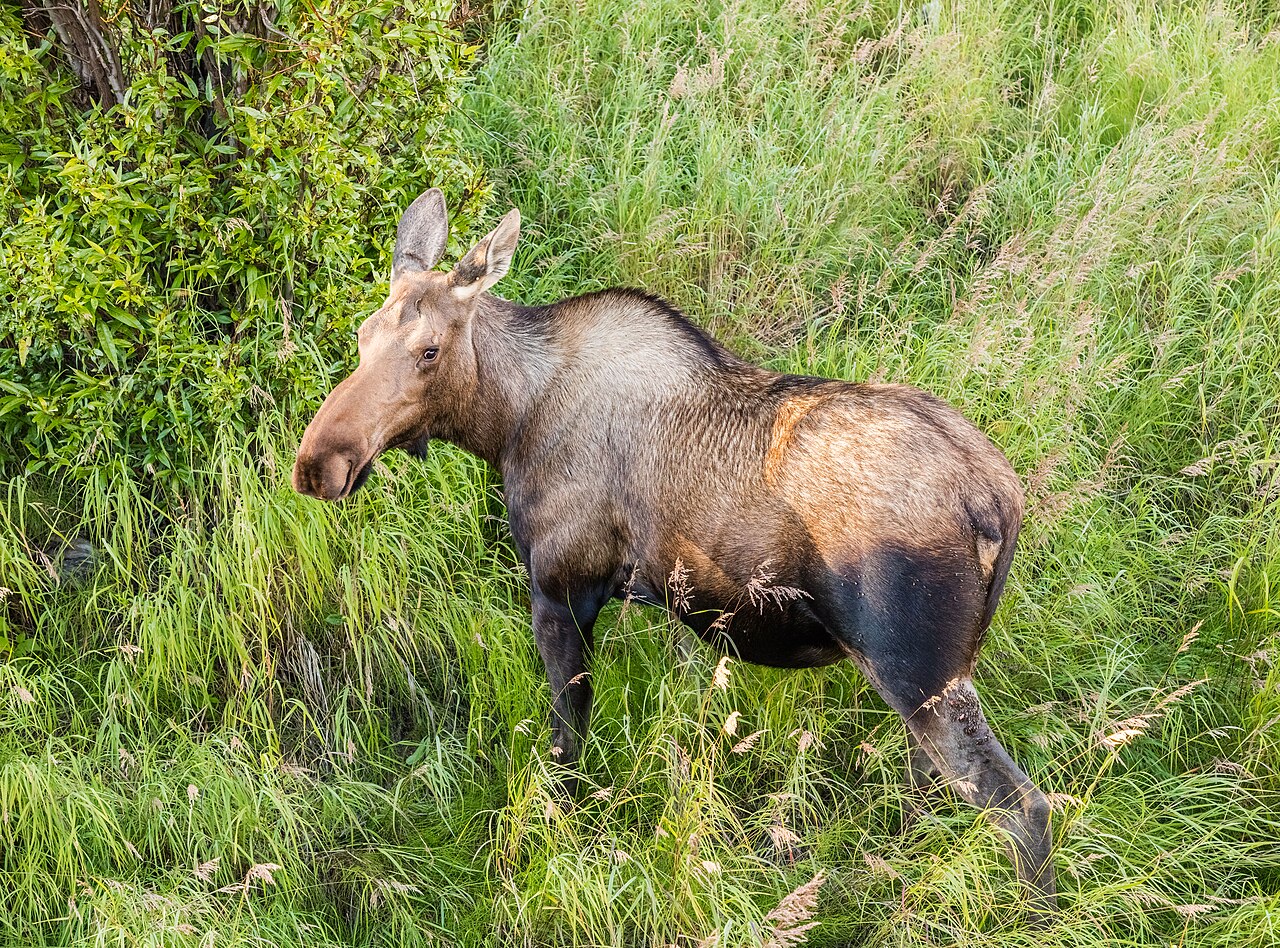
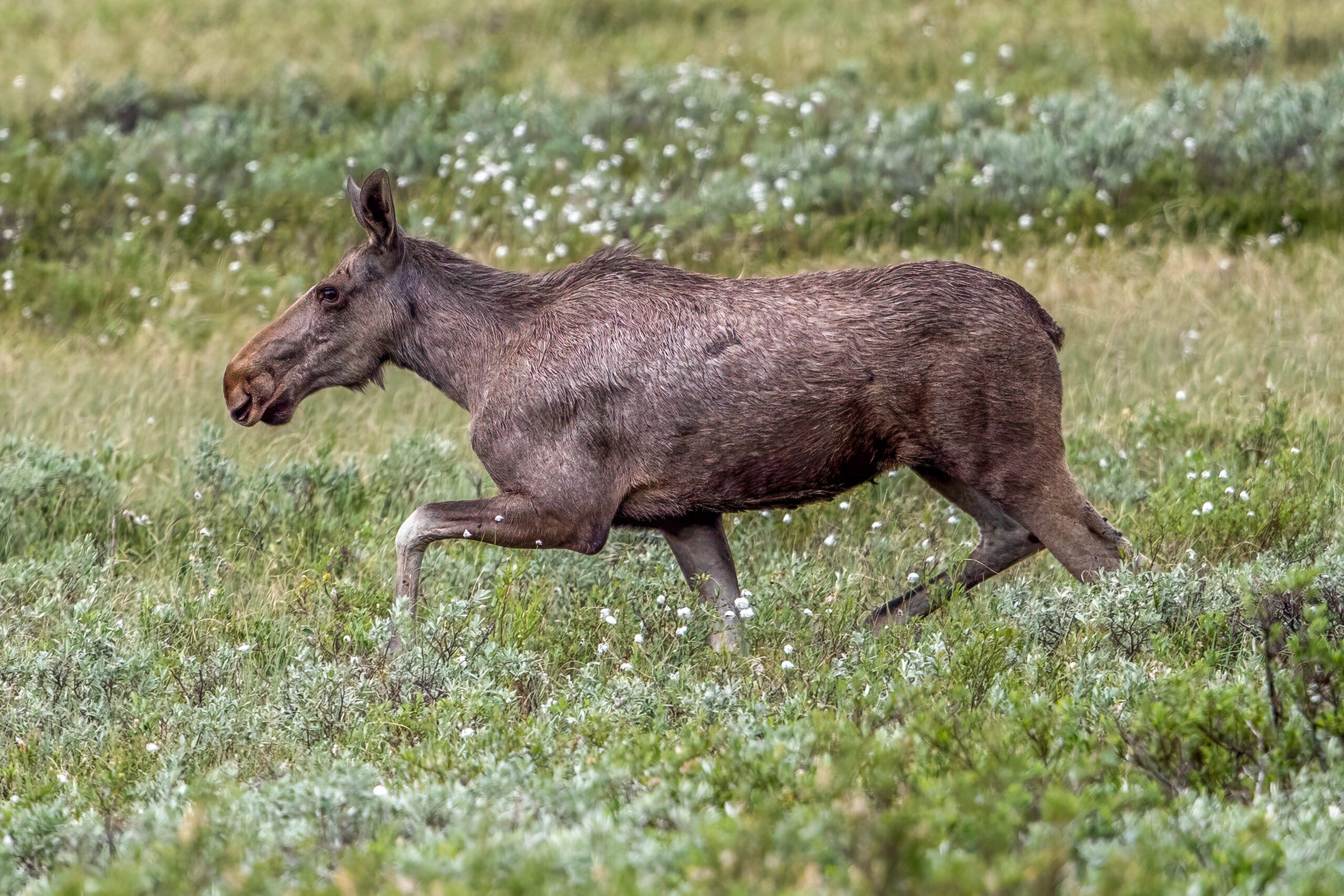
Along rivers in northern Alaska, moose (Alces alces) find something much of the surrounding tundra lacks: dense shrubs providing good forage. A study of 24 adult females shows how important these habitats are throughout the year. The animals favoured deciduous shrubs and forbs near rivers in both summer and winter, and sought similar vegetation while migrating between seasonal ranges.
Researchers tracked the females by GPS in and around Arctic National Wildlife Refuge from 2022 to 2024. The population was partially migratory: half moved between summer and winter ranges, while the others remained more resident.
Some travelled into Canada
Migration was more common in the east, where eight of twelve females migrated, compared with four of twelve in the west. Eastern migrants followed relatively concentrated routes through mountain river valleys to the Old Crow Flats wetlands in Canada’s Yukon Territory. They returned along the same corridor in autumn. Western routes were more scattered, linking river valleys and the coastal plain.
Individuals did not necessarily do the same thing every year. Of the 21 females tracked for more than one year, two switched between migrating and remaining resident.
Food and easier travel
Despite their different movement patterns, the moose favoured many of the same surroundings. They selected riverside areas with deciduous shrubs and forbs, generally avoiding rugged terrain and evergreen shrub cover. In summer they also avoided areas dominated by grasses and grasslike plants; in winter they additionally selected areas with broadleaf trees.
Tall willow and birch thickets concentrate food, and twigs projecting above the snow remain accessible in winter. During spring migration, the animals particularly avoided deep snow and higher ground. River valleys therefore appear to offer both forage and less demanding travel. During autumn migration, moose used cooler areas.
The researchers suggest that expanding deciduous shrub cover on the tundra could help moose spread farther north. Meanwhile, the journeys to Yukon show that important summer and winter ranges lie on opposite sides of the border. Managing these moose therefore requires treating their Alaskan and Canadian habitats as parts of the same landscape.
Ecology
Related news
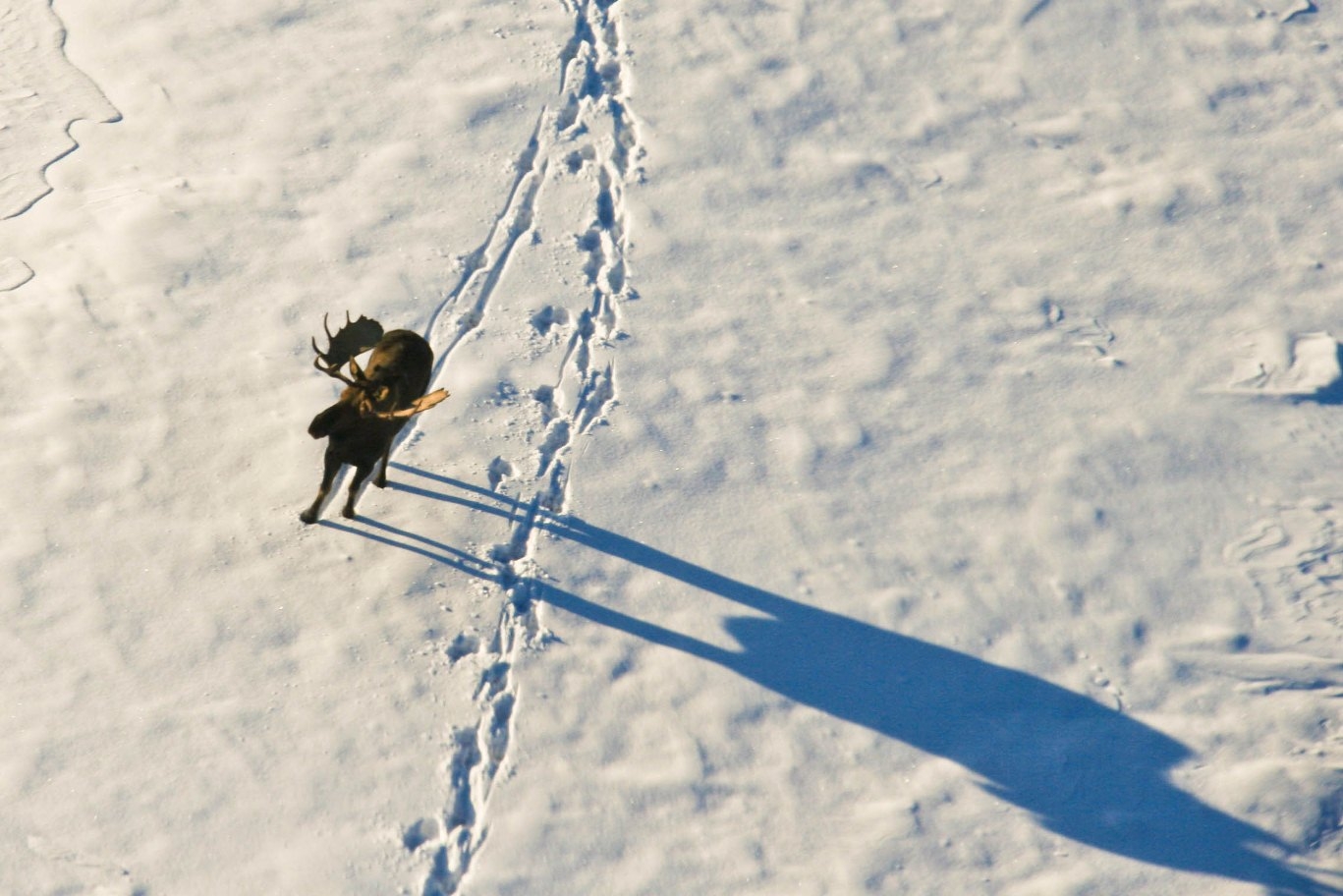
Thermal Drones Found Nearly All Moose in Favourable Winter Weather
Swedish trials found detection close to 100% in cold, overcast winter conditions, but the survey effort needed for…
Read story →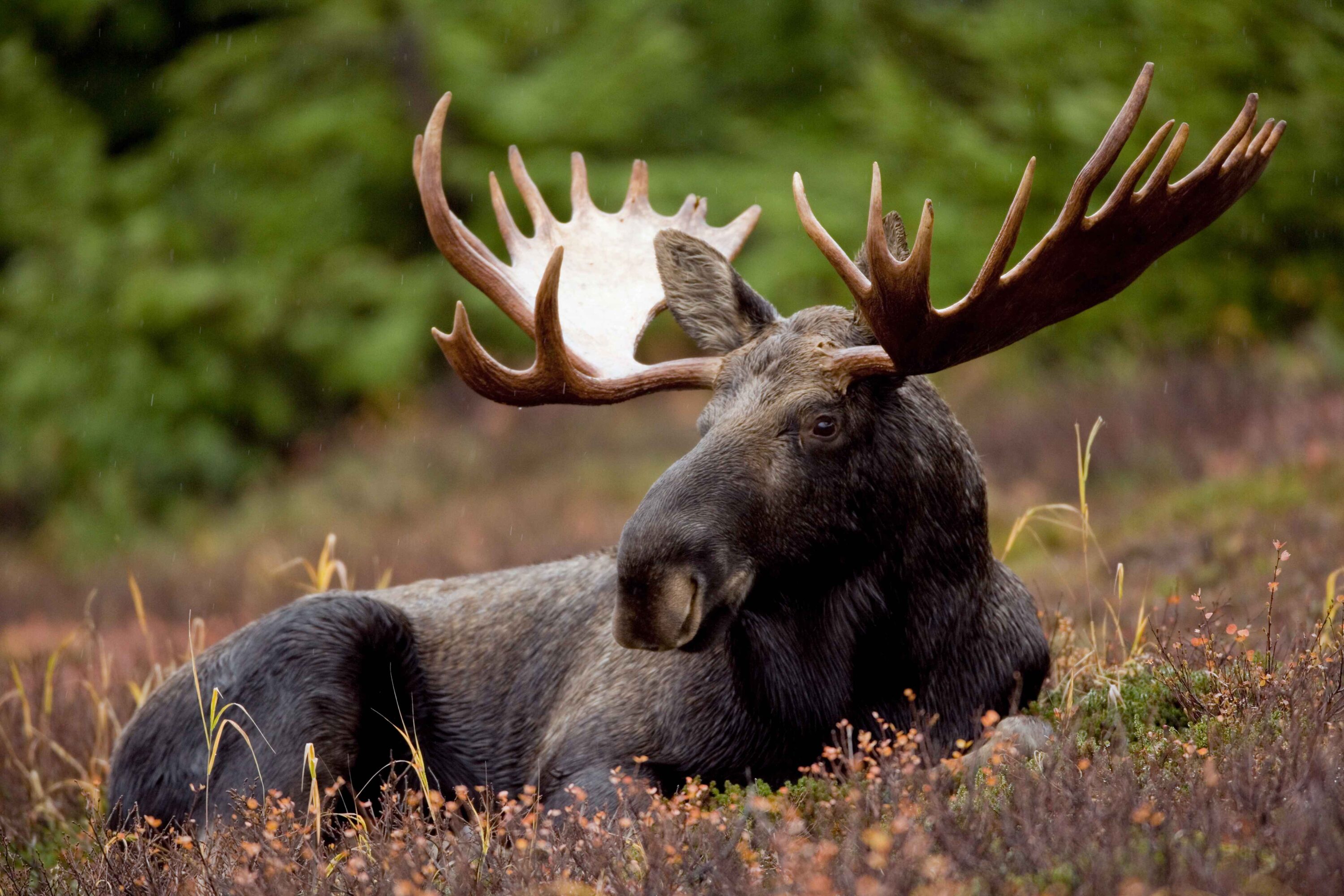
Even Adirondack Park’s Densest Moose Area Was Too Sparse for Precise Aerial Estimates
Helicopter surveys estimated about 92 moose in the Adirondack core in 2024 and 112 in 2025, but broad…
Read story →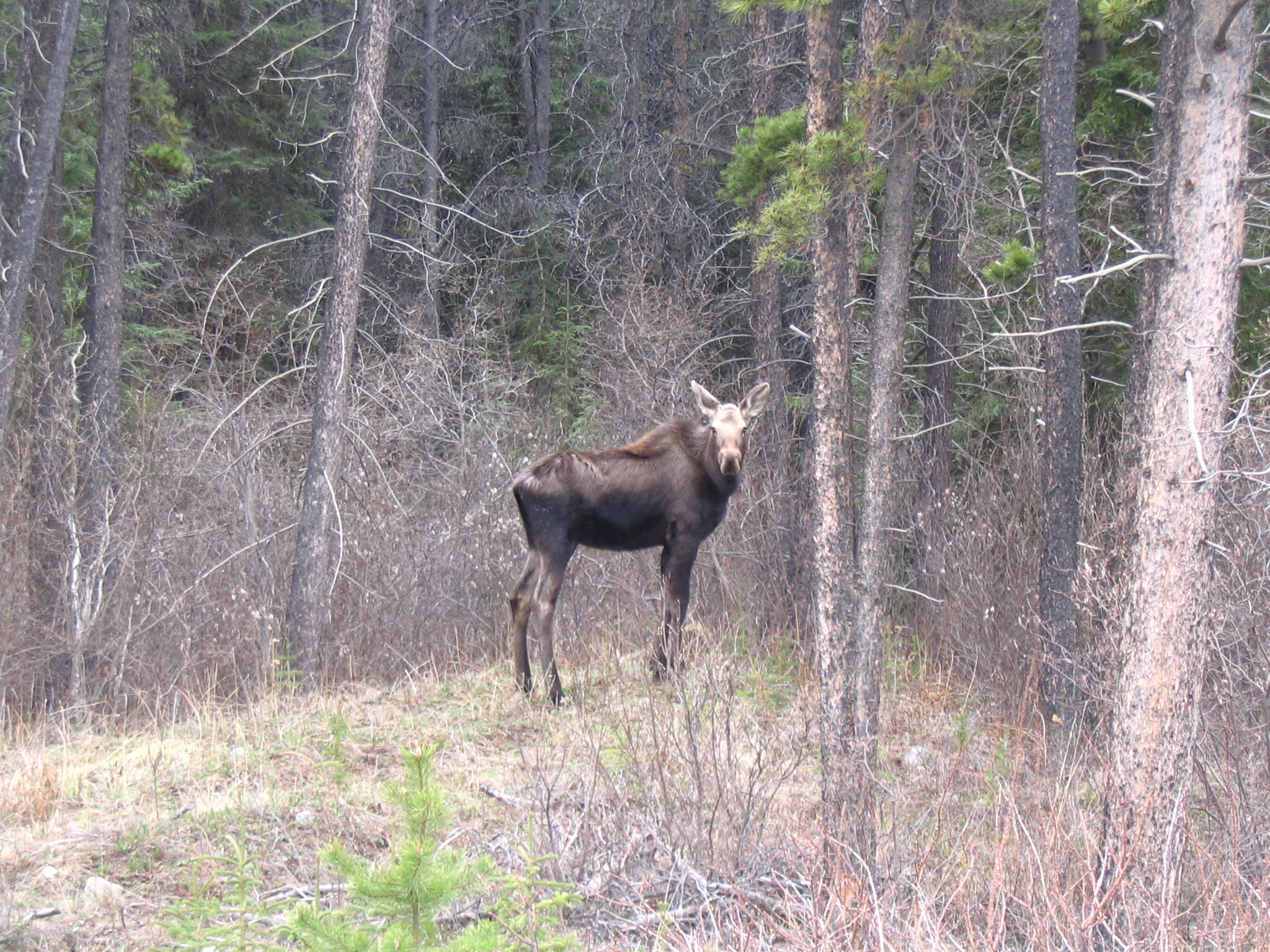
Female Moose Were More Likely to Migrate When Winter Ranges Had More Wildfire Disturbance
GPS data from 461 female moose in central British Columbia showed that spring migration was more likely when…
Read story →SPECIES IN THIS STORY
Species in this story
Independent research and conservation news archive
Did you find this information useful?
Wildlife Vagabond is independently built and maintained. Voluntary support helps cover source verification, hosting and continued work on research and conservation news.
Support Wildlife VagabondThe news archive will remain freely available.