
Ashy-grey Little Egret Photographed Twice at Anasagar Lake
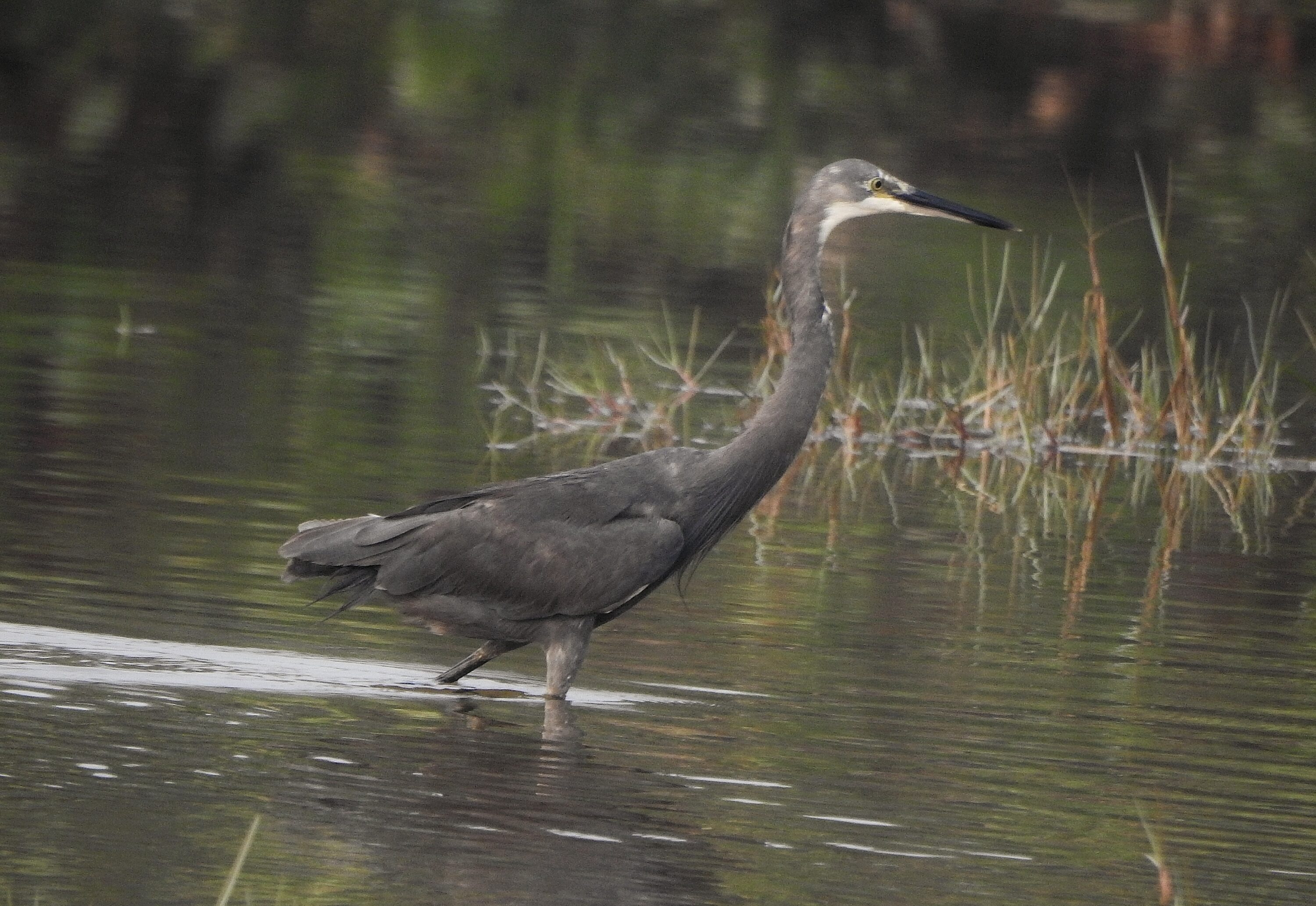
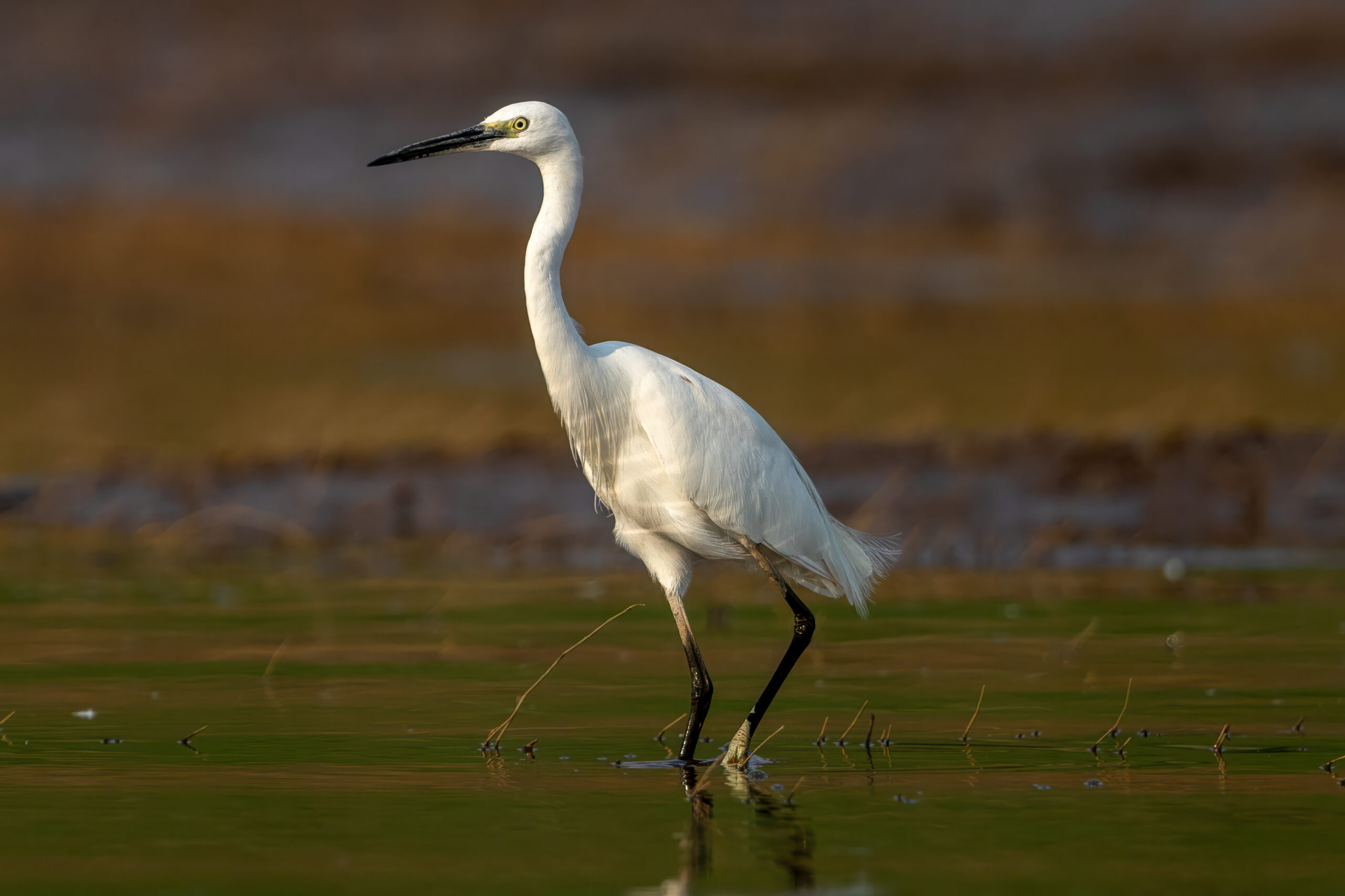
An unusually coloured little egret (Egretta garzetta) with almost uniformly ashy-grey plumage was photographed at Anasagar Lake in Ajmer, Rajasthan, on 15 December 2025 and again on 29 May 2026. The bird retained the main features of a little egret, including a slender black bill, black legs, yellow feet and elongated plumes.
Instead of the species’ usual white plumage, the head, neck, mantle, wings and underparts were grey to ashy-grey. The colour appeared smooth and broadly symmetrical rather than patchy, and it was seen under bright field conditions on observations more than five months apart.
A dilution-like aberration was the leading explanation
The authors considered the appearance most consistent with a dilution-like plumage aberration, in which altered pigment deposition can give feathers a paler or washed-out colour. They regarded simple staining as less likely because the grey tone was even across the body and lacked the localised marks often produced by mud or algae.
The interpretation remains provisional. No feathers, blood or other biological material were collected, and the bird was not captured or handled. The study therefore could not test the pigmentation directly or identify a genetic cause.
Other explanations could not be ruled out
The authors also discuss dark or intermediate colour-morph expression and possible hybrid origin, particularly involving Indian reef heron (Egretta gularis). Photographs alone could not distinguish conclusively among these alternatives.
The value of the record is therefore the repeated documentation of the same distinctive phenotype rather than a confirmed diagnosis. Two observations separated by more than five months show that the unusual plumage was persistent, but one bird at one lake cannot indicate how frequent such colour variants are in the wider little egret population.
Anatomy & morphology
Related news
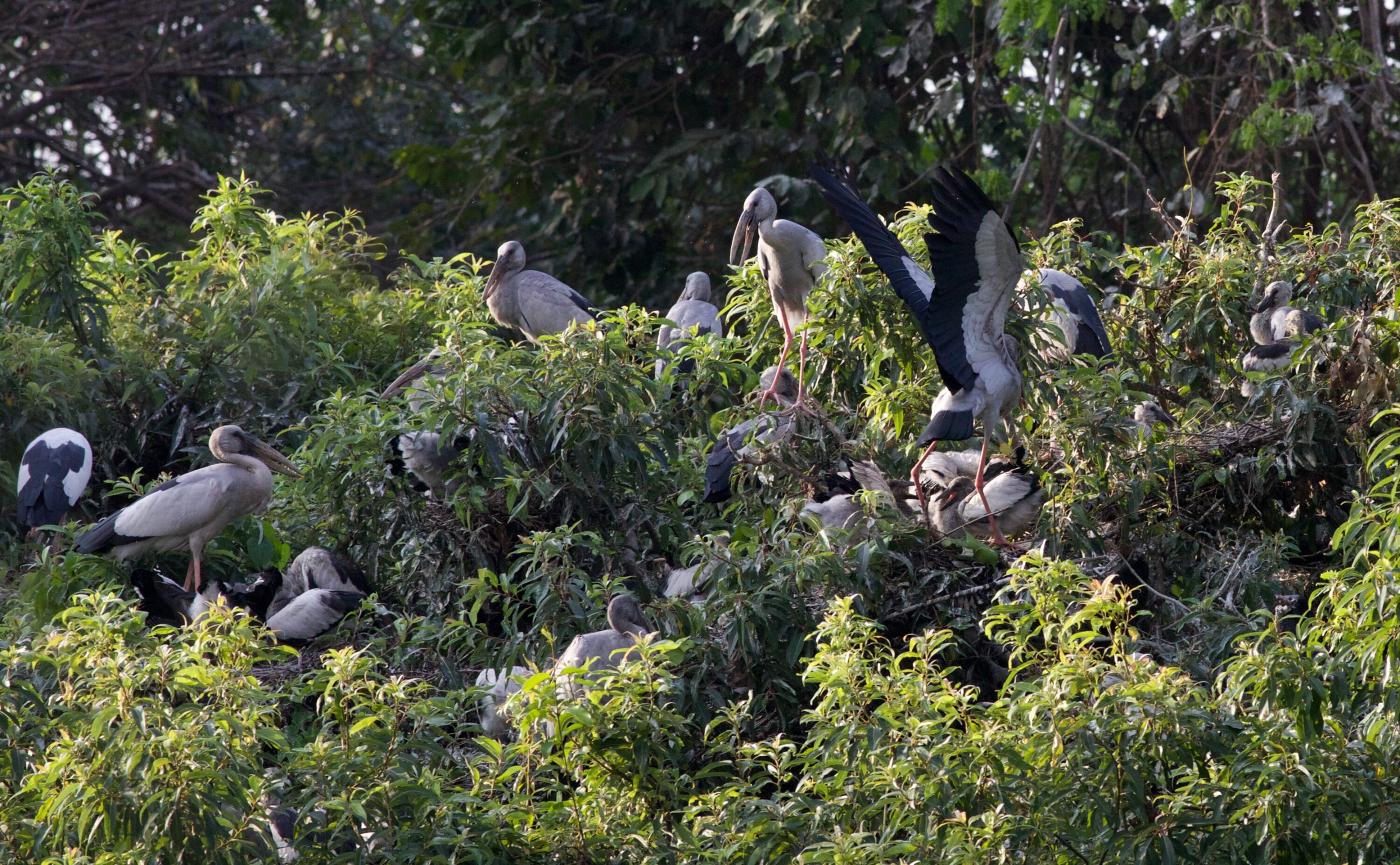
Waterbird Nest Counts Nearly Halved at an Indian Wetland, but Bird Numbers Showed No Clear Decline
At Vettangudi Bird Sanctuary in India, recorded waterbird nests fell from 396 to 190 across eight sampled breeding…
Read story →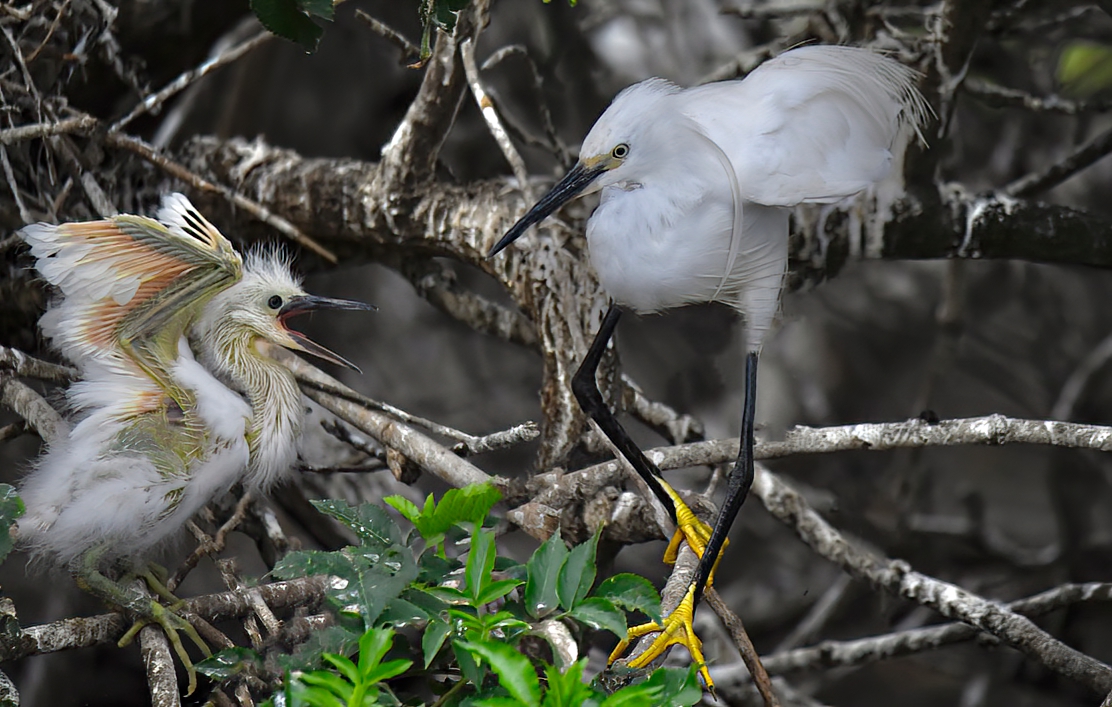
Little Egrets Bred in North-East Scotland for the First Time
Four little egret chicks fledged at Forvie National Nature Reserve in 2026, providing the first confirmed breeding record…
Read story →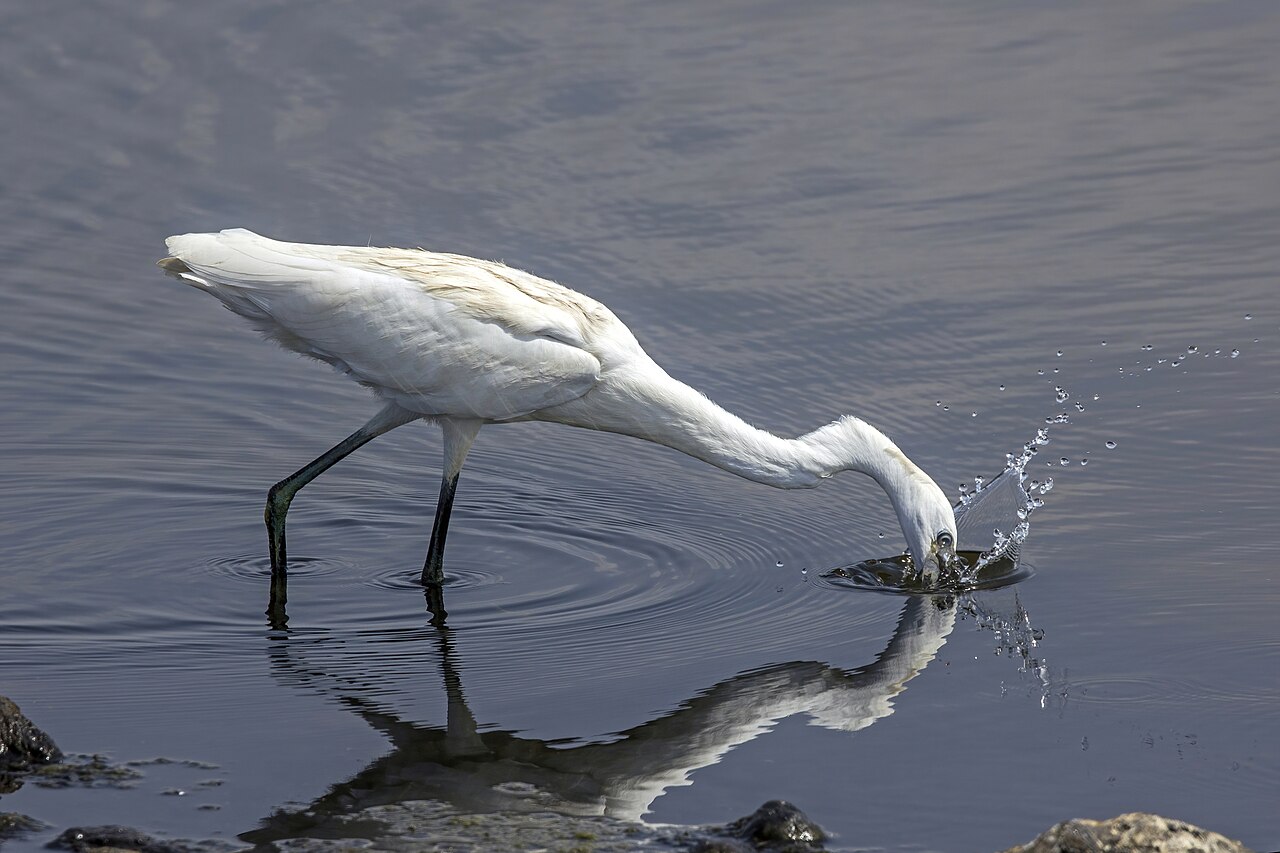
Little Egret Begged for Fish and Stole Catches From Anglers in Yokohama
One individually recognisable Little Egret in Yokohama repeatedly begged fish from anglers and stole catches from containers. In…
Read story →SPECIES IN THIS STORY
Species in this story
Independent research and conservation news archive
Did you find this information useful?
Wildlife Vagabond is independently built and maintained. Voluntary support helps cover source verification, hosting and continued work on research and conservation news.
Support Wildlife VagabondThe news archive will remain freely available.