
Little Egrets Bred in North-East Scotland for the First Time
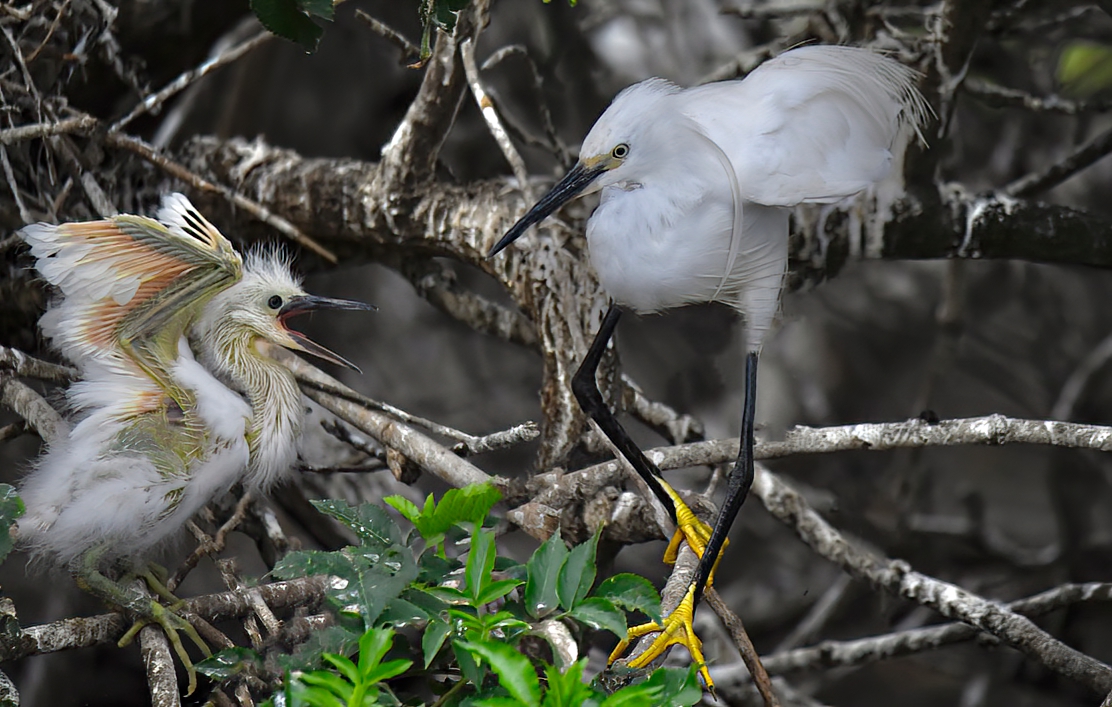
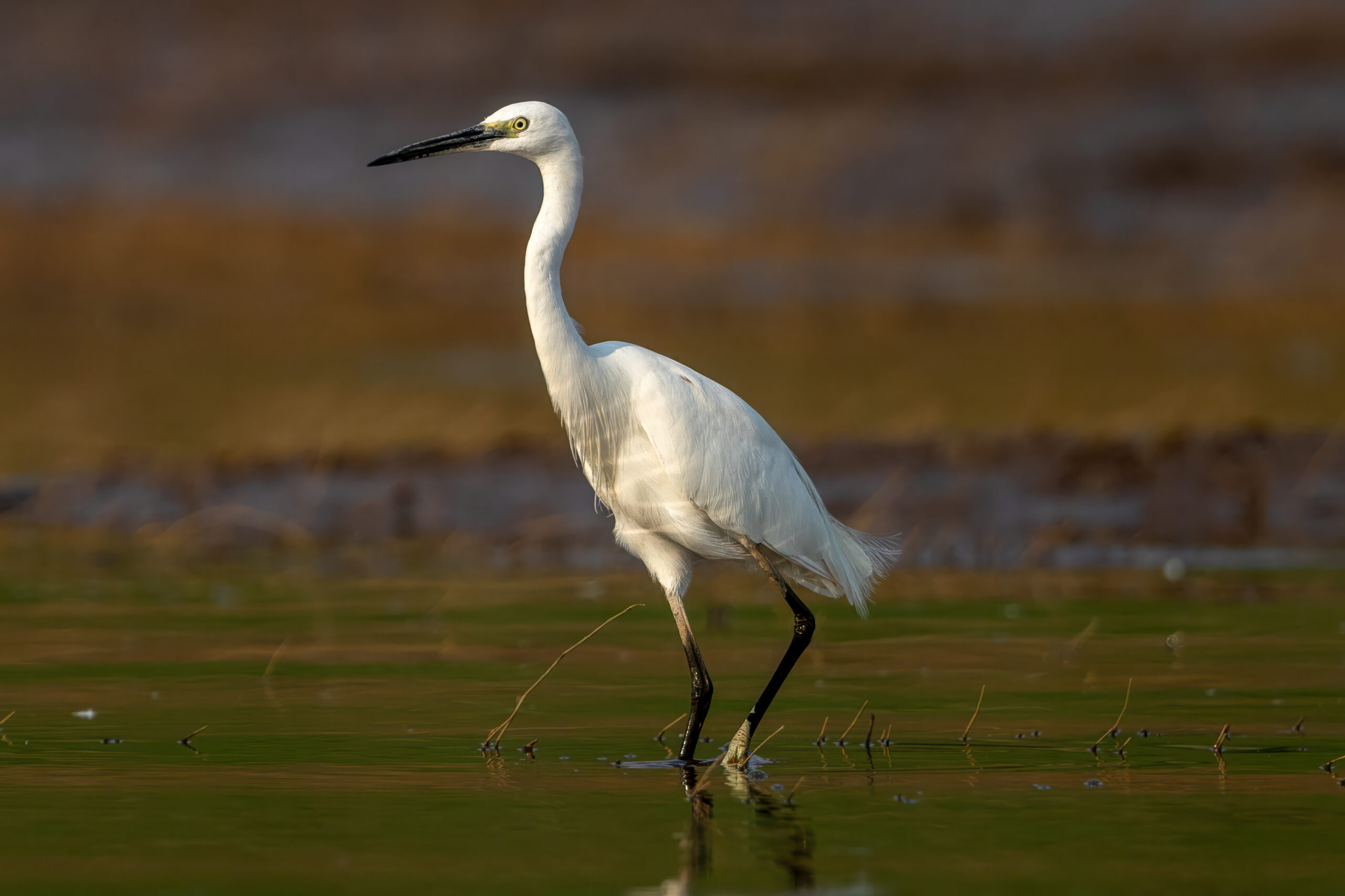
Little egrets (Egretta garzetta) bred successfully in north-east Scotland for the first time in 2026. NatureScot announced the record on 26 August after four young fledged at Forvie National Nature Reserve in Aberdeenshire.
A single pair nested in the reserve’s heronry and raised four chicks. Reserve staff had seen little egrets regularly around the Ythan estuary but had not previously confirmed nesting at Forvie. The nest was discovered after a local birder reported egrets in trees within the heronry.
A second pair was also present in the area during the season, although only the first pair was confirmed breeding. NatureScot reported a regional high count of 17 little egrets, including the four fledged young.
The breeding event is thought to be the most northerly record for the species in the United Kingdom. Little egrets first bred in the UK in Dorset in 1996, while the first confirmed breeding in Scotland was recorded in Dumfries and Galloway in 2020.
The species has expanded northwards after historically being mainly associated with warmer parts of Europe. NatureScot identifies rising temperatures and milder winters as likely contributors to the continuing range expansion, while also noting that reduced persecution since the nineteenth century may have aided the species’ recovery and spread.
The Forvie record extends the known breeding range of the little egret within Scotland and adds a new northern breeding locality for a species that has colonised Britain rapidly over the past three decades.
Population & status
Related news
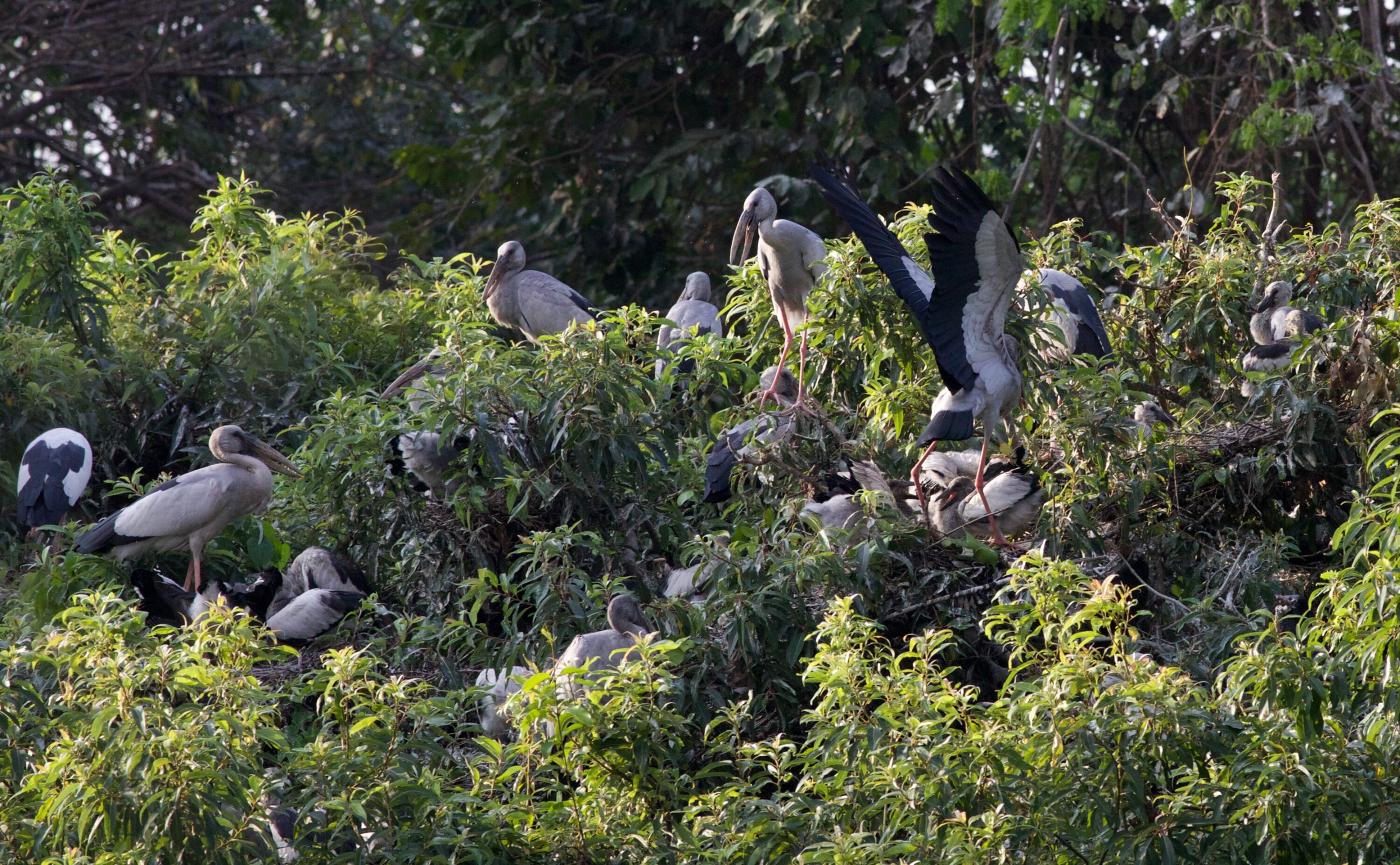
Waterbird Nest Counts Nearly Halved at an Indian Wetland, but Bird Numbers Showed No Clear Decline
At Vettangudi Bird Sanctuary in India, recorded waterbird nests fell from 396 to 190 across eight sampled breeding…
Read story →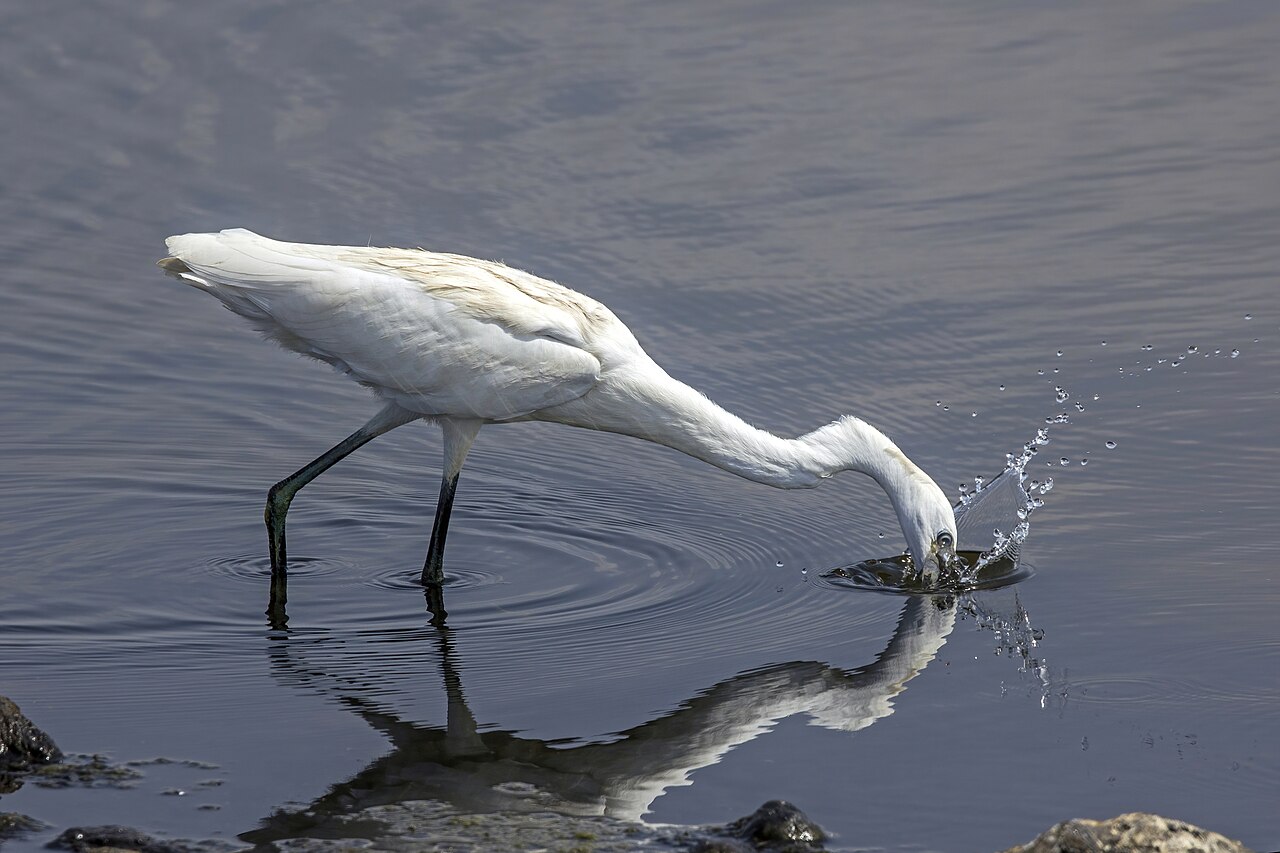
Little Egret Begged for Fish and Stole Catches From Anglers in Yokohama
One individually recognisable Little Egret in Yokohama repeatedly begged fish from anglers and stole catches from containers. In…
Read story →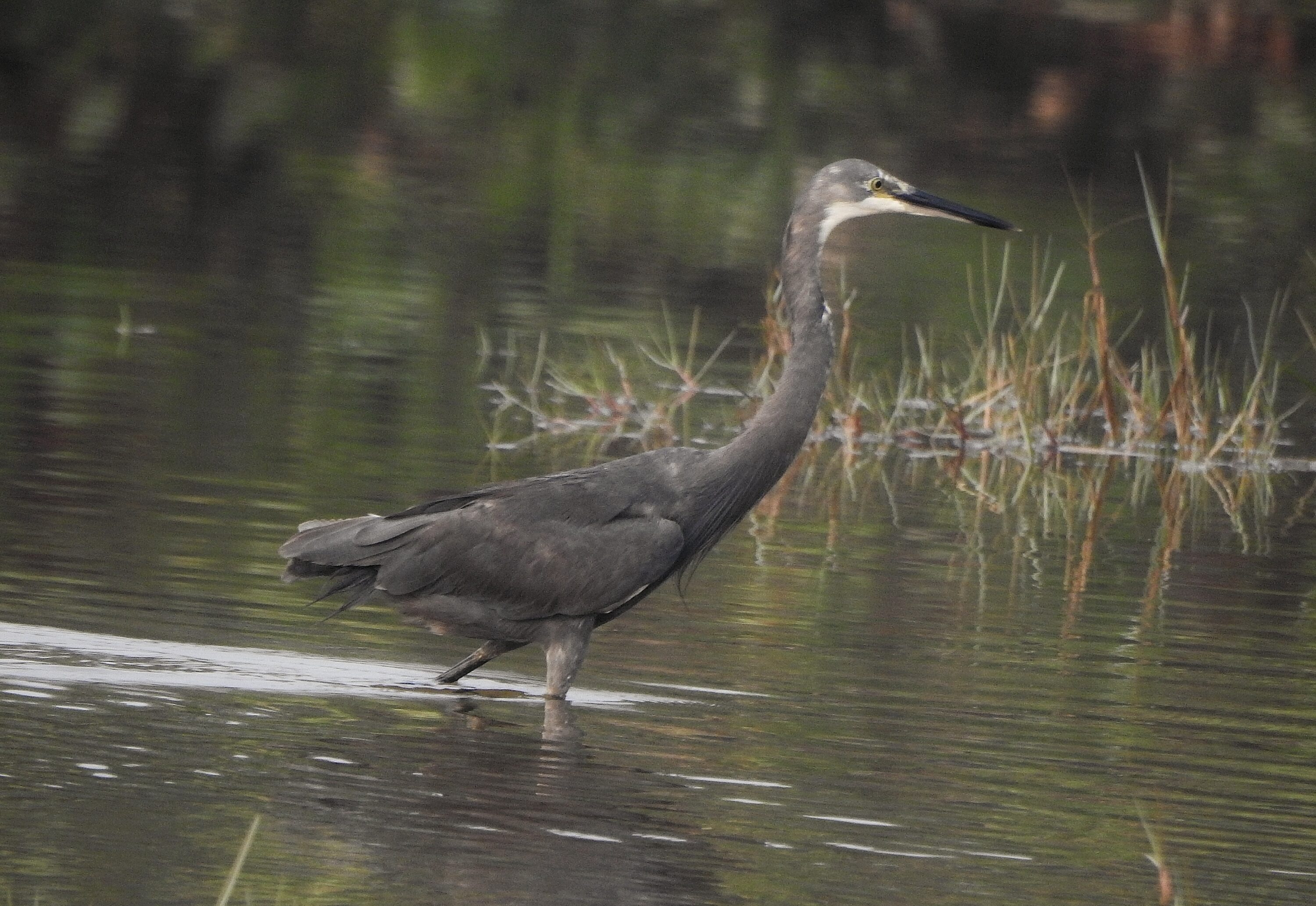
Ashy-grey Little Egret Photographed Twice at Anasagar Lake
A little egret with nearly uniform ashy-grey plumage was photographed at Anasagar Lake in Rajasthan in December 2025…
Read story →SPECIES IN THIS STORY
Species in this story
Independent research and conservation news archive
Did you find this information useful?
Wildlife Vagabond is independently built and maintained. Voluntary support helps cover source verification, hosting and continued work on research and conservation news.
Support Wildlife VagabondThe news archive will remain freely available.