
Study Reports First Documented Avipoxvirus Infection in a Swift Species
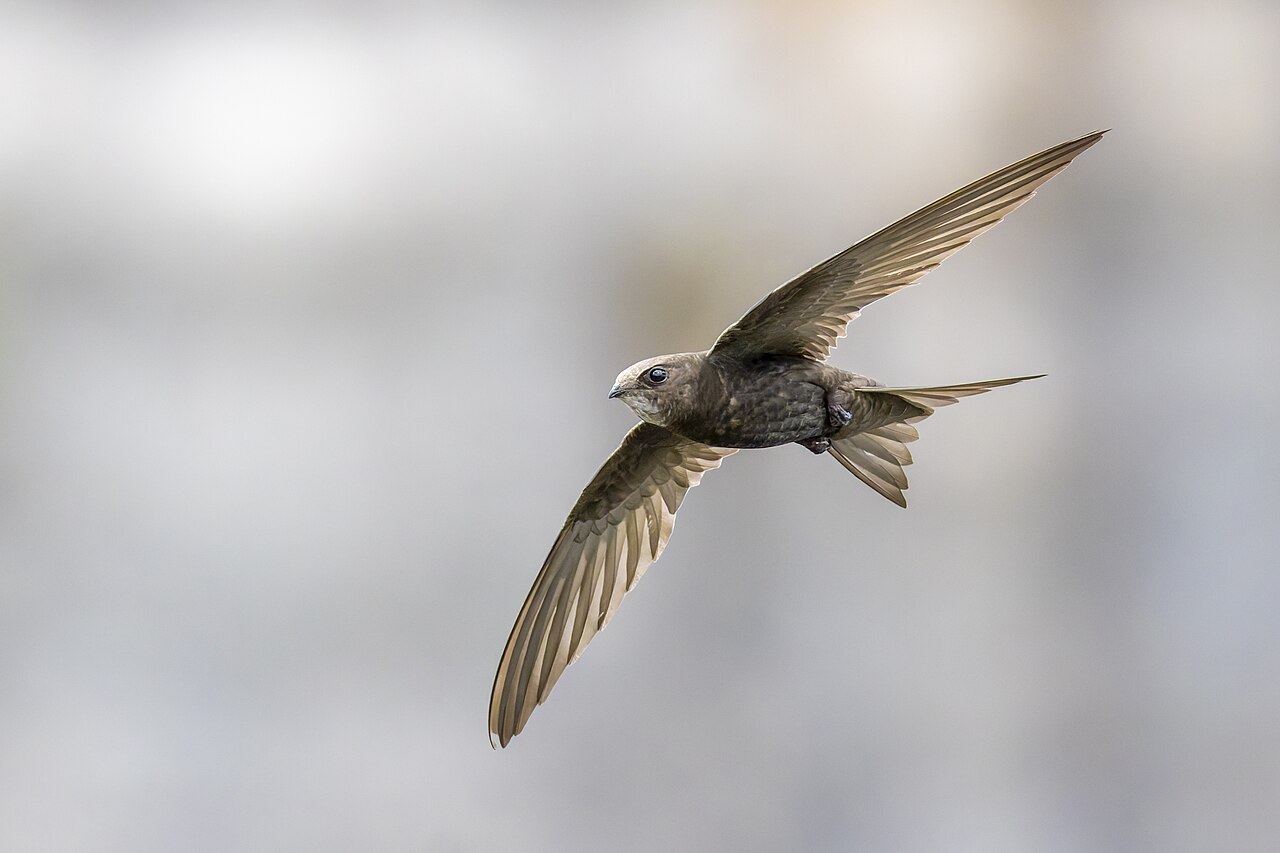
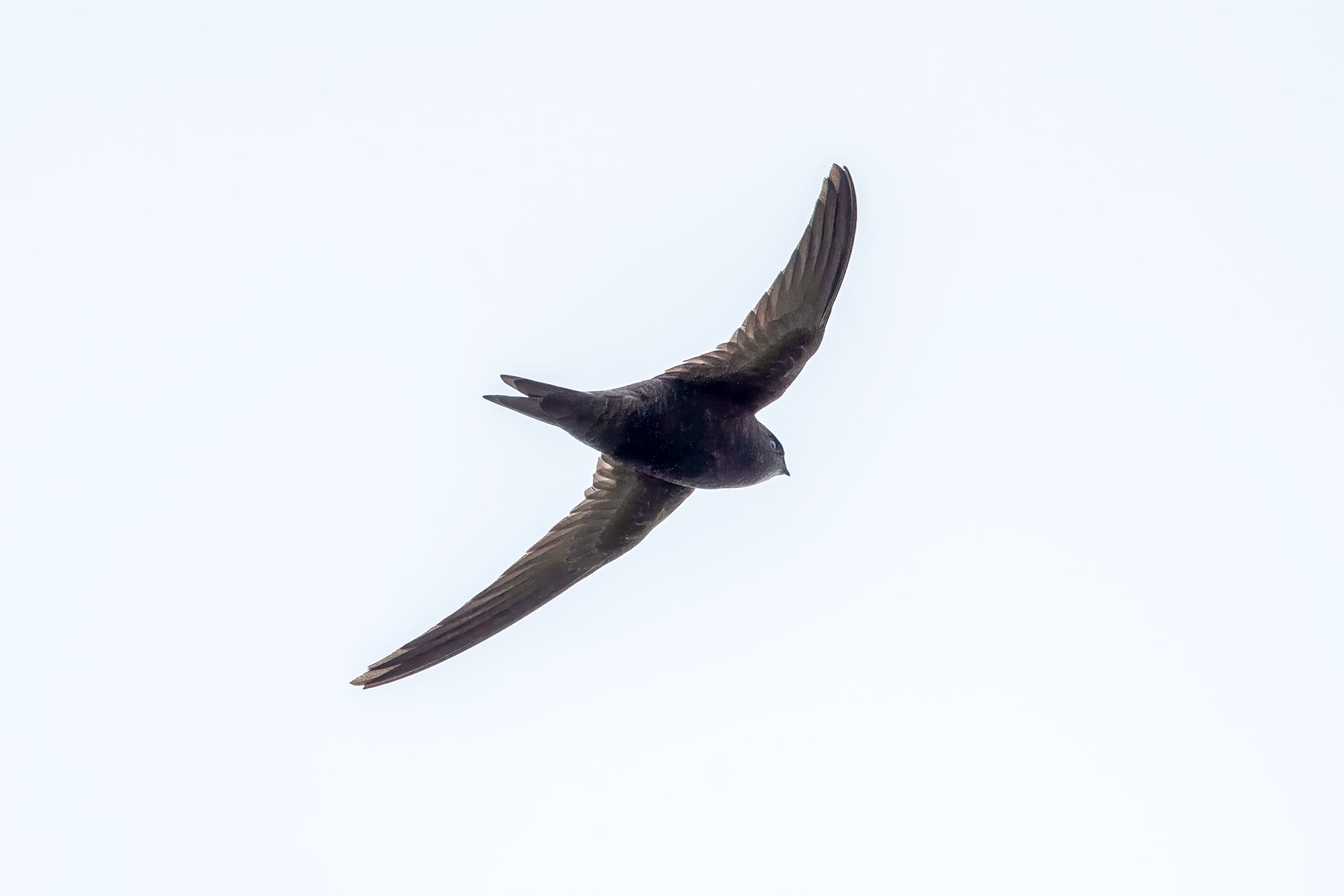
Avipoxvirus infection was documented in four juvenile Common Swifts (Apus apus) from three breeding sites in Lower Saxony, Germany, which the authors describe, to their knowledge, as the first documented cases in any swift species. The birds were about 30–35 days old when they arrived at a wildlife rescue centre in August 2024 with nodular, wart-like and crusted skin lesions on their wings.
The lesions were concentrated around the elbow, forearm and the skin between the outer primary flight feathers; the head, feet and mouth were unaffected. Histology — microscopic examination of the affected tissue — showed changes characteristic of avian pox. Electron microscopy directly revealed particles with the typical appearance of poxviruses, and PCR detected avipoxvirus DNA. A sequenced 176-base-pair fragment was identical to corresponding sequences from canarypox virus and shearwaterpox virus 2, but the authors could not determine the virus’s origin or transmission route.
Two swifts recovered as the skin lesions healed and were successfully released. In the other two, pox-related damage to the follicles — the tissue pockets from which the primary flight feathers grow — caused abnormal feather growth and loss. Because normal regrowth needed for flight could not be expected, those birds were euthanised.
The rescue centre had examined 920 Common Swifts between 2023 and 2025 and found comparable lesions only in these four birds. The authors therefore describe clinically apparent cases as apparently sporadic in the centre’s intake, while stressing that rescue-centre records cannot establish the true prevalence of avipoxvirus in wild swifts. Transmission from other wild birds through biting insects is considered possible but remains unconfirmed.
Disease, parasites & microbiology
Related news
Common Swift Faecal Sacs Contain Measurable Energy That Parents May Recycle
A study of 224 nestling faecal sacs found measurable chemical energy that common swift parents could potentially recycle…
Read story →
Common Swifts Reused Previous Nest Sites in More Than 94% of Repeat Breeding Records
A 15-year study found that common swifts reused previous nest sites in about 94–95% of repeat breeding records.…
Read story →
2023 Survey Found Eurasian Tree Sparrows in 7.8% of a Beijing Swift Tower’s Usable Boxes
A 2023 breeding-season survey found Eurasian tree sparrows in 137 of 1,763 usable boxes in a Beijing tower…
Read story →SPECIES IN THIS STORY
Species in this story
Independent research and conservation news archive
Did you find this information useful?
Wildlife Vagabond is independently built and maintained. Voluntary support helps cover source verification, hosting and continued work on research and conservation news.
Support Wildlife VagabondThe news archive will remain freely available.