
Three Barasingha Subspecies Had Very Similar Mitochondrial Genomes
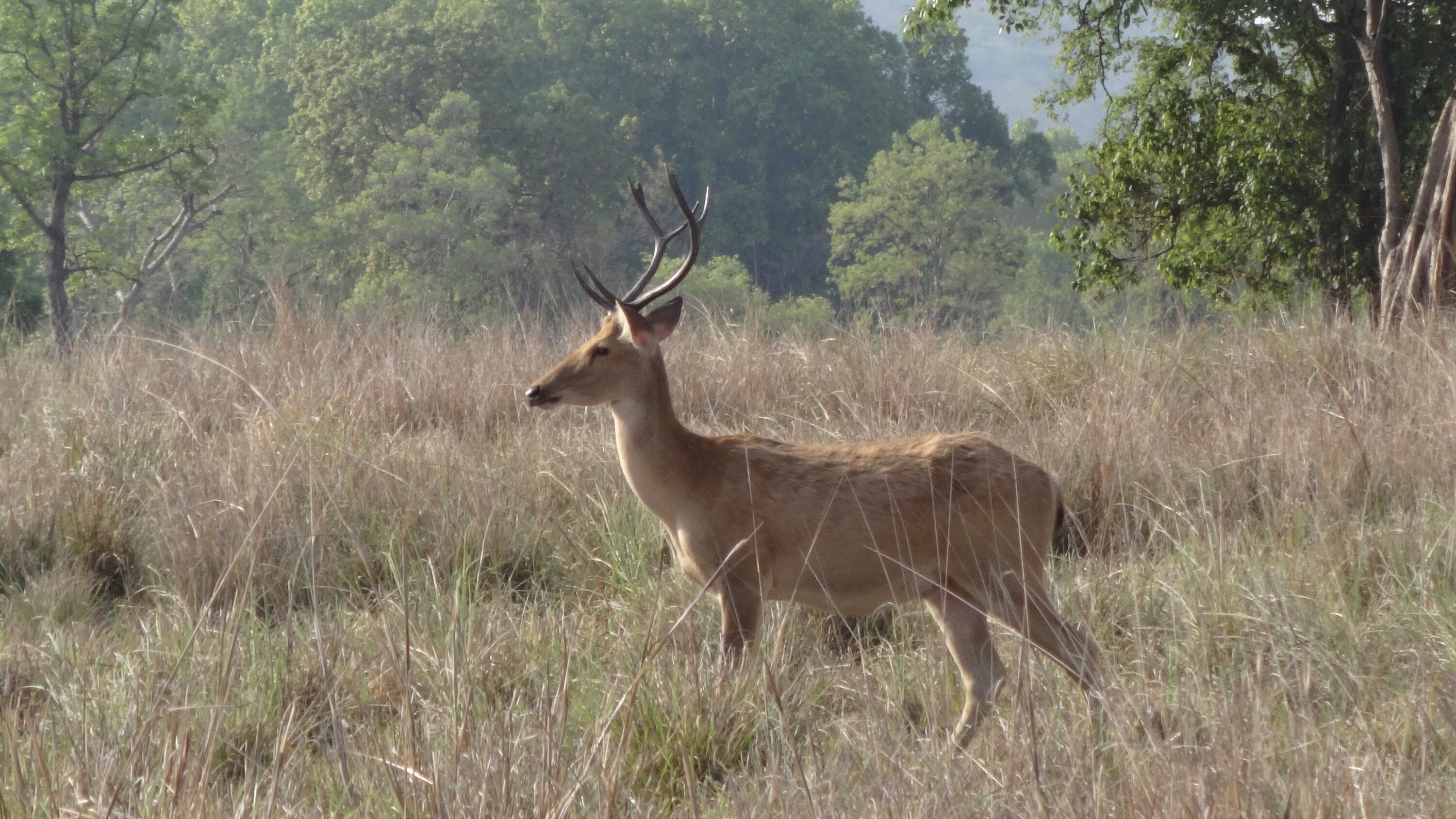
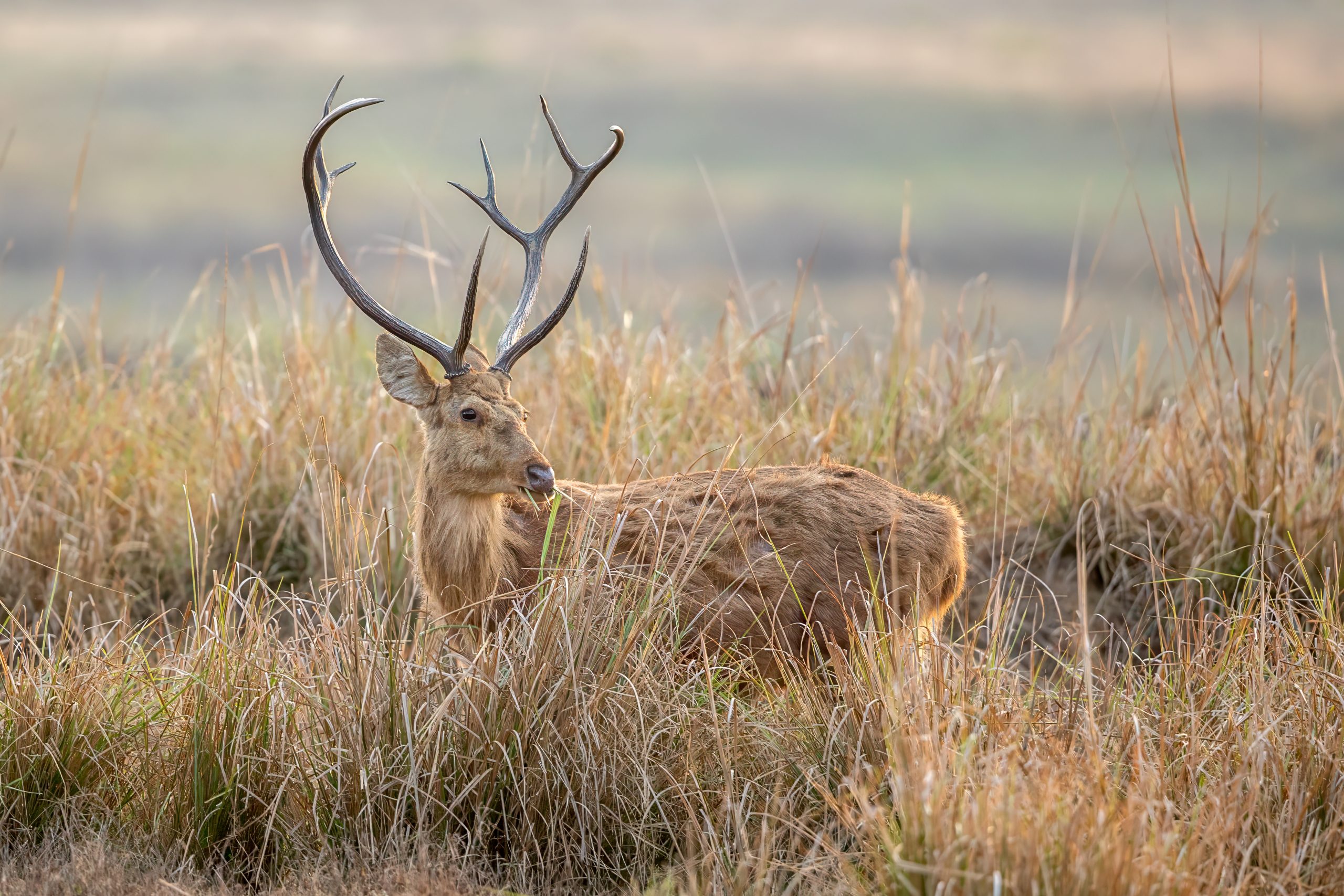
The three recognised barasingha (Rucervus duvaucelii) subspecies had highly similar mitochondrial genomes, with only limited sequence divergence. The researchers generated three new mitogenomes from hard-ground barasingha (R. d. branderi) tissue collected during post-mortem examinations in Kanha Tiger Reserve, Madhya Pradesh, India, and compared them with previously published sequences from R. d. duvaucelii and R. d. ranjitsinhi.
Ten complete barasingha mitogenomes were included in the comparison. All three subspecies had the same basic mitochondrial organisation, with 37 genes, and showed very similar gene order and nucleotide composition. All ten barasingha mitogenomes formed one group in the phylogenetic tree, consistent with a close mitochondrial relationship among the three geographically and ecologically distinct subspecies. Because mitochondrial DNA in mammals is inherited through the maternal line, this comparison mainly traces maternal evolutionary history rather than the full nuclear-genome history of the subspecies.
Protein-coding genes showed purifying selection
The researchers also compared evolutionary rates in the 13 protein-coding mitochondrial genes. Most showed a dN/dS ratio below 1, a pattern consistent with purifying selection: changes that alter the encoded proteins tend to be removed by natural selection, helping preserve important gene functions.
The authors interpret the combination of conserved genome structure, limited sequence divergence and strong purifying selection as evidence of relatively recent evolutionary separation among the three subspecies. Their mitochondrial genomes therefore remain highly similar despite the subspecies’ different habitats and geographic separation.
Mitochondrial genomes can support conservation work
The three new hard-ground barasingha sequences add complete mitochondrial reference data for a subspecies whose main population is centred in Kanha. The authors note that hard-ground barasingha have also been moved to Satpura Tiger Reserve and Van Vihar National Park as part of conservation efforts in Madhya Pradesh.
The authors suggest that better knowledge of mitochondrial variation among the subspecies could support population monitoring, reintroduction programmes and forensic identification.
Genetics & genomics
Related news
mFISH Mapped 16 of 22 Rhesus Macaque Chromosome Types to a Single Human Chromosome
Human chromosome-painting probes showed one-to-one homology for 16 of 22 rhesus macaque chromosome types, while three macaque chromosomes…
Read story →
DNA Methylation Shifted as Namibian Male Cheetahs Became Territorial
Paired blood samples from ten free-ranging Namibian males revealed widespread, predominantly increased DNA methylation after the same cheetahs…
Read story →
Zoonotic Sarcocystis Found in 3.3% of Polish Wild Boar Hunted for Food
Molecular testing of 241 wild boar from all 16 Polish provinces found Sarcocystis miescheriana DNA in 90% and…
Read story →SPECIES IN THIS STORY
Species in this story
Independent research and conservation news archive
Did you find this information useful?
Wildlife Vagabond is independently built and maintained. Voluntary support helps cover source verification, hosting and continued work on research and conservation news.
Support Wildlife VagabondThe news archive will remain freely available.