
Researchers Recommend More Intensive Wild Boar Culling for Barcelona ASFV Variant
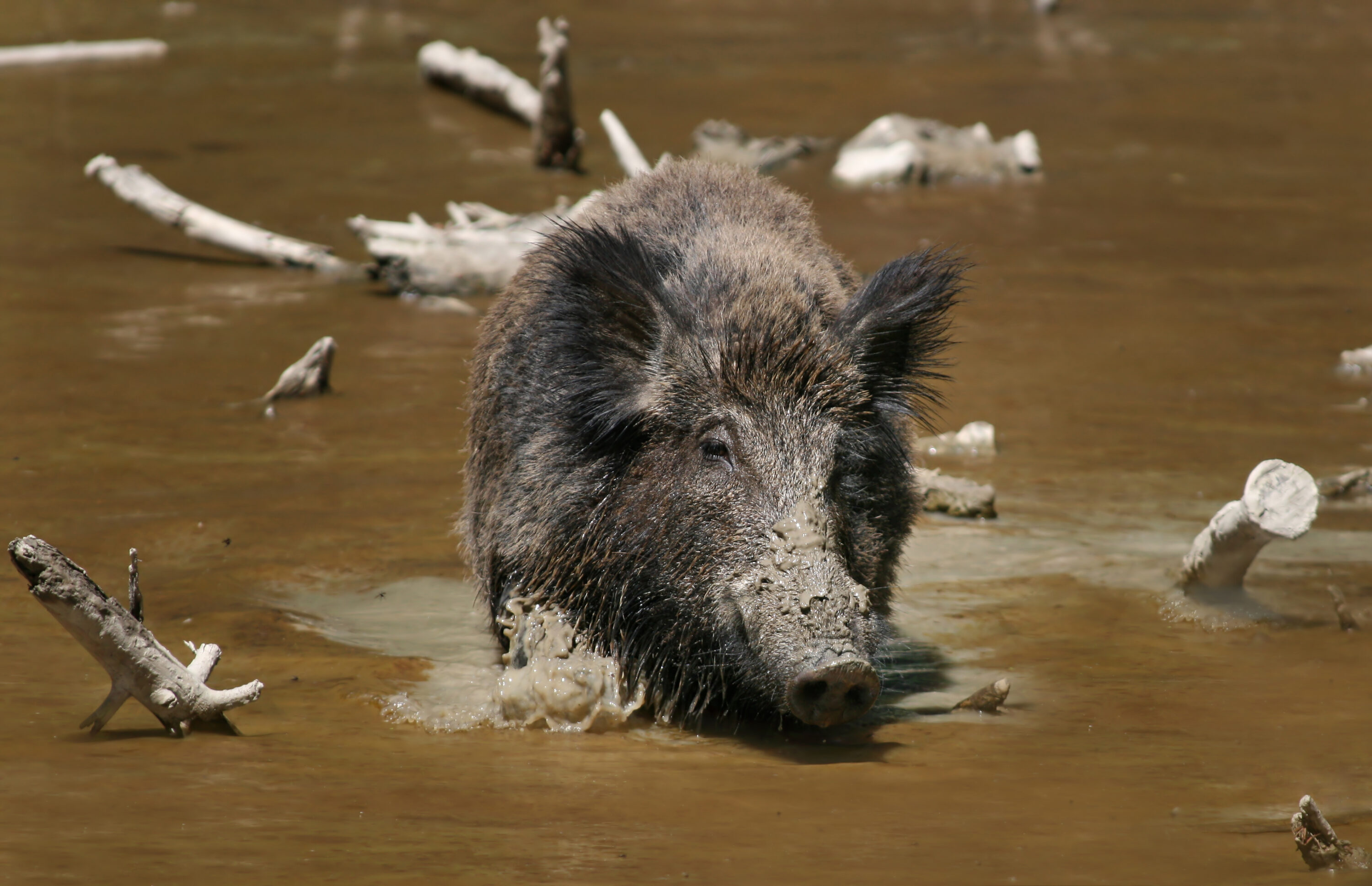
Researchers examining the African swine fever outbreak in Barcelona argue that established control protocols for wild boar (Sus scrofa) need to be adapted. African swine fever virus (ASFV) is the virus that causes the disease in domestic pigs and wild boar. The Barcelona outbreak presents an unusually difficult combination: a dense peri-urban population and a new genotype II ASFV variant that appears to cause slower mortality. Their main proposed adaptation is more intensive population reduction. The paper was published online in One Health on 29 August 2026.
The outbreak was detected in the Metropolitan Area of Barcelona in November 2025. European ASF control strategies for wild boar have largely been developed around highly virulent virus strains in lower-density populations, where rapid disease mortality itself can contribute substantially to reducing the number of infected and susceptible animals.
Slower mortality may change the outbreak dynamics
The Barcelona situation may work differently. The peri-urban landscape supports comparatively high wild-boar density, while the new variant appears to be associated with slower mortality. If infected animals survive for longer, they may also remain in the transmission system for longer. The authors therefore argue that relying on disease mortality to reduce the population would be less effective than in outbreaks caused by more rapidly lethal strains.
The same tools, but with greater emphasis on population reduction
The three main intervention groups remain the same: fencing to limit movement, systematic searching for and safe removal of carcasses, and reduction of the living wild-boar population. What should change, according to the authors, is the intensity, relative importance and timing of these measures in response to the local outbreak conditions.
More intensive culling is the central change they recommend. The aim is to compensate for both the high population density and the apparently slower disease-related mortality. The authors do not present this as a field test showing that a particular culling level has already succeeded; it is a proposed adaptation of existing ASF eradication protocols to the Barcelona outbreak.
Carrying out that reduction is also more difficult in a peri-urban landscape than in remote forest. The Metropolitan Area of Barcelona is heavily used by people, and control measures must account simultaneously for public safety, animal-health objectives, wildlife management and environmental constraints. The paper therefore frames the outbreak as a One Health management problem in which virus biology and urban wildlife ecology have to be addressed together.
Management
Related news

Roe Deer and Wild Boar Remained Key Wolf Prey as Diet Shifted Across North-western Italy
From 2021 to 2025, wolves in north-western Italy continued to feed mainly on wild prey. In the Po…
Read story →
Copper levels in wild boar differed across Slovak districts
An analysis of kidney, liver and muscle from 147 wild boar in four districts found that iron and…
Read story →
Genes Linked to the Stripes of Wild Boar Piglets
Genetic analysis of a 932-piglet breeding population and skin from three striped newborn hybrids implicated MC1R, KIT and…
Read story →SPECIES IN THIS STORY
Species in this story
Independent research and conservation news archive
Did you find this information useful?
Wildlife Vagabond is independently built and maintained. Voluntary support helps cover source verification, hosting and continued work on research and conservation news.
Support Wildlife VagabondThe news archive will remain freely available.