
68% of Bengal Monitor Sightings in Maharashtra Were at Termite Mounds
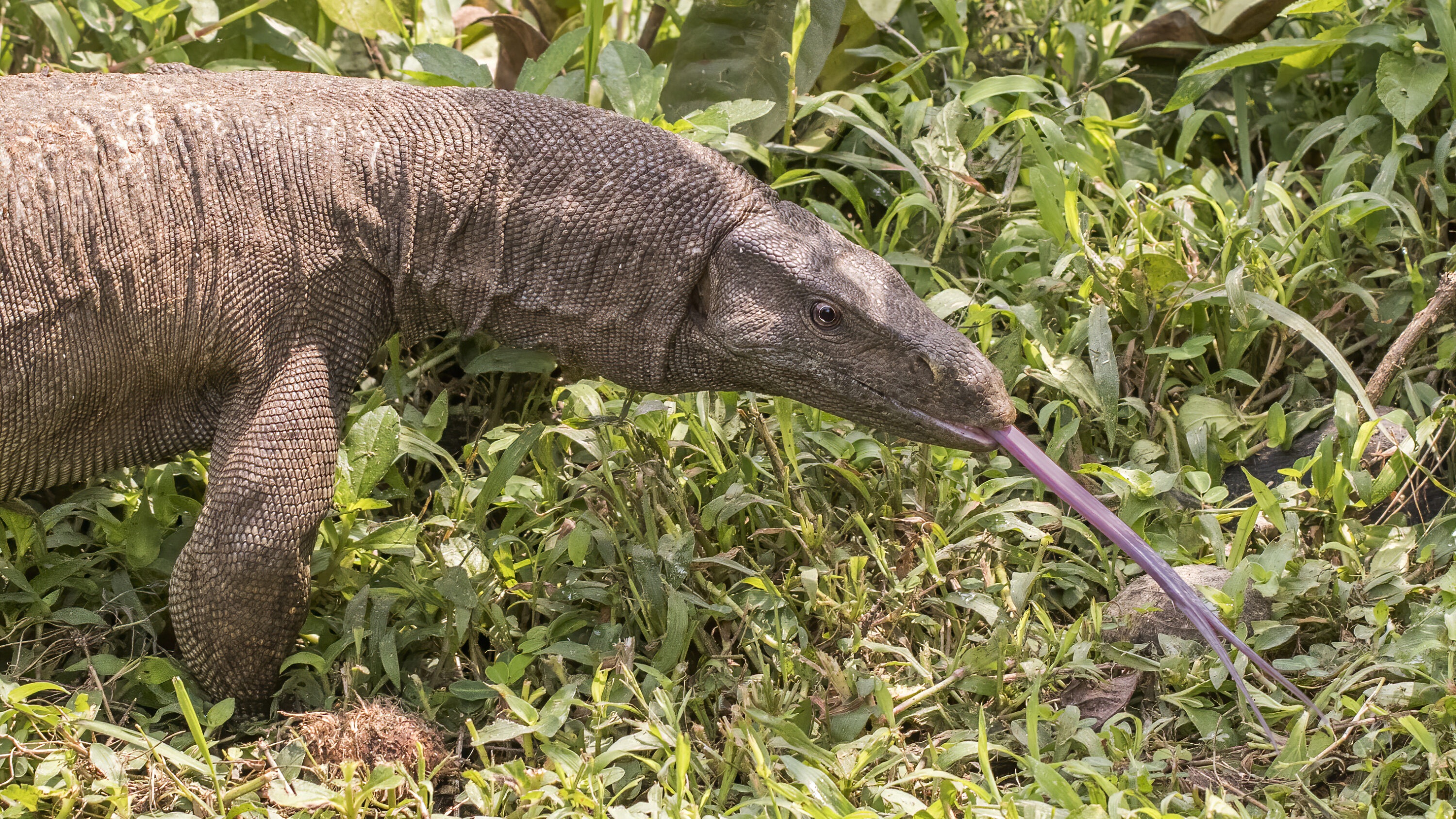
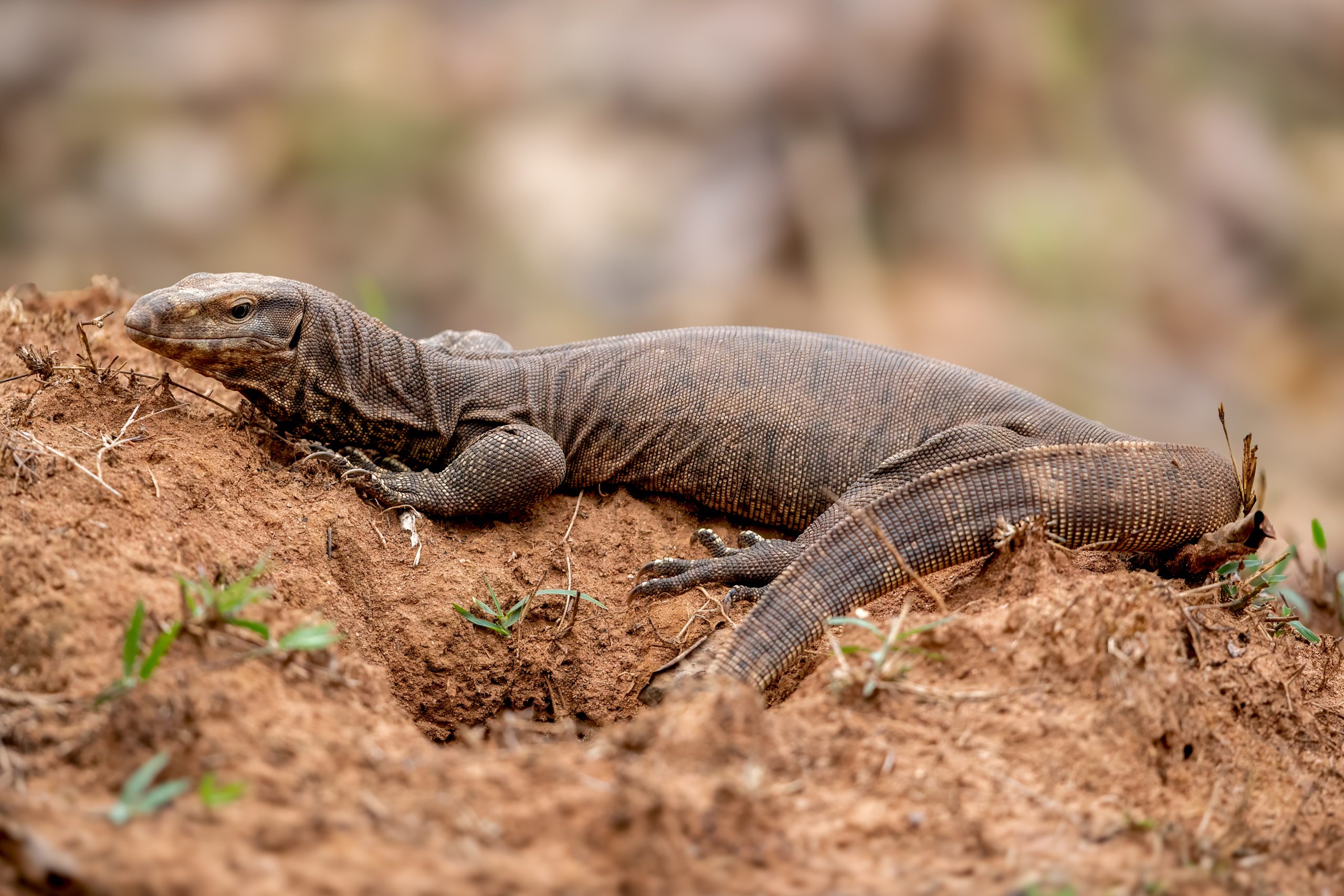
A two-year field study of Bengal monitors (Varanus bengalensis) in semi-arid grassland in the Solapur and Dharashiv districts of Maharashtra, India recorded the lizards most often around termite mounds and rock piles. Of 68 sighting records collected between June 2020 and May 2022, 46—68%—were associated with termite mounds and 13 with rock piles. The remaining records came from cobbles, rocky patches, burrows and a well.
The researchers surveyed a 10 km² area using visual encounter surveys. Each record was treated as an ecological observation of habitat use, and repeated sightings could therefore represent the same animal; the 68 records are not a population count.
Termite mounds dominated, but life stages differed in microhabitat use
Juveniles accounted for 40 of the 68 records, subadults for 10 and adults for 18. Termite mounds were the most frequently recorded microhabitat in all three life stages, followed by rock piles. Even so, the overall distribution across microhabitats differed significantly among juveniles, subadults and adults.
Field observations also showed an age-related difference in refuge use when the lizards were disturbed: adults and subadults retreated into termite mounds, whereas juveniles withdrew beneath cobbles. The authors suggest that differences among life stages may reflect changing needs for refuge, thermoregulation and protection from predators.
Most records came during the monsoon
Season strongly shaped when monitors were seen. Forty records, or 59%, were made during the monsoon from June to September, compared with 17 in summer and 11 in winter. Juveniles appeared with the onset of the monsoon, while the authors discuss the low number of records from December to February as consistent with reduced seasonal activity.
Temperature, humidity and rainfall all showed weak to moderate positive relationships with sighting frequency, but none of the individual correlations was statistically significant.
The grassland itself is part of the conservation context
The study area is an unprotected remnant of semi-arid rocky grassland. The authors describe pressure from infrastructure development, soil extraction, real-estate expansion and conversion to agriculture, while the wider landscape is also used by the local Dhangar pastoral community.
The authors highlight the conservation value of the remaining open rocky-grassland mosaic, including termite mounds and rock piles that repeatedly served as refuges across life stages. The study provides a local baseline for microhabitat use and seasonal activity in an unprotected grassland under increasing human pressure.
Ecology
Related news
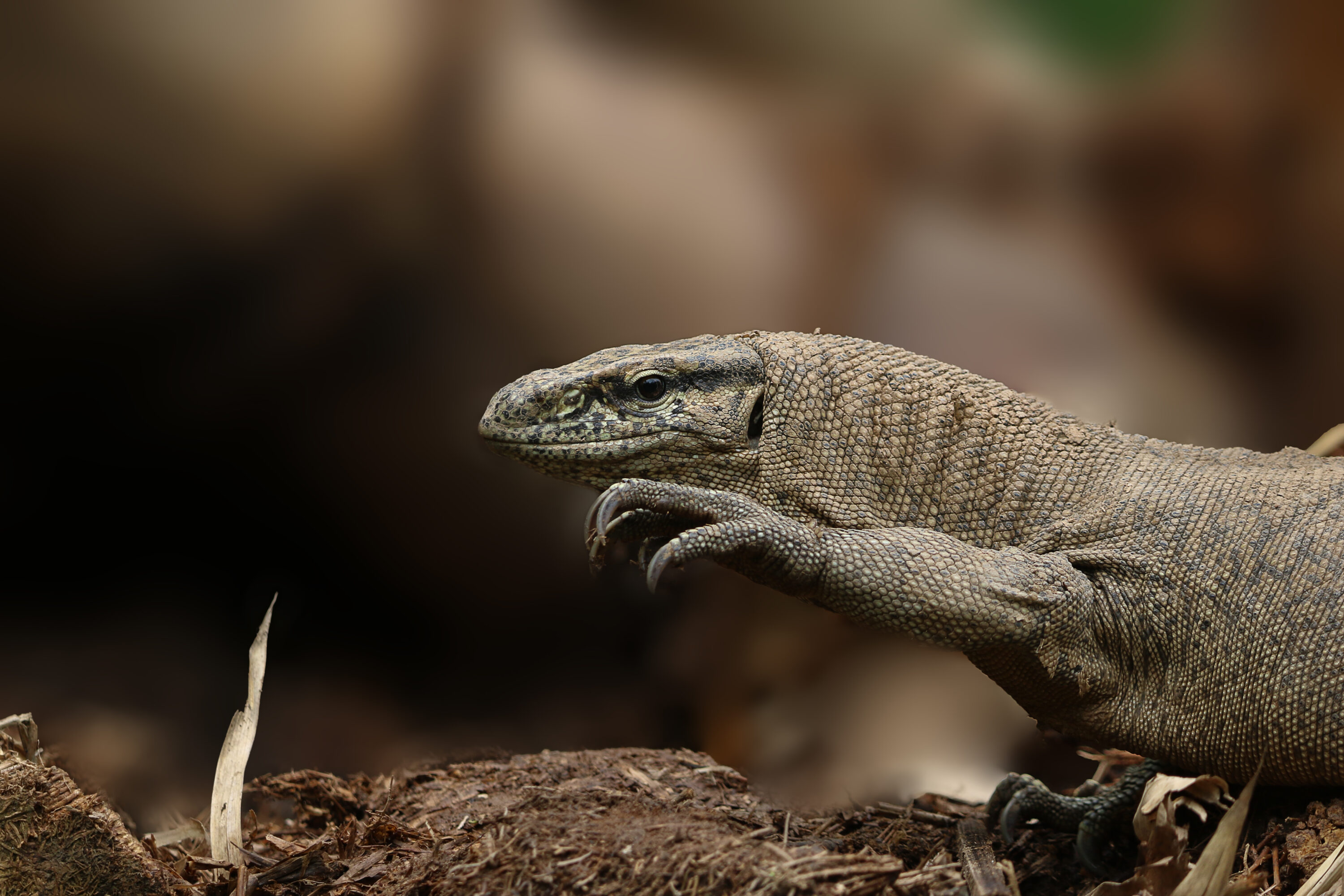
Twenty-four Bengal Monitors Were Seized in Khagrachhari; 14 Were Dead
A joint operation in Khagrachhari recovered 24 Bengal monitors from five sacks in August 2026. Fourteen were dead;…
Read story →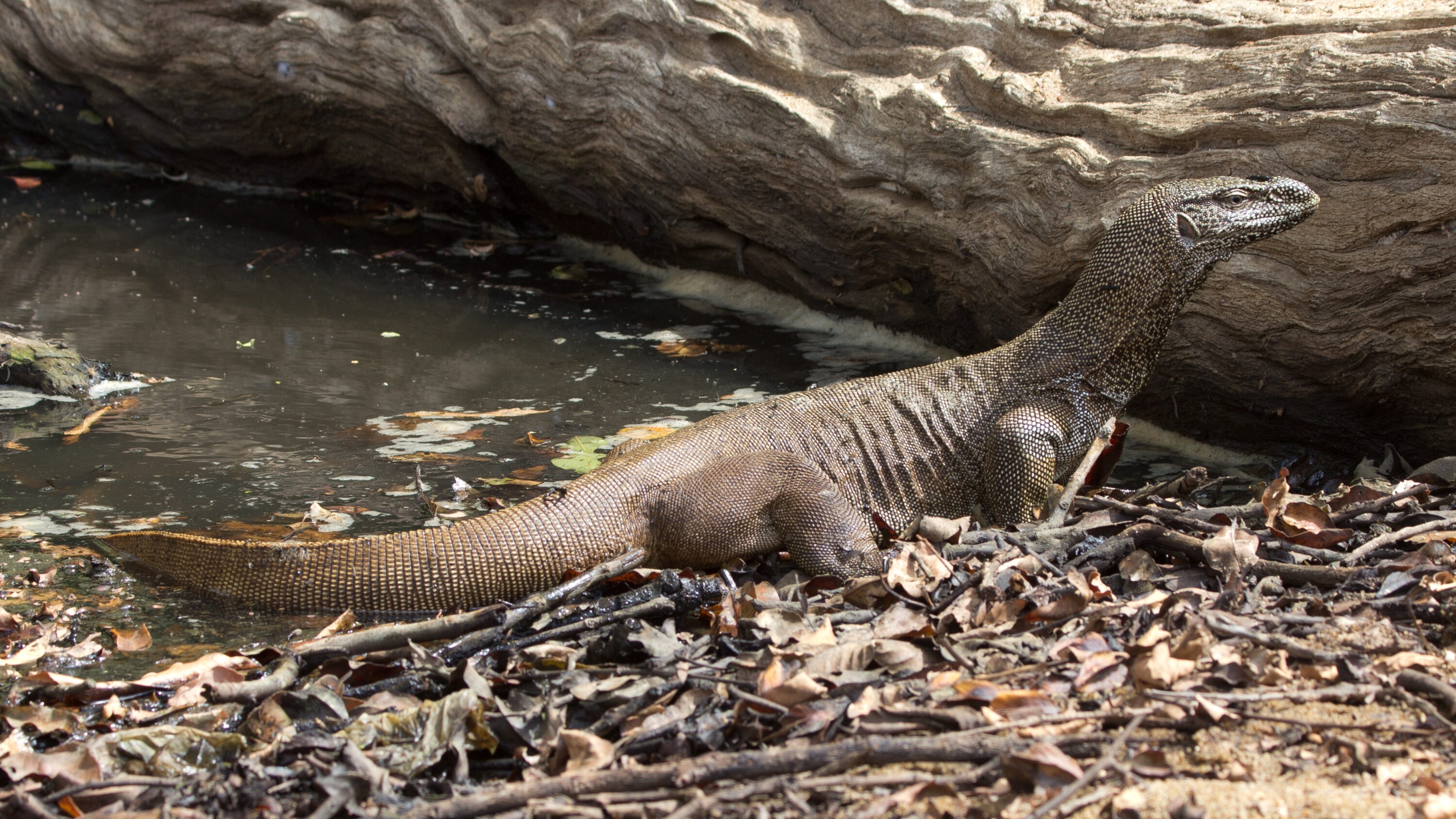
Subadult Bengal Monitor Regurgitated an Indus Valley Toad in Pakistan
A subadult Bengal monitor in Pakistan regurgitated a nearly intact adult Indus Valley toad, the first documented observation…
Read story →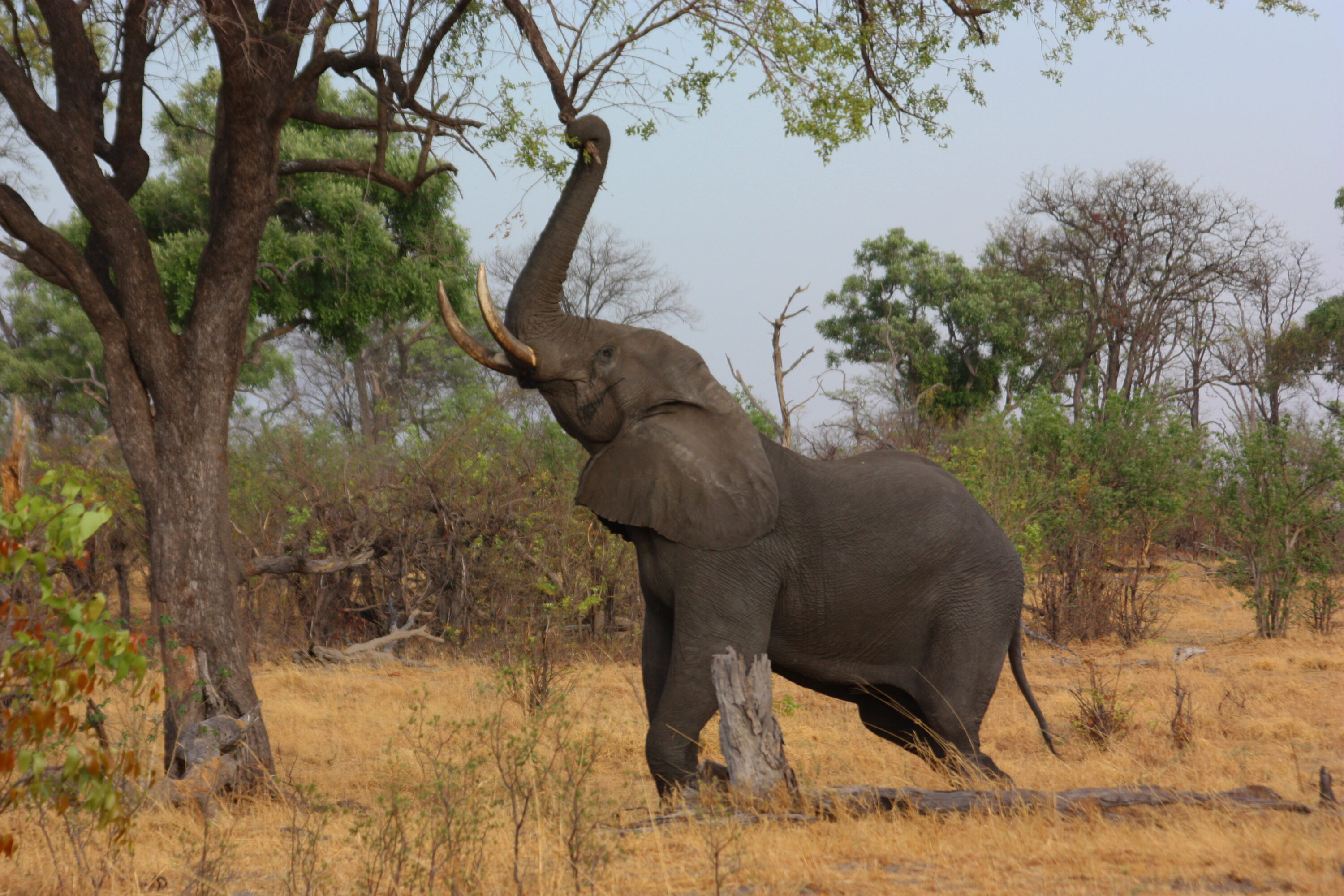
African Bush Elephants Distinguished Artificial Food-Quantity Patterns at Close Range
In experiments in South Africa, four semi-tame elephants chose between visual patterns representing canopy size and leaf density.…
Read story →SPECIES IN THIS STORY
Species in this story
Independent research and conservation news archive
Did you find this information useful?
Wildlife Vagabond is independently built and maintained. Voluntary support helps cover source verification, hosting and continued work on research and conservation news.
Support Wildlife VagabondThe news archive will remain freely available.