
H5N1 Outbreak Was Linked to Slower Movement and 13–14-Day Earlier Migration in Black-headed Gulls
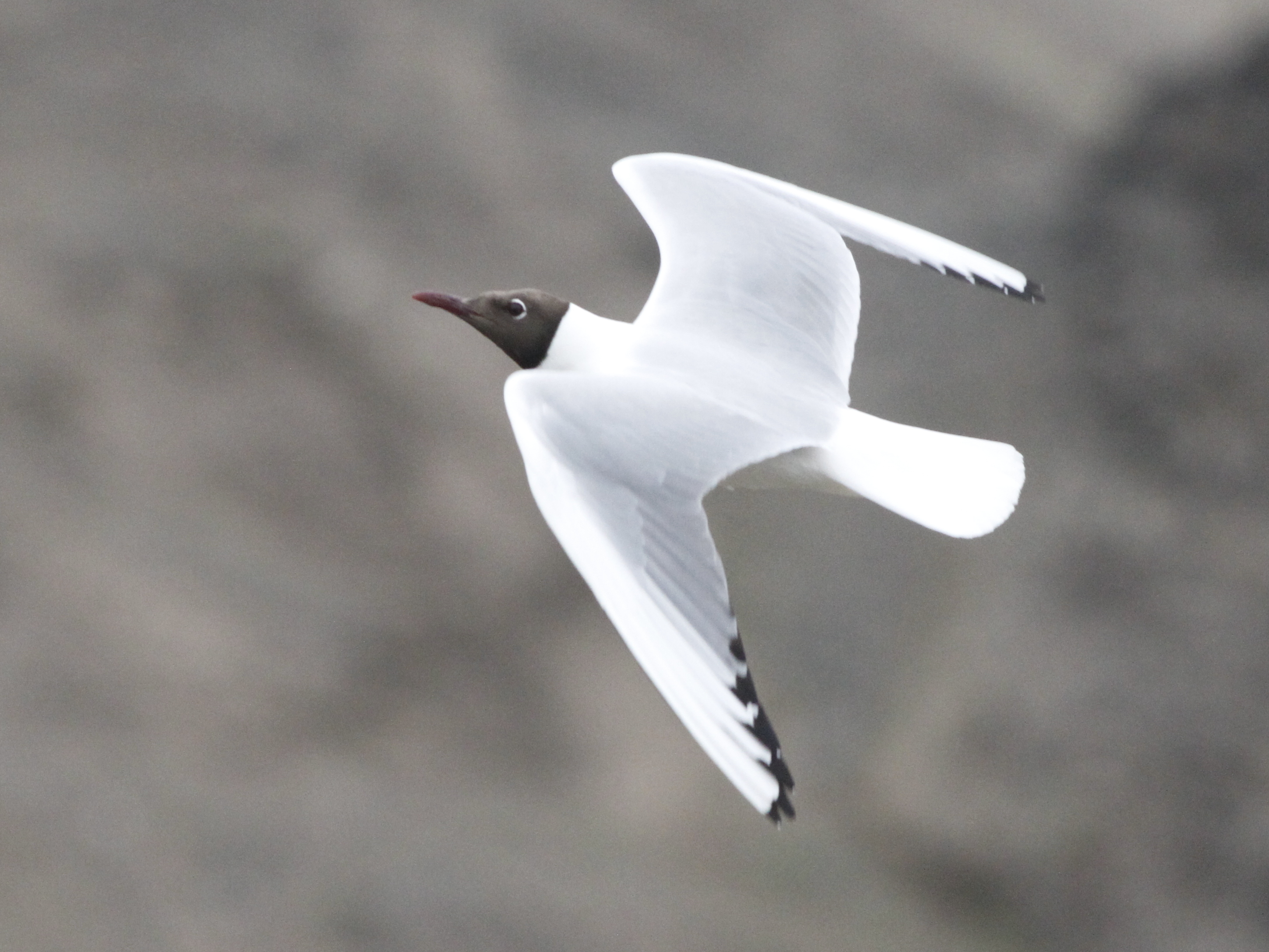
A severe outbreak of highly pathogenic avian influenza H5N1 in Swedish black-headed gull (Chroicocephalus ridibundus) colonies caused mass mortality and coincided with marked changes in movement and migration among GPS-tracked birds from affected colonies. The study, published on 17 June 2026, combined field observations, GPS tracking, virology and antibody tests across six urban colonies along the Kalmar coast and one rural comparison colony on Öland during the 2023 breeding season. Highly pathogenic avian influenza refers to influenza viruses capable of causing severe disease and mortality in susceptible birds; this outbreak caused extensive mortality in the gull colonies.
The outbreak virus belonged to H5N1 clade 2.3.4.4b, genotype EA-2022-BB. Die-offs spread through the urban study colonies, whereas the rural comparison colony on Öland showed no outbreak mortality. More than 700 dead gulls were reported in Kalmar, Oskarshamn and Mörbylånga municipalities between 17 June and 11 July 2023. Chick mortality in affected colonies reached 90–100%, and adult mortality was also substantial.
Field observations recorded sick chicks near the water and dead juveniles around the colonies. Some adults showed neurological signs, including difficulty using their legs and abnormal head movements. Virological analyses confirmed the outbreak virus, while the disappearance of signals from some GPS-tagged adults supported the conclusion that adult mortality was high.
Movement slowed and migration began earlier
Some adults had been fitted with GPS tags shortly before the outbreak for another project. Before the outbreak, tracked birds from affected and unaffected colonies moved at similar speeds. After the outbreak began, mean speed in birds from affected colonies fell from about 0.52 to 0.24 m/s — a decrease of roughly 54% — while the unaffected comparison did not show the same drop. The GPS data therefore document a movement change associated with outbreak-affected colonies, not confirmed infection in every tagged individual.
Losing chicks could itself alter parental behaviour, but the researchers argue that release from chick-rearing duties alone is unlikely to explain the lower movement rate. Birds no longer tied to a nest often range more widely, whereas reduced movement is more consistent with infection, weakness or other physiological effects. Because individual infection status was not established for every GPS-tagged bird, this remains the authors’ biological interpretation of the colony-level tracking pattern rather than proof that infection directly slowed each bird.
Migration timing was also advanced by about 13–14 days in birds from outbreak-affected colonies. Their average departure from the breeding area shifted from around 3 July to 17 June, and migration onset from about 15 July to 2 July. Because the outbreak occurred late in breeding and caused near-total reproductive failure, the authors argue that colony abandonment after brood loss probably contributed strongly to the earlier departure. Some tracked birds later travelled as far as Portugal. The result therefore links the outbreak and reproductive collapse with altered migration timing, rather than demonstrating that infection itself made every individual migrate earlier.
Antibodies persisted for at least two years
The researchers recaptured and sampled gulls one and two years after the outbreak. In 2024, 16 of 19 tested birds had H5-reactive antibodies, and all 16 also showed neutralising activity. In 2025, 21 of 26 had H5-reactive antibodies, and 18 of those 21 showed neutralising activity. Antibody titres were lower in the second year, a population-level pattern consistent with gradually waning antibody-mediated immunity even though antibodies and neutralising activity remained detectable in many birds.
The persistence of neutralising antibodies shows that an immune response associated with past H5 exposure can remain detectable for at least two years in some black-headed gulls. It does not demonstrate complete protection from reinfection or from every future H5N1 variant; protection depends on antibody level and how closely later viruses match the antigens that triggered the original response.
The study shows that carcass counts capture only part of a wildlife disease outbreak. By combining mortality records with tracking, virology and serology, the researchers documented behavioural and immunological effects that extended beyond the immediate die-off. The authors conclude that this broader approach can improve understanding and surveillance of future disease events in wild bird populations.
Disease, parasites & microbiology
Related news

GPS-Based Models Highlighted the Lower Sumida as a Key Black-headed Gull Corridor in Tokyo
GPS tracking showed that black-headed gulls followed different river features at different movement scales in Tokyo, while GPS-based…
Read story →
Black-headed Gull Sample Yielded the Longest Known Calicivirus Genome
A Hungarian black-headed gull faecal sample yielded an 8,845-nucleotide avian calicivirus genome with unusual RNA structures and enough…
Read story →
New Papillomavirus Genome Identified in Black-headed Gull Faeces in China
Researchers identified the 7,794-base-pair CrPV1 genome in faecal samples from black-headed gulls in Sichuan and found it genetically…
Read story →SPECIES IN THIS STORY
Species in this story
Independent research and conservation news archive
Did you find this information useful?
Wildlife Vagabond is independently built and maintained. Voluntary support helps cover source verification, hosting and continued work on research and conservation news.
Support Wildlife VagabondThe news archive will remain freely available.