
Bird serum failed to kill the tested Borrelia garinii strains
Borrelia garinii, a bacterium that can cause Lyme borreliosis, resisted complement-mediated killing by all the bird sera tested in a study published on 17 October 2026. The researchers tested four B. garinii strains from seabird-associated Ixodes uriae ticks, as well as a strain from the terrestrial tick I. ricinus and a human isolate. The result was the same regardless of the strains’ biological origin.
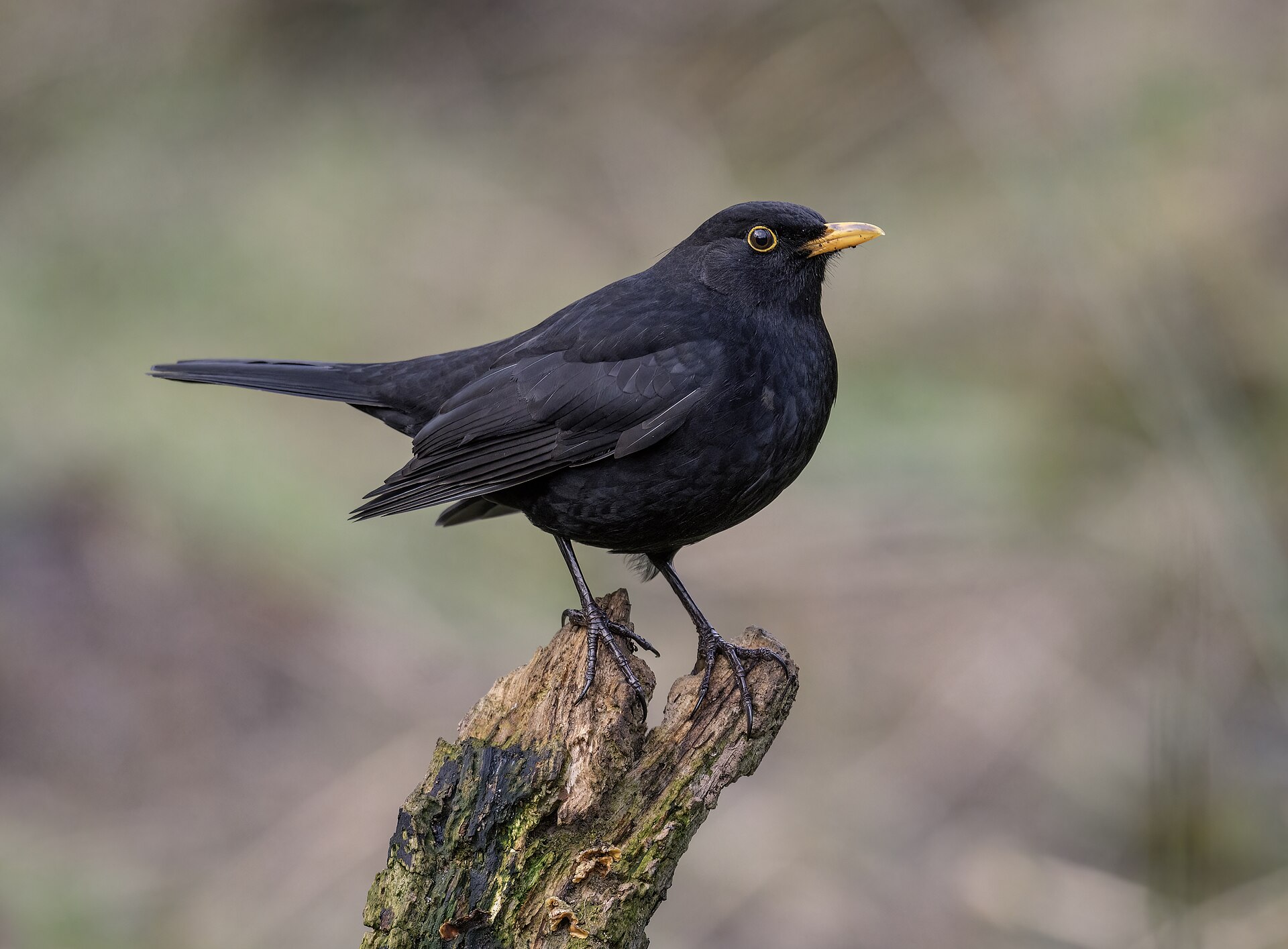
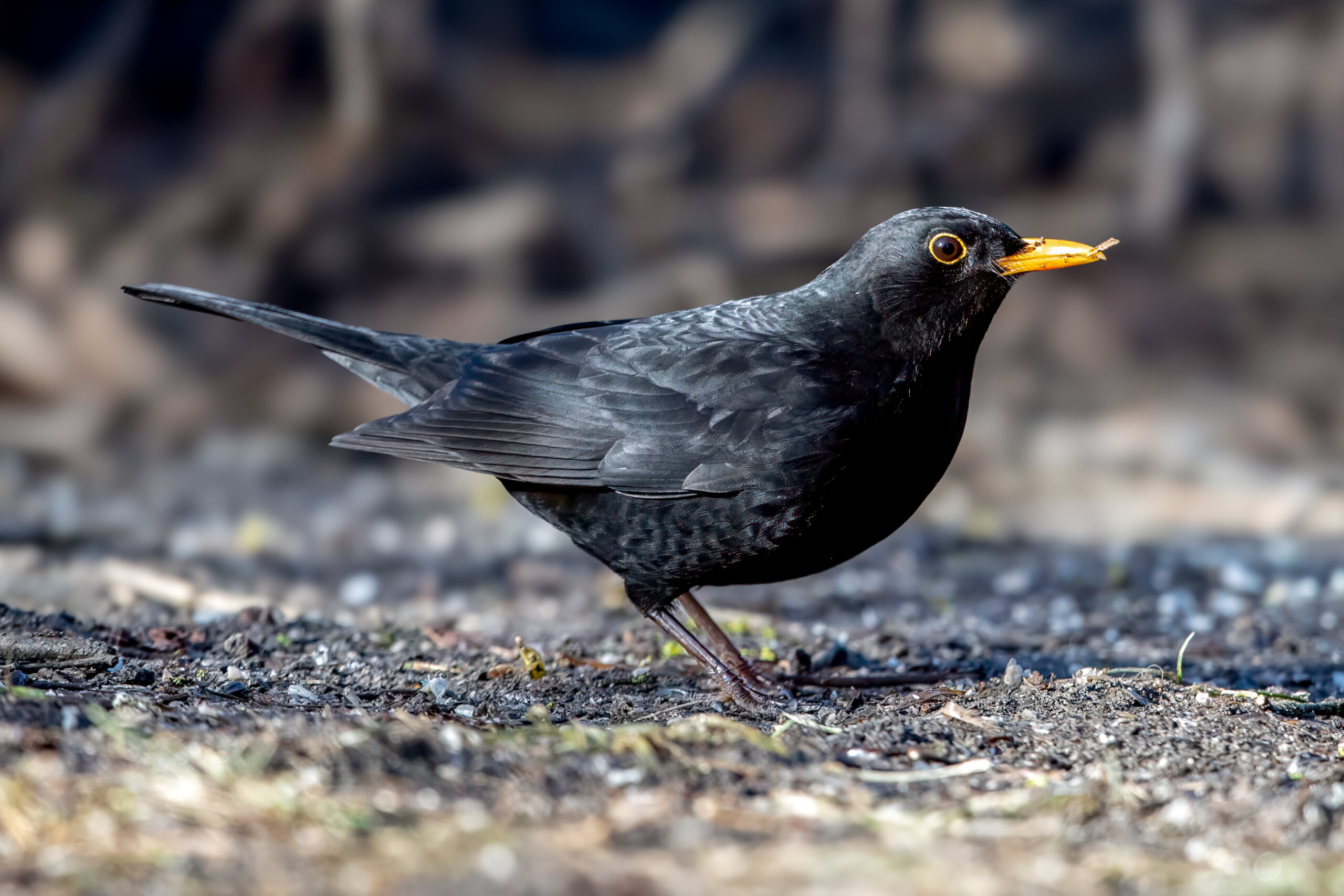
The sera came from gulls, Cory’s Shearwaters (Calonectris borealis), Common Blackbirds (Turdus merula) and Japanese Quail. The gull and shearwater sera were collected on Berlenga and Deserta islands in Portugal. Complement is a group of proteins in the innate immune system that can attack microbes. In these laboratory tests, the researchers asked whether complement in bird serum could kill different Borrelia bacteria.
The other species tested showed contrasting responses. Borrelia afzelii FEM1 was efficiently killed by the bird sera. Borrelia bavariensis PBi resisted Japanese Quail serum but was killed by the other avian sera tested.
C3 binding differed between the bacteria
The researchers also examined whether complement protein C3 bound to the bacterial surface after exposure to Japanese Quail serum. They detected no C3 binding on B. bavariensis PBi, while B. afzelii cells were completely covered with C3. This shows a difference in how the two bacteria interacted with complement in that serum test, but does not establish the molecular cause.
Birds can host ticks and Borrelia in transmission cycles, and the authors suggest that compatibility with a host’s innate immune defences may help shape which hosts are associated with different Borrelia strains. The serum tests offer a clue to that relationship, but do not show whether living birds become infected or maintain and transmit the bacteria.
Disease, parasites & microbiology
Related news
An introduced mosquito and bird malaria point to local transmission on Rangitāhua
On Rangitāhua, about 1,000 km northeast of mainland New Zealand, researchers found an introduced mosquito alongside malaria parasites…
Read story →
Urban Bird Diversity Was More Strongly Linked to Forest Structure Than the Surrounding City
Across 12 urban forests in three Italian cities, researchers recorded 2,035 birds from 52 species. Local forest structure…
Read story →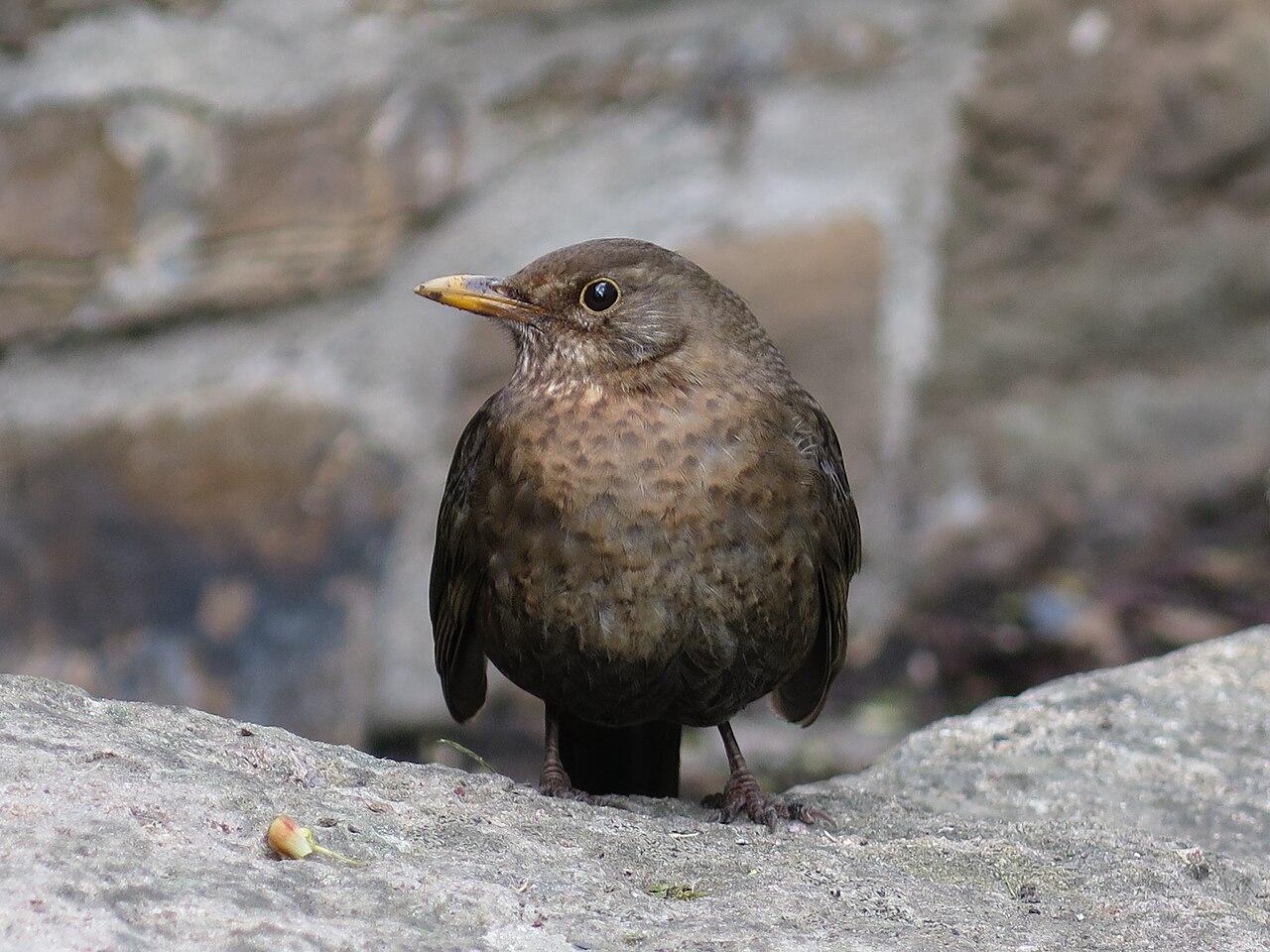
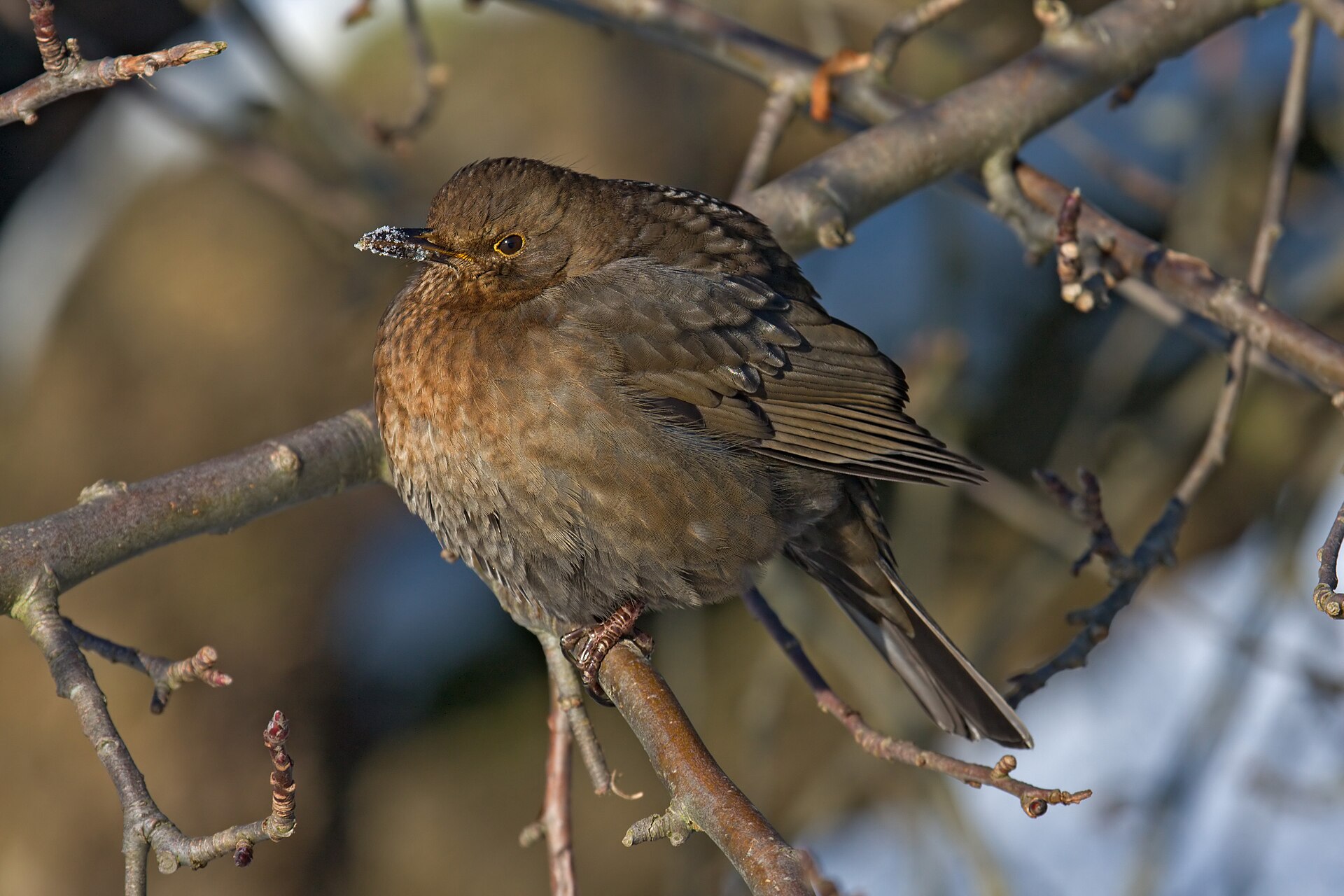
Older Female Blackbirds Built More Debris Into Their Nests
Plastic strips, strings and other human-made materials appeared especially in the bases of Blackbird nests in a Polish…
Read story →SPECIES IN THIS STORY
Species in this story
Independent research and conservation news archive
Did you find this information useful?
Wildlife Vagabond is independently built and maintained. Voluntary support helps cover source verification, hosting and continued work on research and conservation news.
Support Wildlife VagabondThe news archive will remain freely available.