
Urban Bird Diversity Was More Strongly Linked to Forest Structure Than the Surrounding City
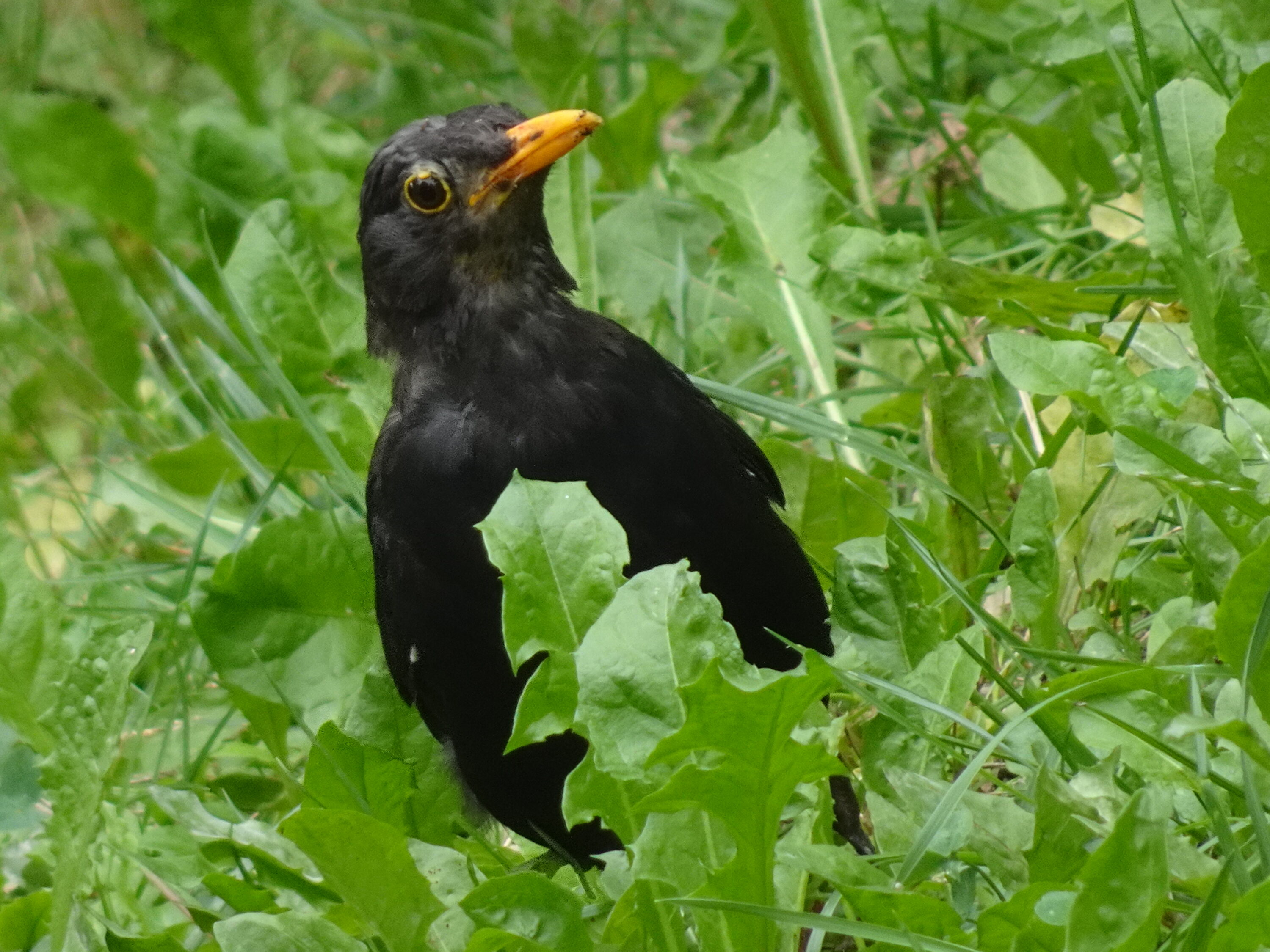
Bird diversity in Mediterranean urban forests was most strongly linked to the structure of the forest stand itself, while the total number of birds was more strongly linked to the surrounding landscape. A study of 12 urban and peri-urban forests in Florence, Rome and Campobasso recorded 2,035 birds from 52 species and compared species richness, abundance and functional diversity with vegetation and landscape characteristics.
The researchers combined bird surveys with detailed measurements of tree structure, dead wood, microhabitats and the composition and configuration of land cover around each forest. This allowed them to ask whether different dimensions of bird diversity respond primarily to conditions inside the woodland or to the larger urban landscape.
Local forest structure mattered most for diversity
Species richness and functional dispersion — a measure of how different the ecological traits of the bird community are — were influenced mainly by local forest attributes. Tree density was the most influential predictor across richness, abundance and functional diversity, although its relationship with diversity was non-linear rather than simply “more trees equals more species”.
Canopy development also mattered. Forests with a larger crown ratio, meaning a greater proportion of tree height occupied by the crown, generally had higher predicted species richness and functional diversity. Vertical structural variation contributed as well, showing that the arrangement of vegetation through the height of the woodland can affect the number and types of ecological niches available to birds.
Abundance responded more to the surrounding landscape
The total abundance of birds showed a different pattern. Landscape-scale variables, including the aggregation of forest patches and diversity of surrounding land cover, contributed more strongly than local stand structure. This indicates that the broader urban matrix can influence movement, dispersal and access to resources even when local vegetation determines much of the diversity found within a forest.
The relationships were often non-linear, so the results do not point to a single ideal tree density or landscape configuration. Instead, different combinations of local structure and surrounding land cover produced different responses, and some effects varied among the three cities.
Familiar species formed part of a wider urban community
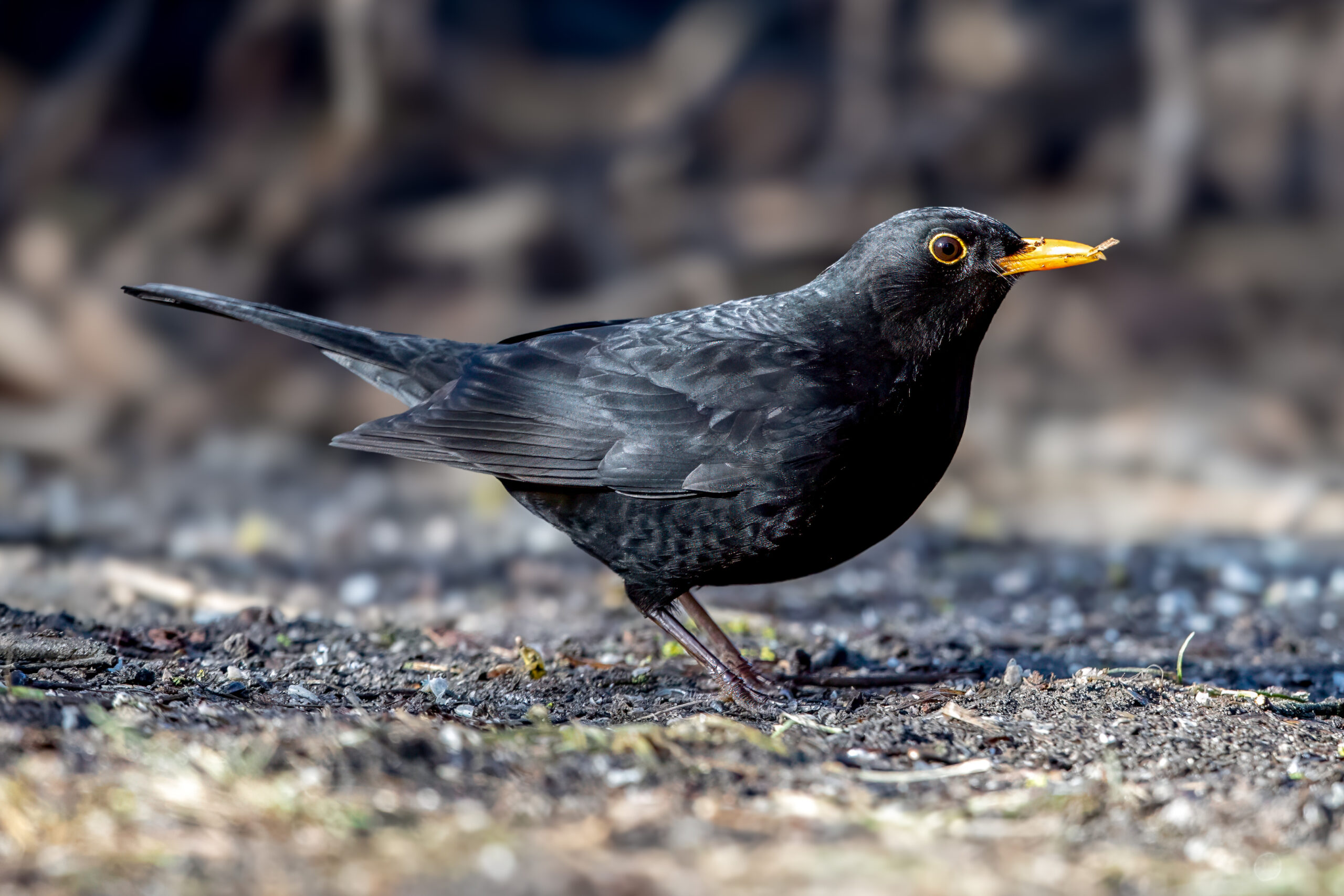
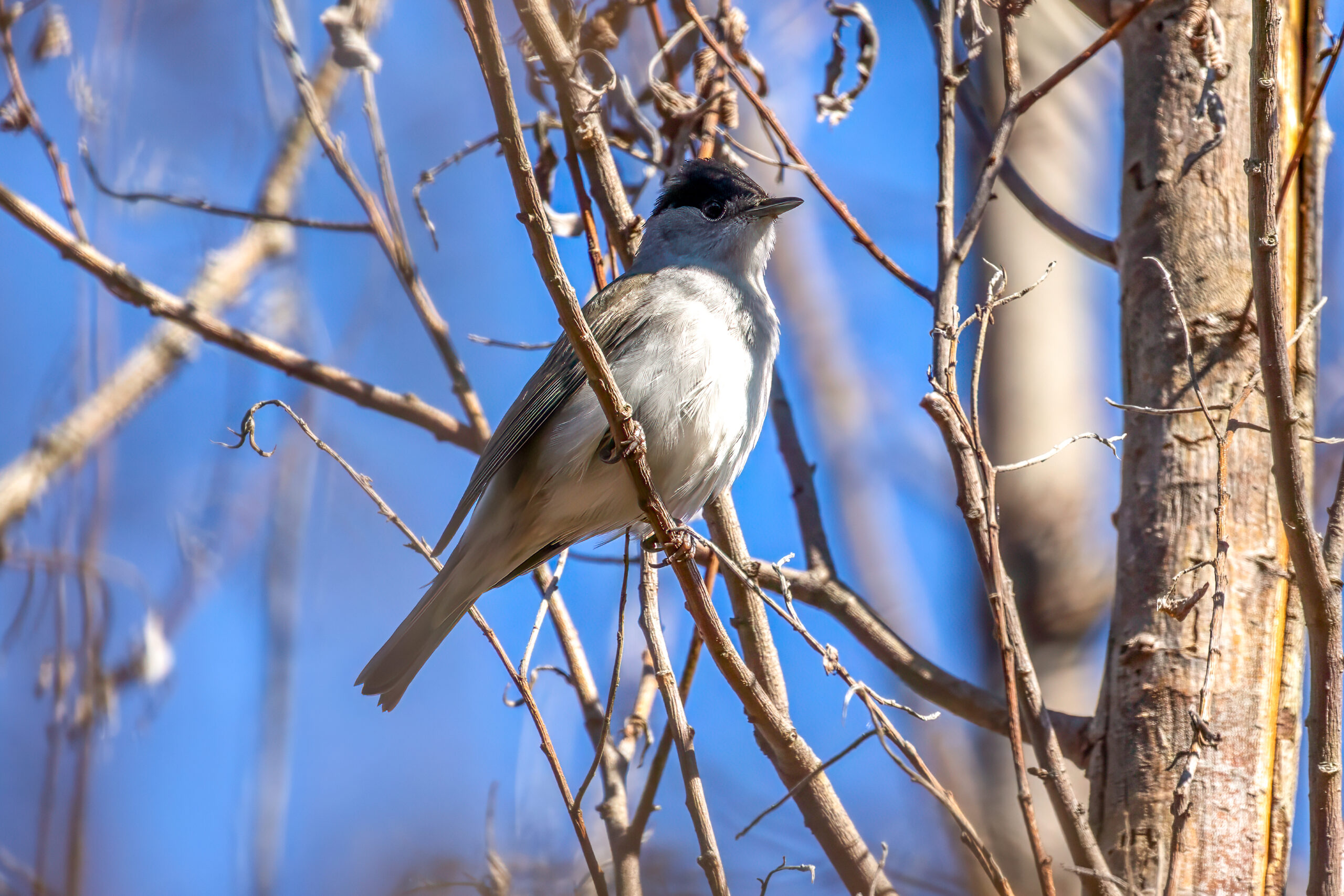
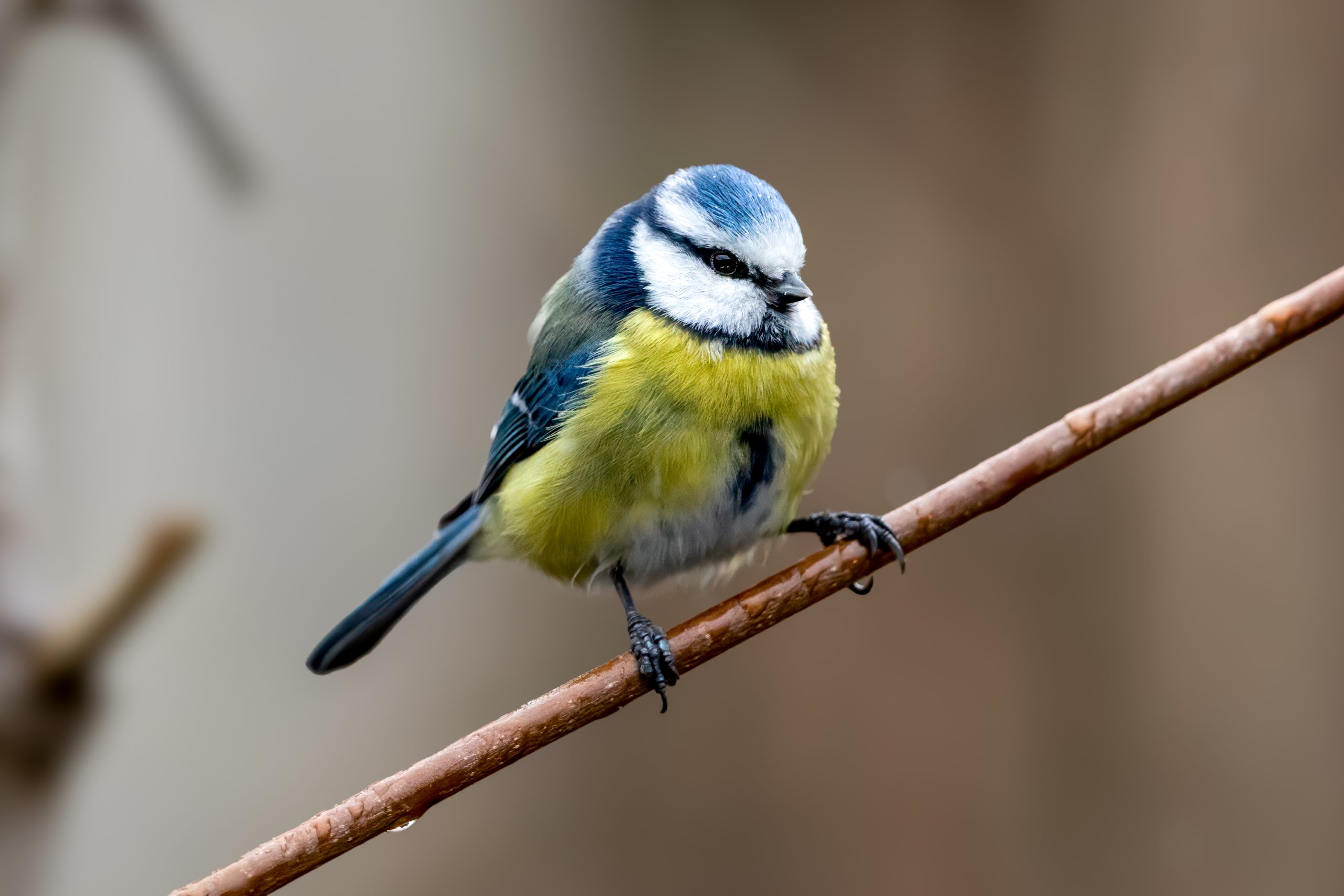
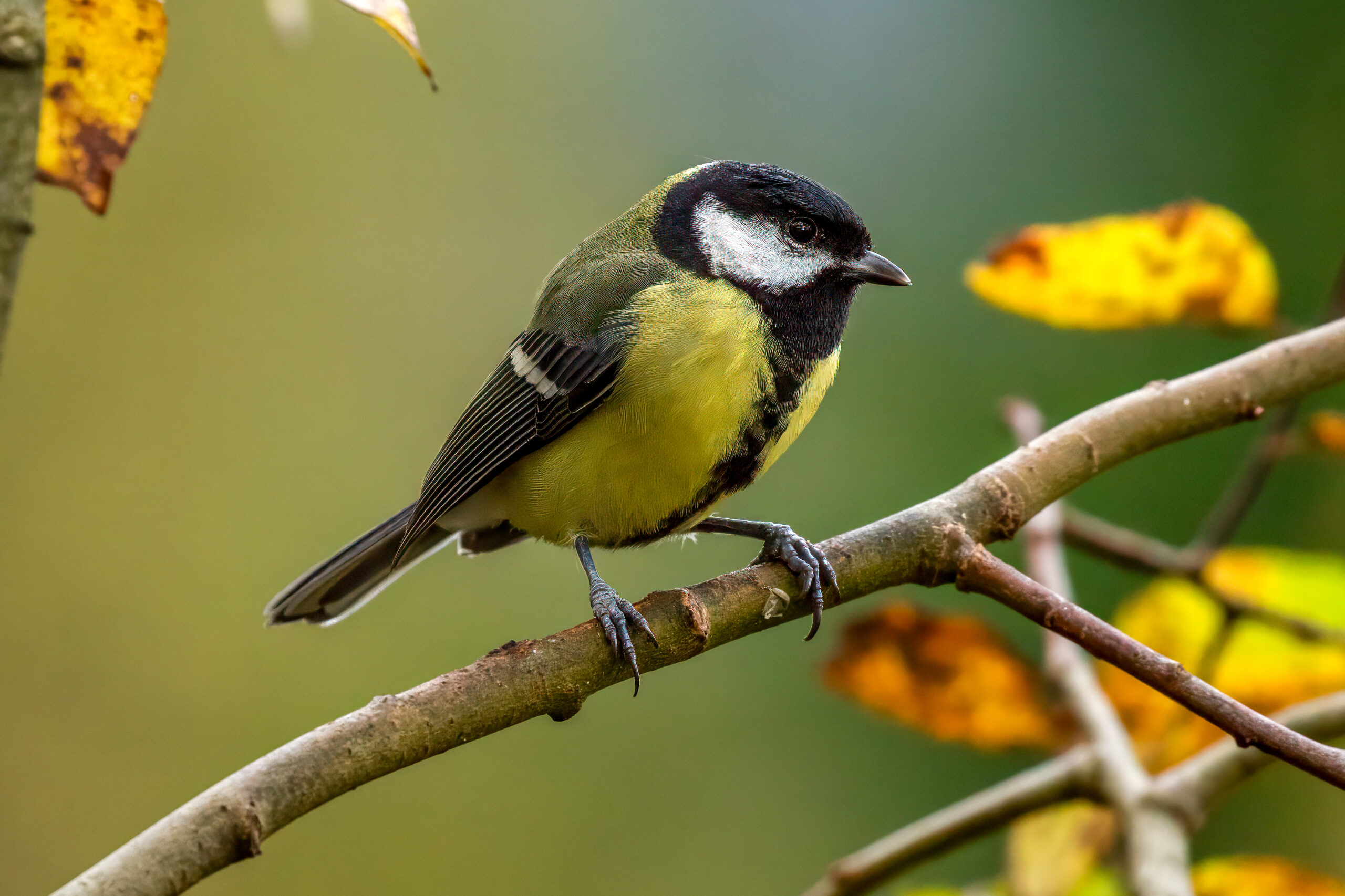
Several widespread species were recorded consistently across the study system. Eurasian Blackbird (Turdus merula), Eurasian Blackcap (Sylvia atricapilla), Eurasian Blue Tit (Cyanistes caeruleus) and Great Tit (Parus major) were among the recurring components of the urban-forest bird assemblages.
The study therefore shows why urban bird conservation cannot be reduced to the size of a green space alone. The internal structure of urban woodland was especially important for how many species and ecological strategies were supported, while the surrounding landscape helped determine how many birds used those forests in total.
Ecology
Related news
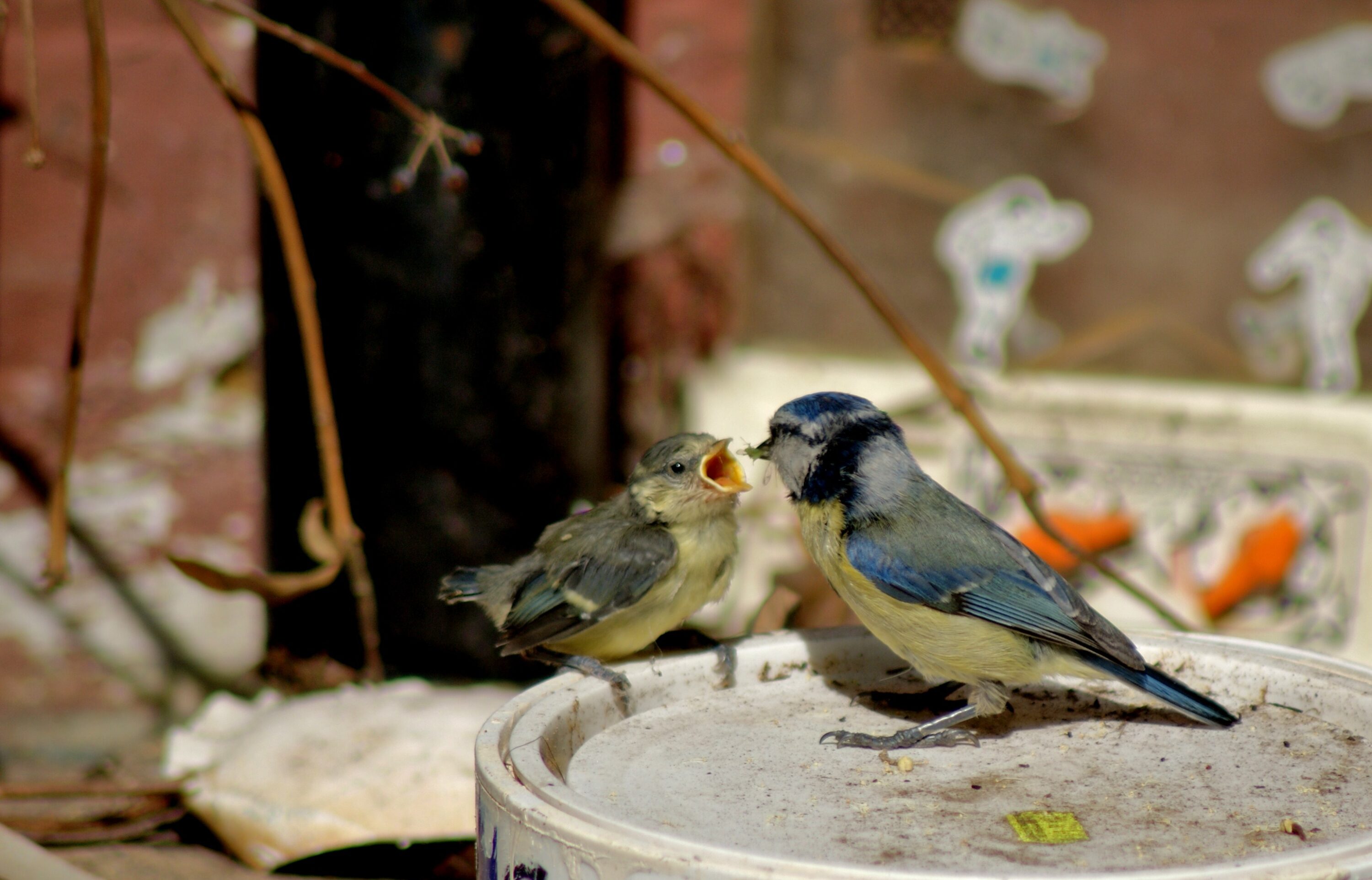
Record May Heatwave Reduced Breeding Success and Nestling Mass in Great Tits and Eurasian Blue Tits
Compared with equivalent parts of the breeding season in 1978–2025, fledgling number declined by 4.5 nestlings in 2026…
Read story →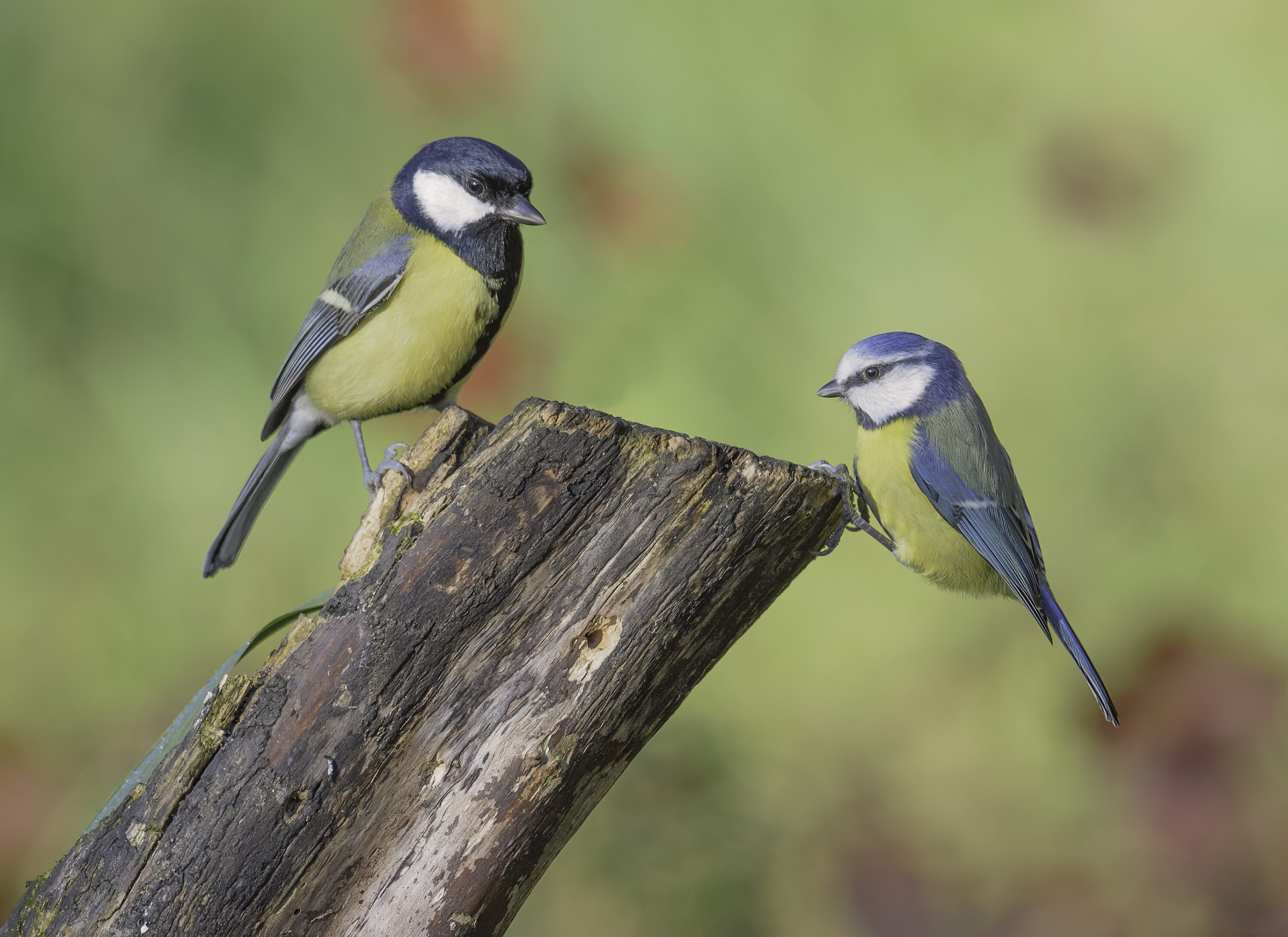
Autumn Movement Timing Stayed Stable as Wings Became Rounder in Great and Eurasian Blue Tits
Hungarian ringing data from 2004–2024 found stable autumn movement timing in great and Eurasian blue tits, while body…
Read story →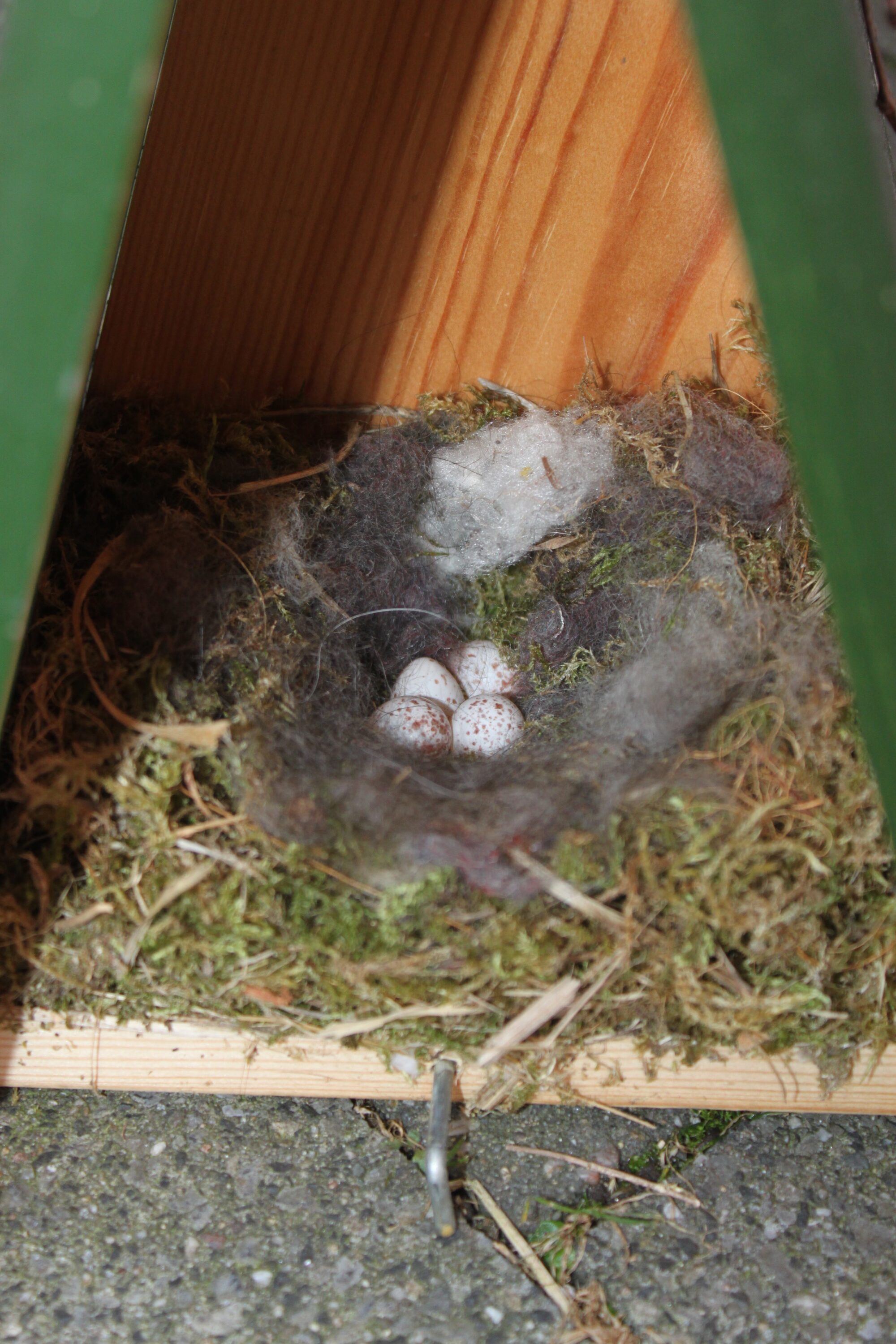
Great Tit and Eurasian Blue Tit Eggs Contained Different Mixes of PFOS Isomers
Researchers analysed 41 eggs from a contaminated industrial site in Belgium and detected both linear and branched PFAS…
Read story →SPECIES IN THIS STORY
Species in this story
Independent research and conservation news archive
Did you find this information useful?
Wildlife Vagabond is independently built and maintained. Voluntary support helps cover source verification, hosting and continued work on research and conservation news.
Support Wildlife VagabondThe news archive will remain freely available.