
Hunted birds showed hidden differences in survival
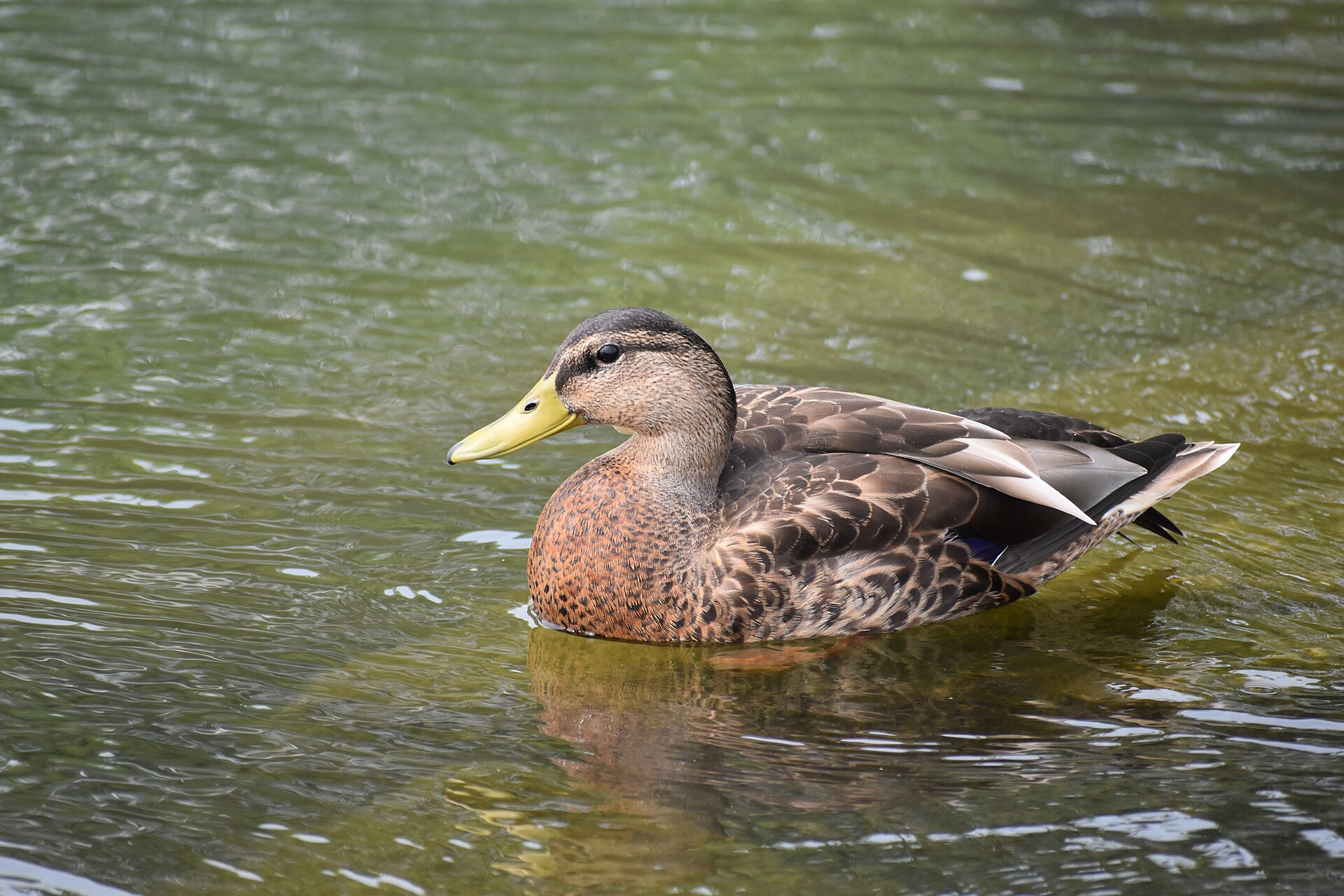
Even within one bird species, individuals do not all have the same chance of surviving. Some differences can be linked to recognizable traits such as age, sex or body condition. Others remain unexplained. A study of six hunted species found hidden differences in survival in most of them, although the estimated contrast between birds with higher and lower survival was often small.
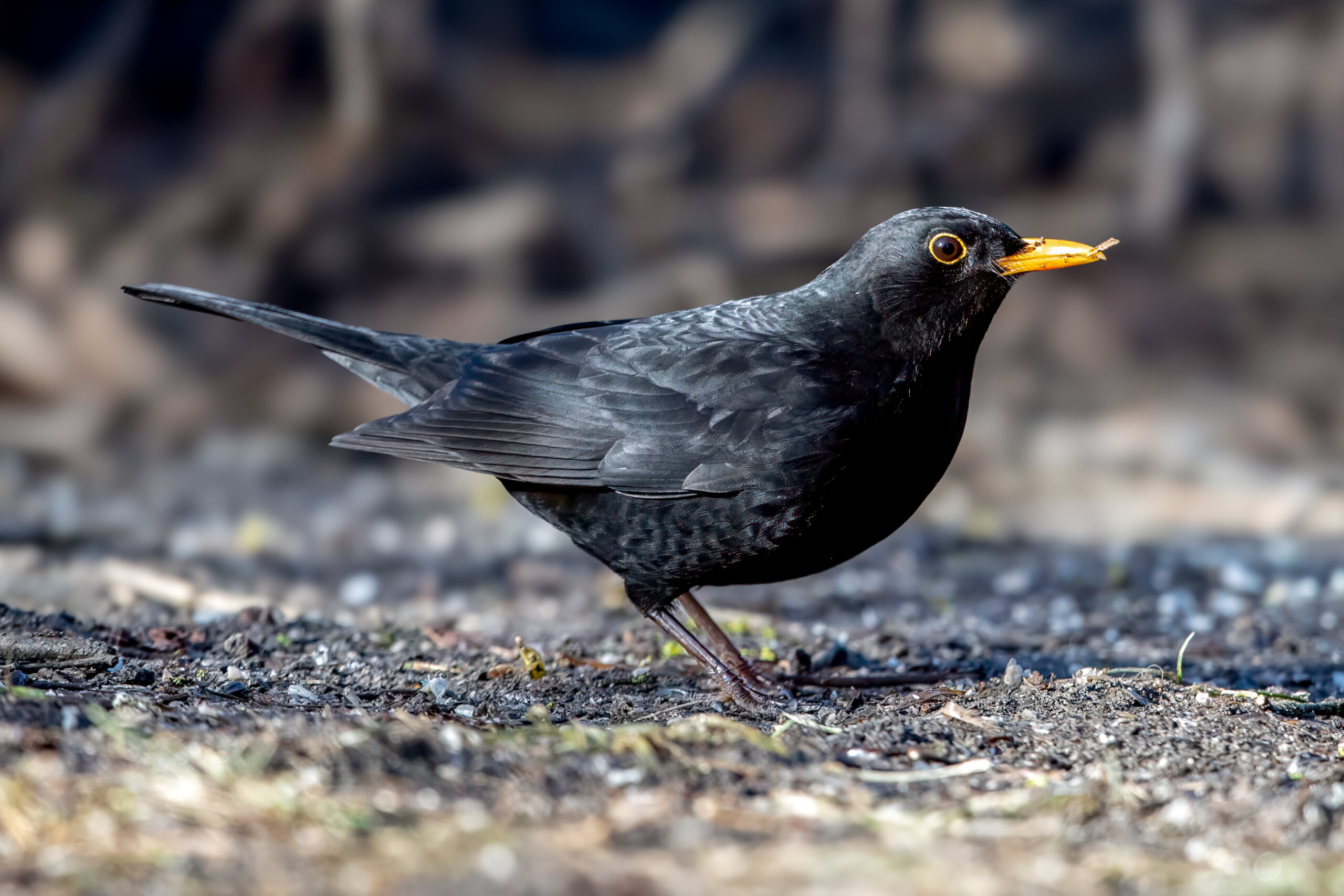
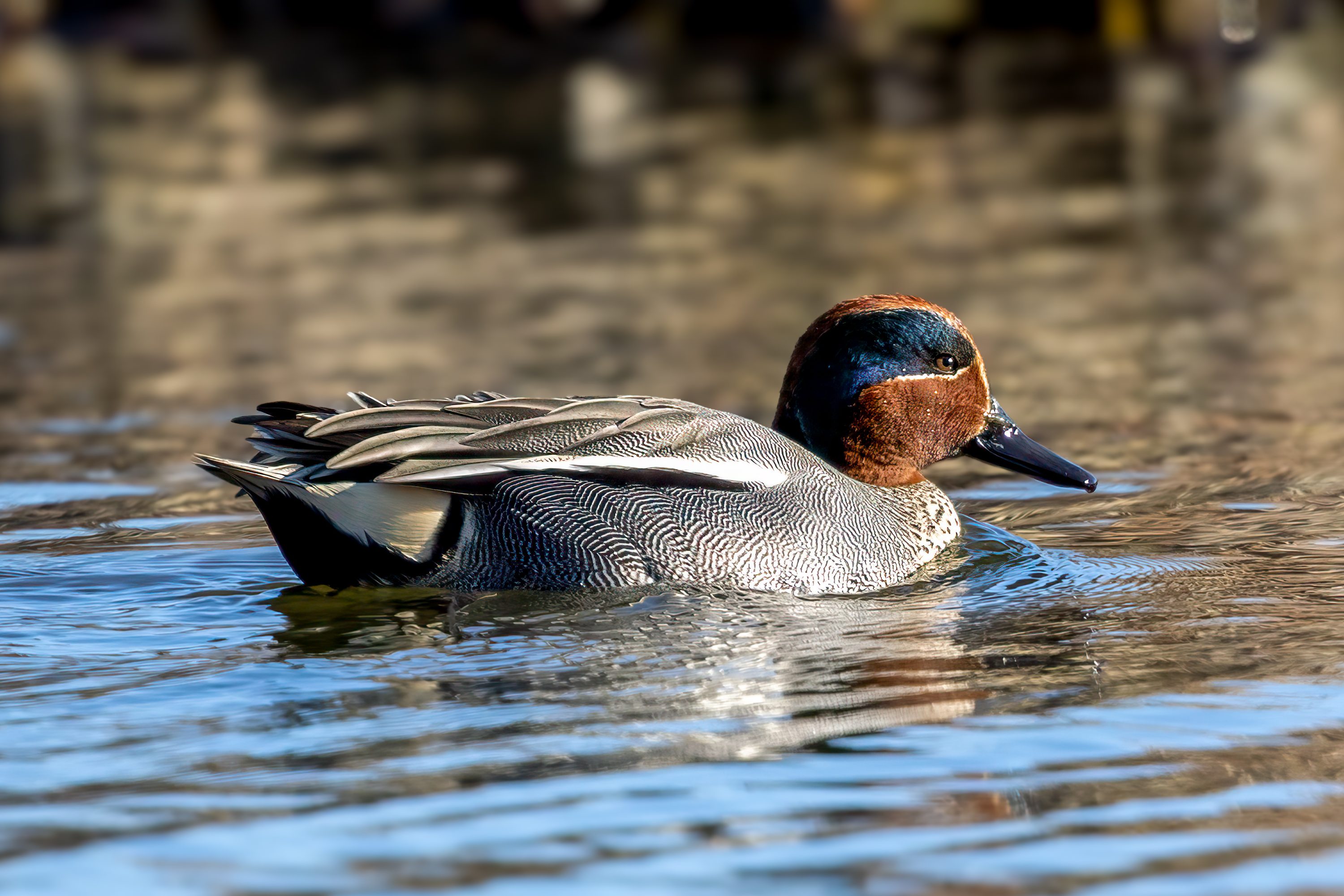
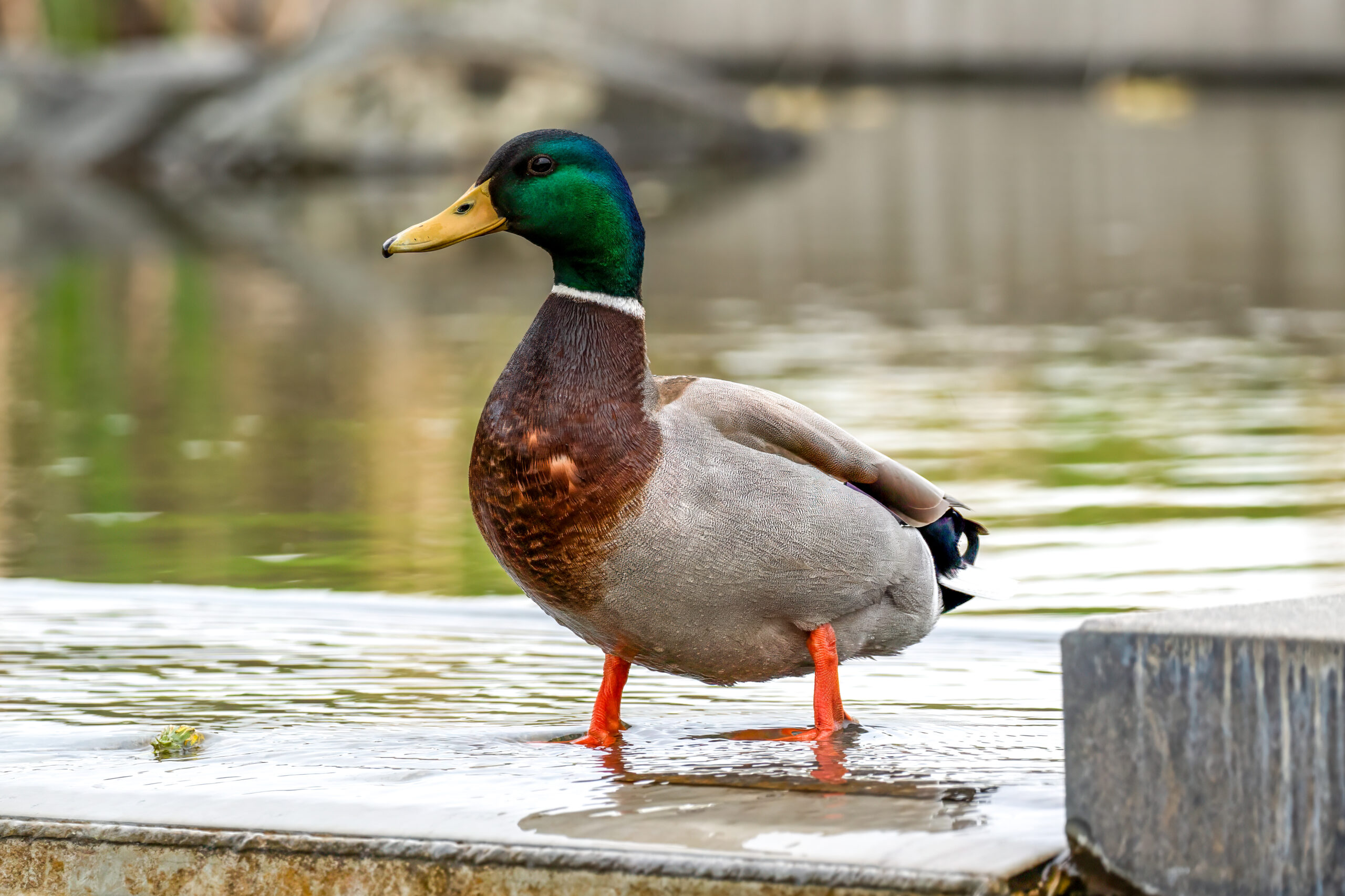
The species were Eurasian Blackbird (Turdus merula), Green-winged Teal (Anas crecca, called Common Teal in the study), Mallard (Anas platyrhynchos), Common Pochard (Aythya ferina), Common Snipe (Gallinago gallinago) and Common Quail (Coturnix coturnix). Together, they span a range of life-history strategies, from relatively fast-lived species that reproduce quickly to slower-lived species.
Following ringed birds over time
Researchers analysed capture, recapture and recovery records for 61,432 ringed birds from 1953 to 2020. By identifying birds again when they were recaptured or recovered, such records let researchers follow survival across time. The study asked whether individuals differed in survival in ways not explained by migration timing or morphology—their physical form and measurements. In most of the six species, the analysis detected such hidden variation.
The findings suggest that the low- and high-survival groups were not simply separated by when birds migrated or by their morphology. The study does not establish what caused the remaining differences. The authors suggest they could reflect unmeasured characteristics of individual birds or external conditions, such as local differences in hunting pressure.
Why hidden differences matter for hunting
Differences among individuals can affect how hunting mortality relates to natural mortality. In some circumstances, harvest deaths may partly compensate for deaths that would otherwise occur naturally, rather than simply adding to them. If birds within a population do not share the same underlying survival prospects, treating them all as one average group can obscure how those forms of mortality interact. The study identifies hidden variation as something that research and management of hunted species should take into account; it does not determine whether hunting is sustainable for any of these six species.
The study is available as a bioRxiv preprint and has not yet been peer reviewed.
Ecology
Related news
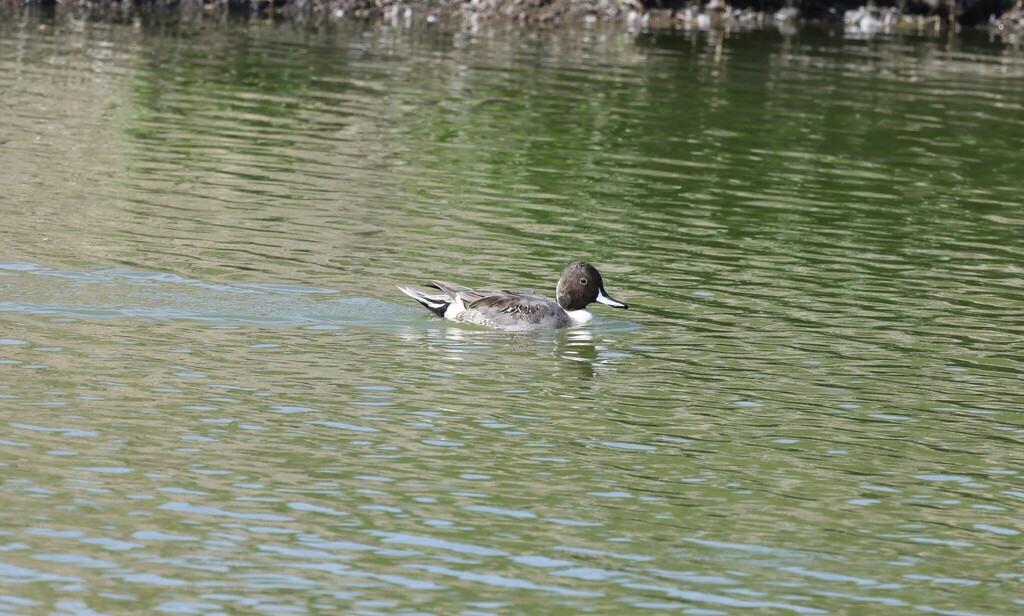
Northern Pintails Got Less Energy from Wetland Seeds Than Other Ducks
Feeding trials comparing Mallards, Northern Pintails and Green-winged Teal found that usable energy from seeds of six moist-soil…
Read story →
Seven overlaps linked wild-bird H5 clusters with poultry outbreaks in the US
Across seven periods between 2022 and 2025, clusters of H5 detections in wild waterfowl overlapped in time and…
Read story →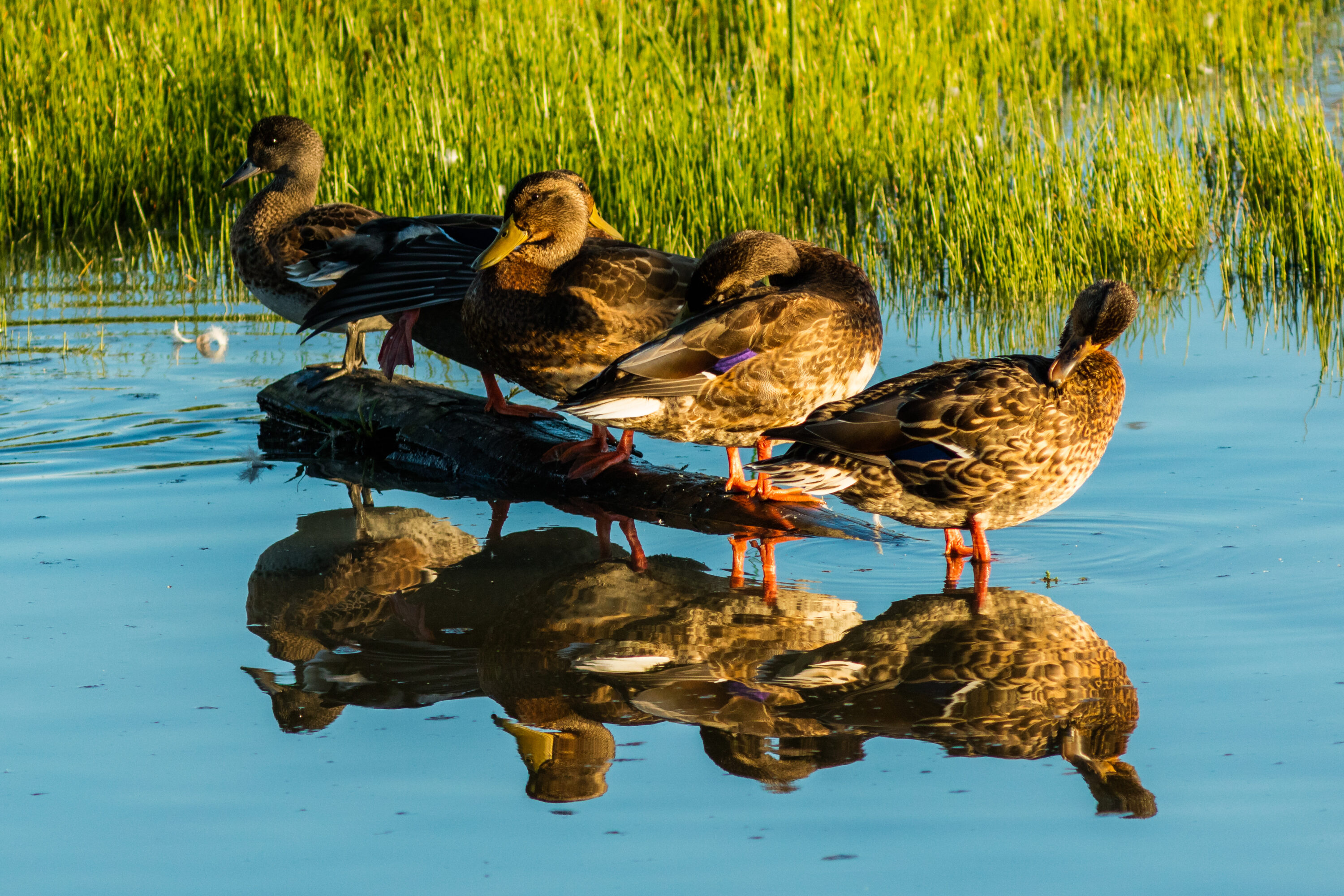
Mallard Population Growth Was Lower in Years With Longer Growing Seasons at Higher Latitudes
Across 38 years of western boreal survey data, annual mallard population growth was lower in years with longer…
Read story →SPECIES IN THIS STORY
Species in this story
Independent research and conservation news archive
Did you find this information useful?
Wildlife Vagabond is independently built and maintained. Voluntary support helps cover source verification, hosting and continued work on research and conservation news.
Support Wildlife VagabondThe news archive will remain freely available.