
Black Rhinos Maintained Stable Spatial Relationships Despite Rare Close Contact
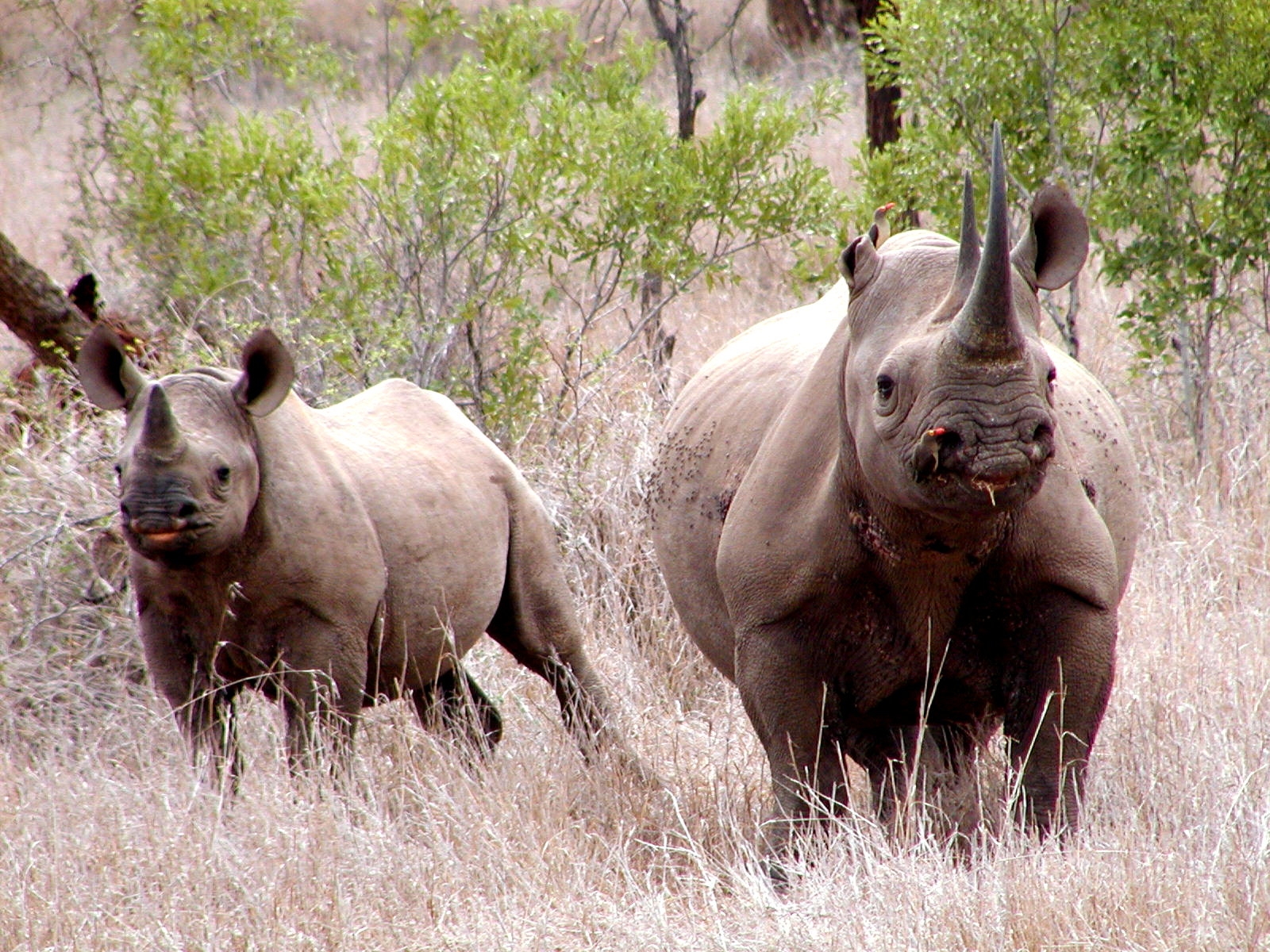
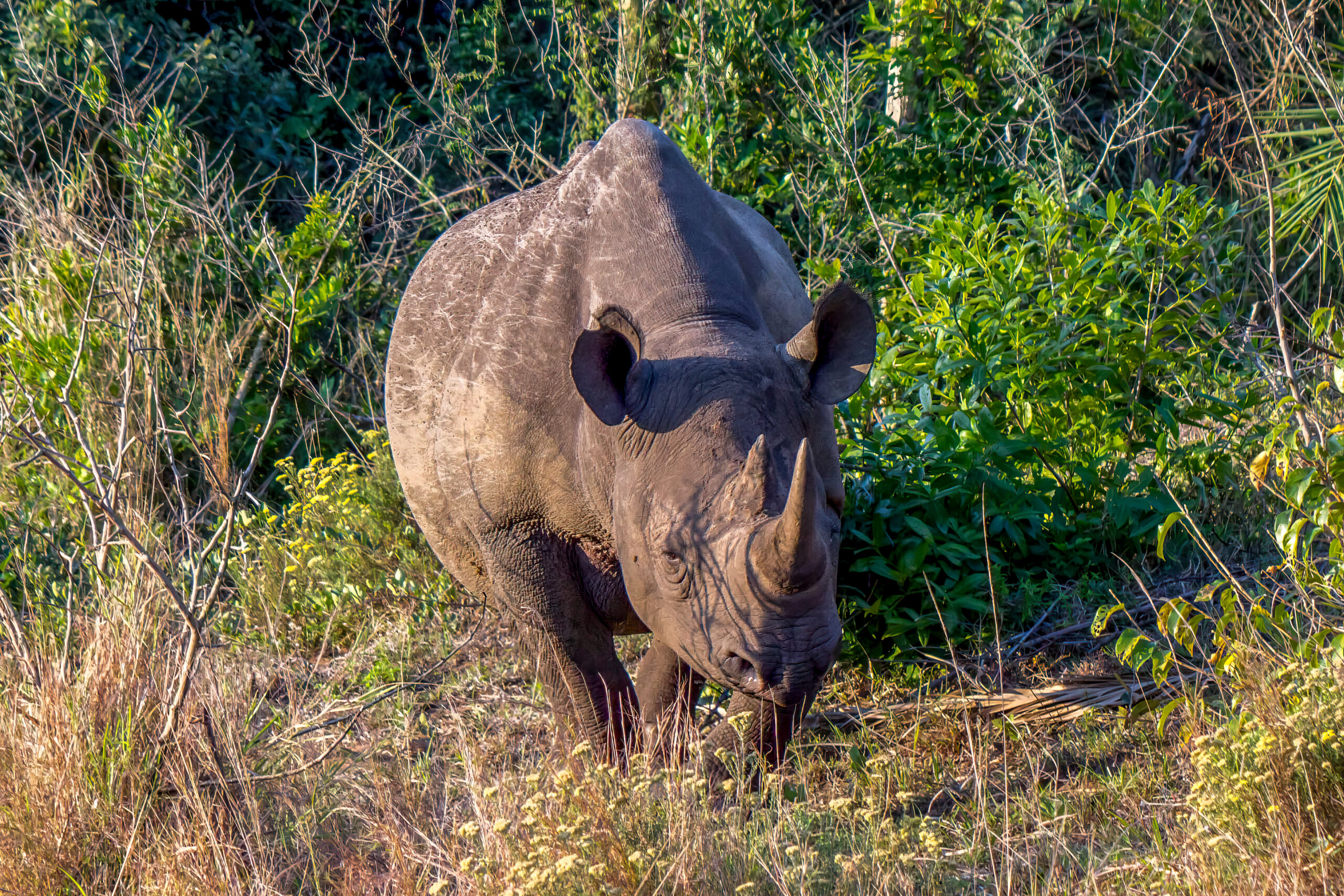
Black rhinoceroses (Diceros bicornis) are predominantly solitary, but GPS tracking of 21 animals at Kwandwe Private Game Reserve in South Africa showed that their long-term use of space was socially structured. The study examined seasonal ranges, overlap and proximity between individuals, and how sex, age, kinship and social context influenced space use.
Females repeatedly used the ranges of the same males
Every female range overlapped with that of at least one male, and females continued to overlap with at least one of the same males from one season to the next. Male ranges overlapped with those of about four females on average, showing persistent spatial relationships between the sexes.
These relationships did not mean that males and females regularly travelled together. Even animals with overlapping ranges spent little time close to one another. The study therefore supports the description of black rhinos as predominantly solitary while showing that their long-term use of space is socially structured.
Related females shared more space
Mothers and daughters or sisters showed greater range overlap than unrelated females and often overlapped with the same male. The authors raise this pattern as a possible long-term inbreeding concern if daughters remain within the range of their fathers under a territorial mating system.
The study did not measure inbreeding itself. The authors therefore recommend genetic monitoring and suggest that movement of young females may sometimes need to be considered as part of population management.
Male range boundaries were permeable
Older males generally had larger ranges and greater access to females than younger males. Only older males were attracted to overlap zones with younger males, while access to forage did not differ between the age groups.
All monitored males also moved beyond the borders of their own seasonal ranges and entered neighbouring males’ ranges. The GPS data showed that the boundaries of male seasonal ranges were therefore permeable, although the study could not resolve what happened socially during these incursions because direct encounters were not observed.
Taken together, the results describe a predominantly solitary species whose space use is nevertheless shaped by persistent relationships between males and females, kinship among females and an age-related hierarchy among males.
Behaviour
Related news
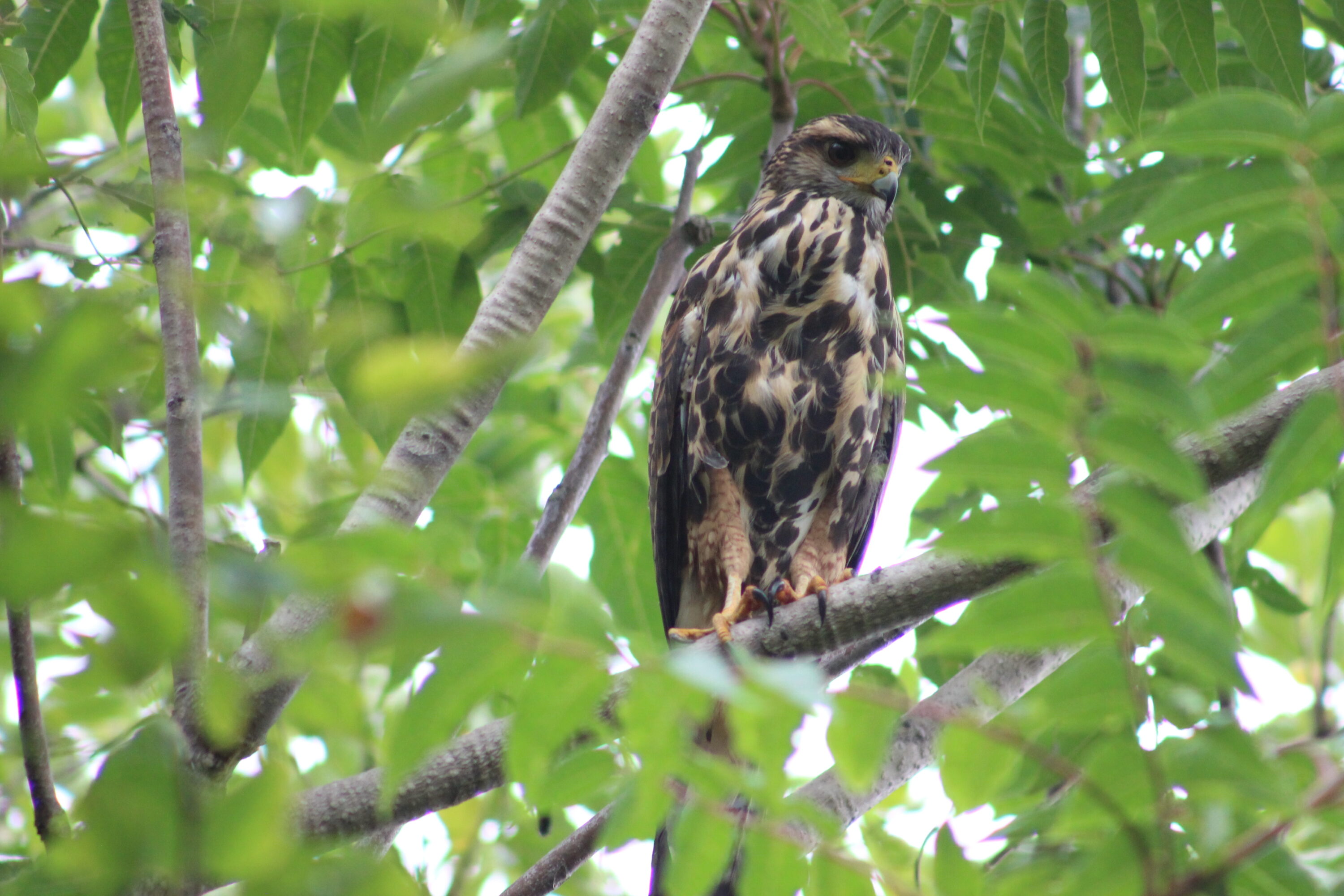
Juvenile Harris's Hawks Manipulated Pine Cones for About Five Minutes
Two juvenile Harris's hawks in Buenos Aires Province tore pine cones from trees, carried them to new perches…
Read story →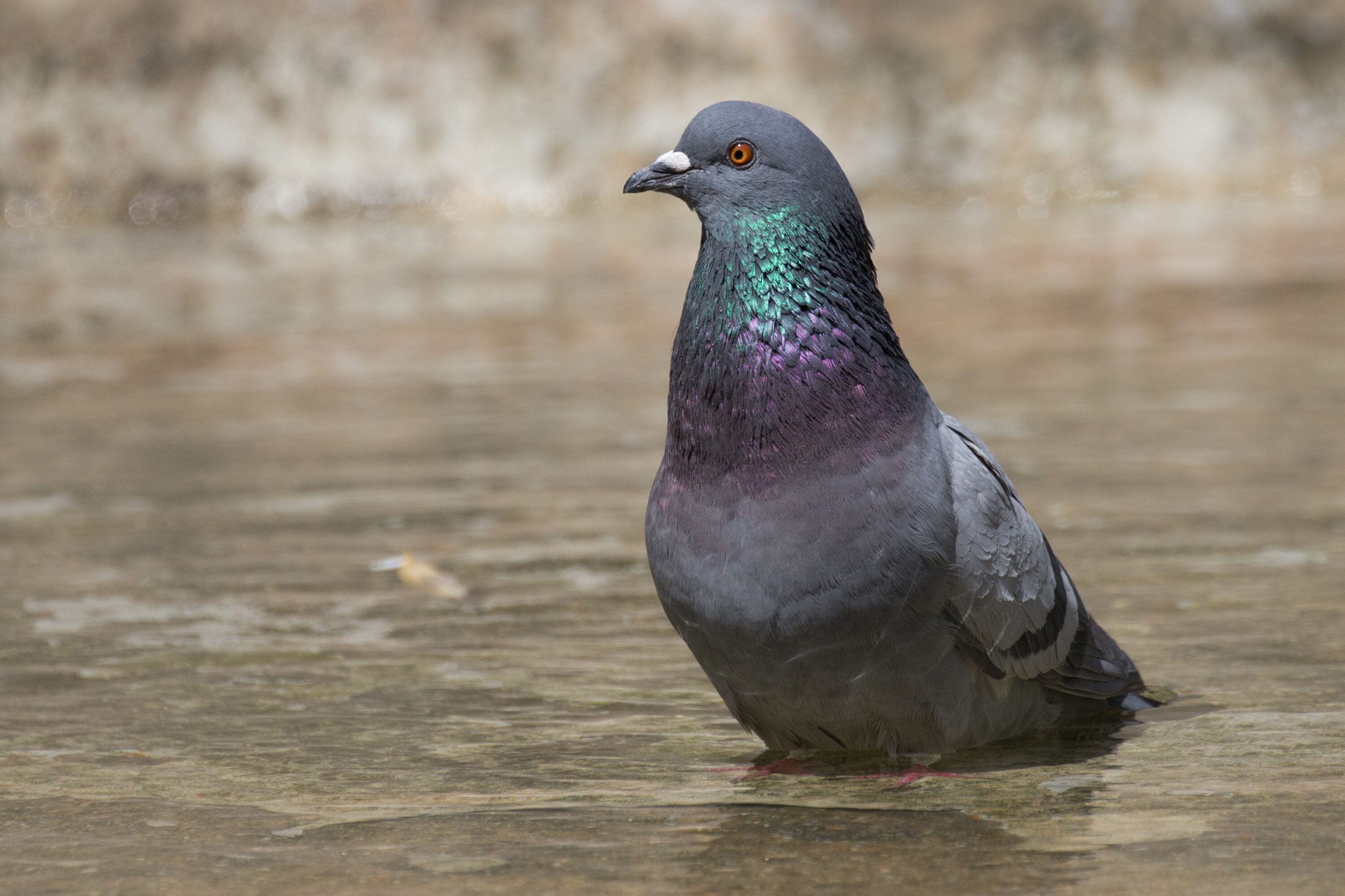
Rock Doves Preferred Predictive Information Despite a Lower Food Payoff
Seven rock doves preferred an informative option that paid on 20% of trials over a non-informative option that…
Read story →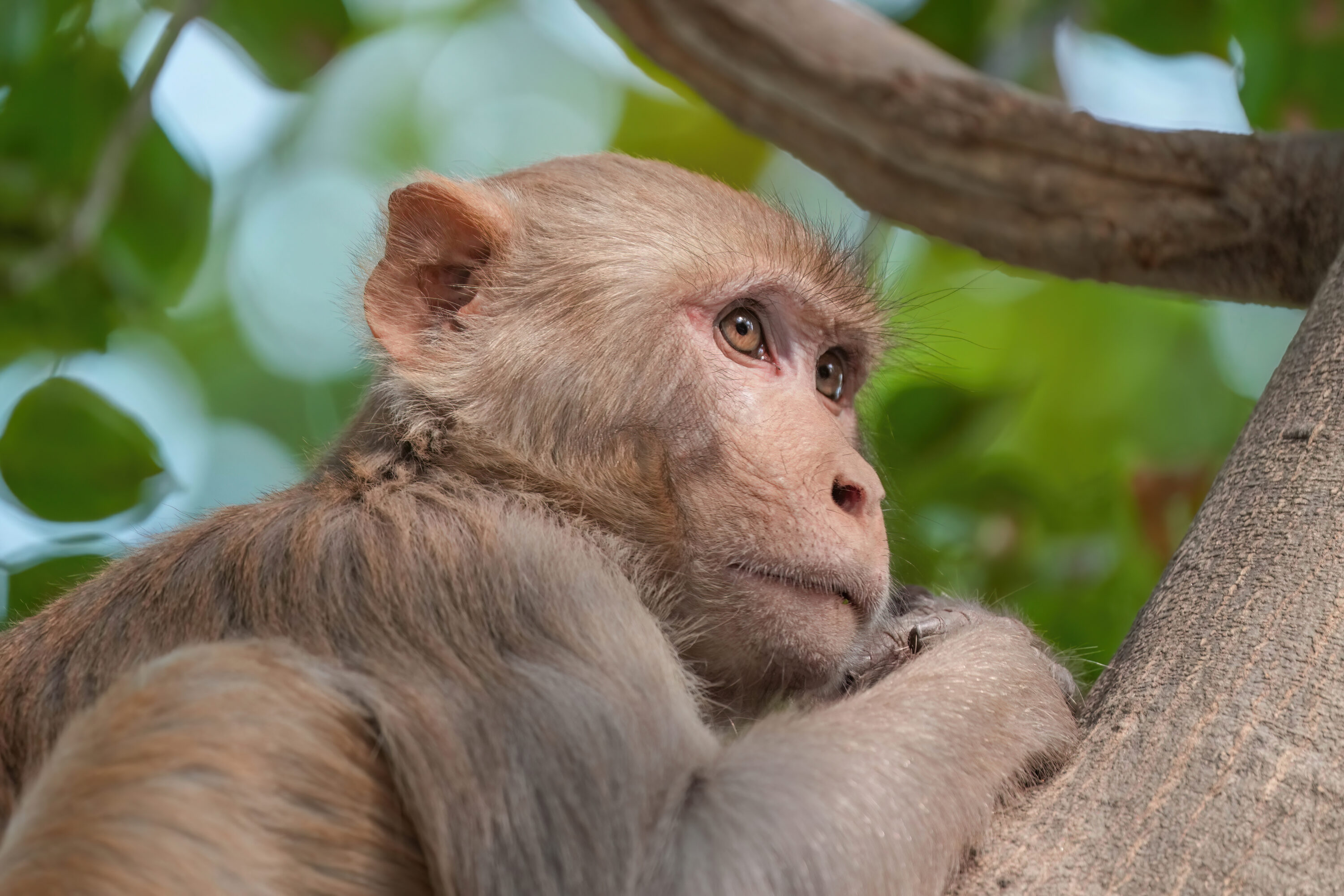
Task Uncertainty Increased Interference From Irrelevant Visual Information in Rhesus Macaque Decisions
Two rhesus macaques made less accurate visual decisions under task uncertainty; recordings and microstimulation in primary visual cortex…
Read story →SPECIES IN THIS STORY
Species in this story
Independent research and conservation news archive
Did you find this information useful?
Wildlife Vagabond is independently built and maintained. Voluntary support helps cover source verification, hosting and continued work on research and conservation news.
Support Wildlife VagabondThe news archive will remain freely available.