
Black Soldier Fly Larvae Reduced Dry Canada Goose Feces by 56%
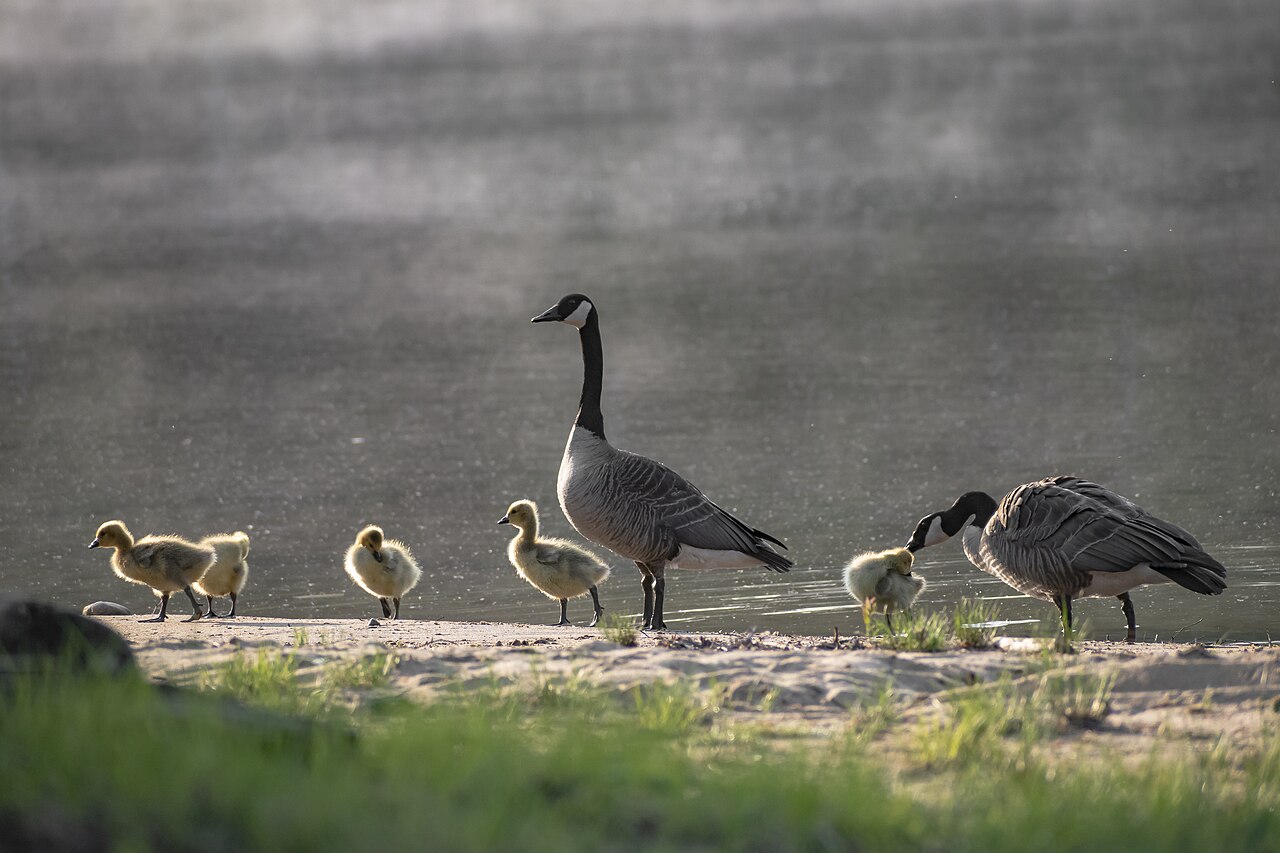
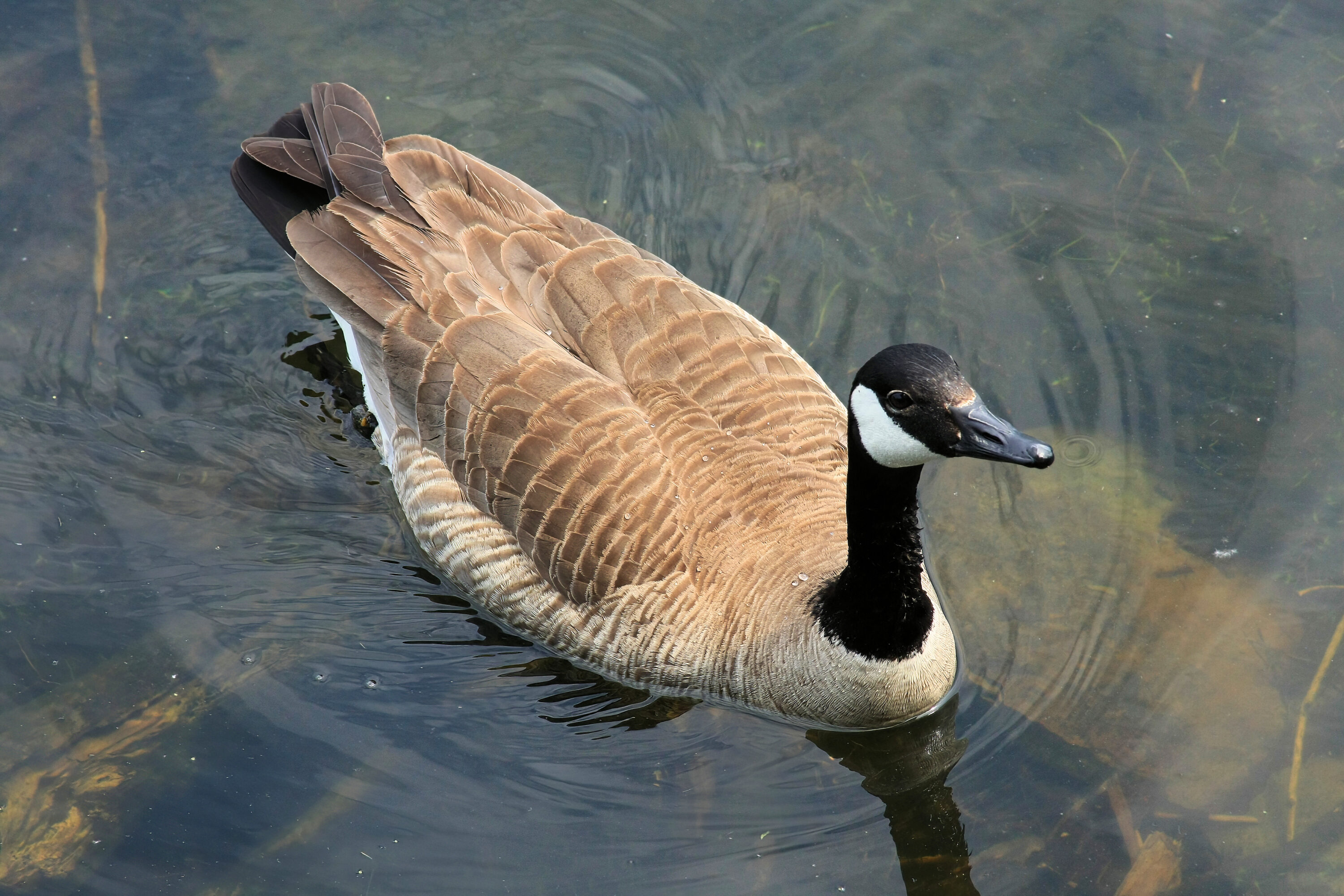
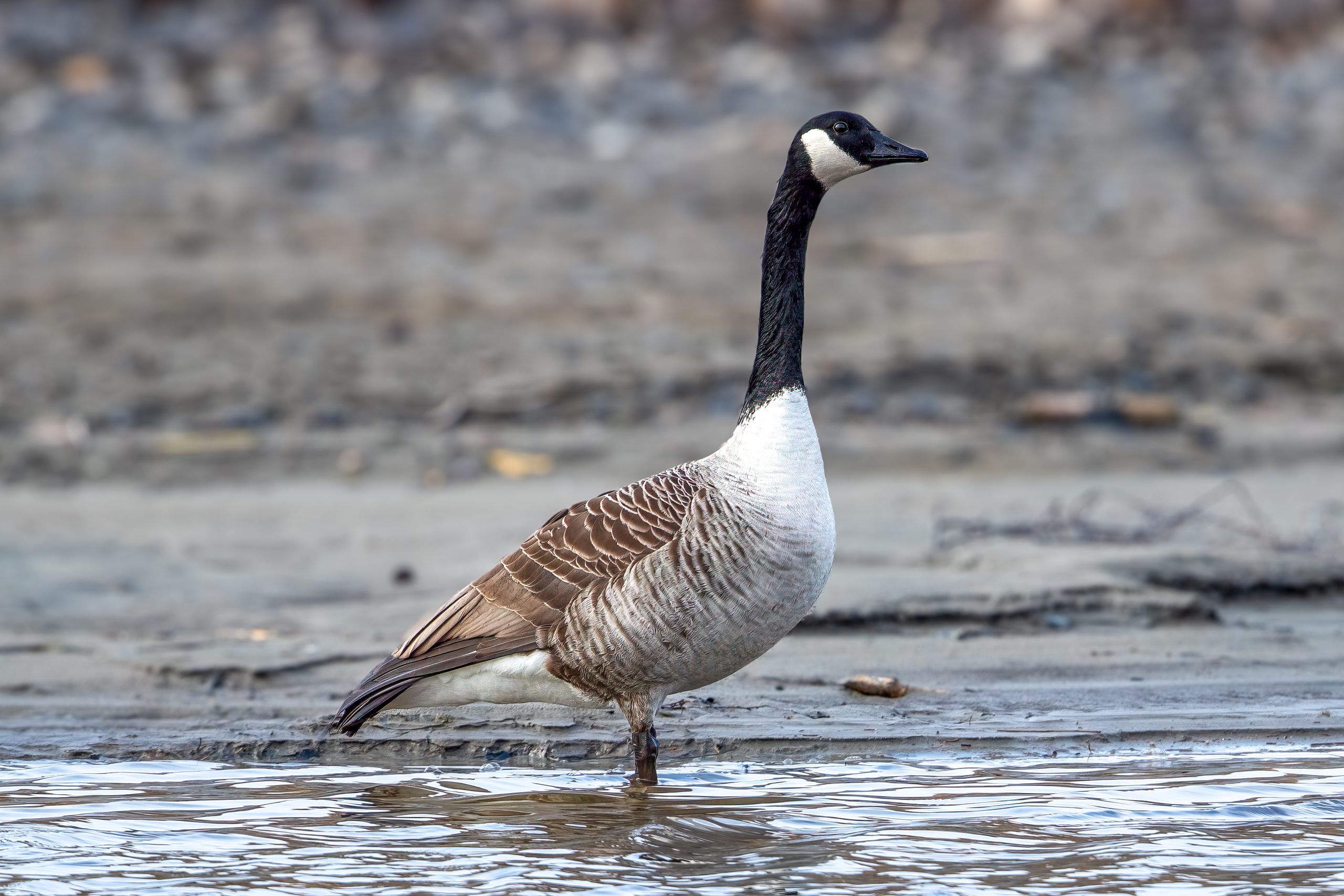
Researchers in Canada tested whether black soldier fly (Hermetia illucens) larvae could convert feces from Canada goose (Branta canadensis) into insect biomass and fertilizer. In laboratory trials, the larvae survived and completed their development even when fed a diet consisting entirely of goose feces.
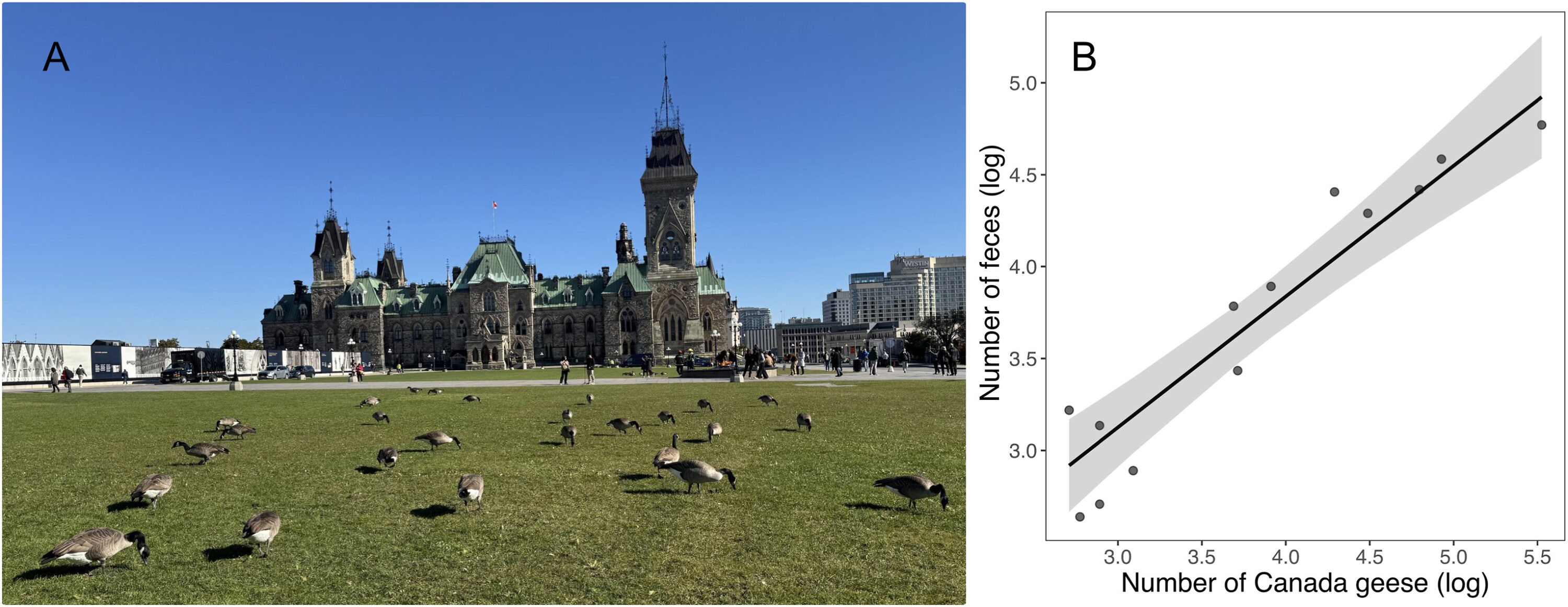
The study, published online in the Journal of Environmental Management on 19 February 2026, began with field surveys of urban green spaces in southern Quebec and Ontario. Larger goose flocks were associated with more fresh droppings, illustrating how locally abundant geese can create concentrated fecal loads in parks and other public areas.
Larvae consumed more than half of the dry waste
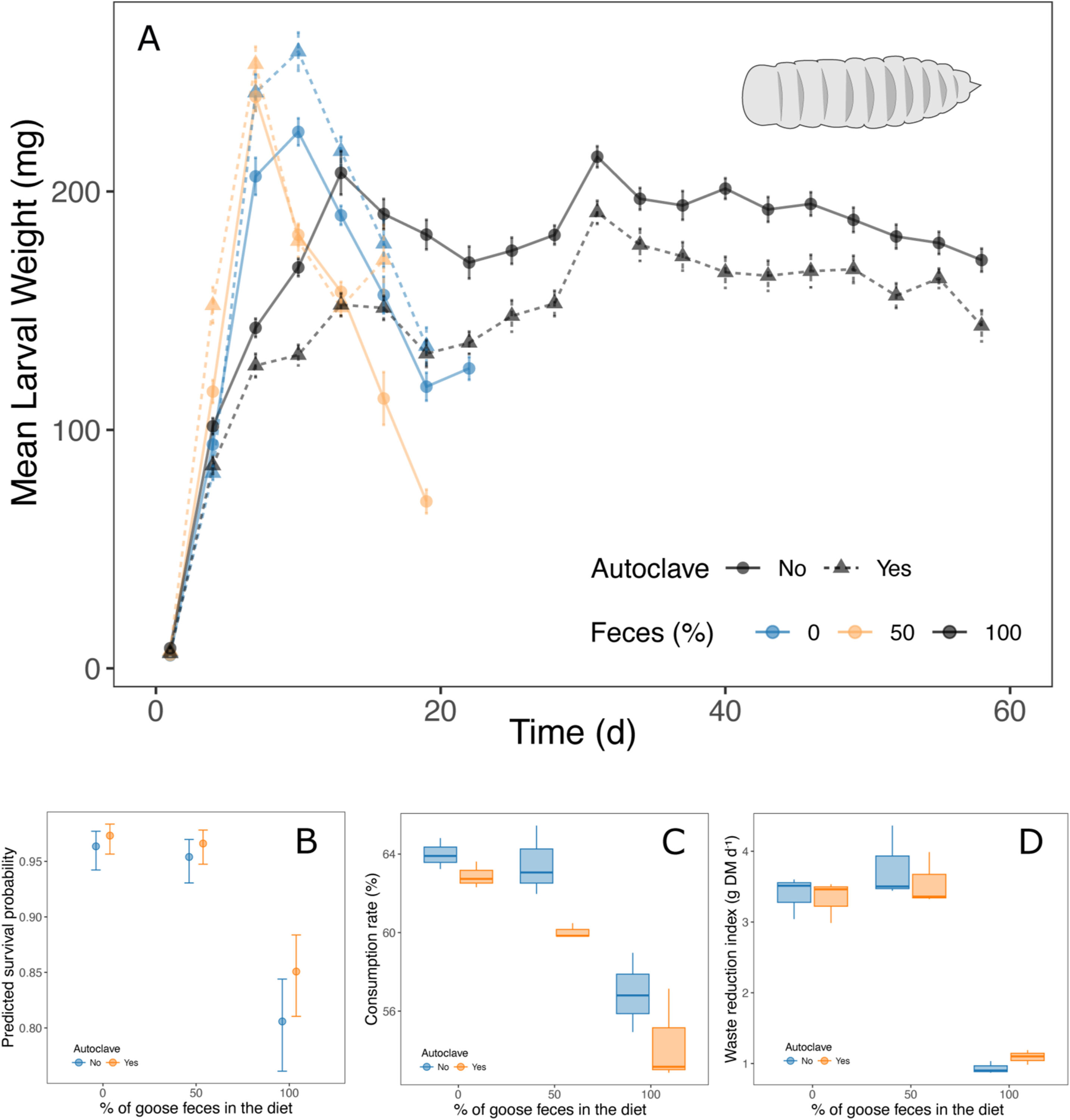
In the laboratory, researchers compared diets containing no goose feces, a 50:50 mixture of goose feces and a standard rearing diet, and a diet made entirely from goose feces. In the untreated feces-only diet, the larvae consumed 56% of the dry fecal material over their development.
The larvae nevertheless performed less well on pure goose feces than on the standard diet. Survival in the untreated feces-only treatment was 80.6%, compared with 96.4% in the control and 95.4% in the mixed diet. Flies raised only on goose feces also developed more slowly, reached lower adult body mass and had shorter adult lifespans.
The 50% mixture produced a more favourable balance between waste reduction and insect performance. The researchers also found that autoclaving the feces reduced consumption in the feces-based diets and reduced larval growth in the pure-feces treatment.
Frass also supported plant growth
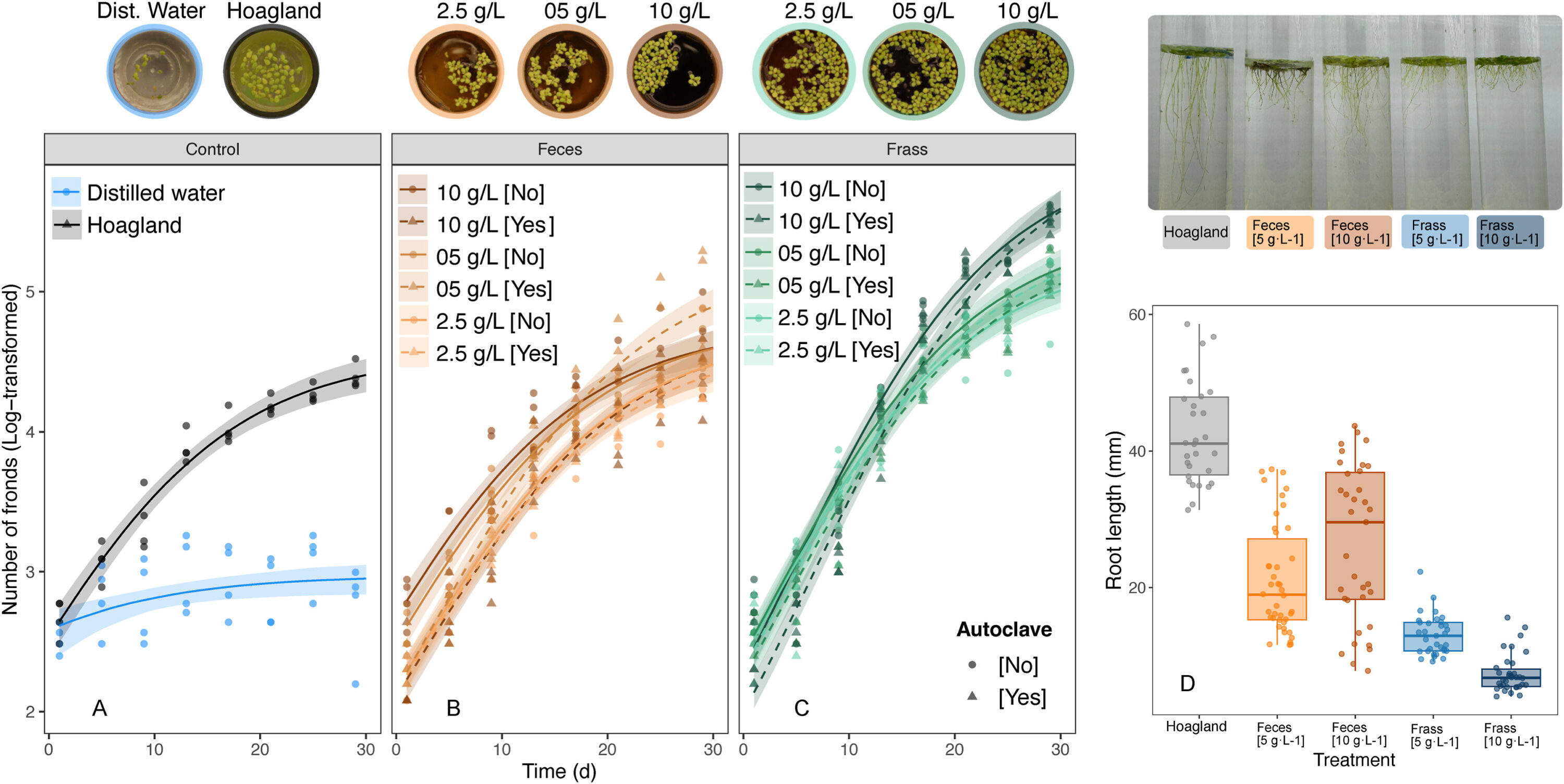
The material left behind after the larvae had fed, known as frass, was then tested as a fertilizer for duckweed (Lemna minor). At a concentration of 10 grams per litre, goose-derived frass increased duckweed yield by 32% compared with the standard Hoagland nutrient medium used as a control. The response was not simply greater growth in every trait: roots in the frass treatments were shorter, by as much as 83% at high concentrations. The authors interpret this as consistent with duckweed reducing root investment when nutrients are readily available.
These results show that nutrients in goose feces can pass through an insect-based conversion system into both insect biomass and a fertilizer product. The authors describe this as a potential circular approach to handling wildlife-derived fecal waste in places where large goose concentrations create sanitation and nutrient-management problems.
Further work on safety, biosecurity and scaling is needed before the system could be applied beyond laboratory trials.
Other research
Related news
Seven overlaps linked wild-bird H5 clusters with poultry outbreaks in the US
Across seven periods between 2022 and 2025, clusters of H5 detections in wild waterfowl overlapped in time and…
Read story →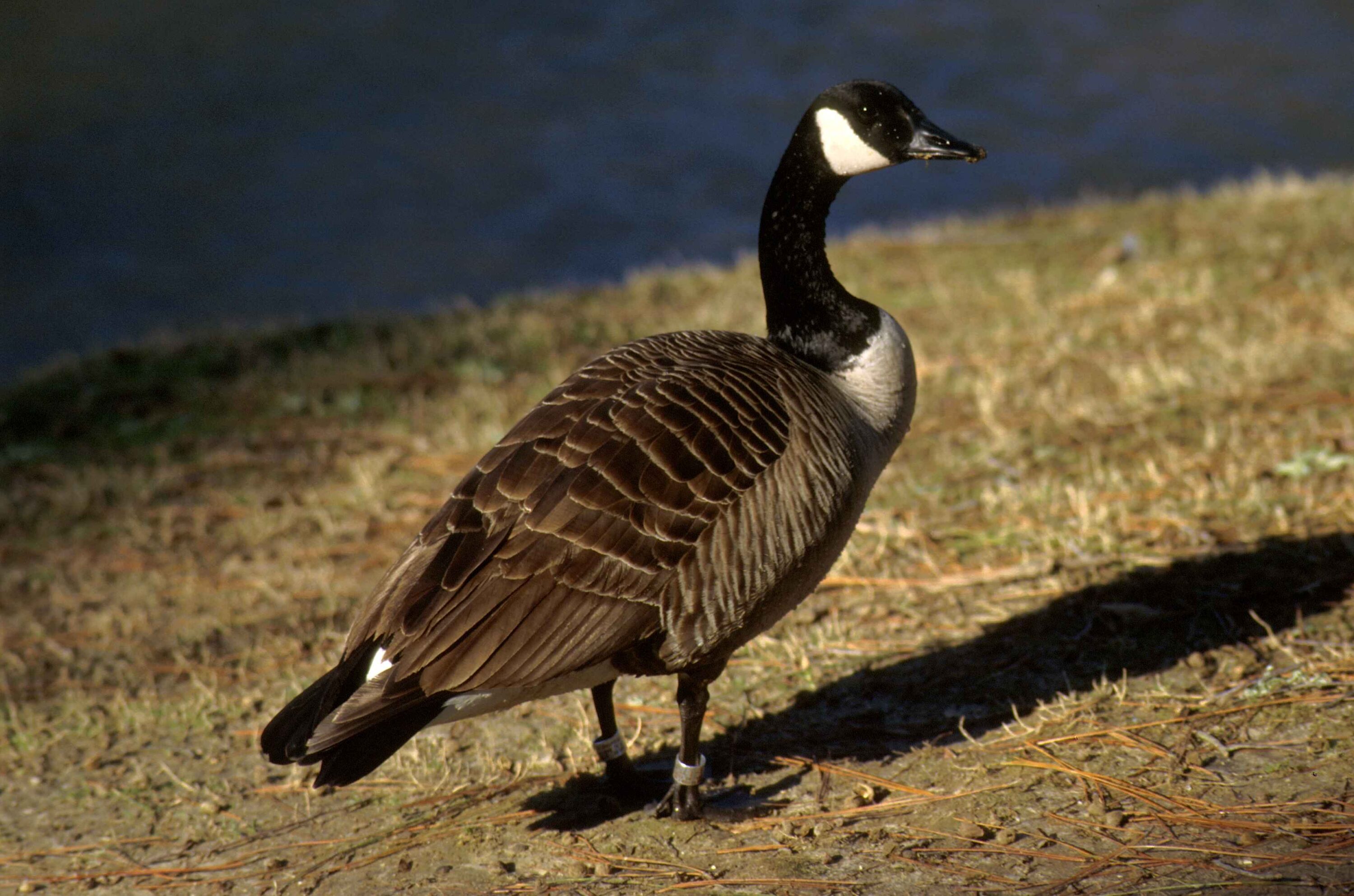
Adult Canada Geese Became Less Likely to Be Harvested Despite More Liberal Hunting Rules in Arkansas
From 2005 to 2020, estimated adult harvest probability declined while adult survival increased among Canada geese breeding in…
Read story →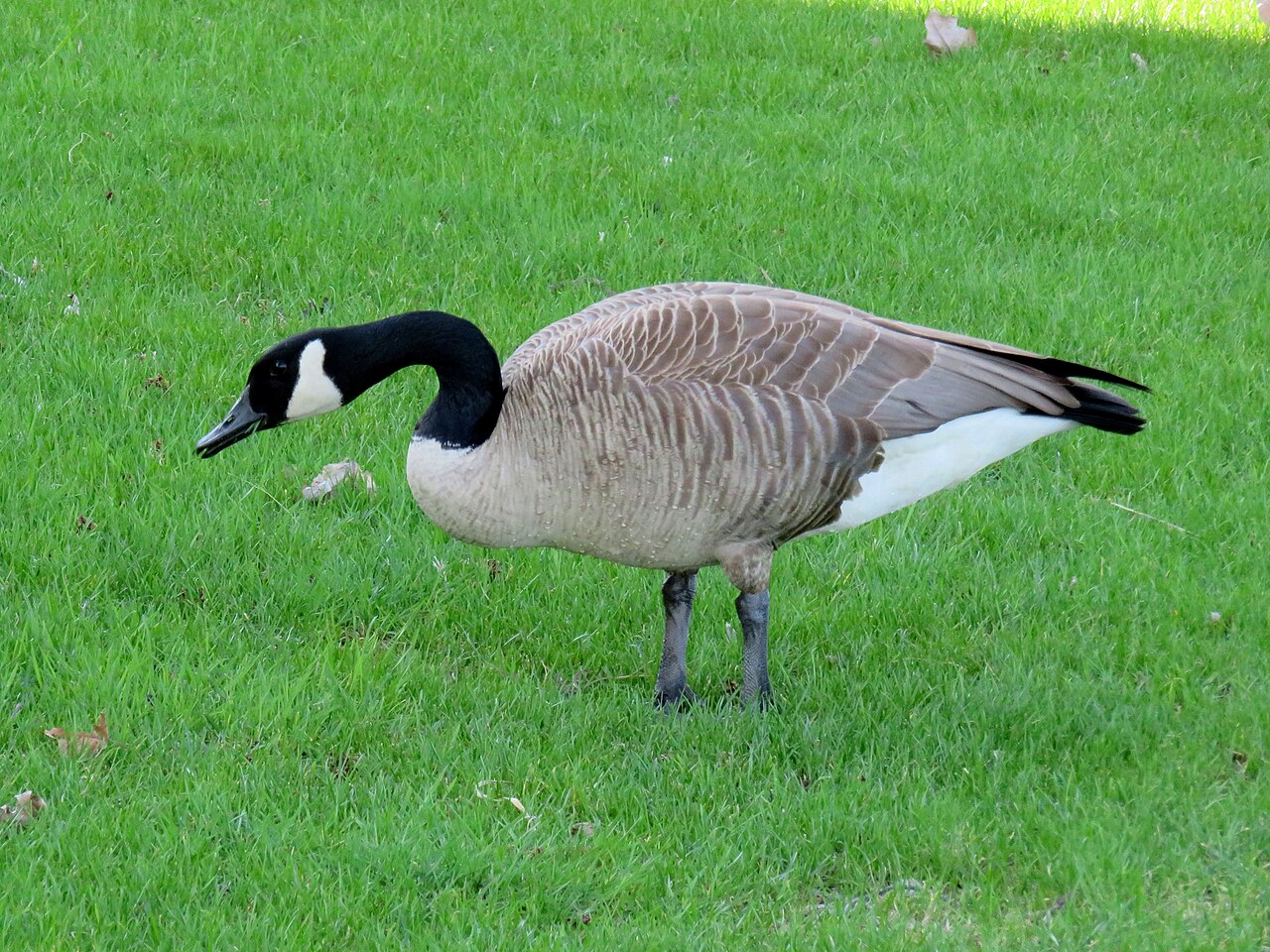
Quebec Restored the Combined Daily Limit for Canada and Cackling Geese From Three to Five
Federal rules published on 1 July 2026 removed a temporary restriction in Quebec hunting districts A, C, D…
Read story →SPECIES IN THIS STORY
Species in this story
Independent research and conservation news archive
Did you find this information useful?
Wildlife Vagabond is independently built and maintained. Voluntary support helps cover source verification, hosting and continued work on research and conservation news.
Support Wildlife VagabondThe news archive will remain freely available.