
Black Rhino Horns Contained More Selenium and Molybdenum Than White Rhino Horns
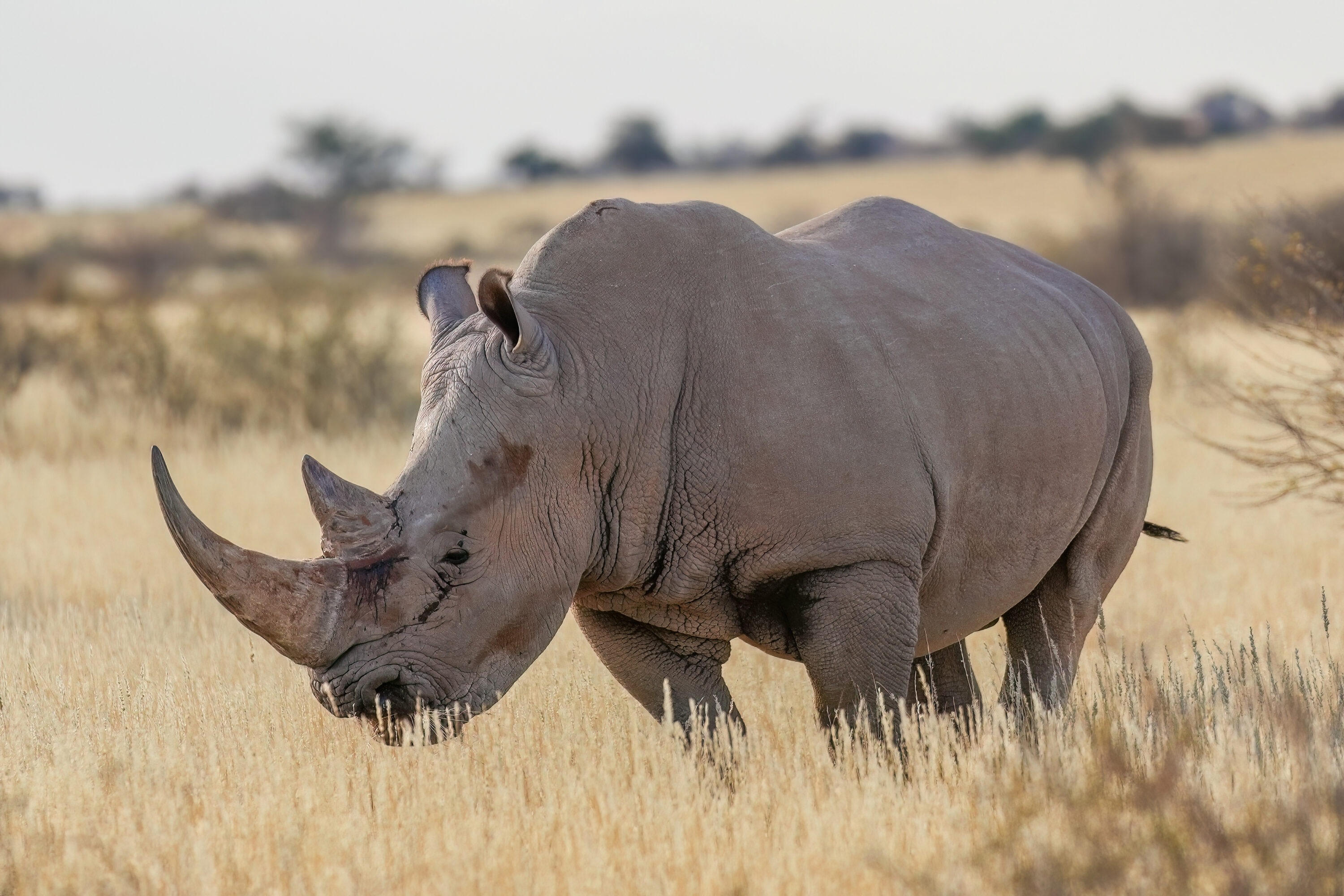
Trace-element concentrations in rhinoceros horn differed among species in an analysis of 82 horns. Rhino horn is made of keratin, but it grows from living, vascularised tissue at its base, allowing small amounts of elements from the body to become incorporated as the horn forms. Black rhinoceros (Diceros bicornis) horn contained clearly higher selenium and molybdenum concentrations than white rhinoceros (Ceratotherium simum) horn. Copper tended to be higher in white rhino horn, but the analysis provided only weak support for that difference.
The final dataset included 41 black rhinos, 29 white rhinos, nine greater one-horned rhinos (Rhinoceros unicornis), one Sumatran rhino (Dicerorhinus sumatrensis) and two horns whose species could not be determined. Fourteen trace elements were tested, although three were below measurable levels in the horn samples.
Species mattered more than sex
The analysis did not support a clear difference in horn concentrations between males and females. Species differences were clearer: selenium and molybdenum were higher in black than white rhino horn, and cobalt was higher in black than greater one-horned rhino horn.
The authors interpret these differences as evidence that horn chemistry partly reflects biological and environmental differences among rhino populations rather than simply external contamination of the horn surface.
The Africa–USA comparison was preliminary
A geographic comparison used seven horns from wild African rhinos and 52 horns from rhinos managed in the United States. Arsenic and barium were higher in the African group, while copper and zinc were higher in the U.S. group. The source countries of the African horns were not specified.
The authors stress that this comparison is preliminary because the African sample was small and the origin of several other horns in the wider dataset was unknown. The result therefore does not establish a general continental pattern for rhinoceroses.
Horn chemistry was a poor individual diagnostic for most elements
Matched horn and liver material was available from 21 rhinos. For arsenic across species, animals with higher horn concentrations also tended to have higher liver concentrations; selenium showed the same pattern within black rhinos. For most other elements, horn concentrations did not clearly track the matched liver concentrations of the same individual.
The authors therefore suggest that horn keratin may be useful for studying trace-element patterns at population level, but is generally not a direct diagnostic substitute for internal tissue measurements in individual rhinos.
Molecular biology & biochemistry
Related news
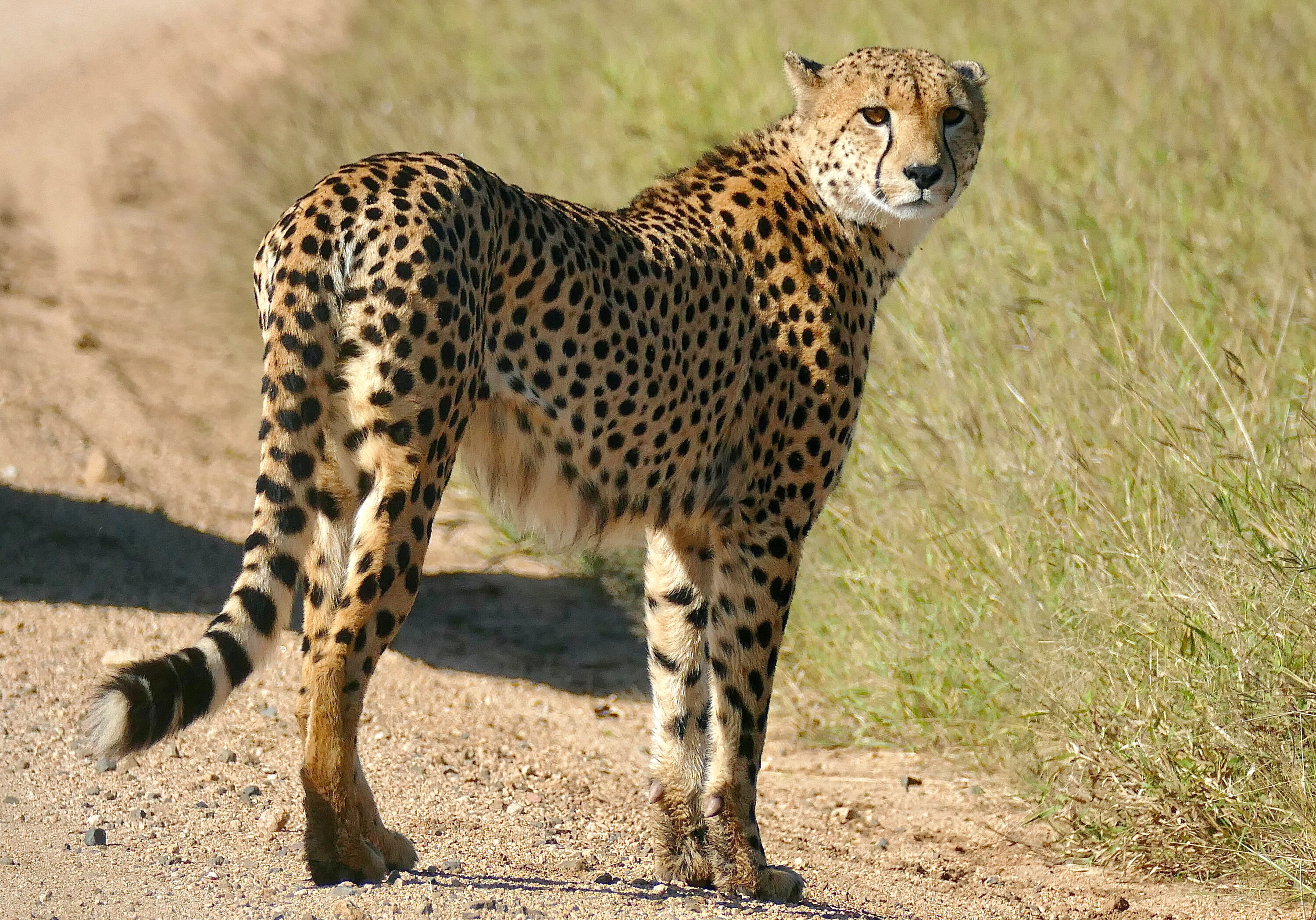
DNA Methylation Shifted as Namibian Male Cheetahs Became Territorial
Paired blood samples from ten free-ranging Namibian males revealed widespread, predominantly increased DNA methylation after the same cheetahs…
Read story →
Svalbard Ptarmigan and Golden Hamsters Shared a TSH Pathway for Seasonal Timing
A comparison of neuroendocrine tissue in summer- and winter-like states found the same core TSH seasonal-timing pathway in…
Read story →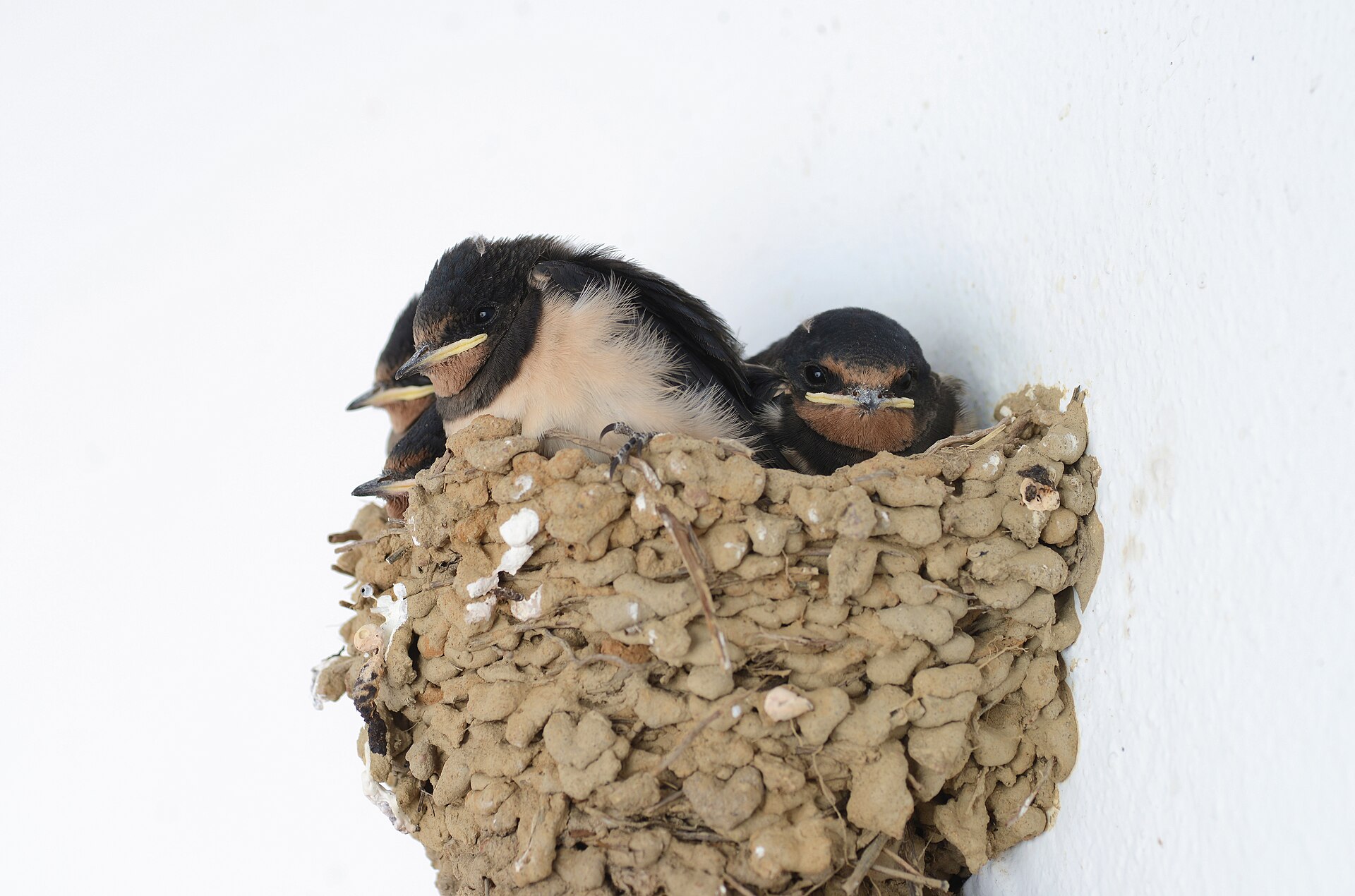
Larger Broods and Older Social Fathers Were Linked to Shorter Telomeres in Male Barn Swallow Nestlings
A long-term study near Milan found shorter telomeres in male barn swallow nestlings from larger broods or with…
Read story →SPECIES IN THIS STORY
Species in this story


Independent research and conservation news archive
Did you find this information useful?
Wildlife Vagabond is independently built and maintained. Voluntary support helps cover source verification, hosting and continued work on research and conservation news.
Support Wildlife VagabondThe news archive will remain freely available.