
Rhinos Responded Differently to an Unfamiliar Basket

A cotton-rope basket prompted a wide range of reactions from rhinos in North American zoos. Almost all approached it, but some sniffed and touched it while others snorted, charged or backed away. Black rhinoceroses (Diceros bicornis) showed several of these responses more often than white rhinoceroses (Ceratotherium simum).
Researchers wanted to understand differences in rhino temperament and how that knowledge might help tailor care and activities to individual animals. They combined keepers’ experience with a test in which 32 black and 66 white rhinos encountered the unfamiliar basket for 20 minutes.
More than bold or shy
Keepers who had known the animals for at least six months assessed the temperaments of 49 black and 125 white rhinos. They rated how active, fearful and calm the animals were, as well as their responses to familiar people and strangers.
Black rhinos were rated as more aggressive towards people and more prone to stereotypic behaviour involving repeated movements. White rhinos were described as calmer, friendlier towards strangers and more vocal.
Individual differences could not be reduced to a single scale from bold to shy. Activity and comfort around people were separate aspects of temperament. In white rhinos, researchers also distinguished between animals that reacted strongly to their surroundings and those that remained more unruffled. Females of both species were rated as less active than males, and older white rhinos were less active than younger ones.
Age and surroundings shaped the basket test
When encountering the basket, black rhinos paced, snorted, charged and retreated more often. They also investigated it more frequently through smell and physical contact. White rhinos made short, breathy contact calls more often, particularly females.
Older animals of both species investigated the basket less through smell. In white rhinos, physical contact also declined with age, and both sniffing and touching were less frequent in warmer weather. White rhinos tested indoors attacked the basket more often than those tested outdoors.
The basket test captured one unfamiliar situation, whereas keepers assessed behaviour over time. Researchers found possible links between the two, but these were too uncertain to establish that the basket test could predict keeper assessments of temperament.
Care suited to the individual
The researchers argue that this variation matters for welfare: the same approach will not suit every rhino. An animal uncomfortable around people may need more gradual training for veterinary examinations, while an exploratory animal may benefit from environmental enrichment through new tasks and objects. Being able to choose whether to approach or move away may also matter.
The aim is to use knowledge of each rhino to tailor training, contact with other animals and interactions with people.
Behaviour
Related news
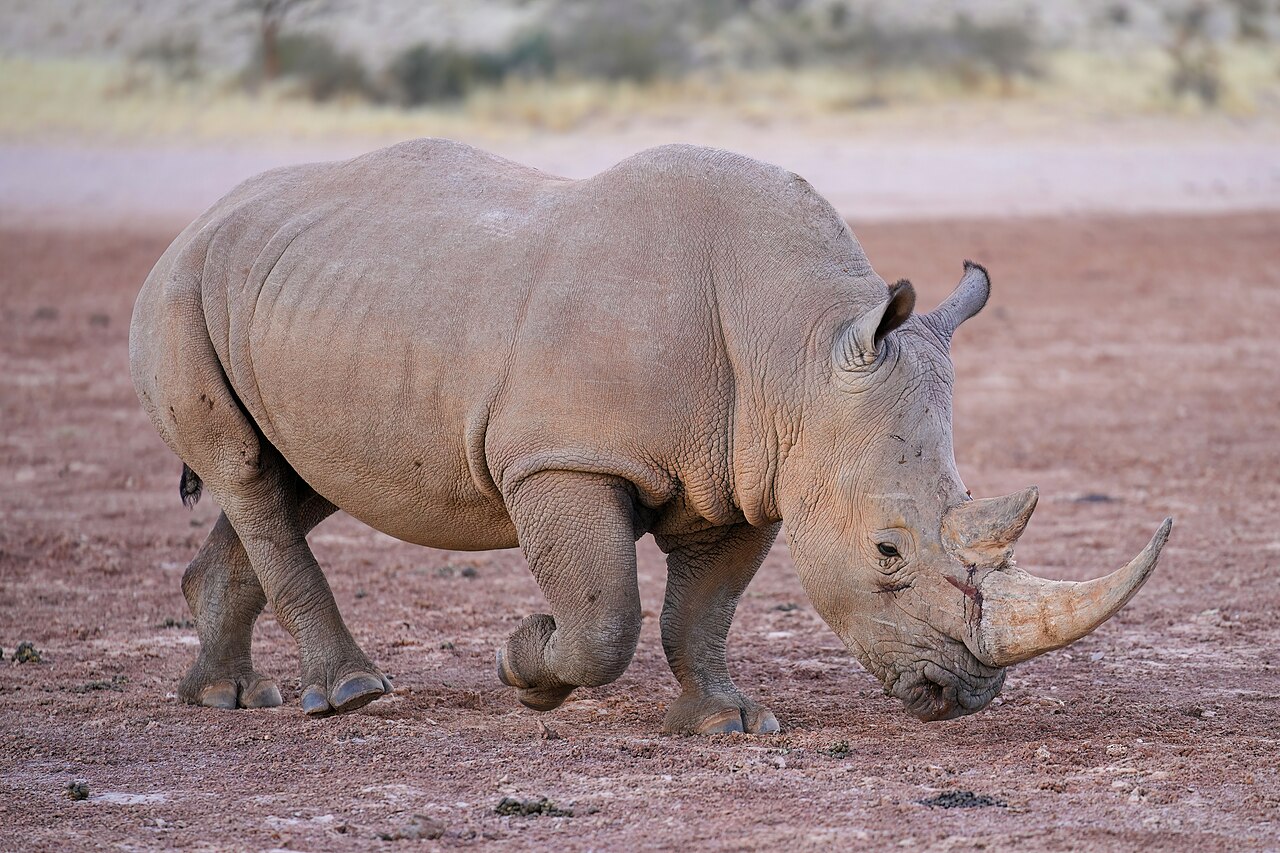
Vitamin D3 Was About Twice as High in Summer in Managed Black and White Rhinoceroses
Serum from 75 rhinoceroses at 27 U.S. institutions showed strong seasonal and geographical variation in 25-hydroxyvitamin D3, while…
Read story →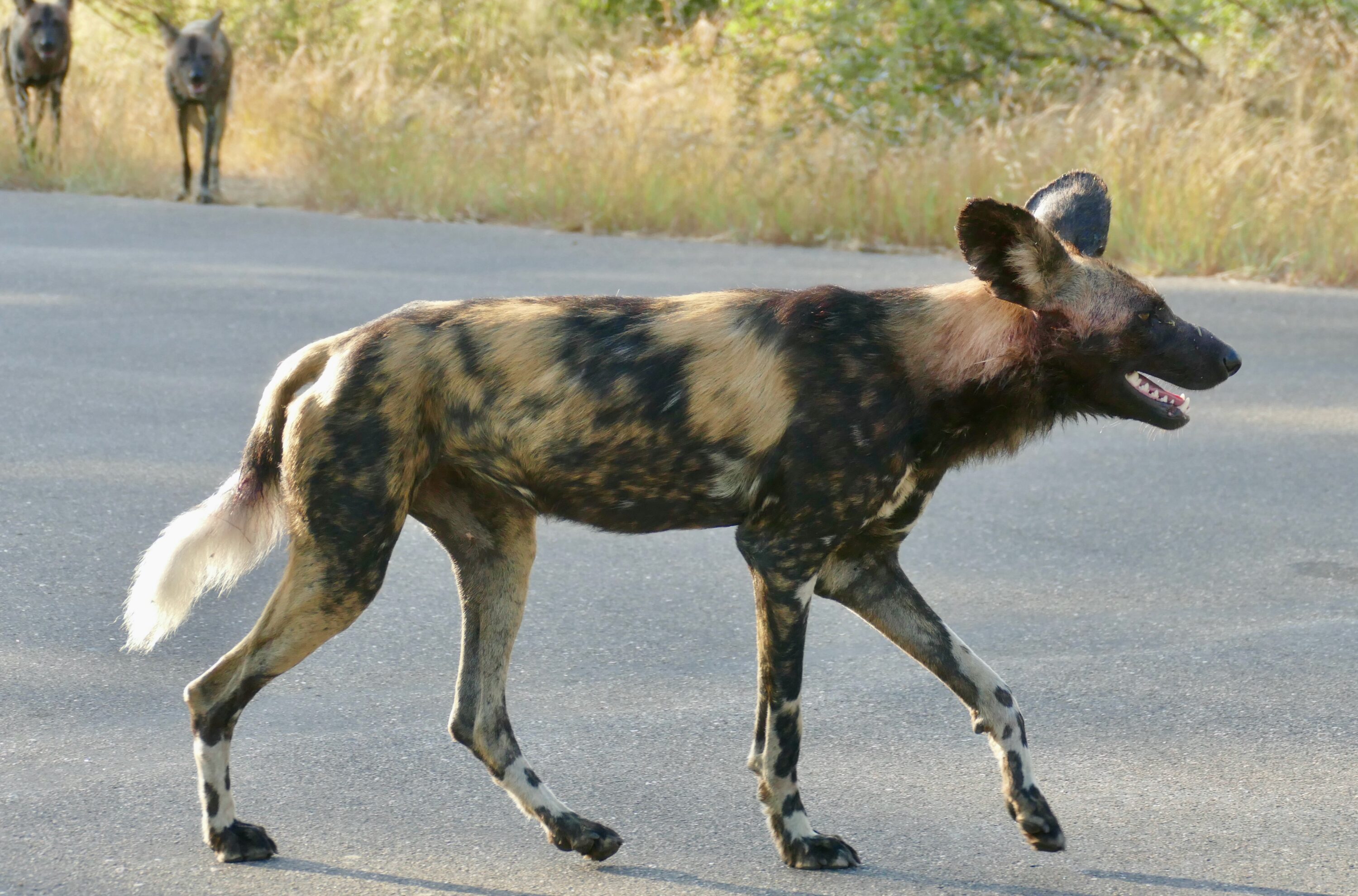
Food Leaves Its Mark on the Gut Bacteria of Kruger’s Wildlife
Gut bacteria in nine mammal species from Kruger National Park followed clear patterns linked to food and digestion.…
Read story →
Balule Rhinos Showed No Consistent Home-Range Change After Dehorning
Eleven years of monitoring in Balule found no consistent change in the size or position of black-rhino home…
Read story →SPECIES IN THIS STORY
Species in this story


Independent research and conservation news archive
Did you find this information useful?
Wildlife Vagabond is independently built and maintained. Voluntary support helps cover source verification, hosting and continued work on research and conservation news.
Support Wildlife VagabondThe news archive will remain freely available.