
Balule Rhinos Showed No Consistent Home-Range Change After Dehorning
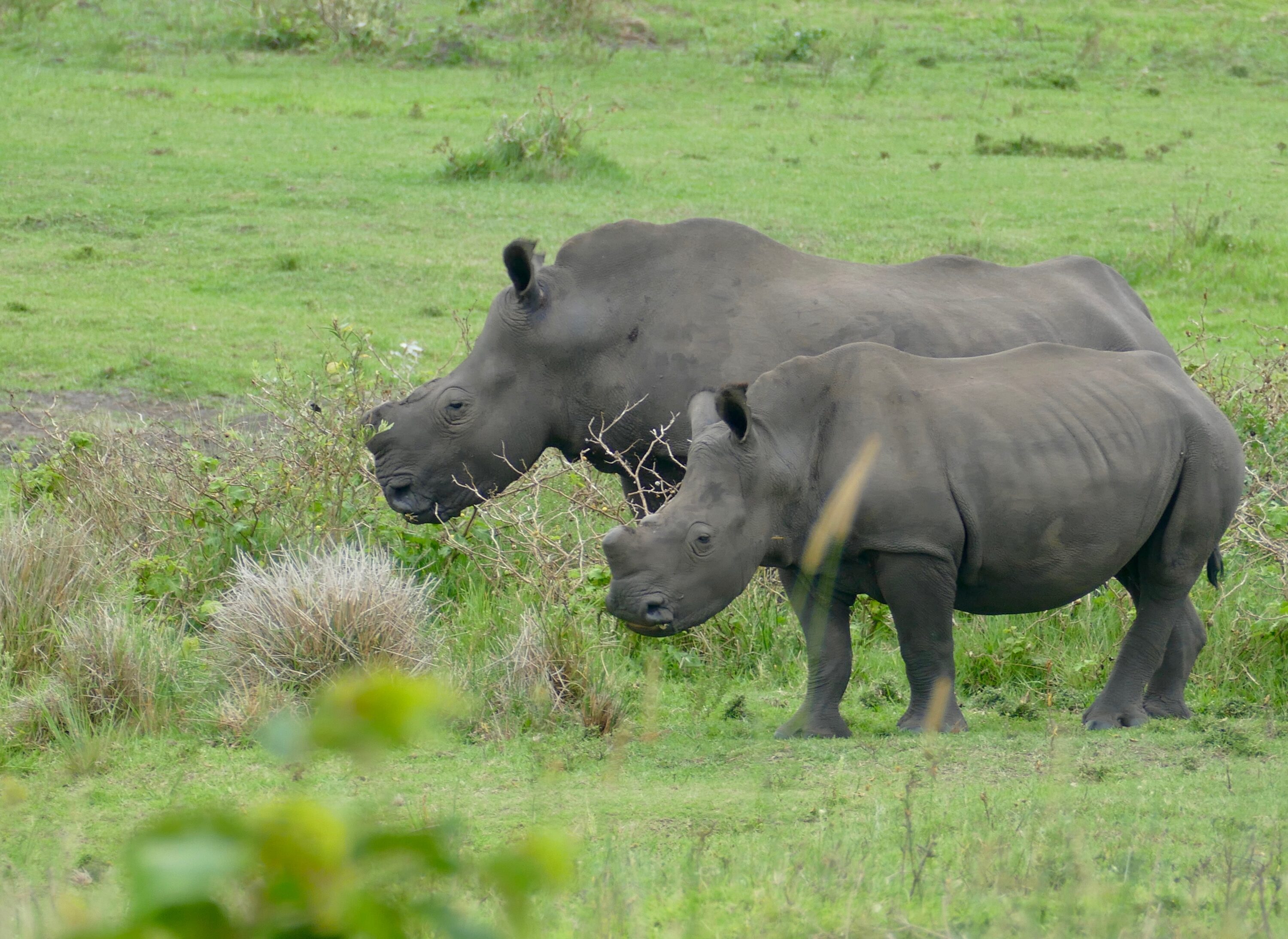
Eleven years of monitoring in South Africa’s Balule Nature Reserve found no evidence that dehorning changed the size or location of home ranges used by black rhinoceroses (Diceros bicornis), or that a second dehorning caused such changes in black or white rhinoceroses (Ceratotherium simum). A home range is the area an animal regularly uses for activities such as feeding, resting and moving between resources. The 2026 study adds new evidence to the debate over whether removing horns as an anti-poaching measure disrupts normal rhinoceros space use.
The researchers analysed comparable location data from 2013–2023 around dehorning events. The wider dataset included 21 black rhinos and 16 white rhinos, although only animals with sufficiently robust and balanced observations before and after an intervention could be used in each detailed comparison.
Home ranges did not change consistently after dehorning
For the first dehorning of black rhinos, 13 individuals had enough comparable data. Their home ranges showed a mixture of increases and decreases after dehorning, with no clear overall change supported by the analysis. The median — the middle individual-level change — was an 8% increase when ranges were calculated with one method and a 3% decrease with another. The researchers also found no evidence that the animals shifted their ranges to new parts of the reserve: the median distance between the centres of pre- and post-dehorning ranges was 0.70 km, small relative to normal range width.
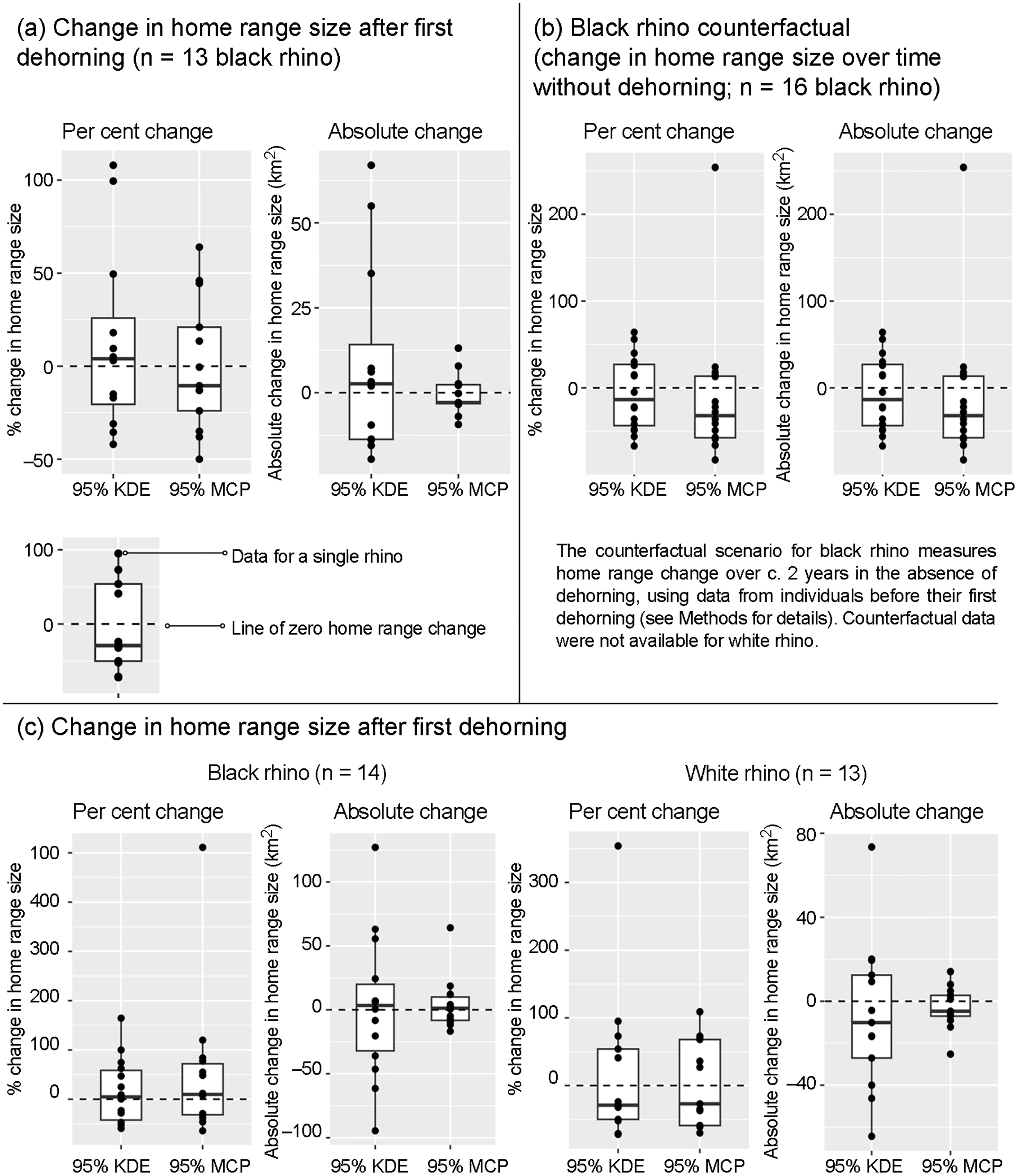
The same overall pattern was found after the second dehorning. Fourteen black rhinos and 13 white rhinos had adequate data, and neither species showed a consistent change in home-range size or location. Age and sex did not explain the mix of increases and decreases among black rhinos.
Poaching fell sharply after widespread dehorning began
The authors also present poaching data from Balule for context. Initial widespread dehorning began in 2019, followed by maintenance dehorning as horns regrew, and the reserve experienced a large and abrupt reduction in rhino poaching rates after the programme began. The study does not use this comparison alone to isolate dehorning from every other anti-poaching measure, but the authors place it alongside wider evidence supporting dehorning as a conservation tool.
Responses may differ between reserves
The results differ from an earlier multi-reserve study that reported substantial reductions in black-rhino range size after dehorning. The authors suggest that differences in habitat and rhino density could help explain why populations respond differently, and they caution against assuming that one result applies to every reserve.
They also note limitations in their own data. Observation numbers were relatively low for many individuals, only a subset had sufficiently balanced data, and just three white rhinos had robust data around their first dehorning. All three increased their home-range size, with a median increase of 61%, but that sample was too small for the same population-level analysis. The authors therefore present the Balule results as another piece of a growing evidence base rather than a universal response.
Within these limits, the study found no indication that dehorning under the Balule programme disrupted the spatial behaviour of the monitored black and white rhinos. The authors argue that this strengthens the case for evaluating the biological costs of dehorning against the much greater conservation costs of continued poaching.
Management
Related news
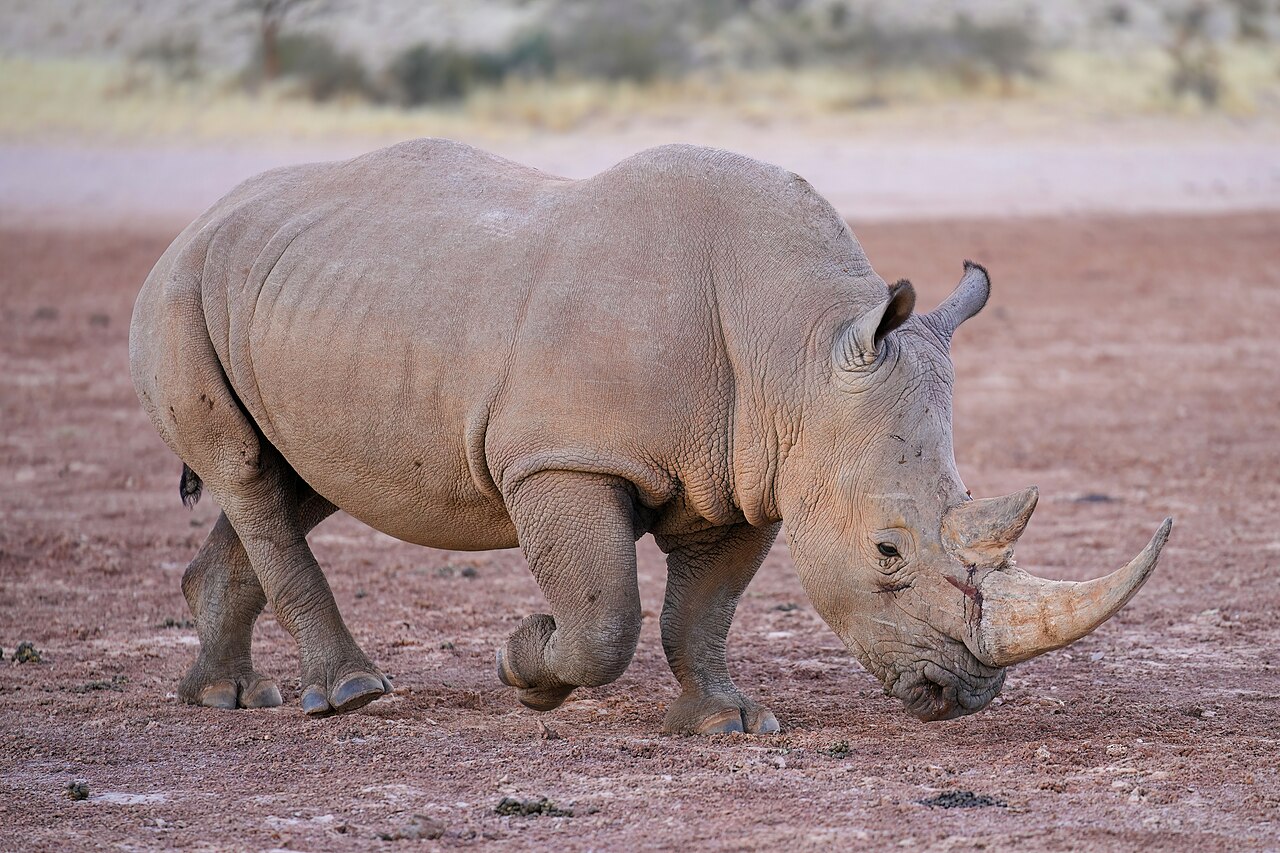
Vitamin D3 Was About Twice as High in Summer in Managed Black and White Rhinoceroses
Serum from 75 rhinoceroses at 27 U.S. institutions showed strong seasonal and geographical variation in 25-hydroxyvitamin D3, while…
Read story →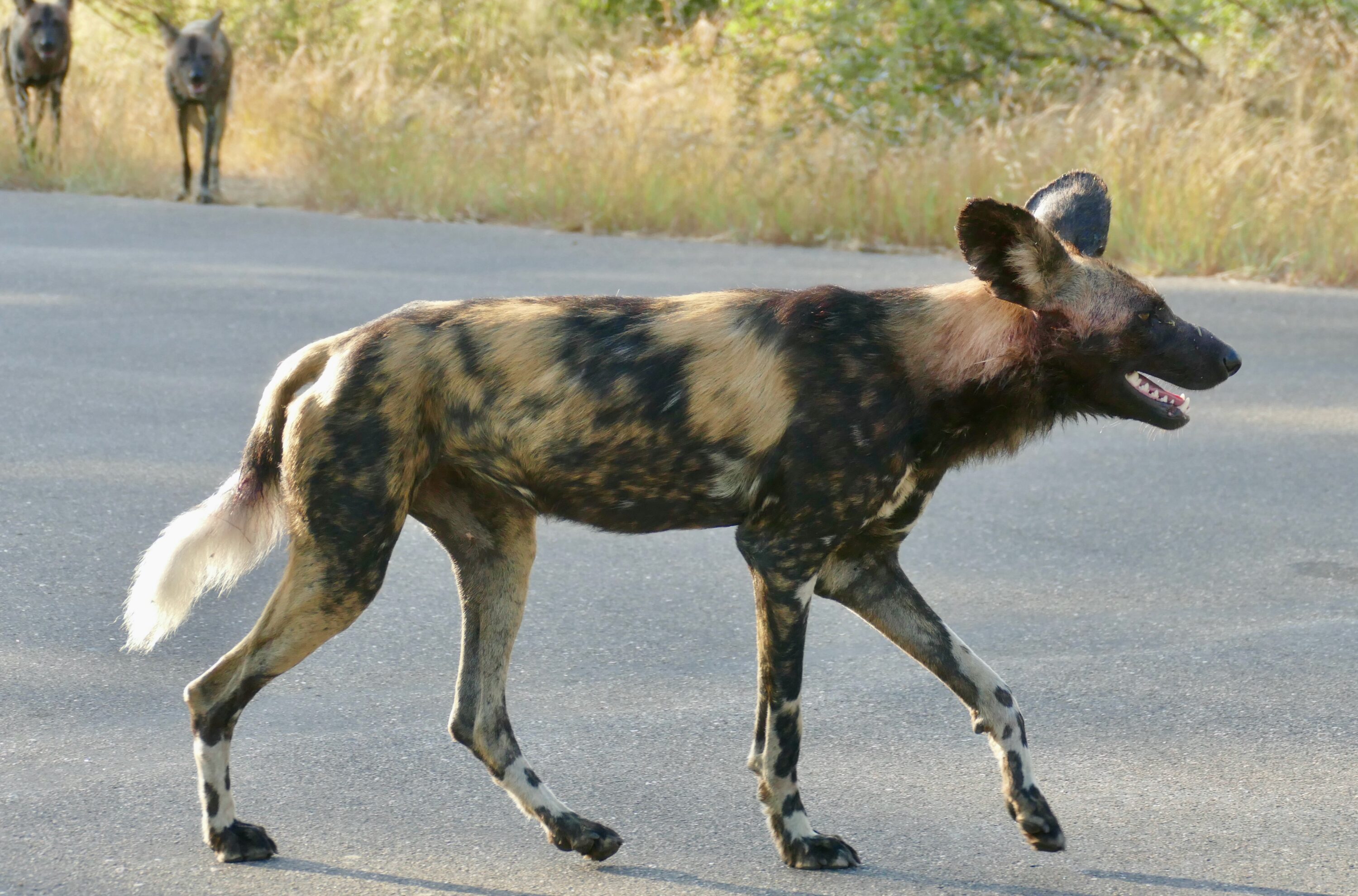
Food Leaves Its Mark on the Gut Bacteria of Kruger’s Wildlife
Gut bacteria in nine mammal species from Kruger National Park followed clear patterns linked to food and digestion.…
Read story →
Rhinos Responded Differently to an Unfamiliar Basket
Black rhinos sniffed, snorted and retreated more often than white rhinos when an unfamiliar basket was placed in…
Read story →SPECIES IN THIS STORY
Species in this story
Independent research and conservation news archive
Did you find this information useful?
Wildlife Vagabond is independently built and maintained. Voluntary support helps cover source verification, hosting and continued work on research and conservation news.
Support Wildlife VagabondThe news archive will remain freely available.