
Canberra Group Reports Common Mynas Rising Again After 80,000 Removals
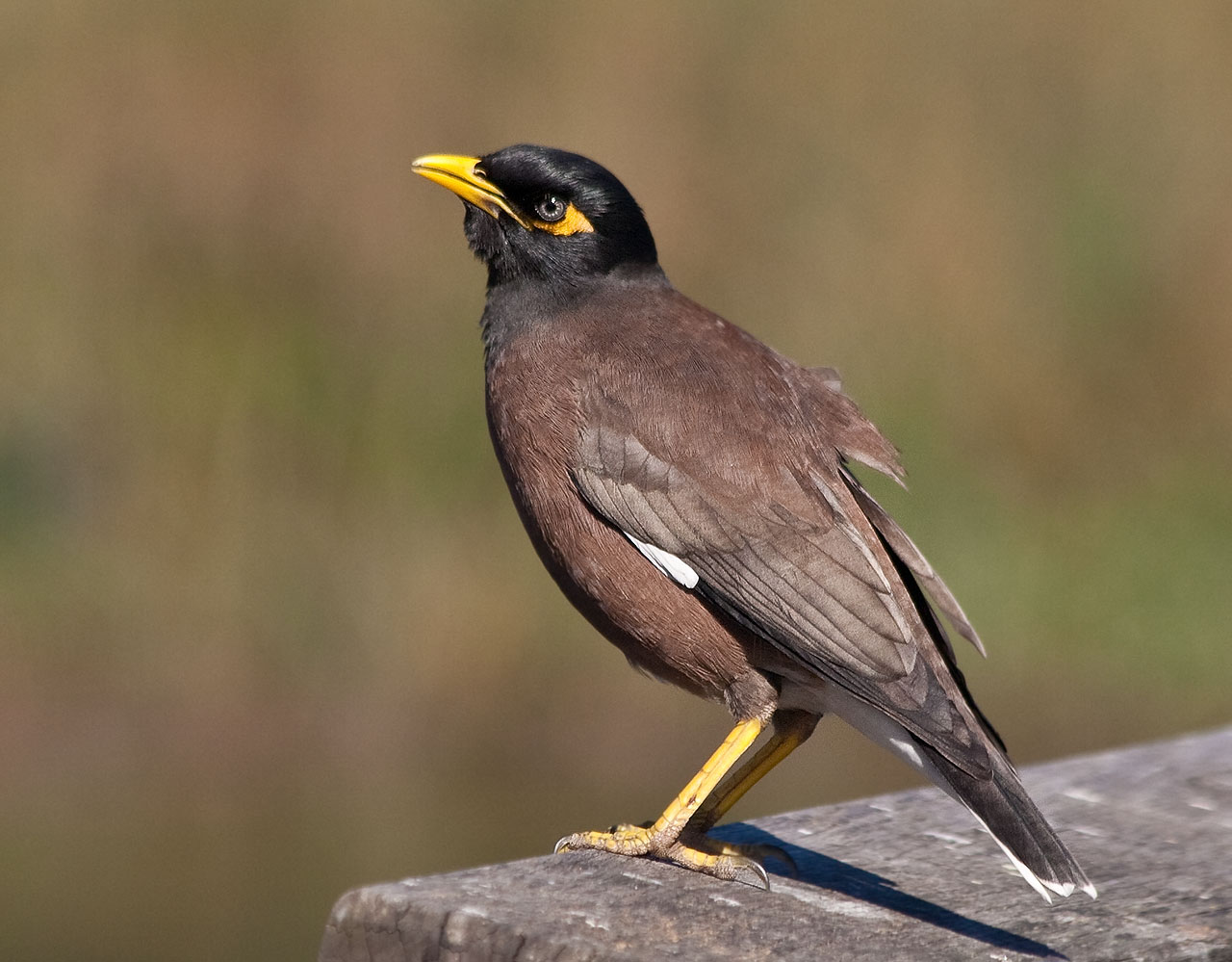
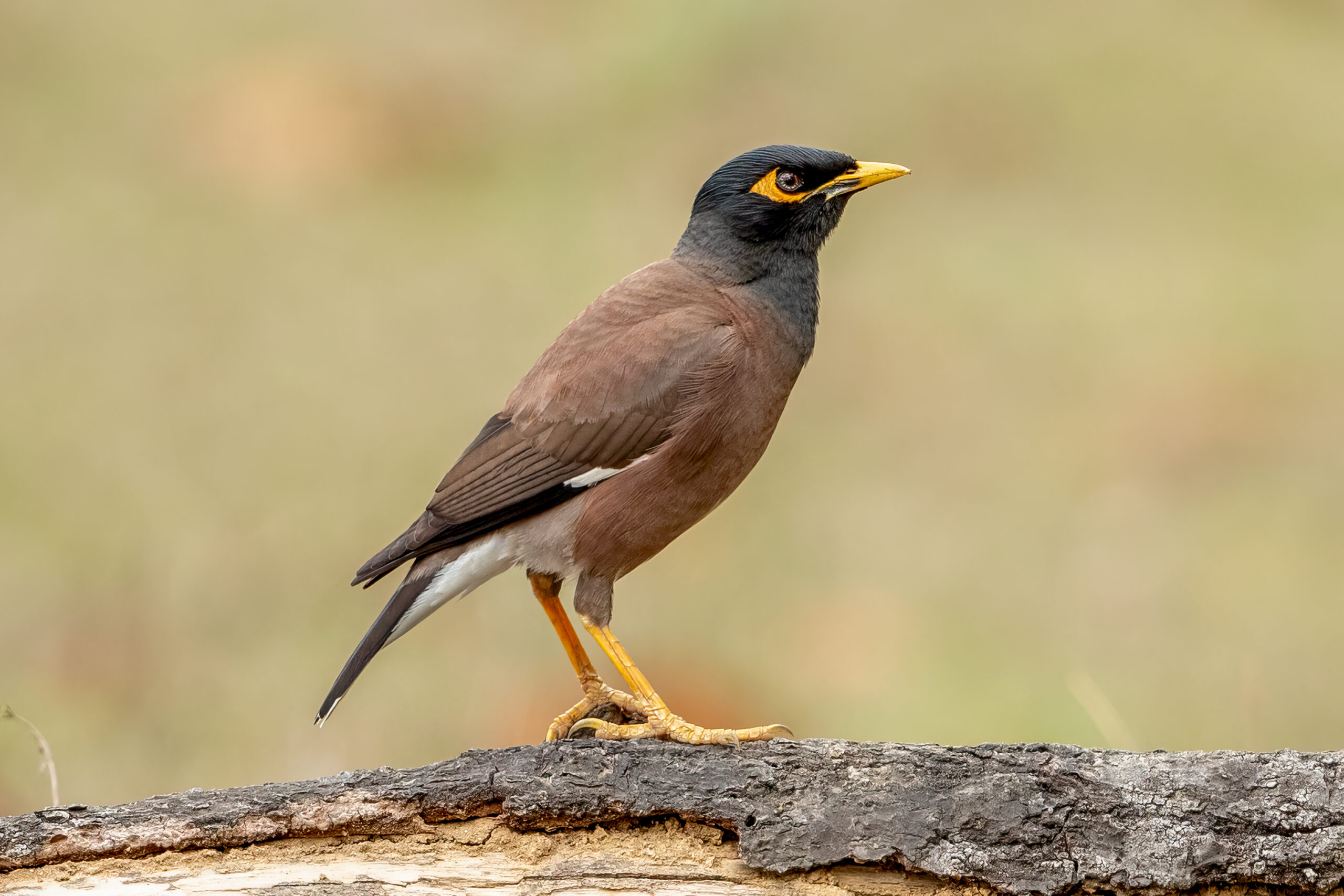
A volunteer group in Canberra says common mynas (Acridotheres tristis) are becoming more common again after two decades of community trapping. The Canberra Indian Myna Action Group (CIMAG) says more than 3,000 households in Canberra, Queanbeyan and Murrumbateman have taken part and more than 80,000 birds have been removed.
The reported rebound comes from CIMAG’s own survey-ranking claim
Group president Bill Handke told ABC News that common mynas were once the third most frequently recorded bird in local weekly surveys and had fallen to 24th place after about twelve years of control. He said a recent survey ranked them tenth again and argued that earlier gains were being lost. The ABC report did not identify that recent survey, so the ranking should not be read as an independently verified estimate of the total Canberra population.
ACT government questions the case for broader control
The ACT declared the common myna a pest animal in 2021, but the government does not currently treat it as a management priority. ACT Conservator of Flora and Fauna Bren Burkevics told ABC that authorities were not seeing a demonstrated threat to nationally significant matters or to native birds in reserves and considered a city-wide control campaign unlikely. CIMAG argues that this overlooks urban wildlife and wants government-led control on public land as well as trapping in private gardens.
There is also disagreement over animal welfare. CIMAG has used carbon monoxide from a cold petrol engine to kill trapped birds, while carbon dioxide is now described as the preferred method. RSPCA ACT said it was not opposed to population control in principle when it is necessary and justified, but that any programme needs a clear framework and qualified people to ensure humane treatment. The ACT government supports the RSPCA position that community trapping and killing should not be encouraged.
Melbourne trapping reduced mynas without increasing overall bird diversity
A peer-reviewed Melbourne study published in February 2026 adds useful context. Community trapping reduced the relative abundance of common mynas, but overall urban bird species richness and diversity did not increase. The strongest positive response among the analysed species was an increase in the native noisy miner (Manorina melanocephala), another aggressive urban bird. The study therefore shows that reducing common mynas can change the bird community without automatically producing broader gains in diversity.
The Canberra dispute remains unresolved. CIMAG sees the reported rise in survey ranking after more than 80,000 removals as evidence that sustained control is needed, while the ACT government accepts the pest status but questions the case for a broader programme. The Melbourne study shows that community trapping can reduce common myna relative abundance locally, but did not show that fewer mynas alone restored a more diverse urban bird community.
Management
Related news
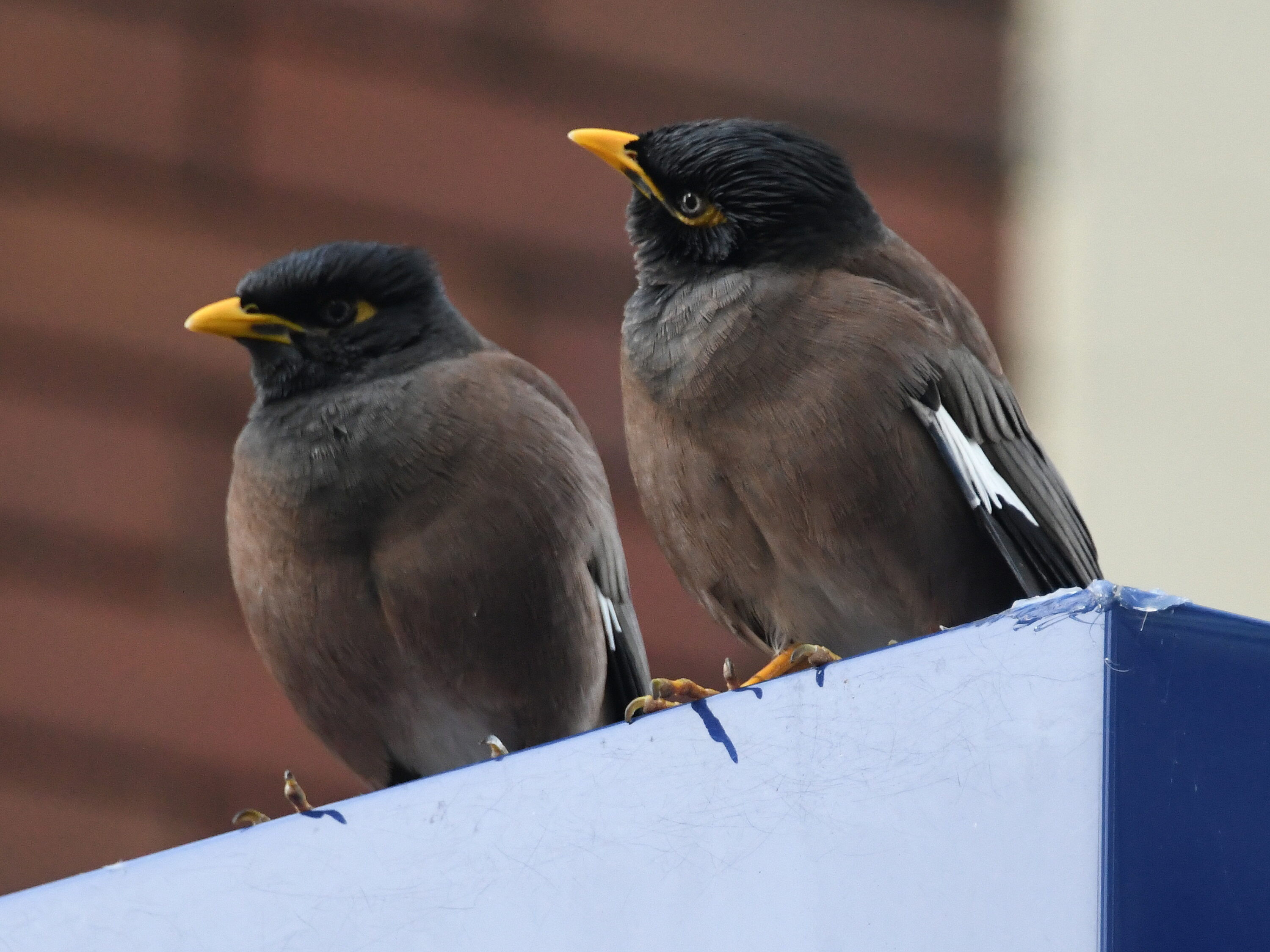
Rail Staff Say Two Common Mynas Regularly Ride Sydney Trains
Two common mynas were filmed sitting calmly inside a Sydney train, while a guard said staff know them…
Read story →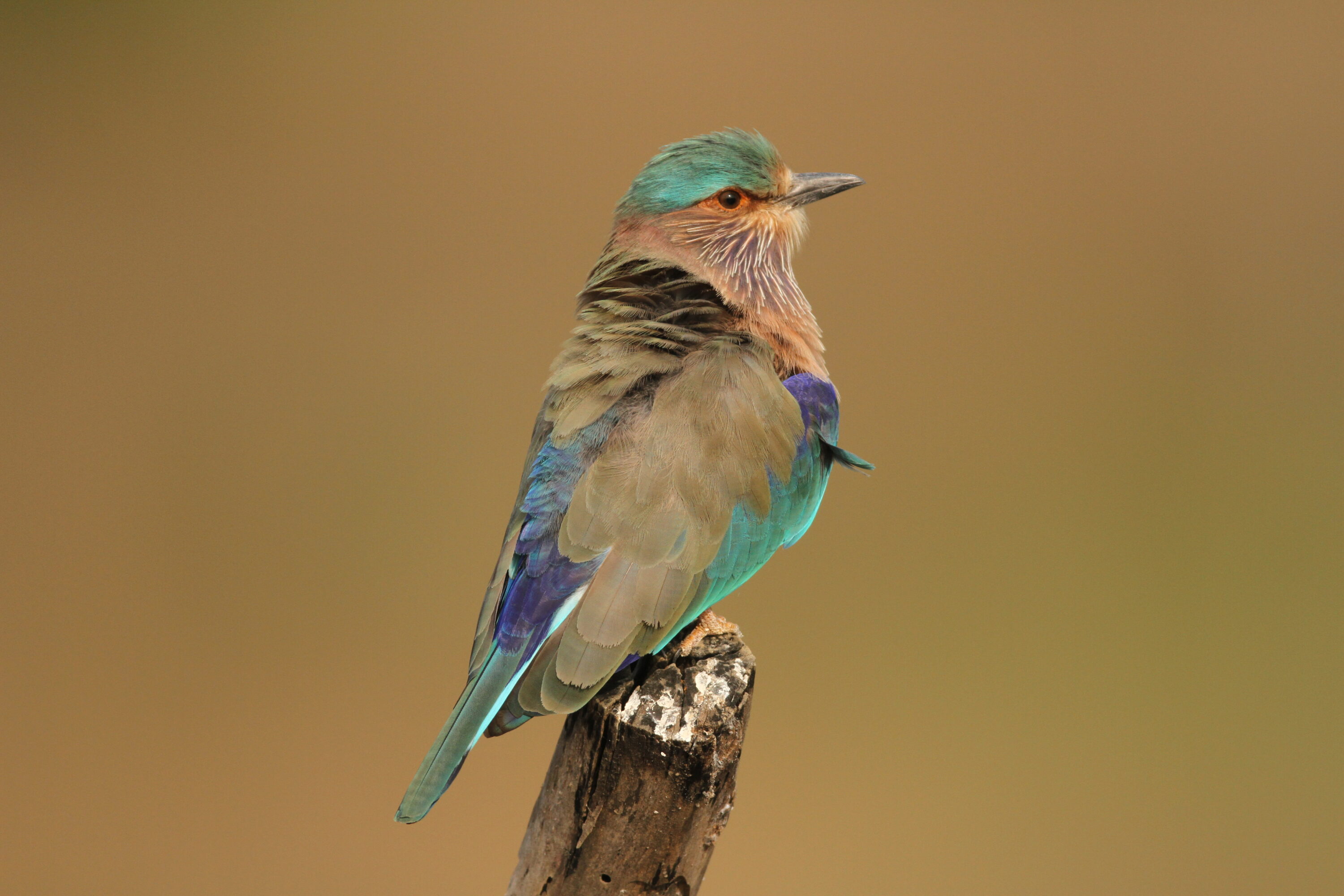
Six Cavity-Nesting Bird Species Bred Successfully in Artificial Nests in Punjab
Punjab Agricultural University reported successful breeding in artificial nests by six cavity-nesting species, including Indian roller, spotted owlet…
Read story →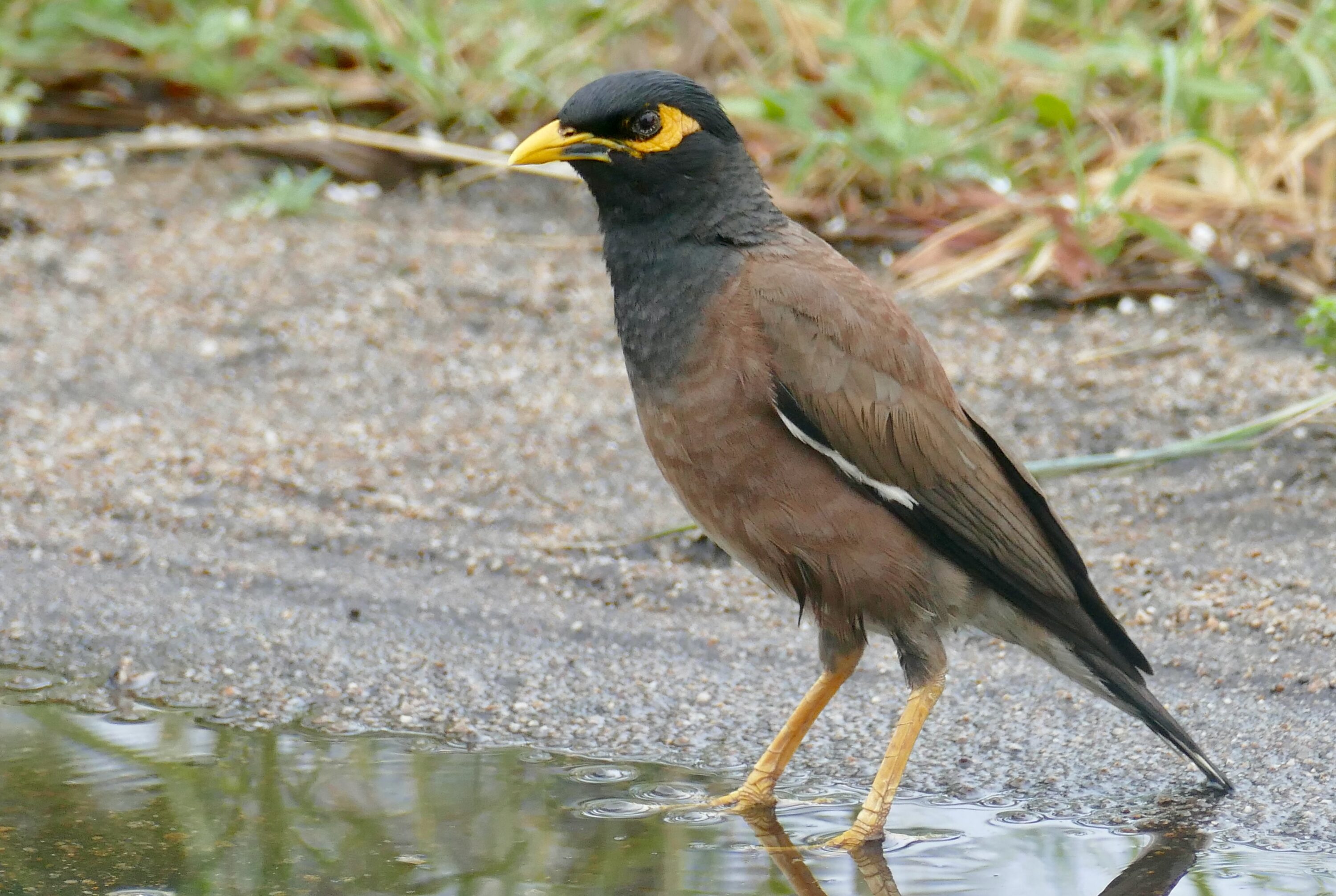
Qatar Captured 12,844 Invasive Common Mynas From January to July
Qatar reported 12,844 common mynas captured from January through July 2026, bringing the project total to 61,999. Control…
Read story →SPECIES IN THIS STORY
Species in this story
Independent research and conservation news archive
Did you find this information useful?
Wildlife Vagabond is independently built and maintained. Voluntary support helps cover source verification, hosting and continued work on research and conservation news.
Support Wildlife VagabondThe news archive will remain freely available.