
Cape Porcupines Showed Higher Dry-Season Occupancy Across KwaZulu-Natal Mistbelt Forests
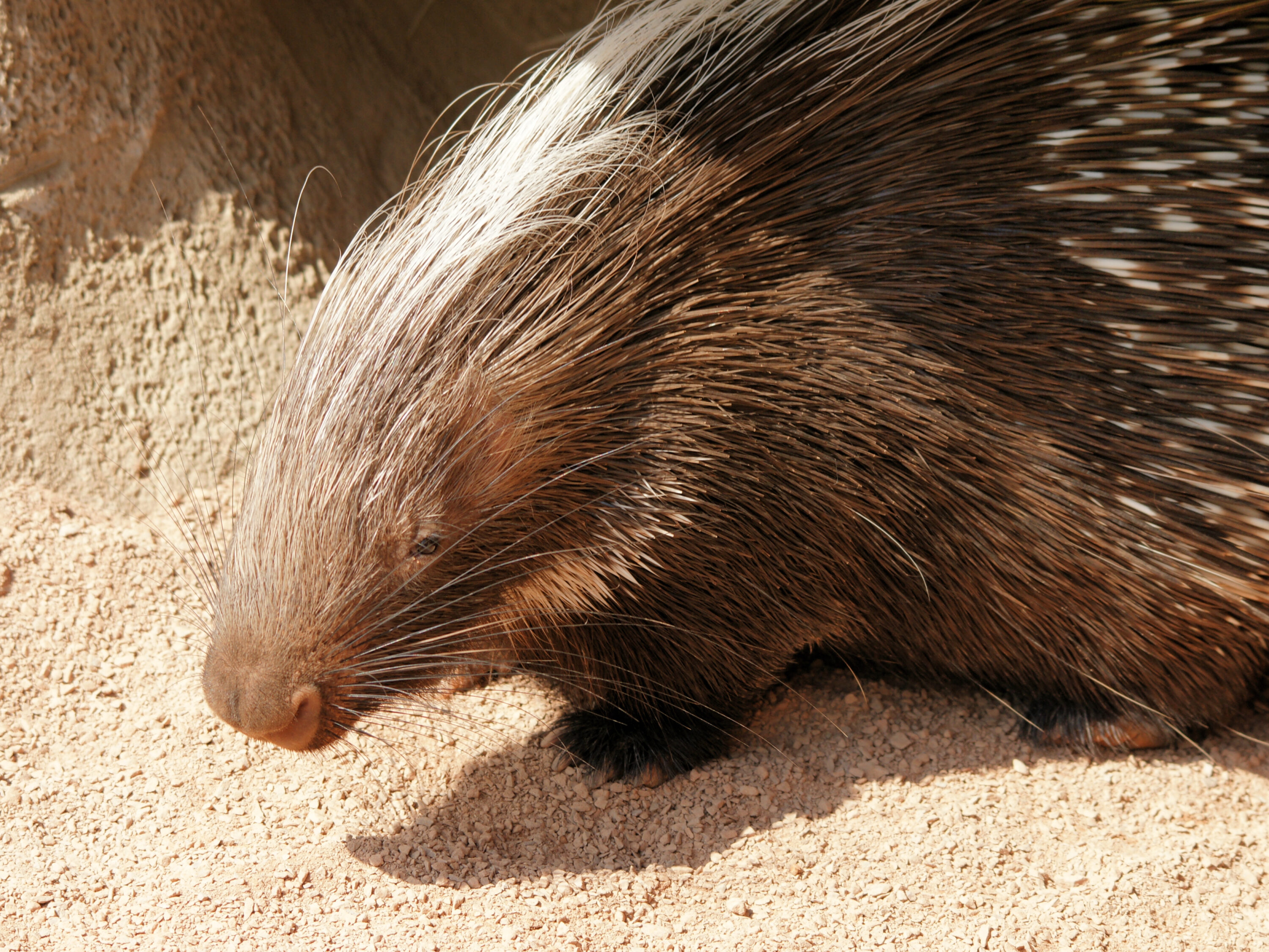
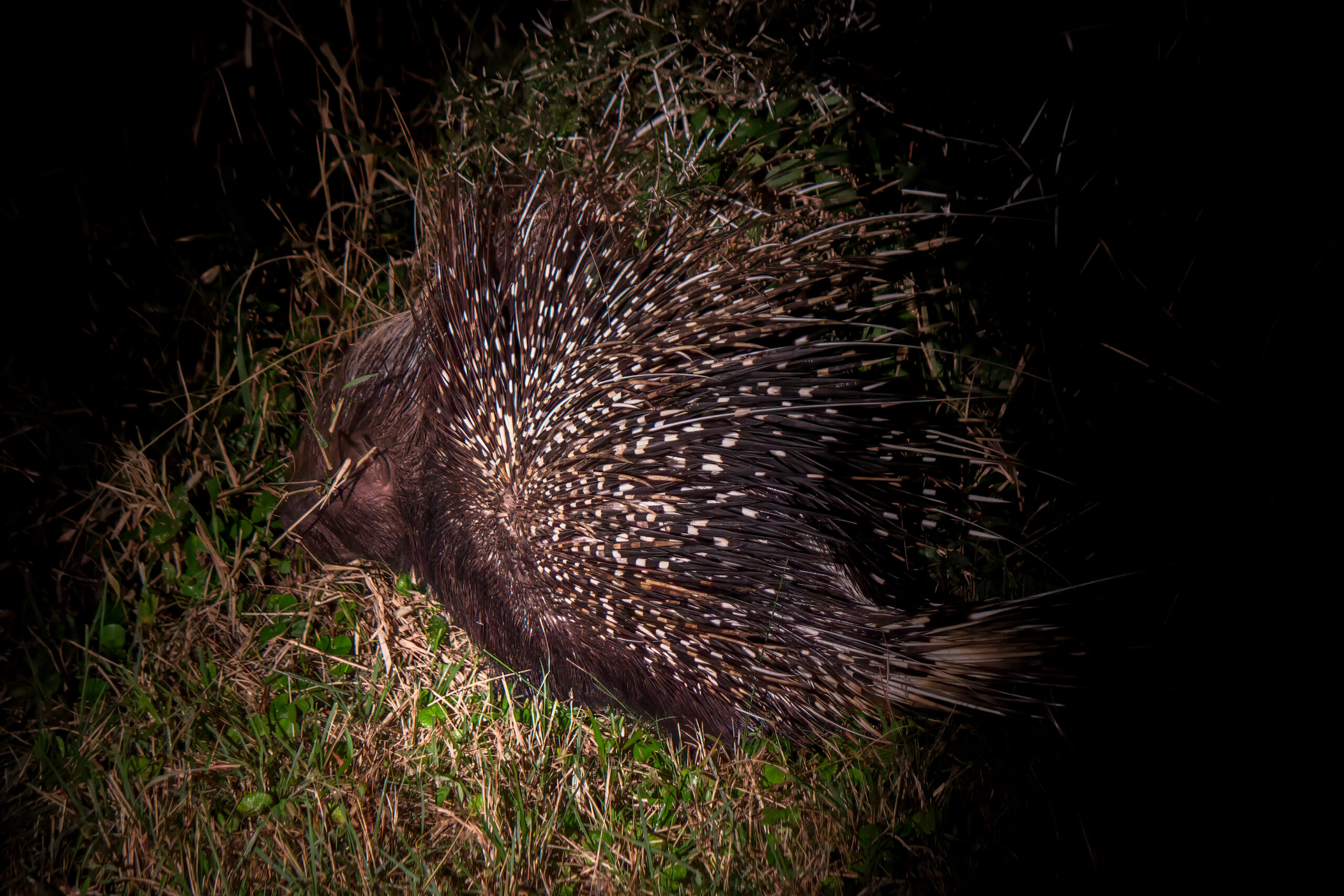
Camera-trap surveys across 14 indigenous Southern Mistbelt Forest patches in KwaZulu-Natal, South Africa found that Cape porcupines (Hystrix africaeaustralis) had substantially higher modelled occupancy during the dry season than during the wet season. Here, occupancy means the estimated probability that a camera-trap site was used by the species during the sampling period; it is not a measure of population density.
Researchers surveyed forest patches between Karkloof and Bulwer in the KwaZulu-Natal Midlands, comparing state-owned and privately owned forests. Camera traps sampled the forests during both wet and dry seasons. Vegetation structure and other microhabitat features were measured around each camera so the researchers could examine which conditions were associated with porcupine occurrence and detection.
Dry-season occupancy was substantially higher
The seasonal difference was stronger than the researchers had predicted. Across all forest patches, Cape porcupine occupancy was estimated at about 0.29 in the wet season and 0.50 in the dry season. During the dry season, estimates were also very similar between ownership types: about 0.46 in state-owned forests and 0.48 in privately owned forests.
Ownership patterns differed by season. In the wet season, porcupine occupancy was higher in state-owned than in privately owned forests despite greater resource extraction and other human pressures. This contrasted with bushbuck, the study’s other focal mammal, whose occupancy was lower in the more heavily pressured state-owned forests.
Different forest features mattered between seasons
Different parts of forest structure were associated with porcupine occupancy in the two seasons. During the wet season, plant-species richness was positively associated with occupancy while the density of trees 11–15 m tall was negatively associated with it. During the dry season, occupancy was positively associated with canopy closure and the density of trees 2–5 m tall. The shift in which forest features mattered between seasons was consistent with the species using a broad range of microhabitats.
The authors interpret the broad set of habitat associations as consistent with the Cape porcupine’s ecological generalism. They suggest that seasonal changes in diet may contribute to the higher dry-season use of these forests. They also raise the possibility that indigenous forest patches can act as fire refuges during the dry season.
Ecology
Related news
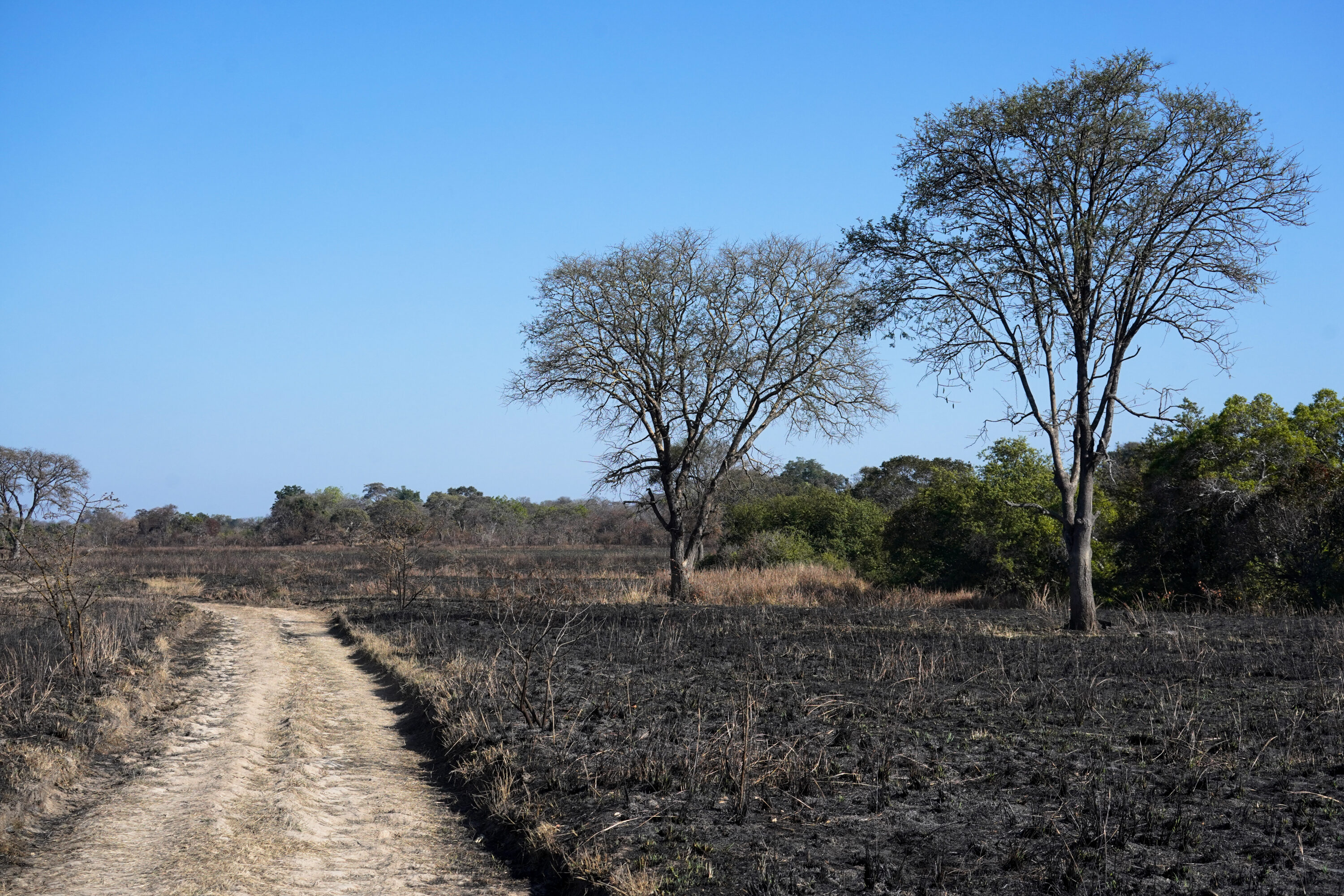
Local Mammal Site Use Fell in Burned Namibian Savanna During the First Five Months After Wildfire
Camera traps following 31 medium- and large-sized mammal species in eastern Namibia found that local site use in…
Read story →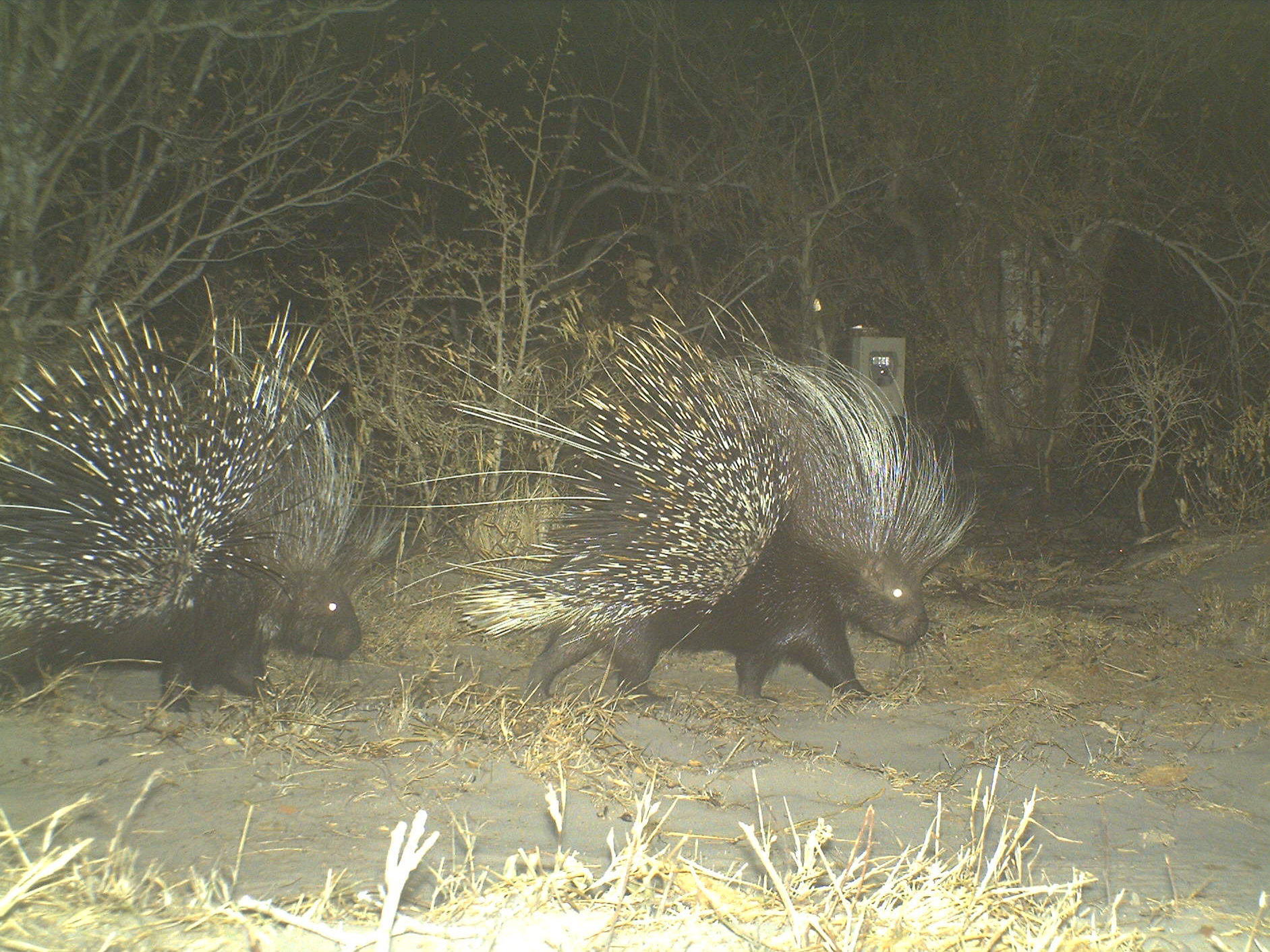
Cape porcupine detections declined as open-pit mining expanded into wild olive shrubland
Five years of camera trapping in South Africa’s Northern Cape found a strong negative association between Cape porcupine…
Read story →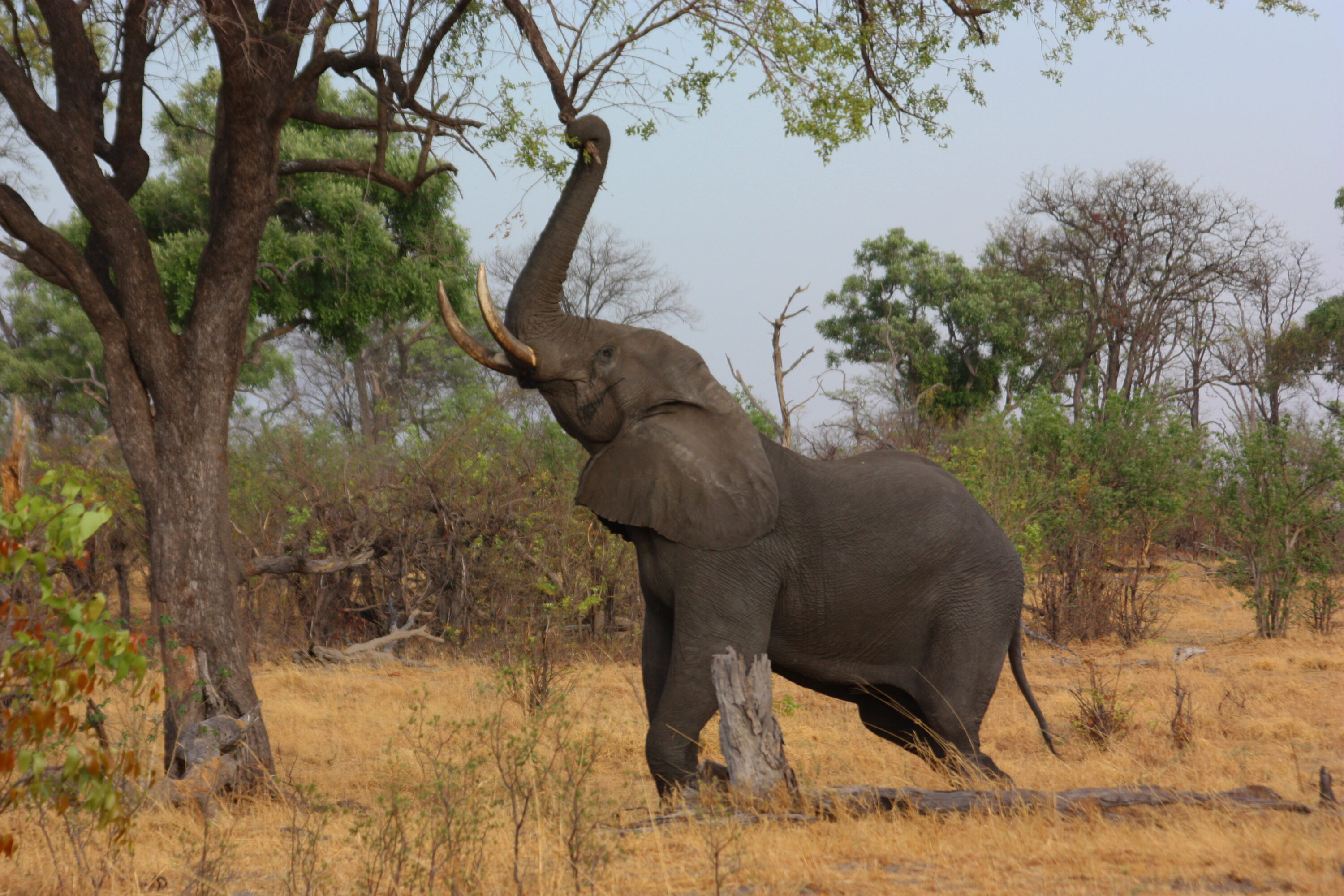
African Bush Elephants Distinguished Artificial Food-Quantity Patterns at Close Range
In experiments in South Africa, four semi-tame elephants chose between visual patterns representing canopy size and leaf density.…
Read story →SPECIES IN THIS STORY
Species in this story
Independent research and conservation news archive
Did you find this information useful?
Wildlife Vagabond is independently built and maintained. Voluntary support helps cover source verification, hosting and continued work on research and conservation news.
Support Wildlife VagabondThe news archive will remain freely available.