
Video Collars Showed GPS Methods Were Only About 70% Accurate at Detecting Caribou Calving
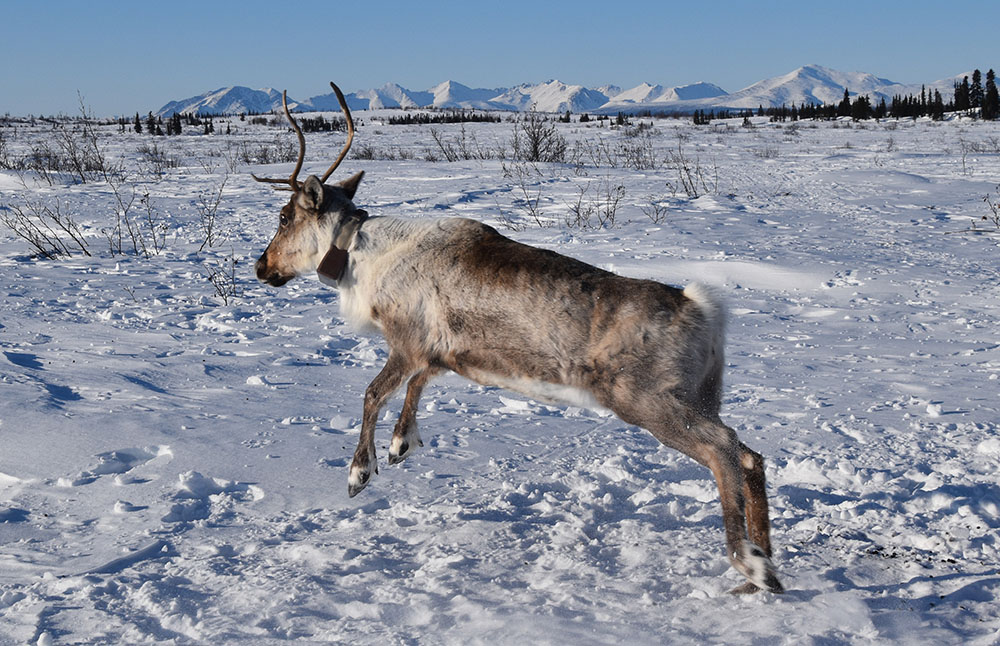
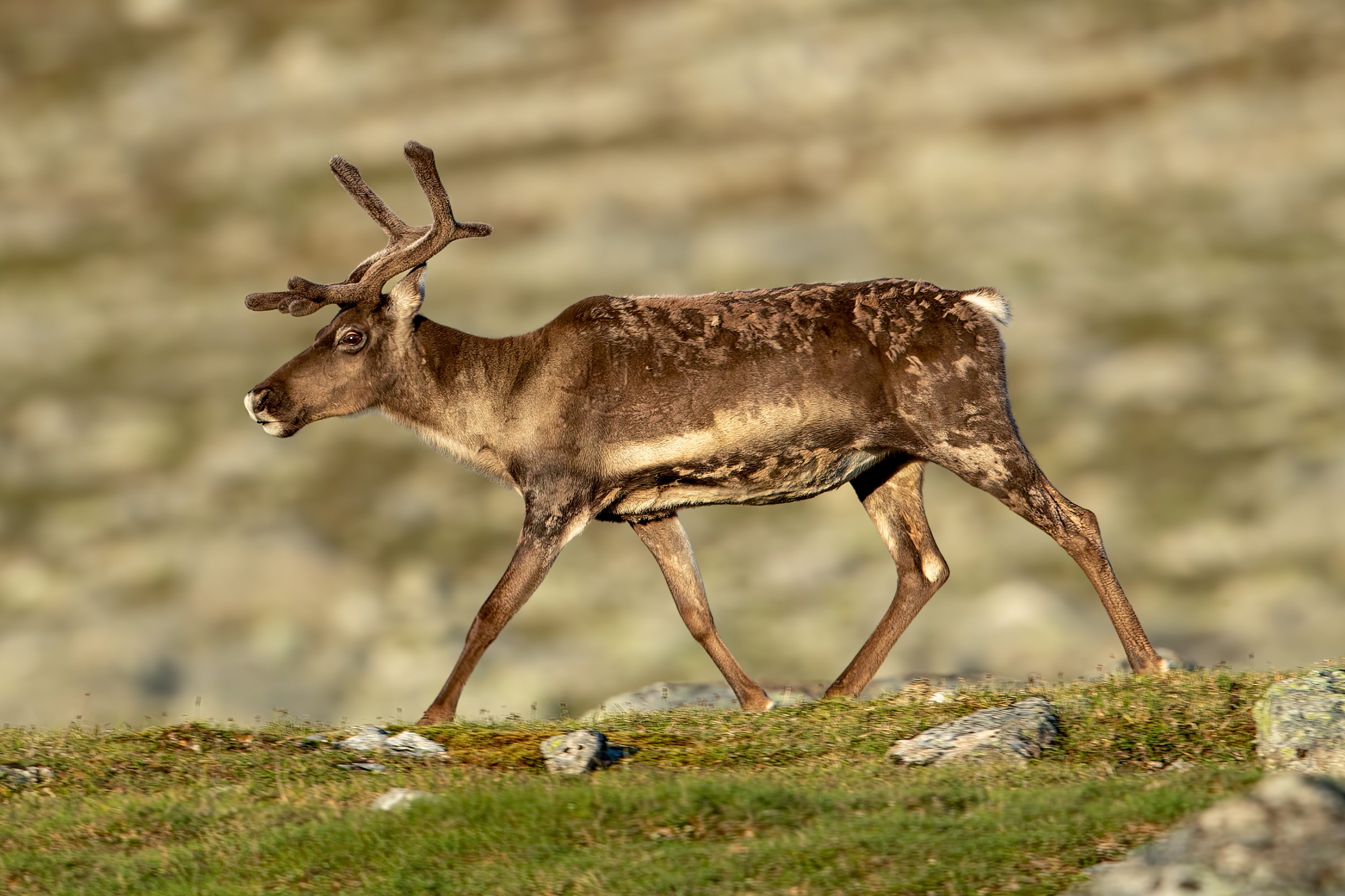
Video camera collars on North American reindeer, known there as caribou (Rangifer tarandus), showed that two commonly used GPS movement methods were only about 70% accurate at identifying parturition. The study, published in The Journal of Wildlife Management on 31 August 2026, used females from the Porcupine and Western Arctic herds in Alaska, USA, and Yukon, Canada.
Video provided a direct reference for birth and calf survival
The dataset included 127 adult females from the Porcupine Herd and 33 from the Western Arctic Herd. Their collars recorded short videos and GPS positions every 20–30 minutes during the calving season. Researchers treated the video observations as the reference for whether and when a female gave birth and, through June, whether her calf survived.
They then tested three indirect approaches. Antler retention at the onset of the calving period predicted parturition with 96% accuracy. It became much less useful later in the season, however, because about 80% of females that gave birth shed their antlers during the calving period.
The two movement-based methods inferred birth from a sharp decline in movement and calf loss from a later increase. The study’s “true accuracy” required a movement-based birth event to fall within 48 hours of the birth seen on video, rather than merely classifying a female as having calved at some point. Based on two-hour GPS positions, both methods achieved only about 70% true accuracy for parturition.
The individual-based method was still weaker when it had to classify both birth and calf fate: true accuracy was no more than 49% in the Porcupine Herd and 68% in the Western Arctic Herd.
Weather, terrain and calf loss could mimic the expected signals
Video review showed why some GPS signals were misleading. Females could remain unusually still for one to five hours while bedding during snow or rainstorms or after crossing mountainous terrain, creating false signs of parturition. Births were also sometimes missed when calves died within 24 hours, because the expected movement pattern was short-lived. Later in June, warmer conditions and insect harassment could increase movement and create false signals of calf loss.
Longer GPS intervals reduced accuracy and displaced calving sites
Accuracy also depended on how often GPS positions were recorded. In the Western Arctic Herd, the population-based method fell from 85% true accuracy with hourly locations to 50% with eight-hour intervals. Errors also affected estimated calving locations: in individual cases, movement-based locations differed from video-confirmed sites by more than 100 km, with maximum discrepancies of 176 km in the Porcupine Herd and 230 km in the Western Arctic Herd.
Video collars are valuable for validating these methods, but they cost about twice as much as standard GPS collars, usually last no more than a year and require substantial work to process. The authors therefore argue for improving movement-based models rather than replacing long-term GPS monitoring with video. That matters because estimates of parturition, calf survival and calving locations are used to judge herd trends and inform land-use and wildlife-management decisions.
Other research
Related news
Inuit harvesters help detect an emerging parasitic disease in Arctic caribou
Near Kugluktuk in Nunavut, Inuit harvesters reported unusual tissue changes in caribou. Tests found DNA from two parasitic…
Read story →
Reindeer and Caribou Showed Broad Genetic Differences Across Russia, Alaska and Canada
Microsatellite data from 1,544 reindeer and caribou in 42 populations showed broad genetic differentiation among Russia, Alaska and…
Read story →
Decades of Reindeer Exclusion Raised Lichen Biomass 4.5-fold and Changed Soil Carbon
Long-term reindeer exclosures in three northern Finnish pine forests had 4.5 times more lichen biomass, moister and cooler…
Read story →SPECIES IN THIS STORY
Species in this story
Independent research and conservation news archive
Did you find this information useful?
Wildlife Vagabond is independently built and maintained. Voluntary support helps cover source verification, hosting and continued work on research and conservation news.
Support Wildlife VagabondThe news archive will remain freely available.