
Reindeer and Caribou Showed Broad Genetic Differences Across Russia, Alaska and Canada
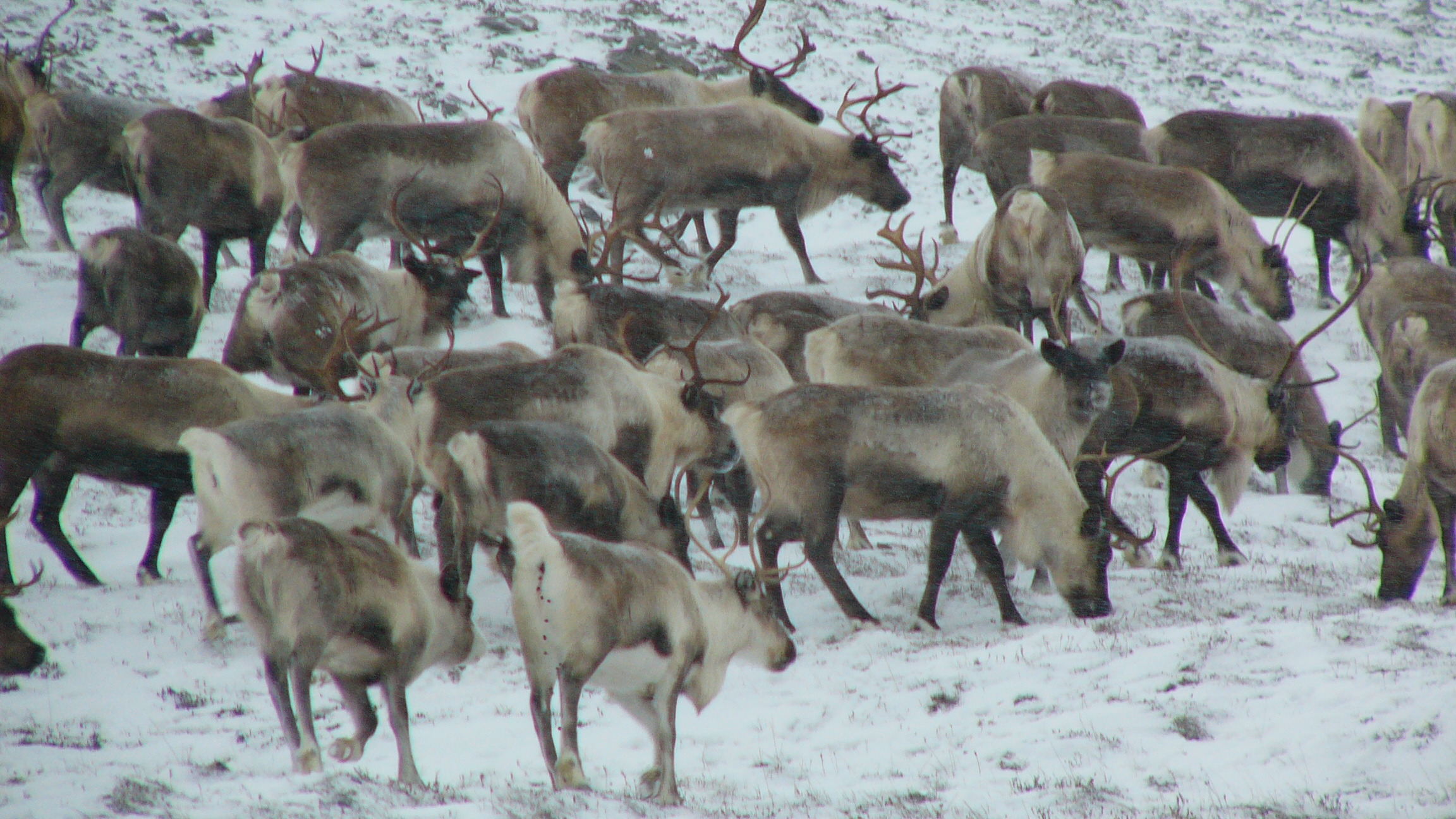
A circumpolar genetic analysis of reindeer and caribou (Rangifer tarandus) combined legacy microsatellite datasets from Alaska, Canada and Russia and recovered broad genetic differentiation among the three regions. The study was published in Genetica on 26 August 2026.
Older datasets first had to be made comparable
The researchers harmonised data from 1,544 animals representing 42 populations, using nine microsatellite loci shared among the underlying datasets. Microsatellites are short repeated stretches of DNA that can serve as markers of genetic variation. Because older studies were produced by different laboratories and genotyping systems, allele sizes could not simply be compared directly. The team therefore adjusted each genetic marker separately to reduce systematic differences between laboratories while retaining the genetic variation within each original dataset.
Alaskan populations occupied an intermediate genetic position
After harmonisation, several analytical approaches consistently separated Russian, Canadian and Alaskan populations at a broad scale. Alaskan populations occupied an intermediate position between the Canadian and Russian groups, a pattern the authors describe as consistent with historical connectivity through Beringia, the region around the Bering Strait that linked Asia and North America during periods of lower sea level.
The study primarily demonstrates a way to make heterogeneous legacy microsatellite datasets more comparable, while also providing a wider view of circumpolar population structure. The authors stress that the method complements rather than replaces direct cross-laboratory calibration when shared reference samples are available.
Genetics & genomics
Related news
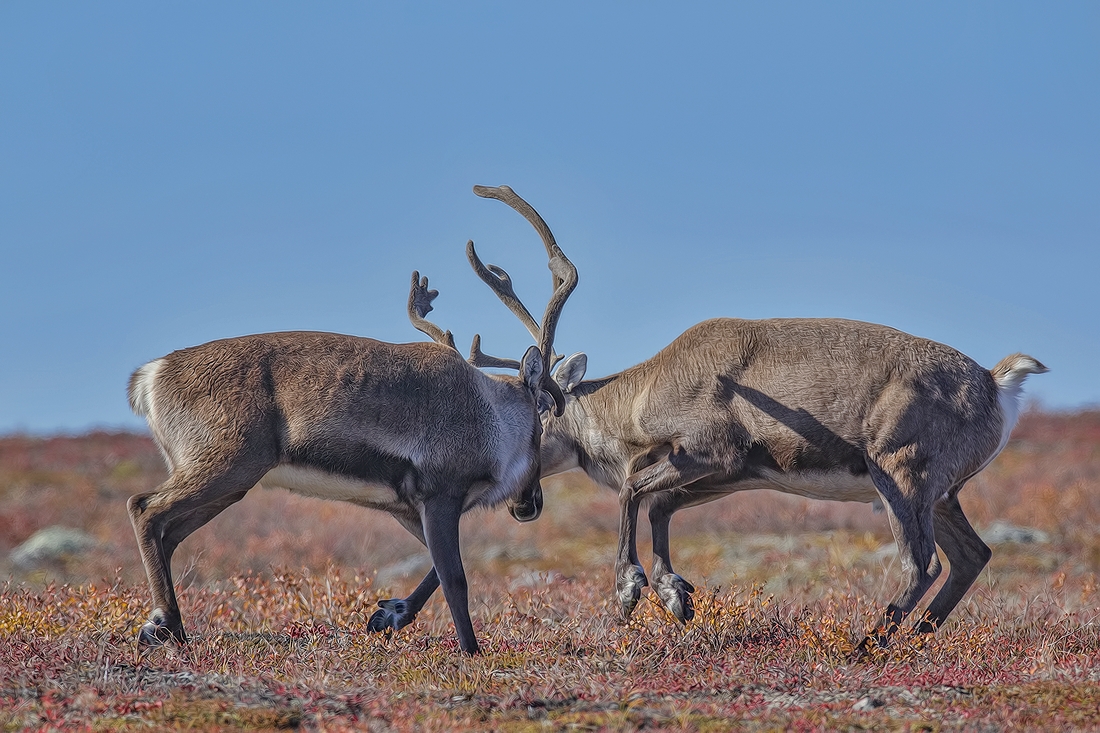
Inuit harvesters help detect an emerging parasitic disease in Arctic caribou
Near Kugluktuk in Nunavut, Inuit harvesters reported unusual tissue changes in caribou. Tests found DNA from two parasitic…
Read story →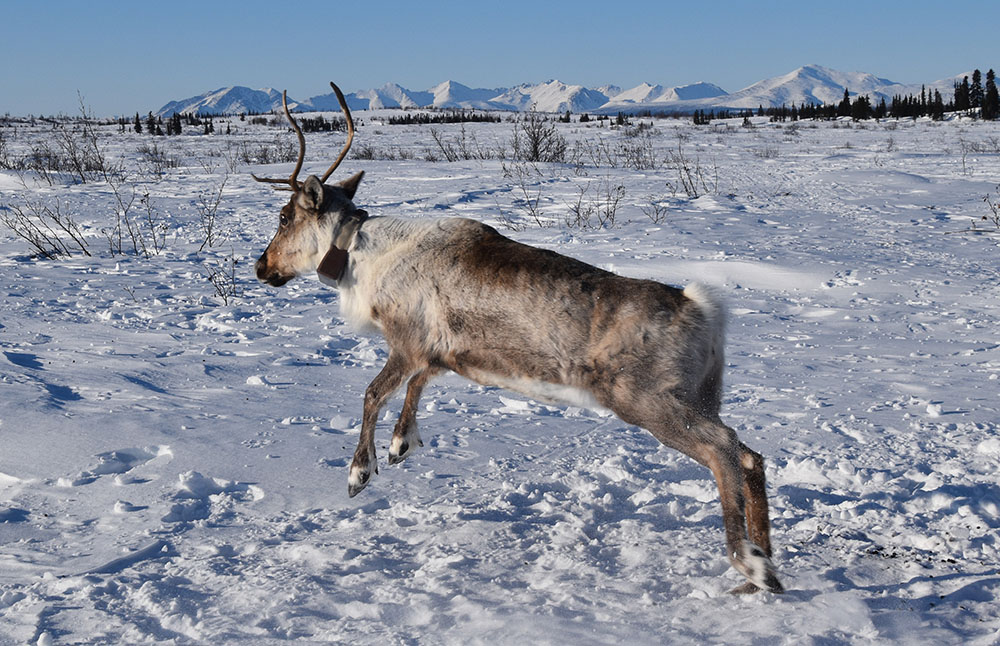
Video Collars Showed GPS Methods Were Only About 70% Accurate at Detecting Caribou Calving
Video collars from 160 adult females in the Porcupine and Western Arctic herds showed that two GPS movement…
Read story →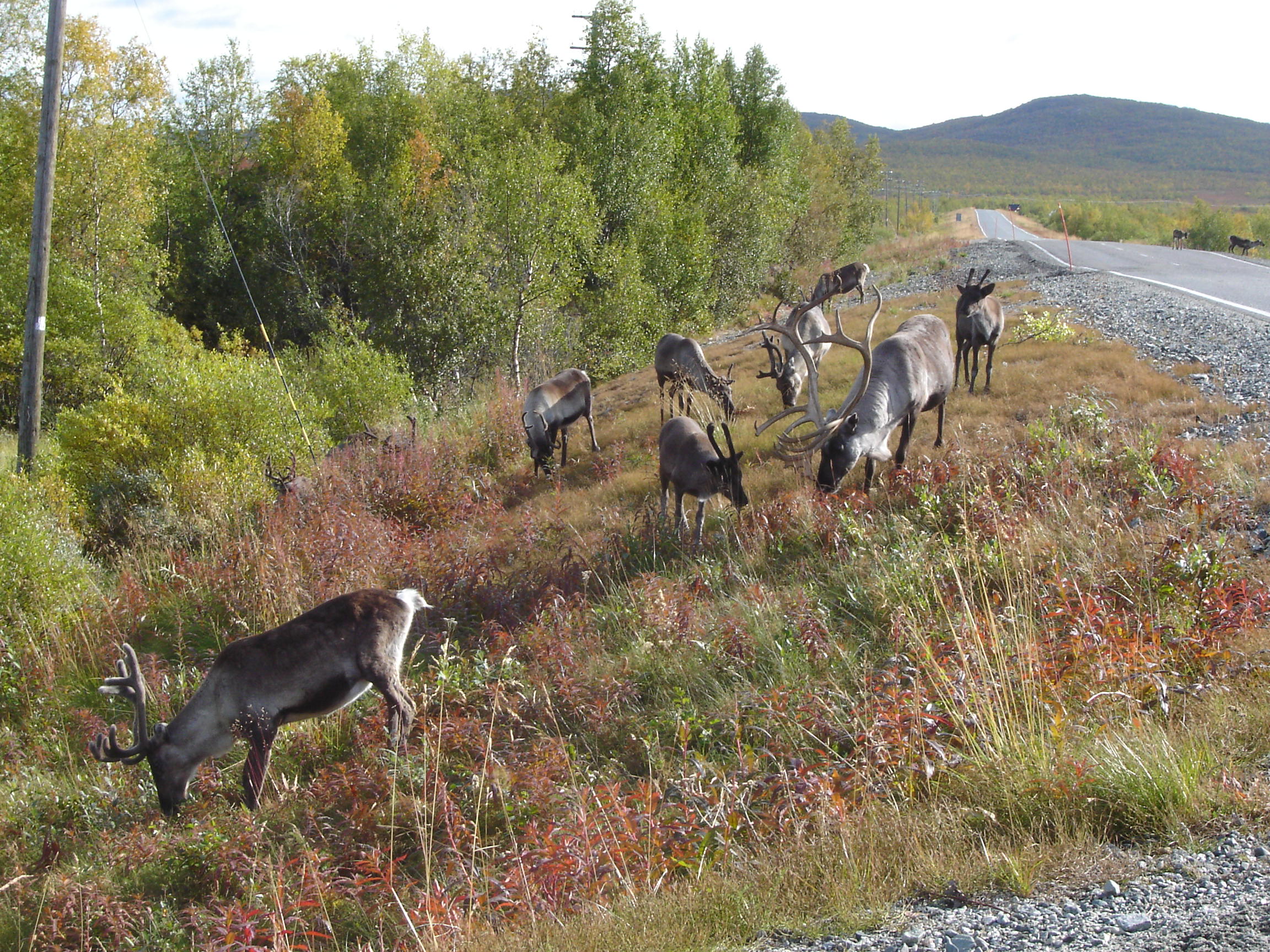
Decades of Reindeer Exclusion Raised Lichen Biomass 4.5-fold and Changed Soil Carbon
Long-term reindeer exclosures in three northern Finnish pine forests had 4.5 times more lichen biomass, moister and cooler…
Read story →SPECIES IN THIS STORY
Species in this story
Independent research and conservation news archive
Did you find this information useful?
Wildlife Vagabond is independently built and maintained. Voluntary support helps cover source verification, hosting and continued work on research and conservation news.
Support Wildlife VagabondThe news archive will remain freely available.