
Cattle egret DNA was detected in 18 of 23 mosquito blood meals in Mexico
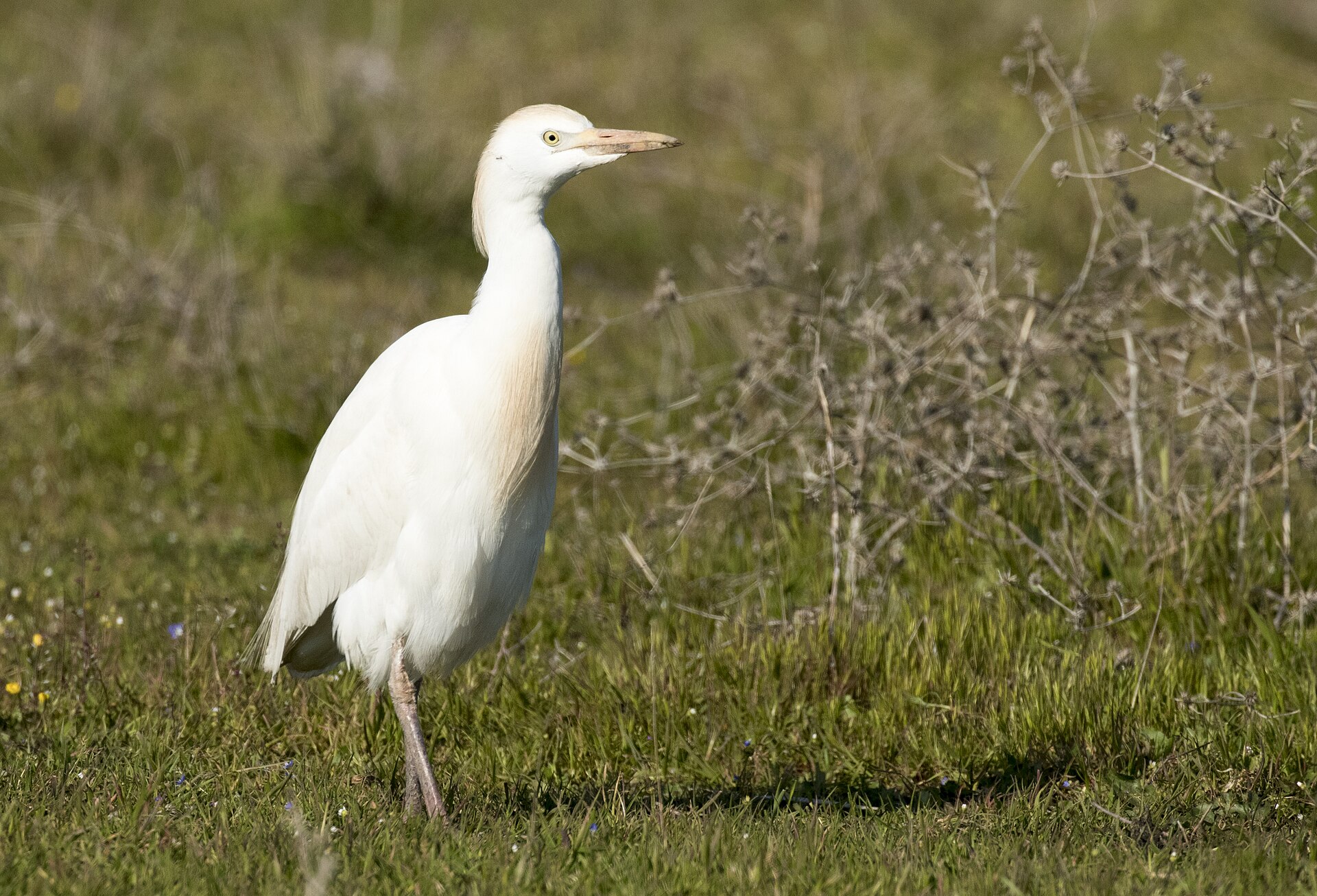
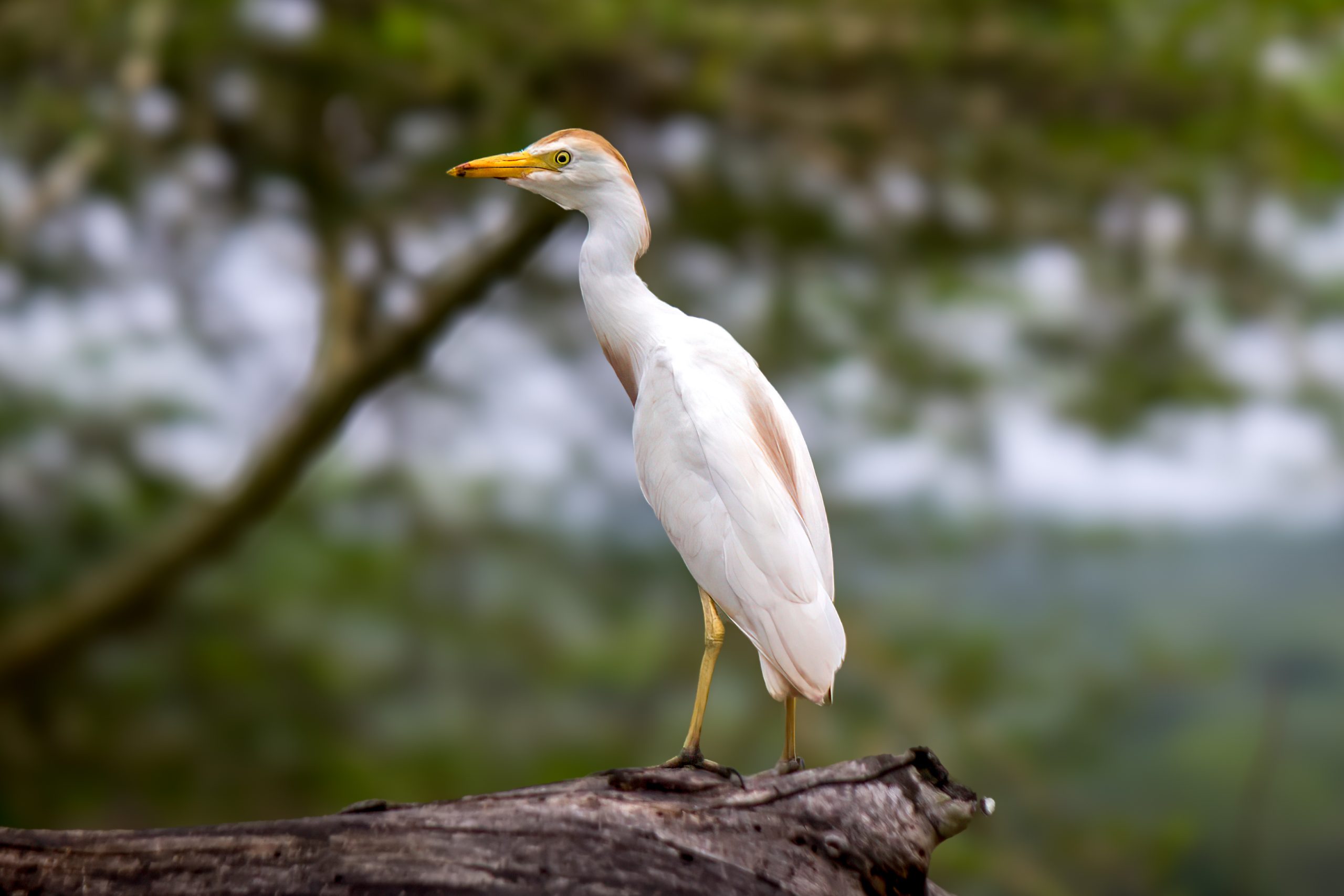
Cattle egret DNA (Ardea ibis) was detected in 18 of the 23 mosquito blood-meal samples for which researchers obtained usable host identifications in Aguascalientes, Mexico. This small subset points to a frequent bird host among the identifiable meals, but does not establish how often mosquitoes across the region feed on egrets.
The blood-meal study was part of a wider survey that collected 5,227 mosquitoes and identified 34 species. Twenty-two species were recorded in Aguascalientes for the first time; these were new records for the state, not species new to science. Researchers identified mosquitoes using visible anatomical features and also used DNA barcoding—comparing short DNA sequences—to identify 20 species.
What did the mosquitoes feed on?
The team used DNA metabarcoding to match DNA in mosquito blood meals with vertebrate hosts. Of 64 engorged female mosquitoes examined, 23 from five species yielded usable host identifications. Seventeen of those 23 samples contained DNA linked to more than one vertebrate species, and birds were the most frequently detected hosts. Cattle egret DNA was detected in 18 samples. A mosquito may have fed on more than one animal, so these results do not represent one-host choices.
The researchers also re-examined museum specimens. Their taxonomic review removed Aedes idahoensis from Mexico’s documented mosquito fauna, leaving 255 recorded mosquito species in the country.
Why host identity matters
Knowing which animals mosquitoes feed on helps researchers understand mosquito ecology and investigate possible links in pathogen transmission. In the identifiable meals in this study, bird DNA—especially cattle egret DNA—was prominent.
Ecology
Related news
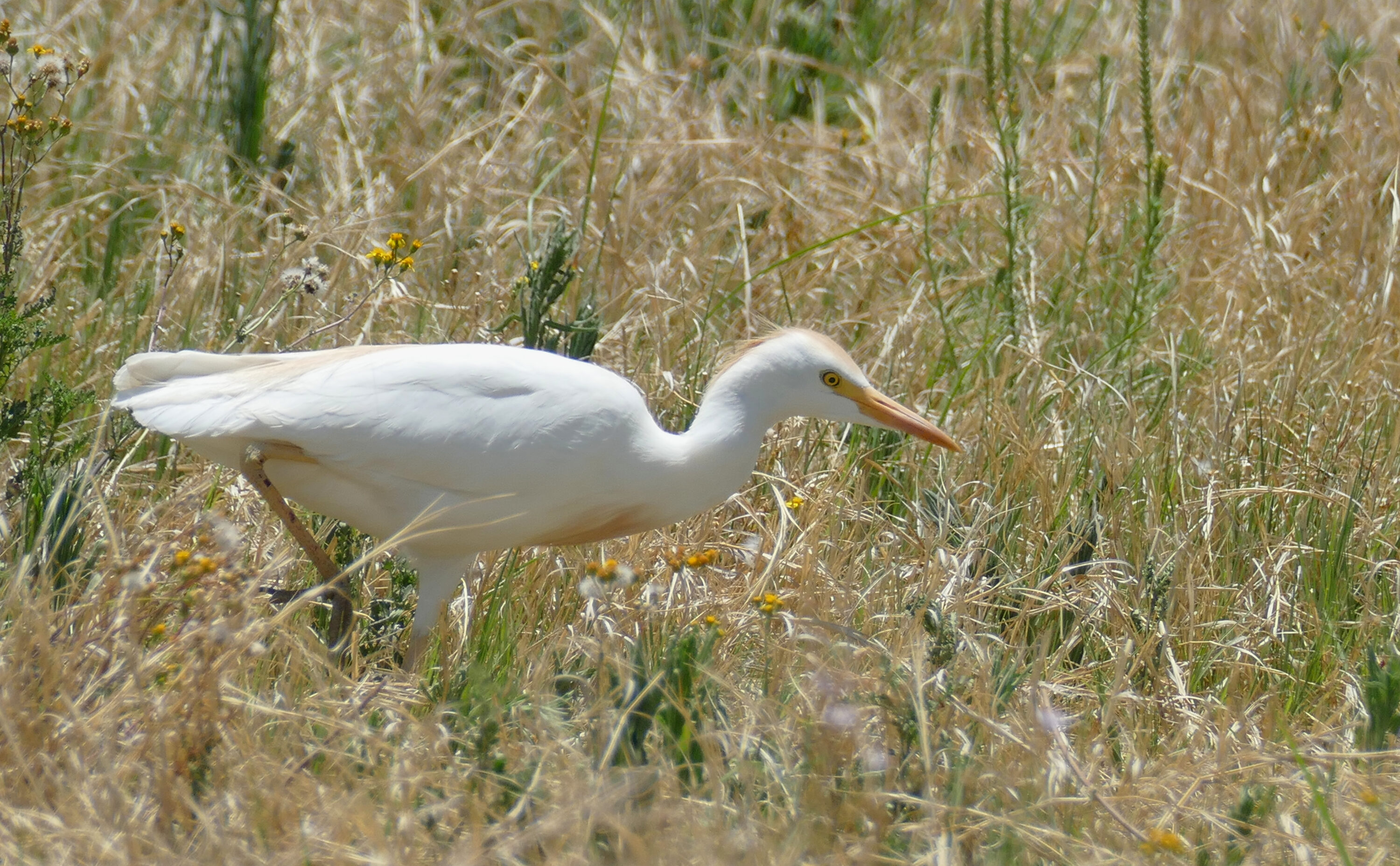
Cattle Egrets Find New Feeding Opportunities Around Farms and Towns
Cattle egrets exploit insects flushed by livestock and machinery. A review of 173 studies links this flexibility with…
Read story →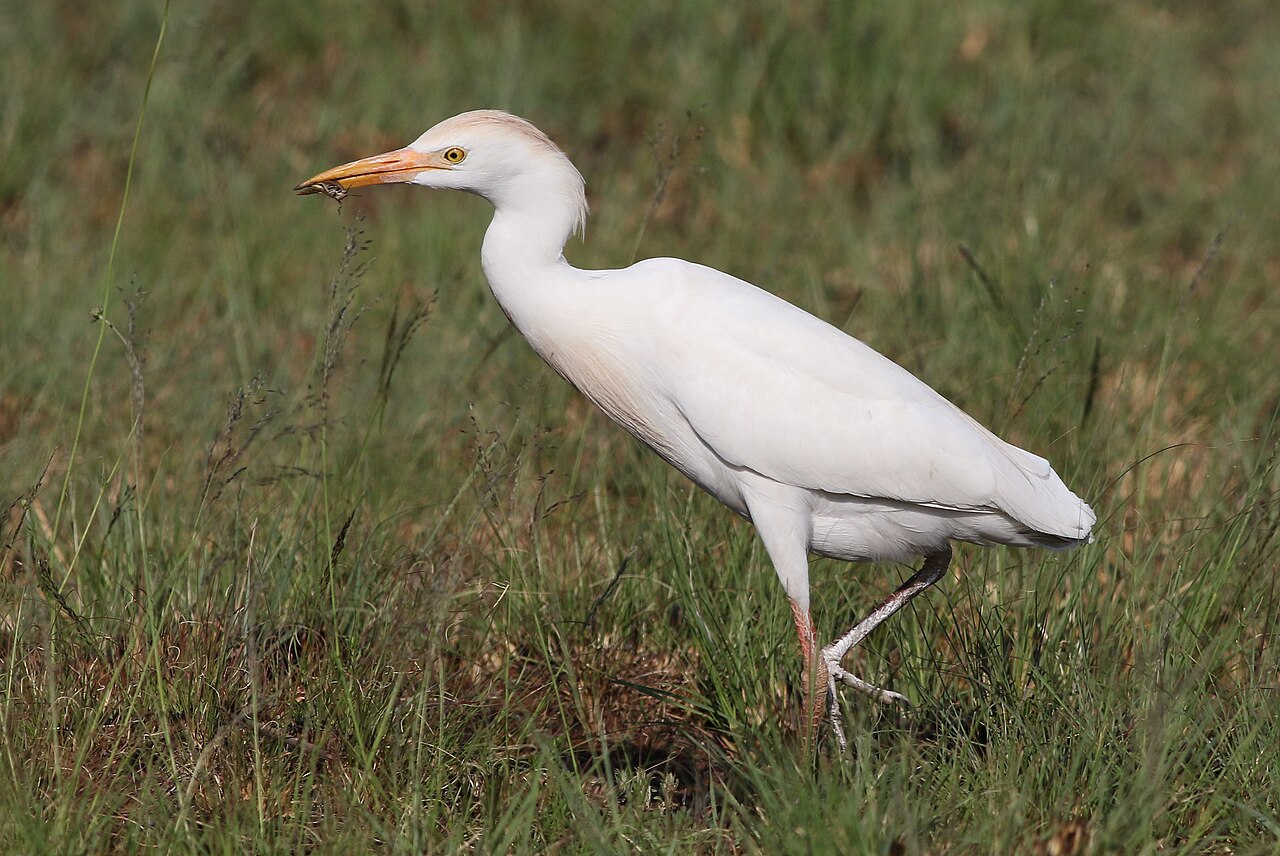
Beetles Dominated Western Cattle Egret Diet Across Nine Algerian Colonies
Across 241 pellets from nine breeding colonies in northeastern Algeria, 98.3% of identified animal prey were invertebrates and…
Read story →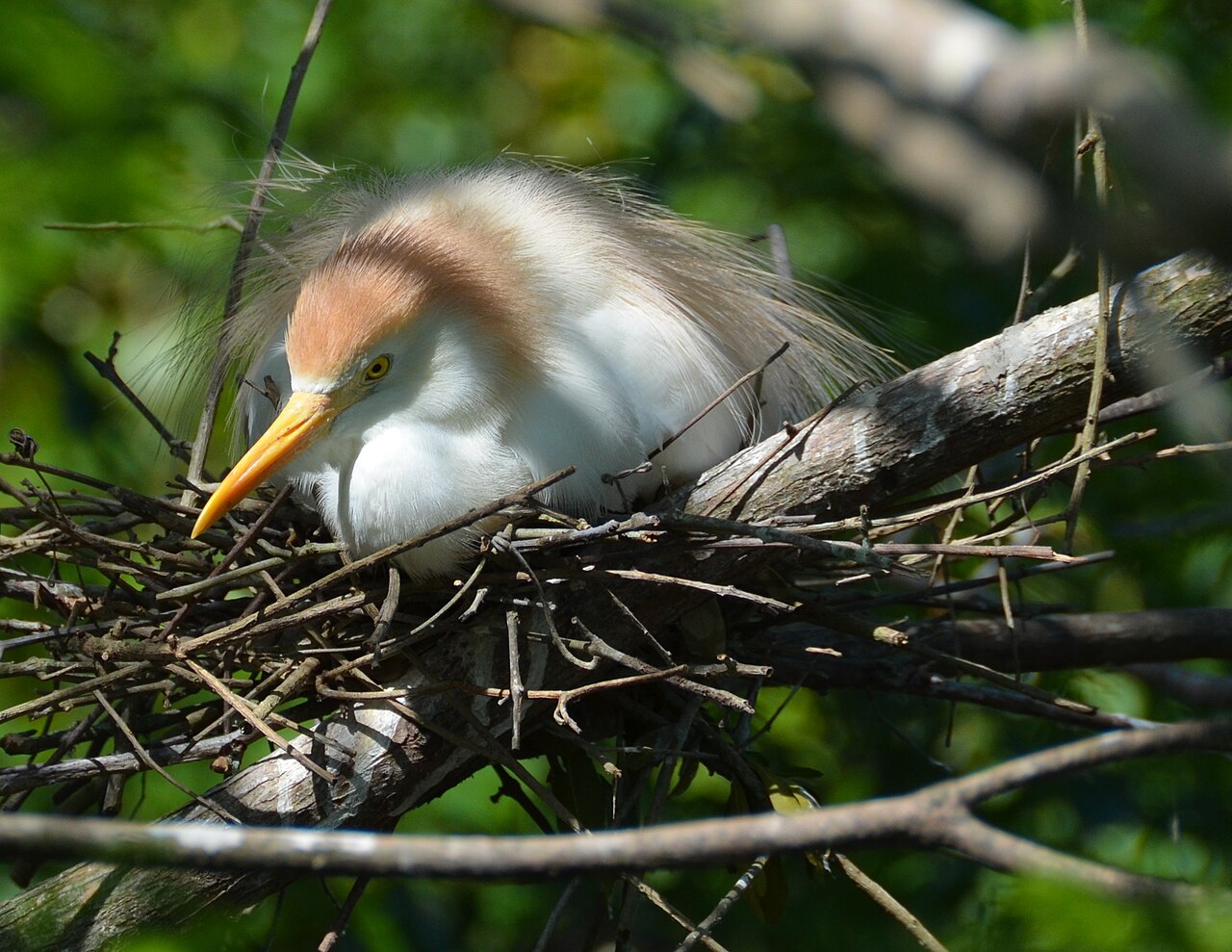
Earlier Laying, Larger Clutches and Better Habitat Were Linked to Higher Western Cattle Egret Breeding Success
A five-year study of 1,779 Western Cattle Egret nests in northeastern Algeria found that breeding performance varied strongly…
Read story →SPECIES IN THIS STORY
Species in this story
Independent research and conservation news archive
Did you find this information useful?
Wildlife Vagabond is independently built and maintained. Voluntary support helps cover source verification, hosting and continued work on research and conservation news.
Support Wildlife VagabondThe news archive will remain freely available.