
Chital form their largest groups in Kanha’s grasslands
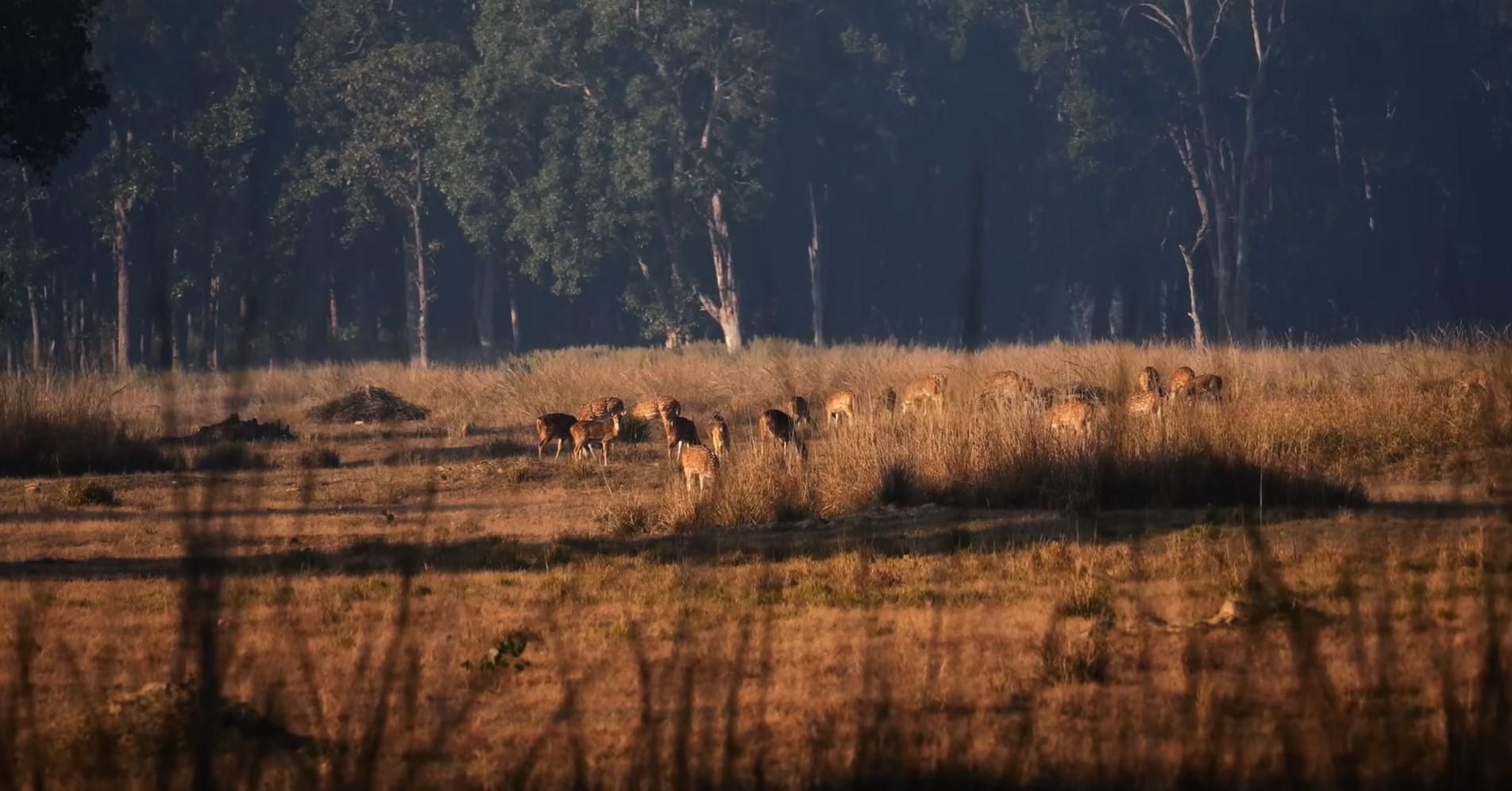
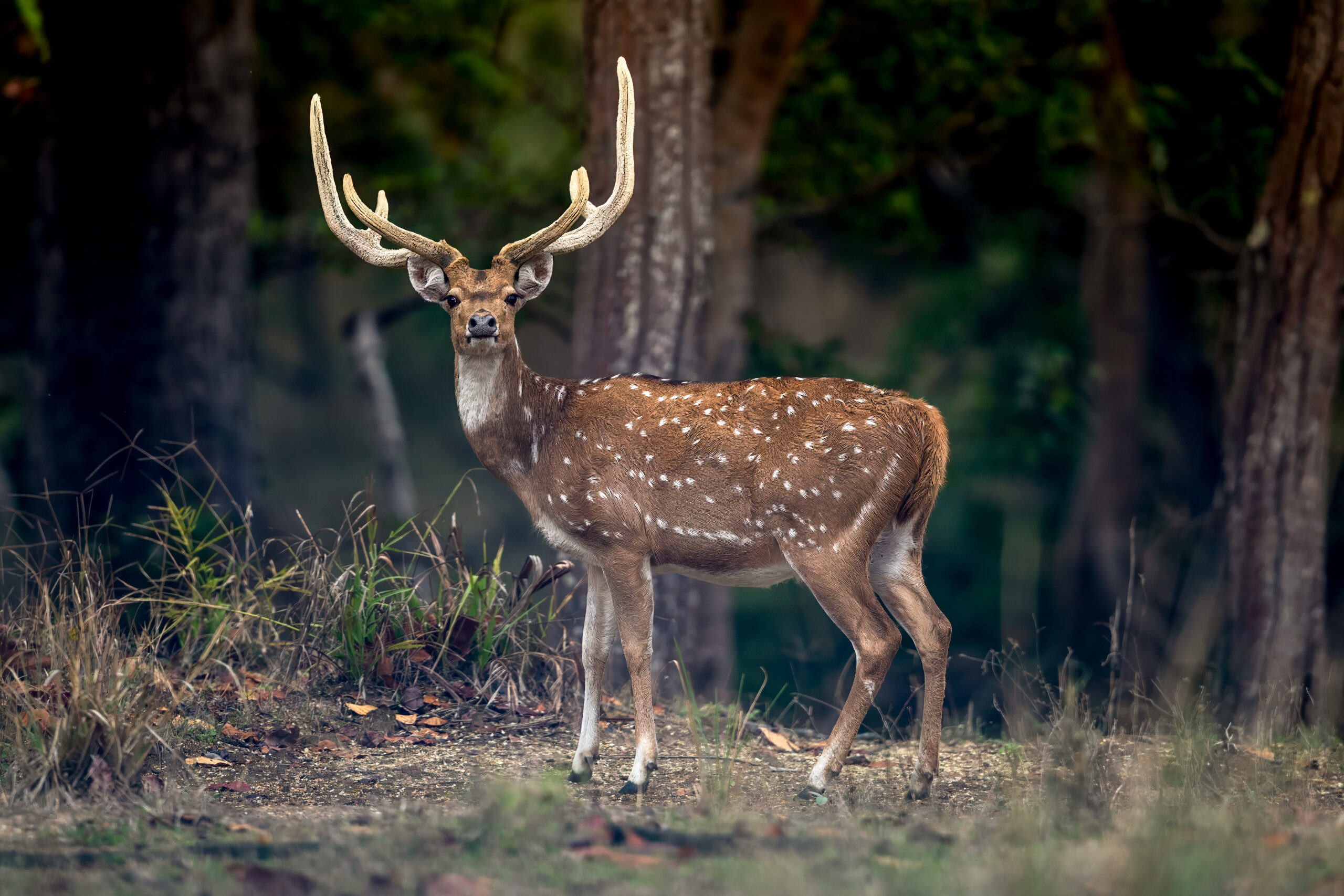
Why do some chital (Axis axis) gather in large groups while others are seen in smaller ones? A study in the moist deciduous forests of Kanha National Park, India, compared group size across grasslands, sal forests dominated by the sal tree (Shorea robusta), and other forest areas. These habitats differ in food availability and cover from predators.
Both chital density and average group size were highest in grasslands. Researchers estimated about 110 chital per 25 km² there, compared with 22 in other forest areas and 6.6 in sal forests. The average group contained about 18 chital in grasslands, 10 in other forest areas and five in sal forests.
Group size tracked chital density
Across habitats, differences in chital density were strongly associated with typical group size, accounting for 44% of its variation. Tiger and leopard densities were also higher where chital were more abundant. But once chital density was taken into account, predator density explained only 6% of the remaining variation in group size. Overall, group size was more closely associated with how abundant chital were than with the density of their main predators.
Grasslands cover only about 9% of Kanha National Park, yet they held the highest chital densities and the largest groups. The researchers identify these areas as important places where chital gather and recommend maintaining grassland habitat to sustain high local densities. They also suggest that group size could provide a low-cost indication of relative chital abundance in this landscape.
Ecology
Related news
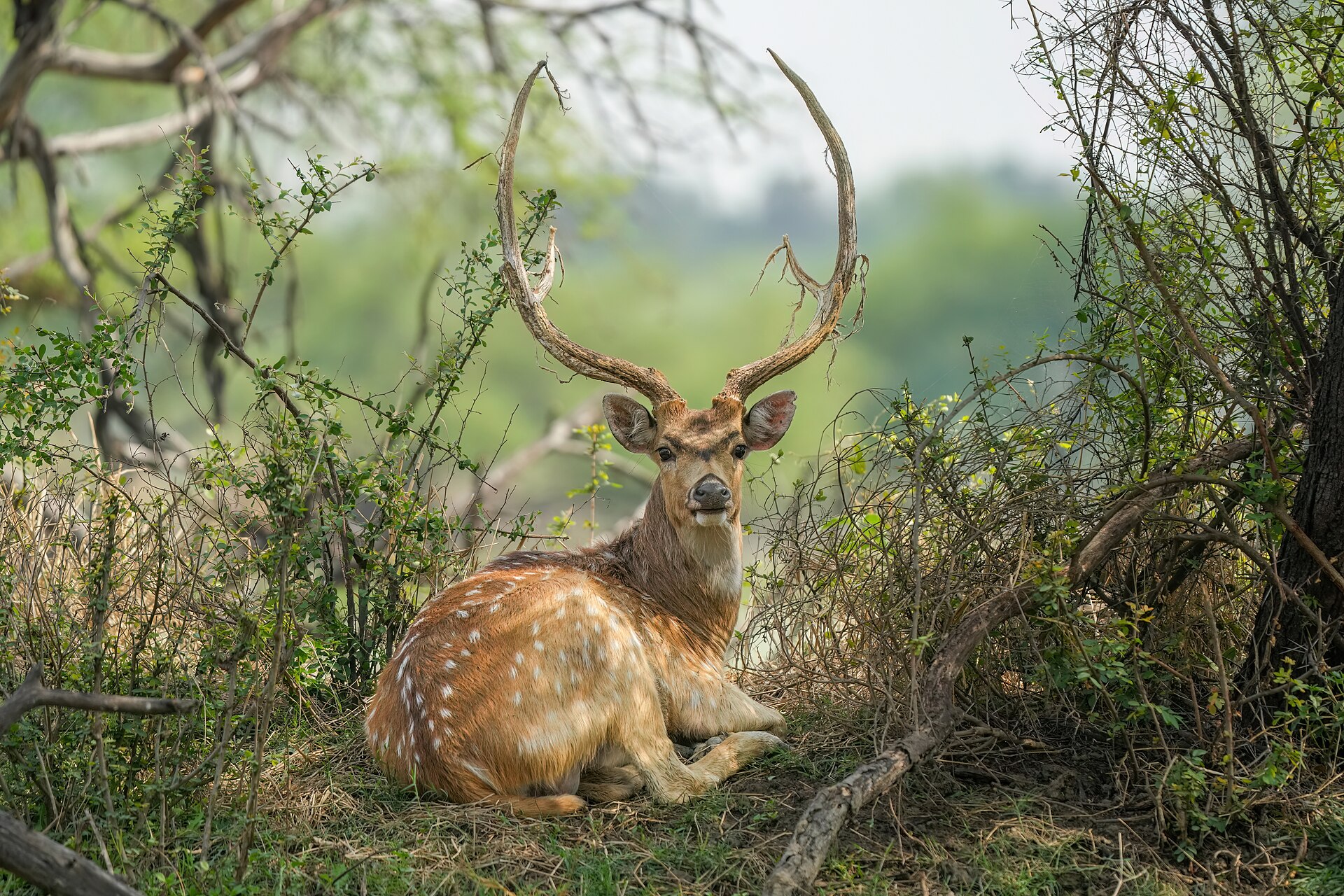
How Close Do Spotted Deer and Sambar Let People Get?
Across 25 locations in Sri Lanka, researchers measured how far away four deer species began to flee from…
Read story →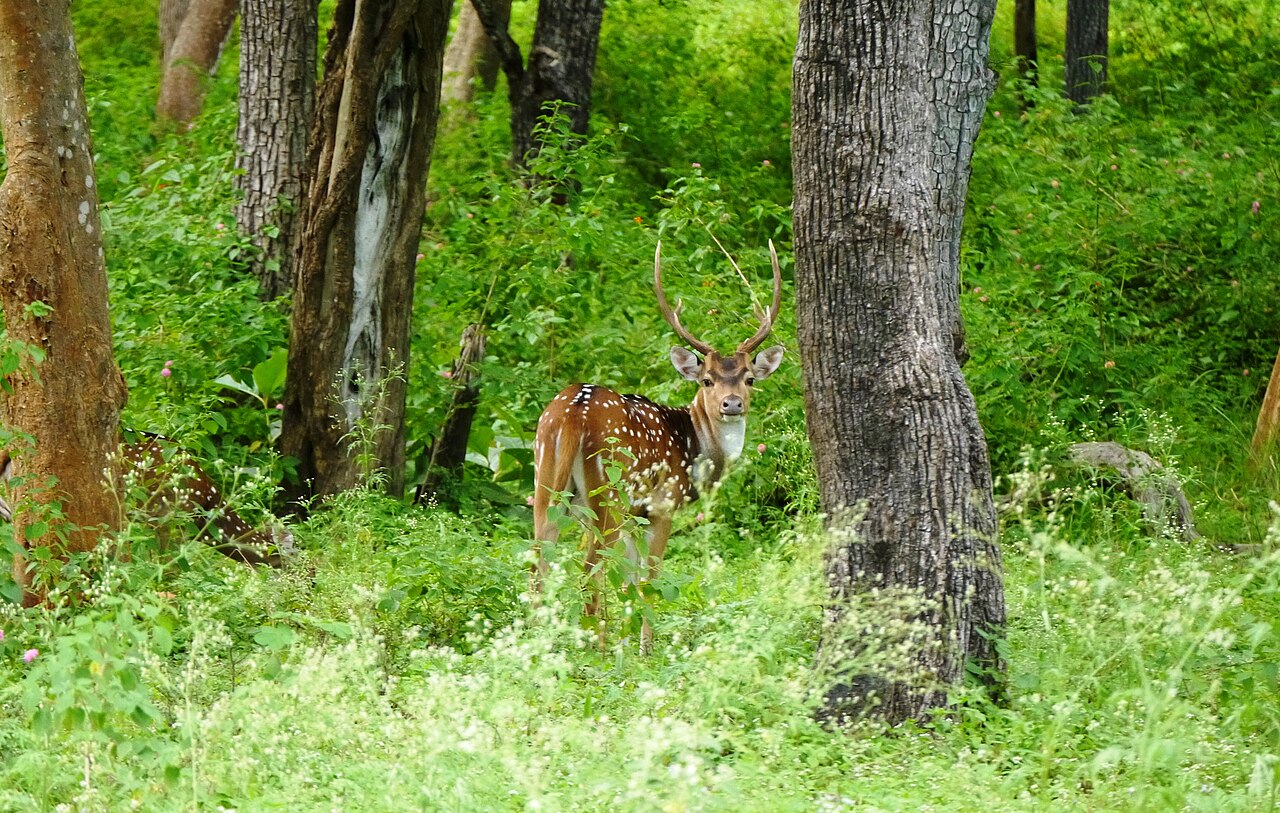
Introduced chital were recorded more often than native brocket deer in an Argentine reserve
Camera traps in two forest habitats in Entre Ríos recorded more introduced chital than native brown brocket deer.…
Read story →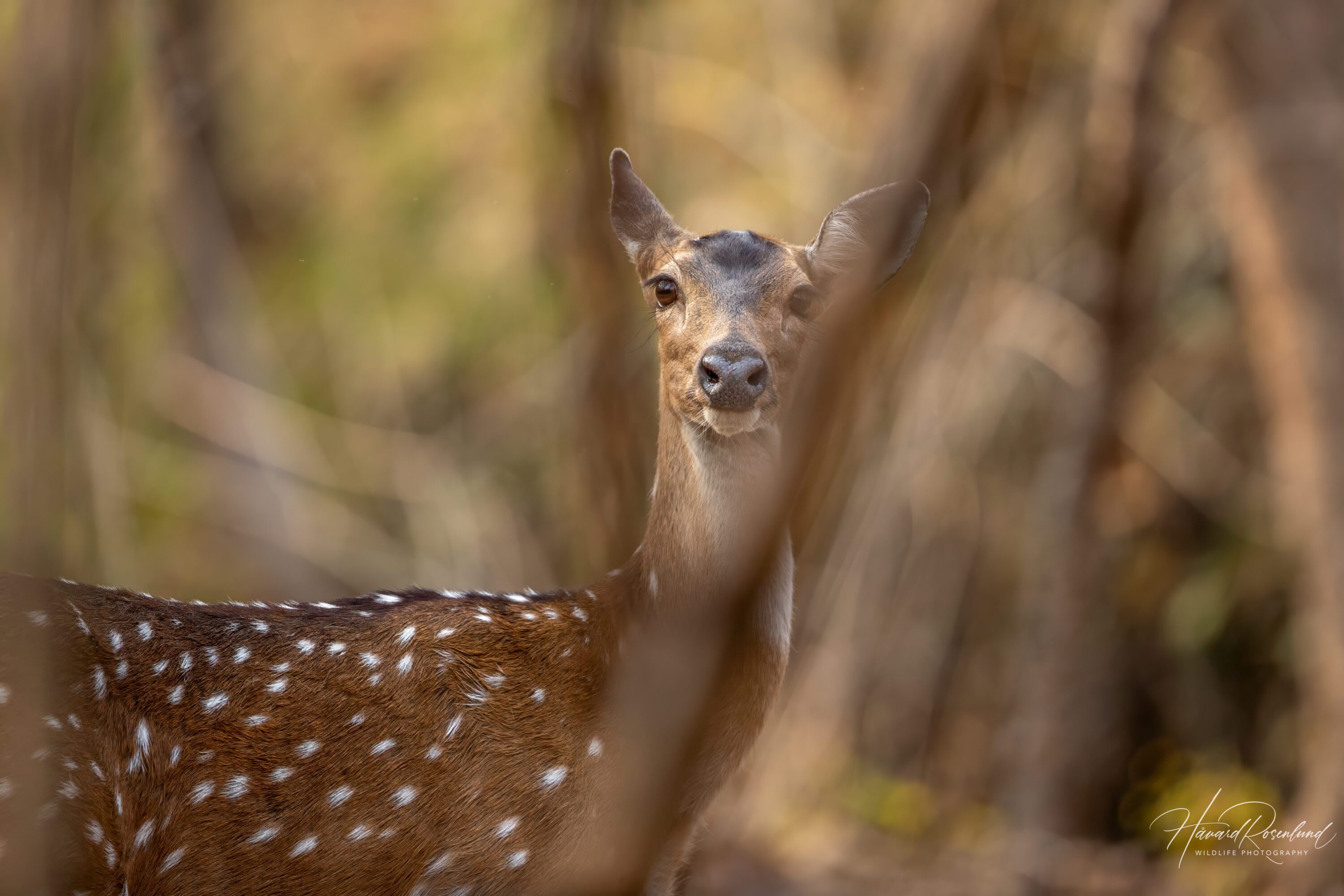
Chital Formed Larger Herds in Grasslands and During the Monsoon
A year of observations in Kuno National Park, India, found that chital herds were largest during the monsoon…
Read story →SPECIES IN THIS STORY
Species in this story
Independent research and conservation news archive
Did you find this information useful?
Wildlife Vagabond is independently built and maintained. Voluntary support helps cover source verification, hosting and continued work on research and conservation news.
Support Wildlife VagabondThe news archive will remain freely available.