
How Close Do Spotted Deer and Sambar Let People Get?
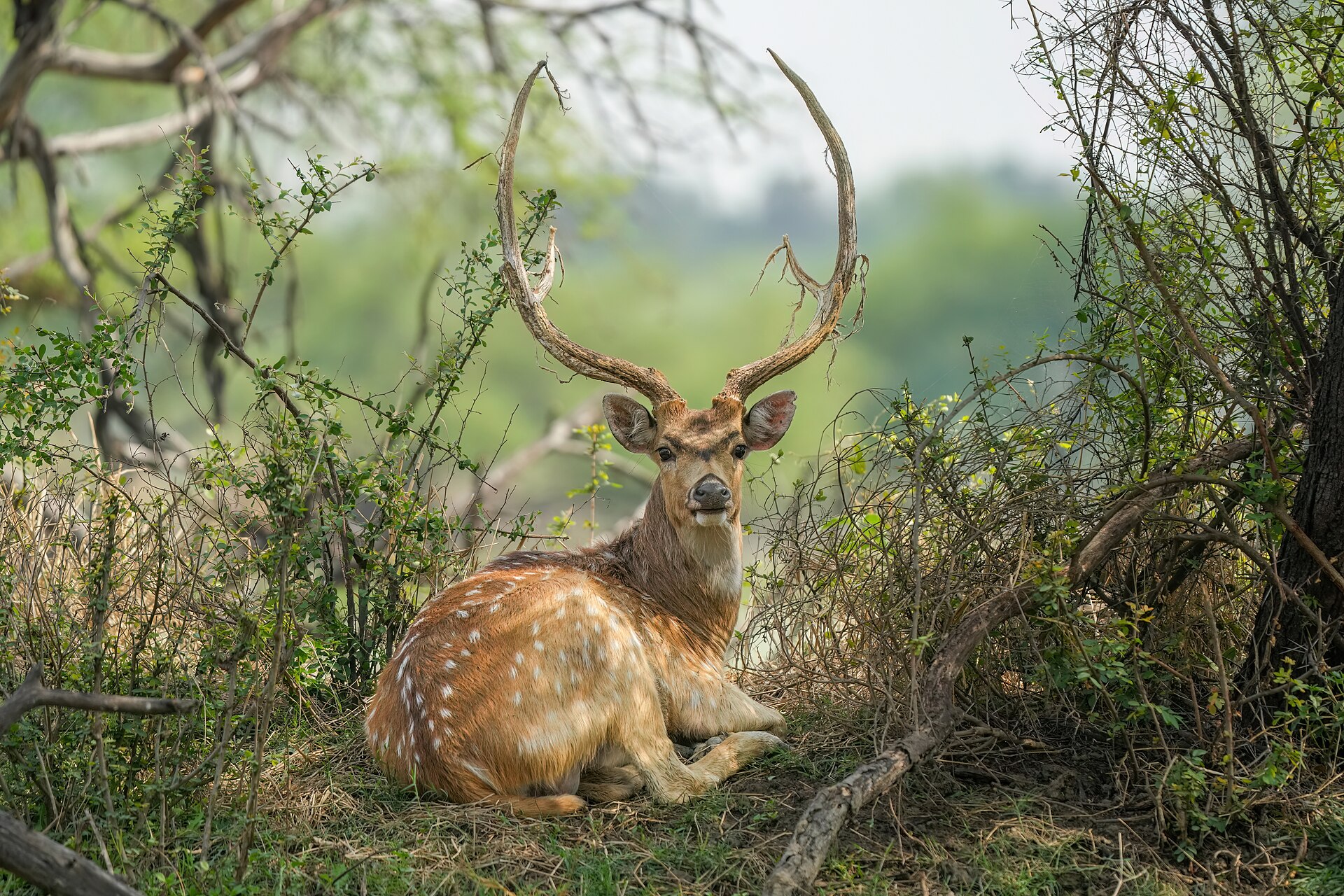
How close can a person get before a deer moves away? Researchers measured this flight-initiation distance—the distance at which an animal begins to flee—at 25 locations across Sri Lanka. They approached deer slowly on foot and recorded the distance when each animal started moving away. Because a fleeing deer brings an encounter to an end, these measurements can help guide visitors on how close to approach wildlife. Repeated disturbance can also affect deer behaviour, including their use of habitat and daily activity.
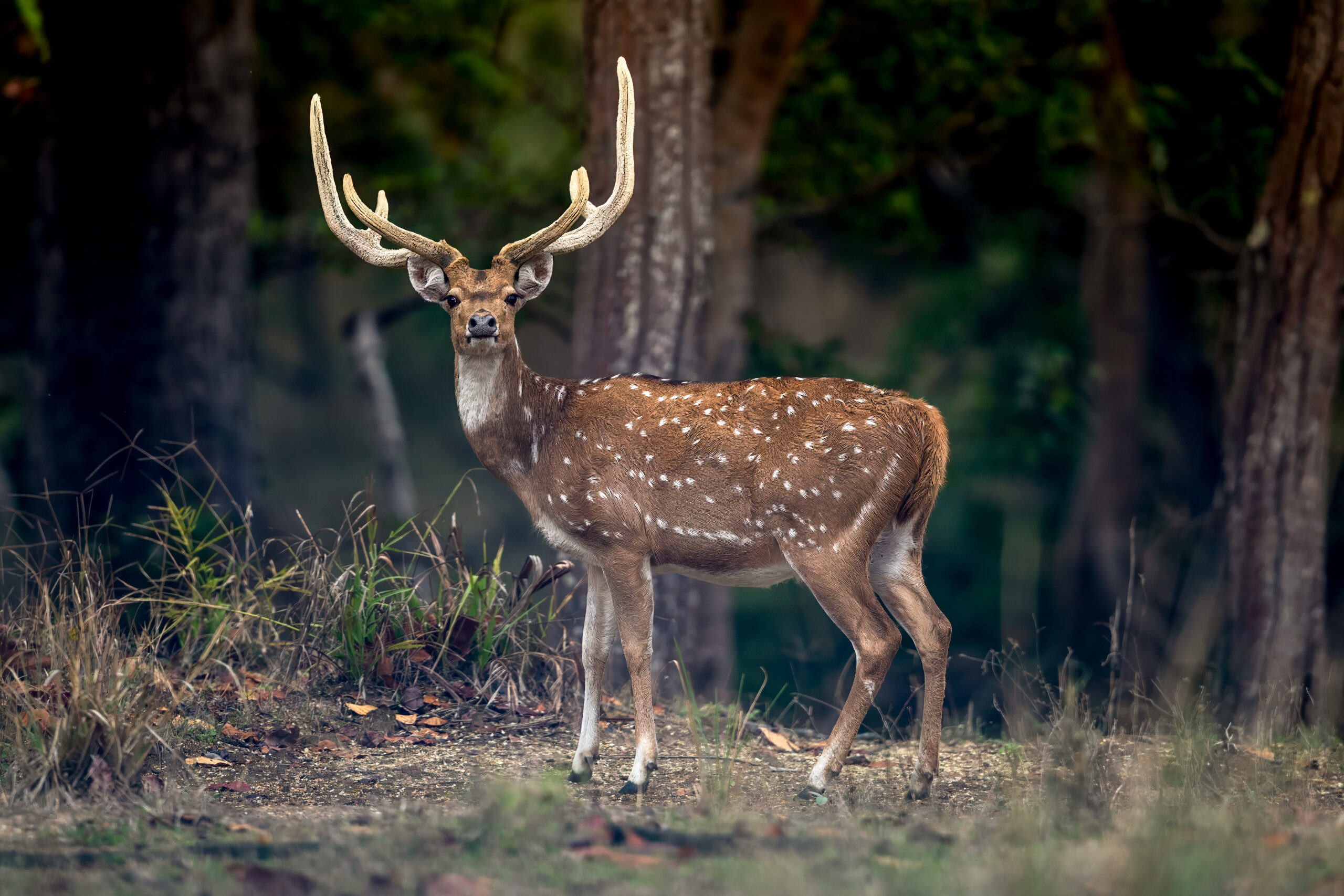
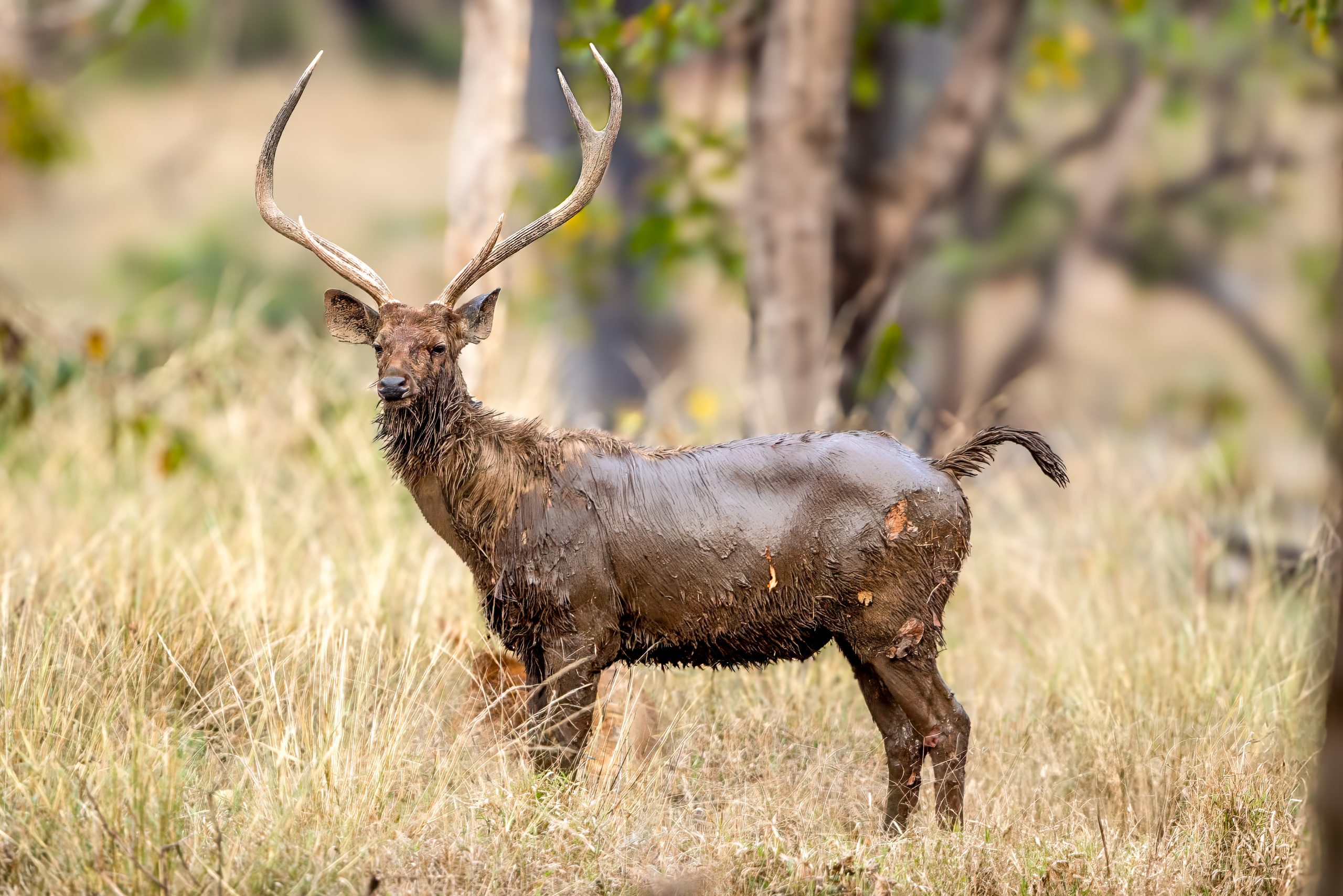
The researchers recorded 148 approaches to four species between January 2023 and October 2024. Nine observations were excluded because the deer were already alert, leaving 139 for analysis: 36 spotted deer or chital (Axis axis), 39 barking deer (Muntiacus muntjak), 64 sambar (Rusa unicolor) and nine hog deer (Axis porcinus). The researchers used a quiet, slow approach and also recorded how far away the person was when each approach began. That starting distance matters because a deer first encountered from farther away may begin to flee at a greater measured distance.
Average flight-initiation distance was greatest for spotted deer, at 23.7 metres. The averages were 15.4 metres for barking deer, 12.1 metres for sambar and 10.4 metres for hog deer. These averages do not establish a firm ranking of all four species: the only statistically supported pairwise difference was that hog deer fled at a shorter distance than sambar. The distances were not simply greater in the larger deer, either.
Landscape patterns differed between spotted deer and sambar
For spotted deer, the estimated flight distance was longer in wilderness areas—about 29.5 metres—than in rural areas (20.2 metres) or urban settings (18.4 metres). In this study, “wilderness” was a land-use category for continuous areas of established vegetation that buffered the site from human-modified land—not necessarily pristine or uninhabited wilderness. The category included different habitats, such as forests and grasslands. For sambar, the supported contrast was between wilderness, where the estimate was about 13.4 metres, and urban settings, where it was 7.9 metres. There was too little rural sampling to make a comparable rural-versus-other-settings assessment for sambar.
The authors suggest that deer in wilderness areas may encounter people less often and be less habituated to them. Predator presence and habitat conditions may also differ between wilderness and more human-modified settings. These are possible explanations for the pattern, not factors the study tested directly.
The researchers also examined sambar at Horton Plains National Park, where tourist buildings and paths concentrate human activity within a natural area. There, flight-initiation distance tended to increase with distance from the nearest building, up to roughly 300 metres, before the pattern began to level off. The authors suggest that food given to deer by tourists, or people keeping predators away, could help explain why some sambar near buildings fled at shorter distances. They also note that the observations cannot distinguish a group of particularly human-tolerant sambar from individuals that adjust their responses to how close people are.
For barking deer, flight distance increased roughly in step with the distance from which a person began the approach. For spotted deer and sambar, it also increased as the person started farther away, but began to level off at longer starting distances—around 50 metres for spotted deer and 40 metres for sambar. The authors suggest this could reflect a change in how deer assess risk or distance, though the study did not establish the mechanism.
Proposed distances are starting points for tourism guidance
For possible use in on-foot wildlife tourism, the authors proposed minimum approach distances based on the 95th percentile of observations in wilderness settings: 31 metres for spotted deer, 64 metres for sambar, 23 metres for barking deer and 15 metres for hog deer. A 95th-percentile distance is a high-end estimate: 95% of the observed escape distances fell at or below it. For the sambar recommendation, the researchers excluded observations from Horton Plains, where responses near tourist buildings showed a different pattern. The sambar and hog deer estimates were based on especially small samples—seven and three observations, respectively—so the authors present all four distances as preliminary starting points for guidance tailored to local conditions.
The results show why a single visitor distance may not suit every deer or setting. Spotted deer and sambar showed different landscape patterns, while sambar at Horton Plains tended to flee farther from people as distance from tourist buildings increased. Understanding such differences can help managers set and test approach distances that reduce disturbance while allowing people to observe wildlife.
Behaviour
Related news
Human Activity and Large Wildlife Overlapped Most in Chitwan’s Buffer Zone
Camera traps across Chitwan National Park and surrounding forests showed the greatest overlap of human activity with large…
Read story →
How Deer and Gaur Share Kanha’s Food Supply
In India’s Kanha National Park, Sambar and Gaur ate much the same food in winter but found it…
Read story →
Tigers kept a stable daily activity pattern across seasons while deer shifted in Bardia
Five years of camera-trap data from Bardia National Park showed that tiger activity remained similar across seasons, while…
Read story →SPECIES IN THIS STORY
Species in this story
Independent research and conservation news archive
Did you find this information useful?
Wildlife Vagabond is independently built and maintained. Voluntary support helps cover source verification, hosting and continued work on research and conservation news.
Support Wildlife VagabondThe news archive will remain freely available.