
Introduced chital were recorded more often than native brocket deer in an Argentine reserve
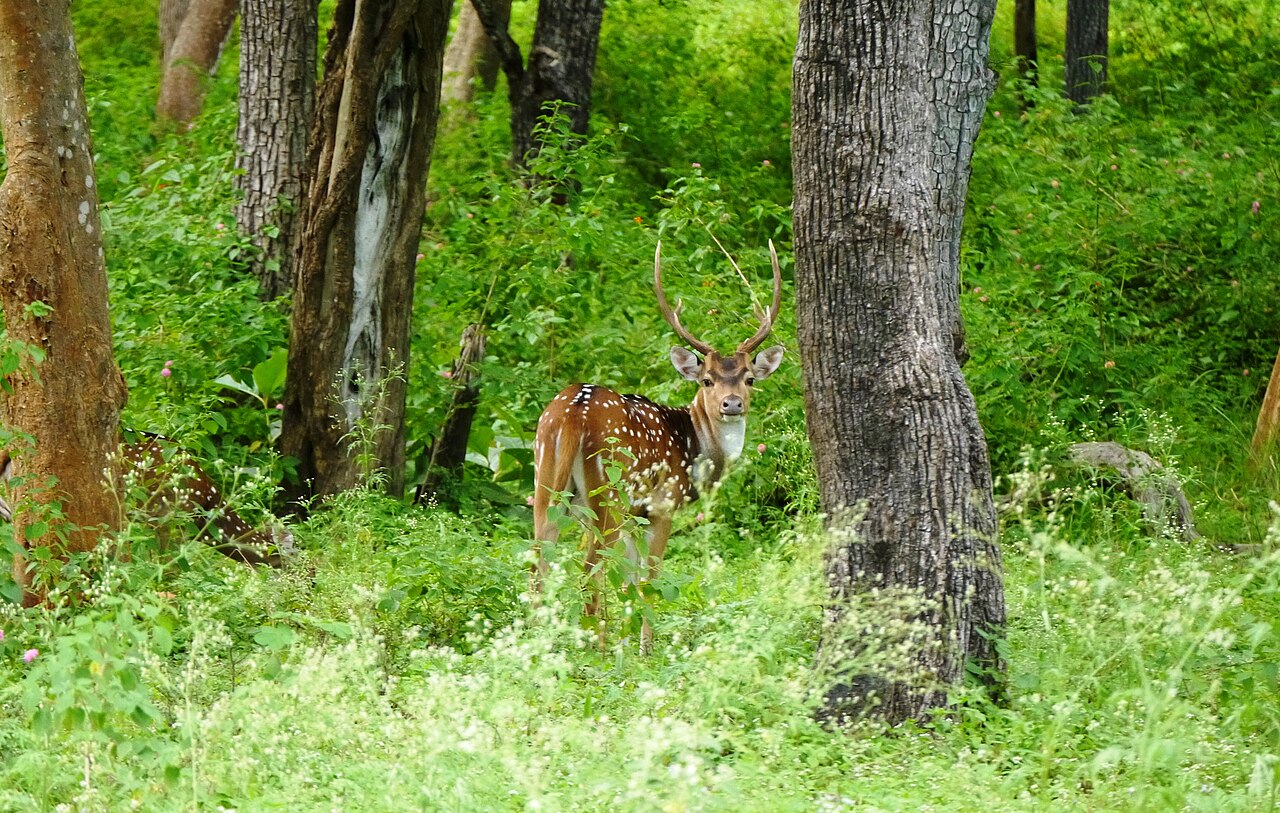
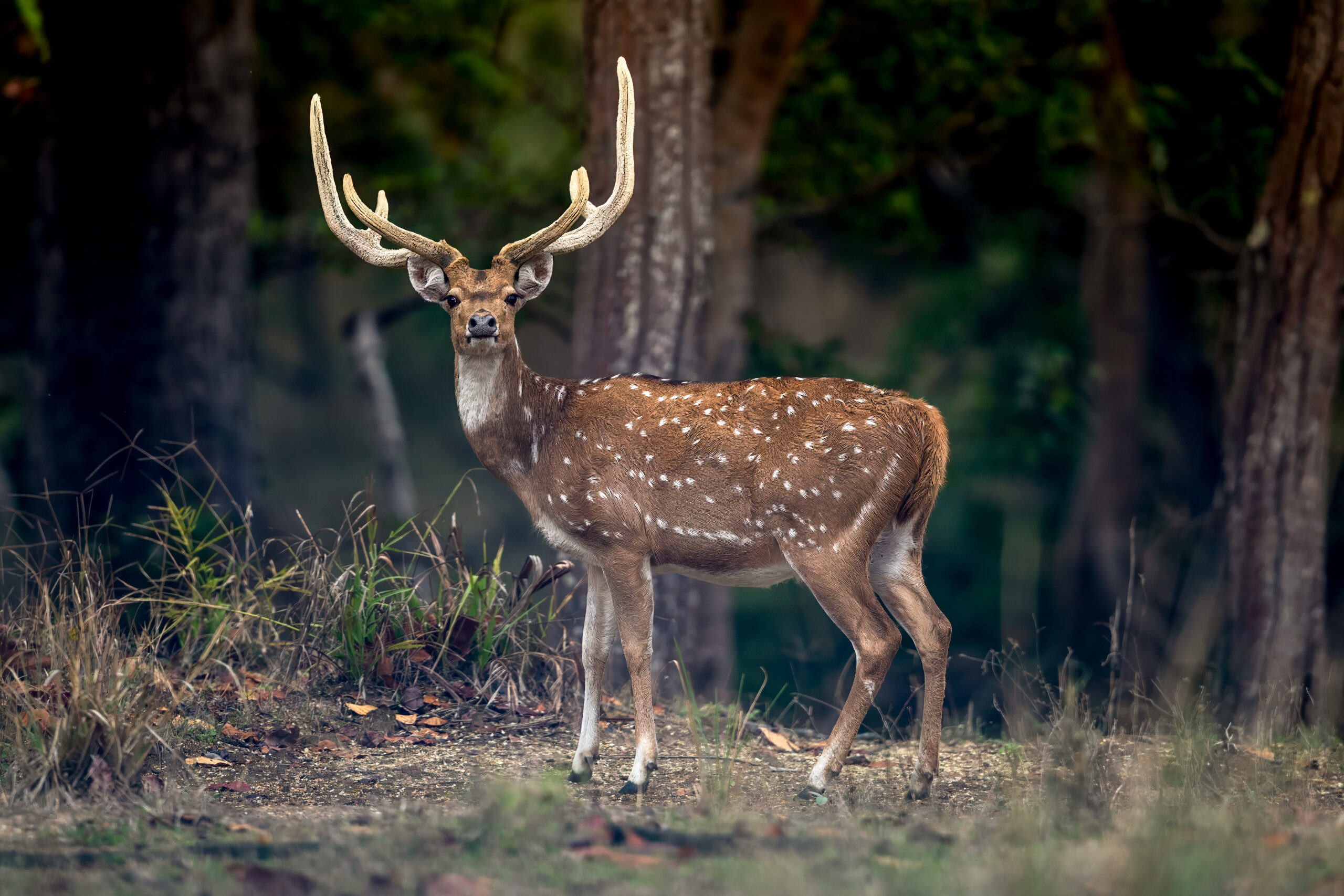
Introduced chital (Axis axis) were detected more often than native brown brocket deer (Subulo gouazoubira) in a protected area in Entre Ríos, Argentina. The species also differed in their use of two forest habitats and in when they were active.
From July 2022 to January 2024, four camera traps—two in riparian forest and two in native forest—recorded 1,868 camera-days of sampling. Photo-based indices show how often each species was detected, not a direct count of animals.
Different patterns across forest habitats
Chital had higher relative-abundance indices in both habitats, with the most records in riparian forest. Brown brocket deer were also detected more often in riparian than in native forest. Local density estimates were generally higher for chital in riparian forest; in native forest, estimates for brown brocket deer exceeded those for chital during parts of winter. These estimates describe the sampled habitats, not the entire reserve.
Different activity rhythms
Both species were active during daytime and nighttime—a pattern called cathemeral activity—but their rhythms differed. Brown brocket deer activity was concentrated mainly around dawn and dusk, while chital activity was more flexible and extended across more of the day-night cycle. Activity overlapped substantially overall. In riparian forest, overlap was especially high in spring (Δ=0.89); in native forest it fell to its lowest level in winter (Δ=0.48).
The findings show that an introduced deer can be detected more often than a native one even where both use the same habitats and share activity times. Differences in habitat use may be consistent with early competition or displacement, as the researchers suggest, but the camera-trap comparisons do not show that chital caused them.
Ecology
Related news
How Close Do Spotted Deer and Sambar Let People Get?
Across 25 locations in Sri Lanka, researchers measured how far away four deer species began to flee from…
Read story →
Chital form their largest groups in Kanha’s grasslands
In Kanha National Park, chital groups were largest in grasslands, where chital were also most abundant. Researchers found…
Read story →
Chital Formed Larger Herds in Grasslands and During the Monsoon
A year of observations in Kuno National Park, India, found that chital herds were largest during the monsoon…
Read story →SPECIES IN THIS STORY
Species in this story
Independent research and conservation news archive
Did you find this information useful?
Wildlife Vagabond is independently built and maintained. Voluntary support helps cover source verification, hosting and continued work on research and conservation news.
Support Wildlife VagabondThe news archive will remain freely available.