
Coiled Grass Snake Models Had Higher Estimated Daily Survival on a Gravel Road
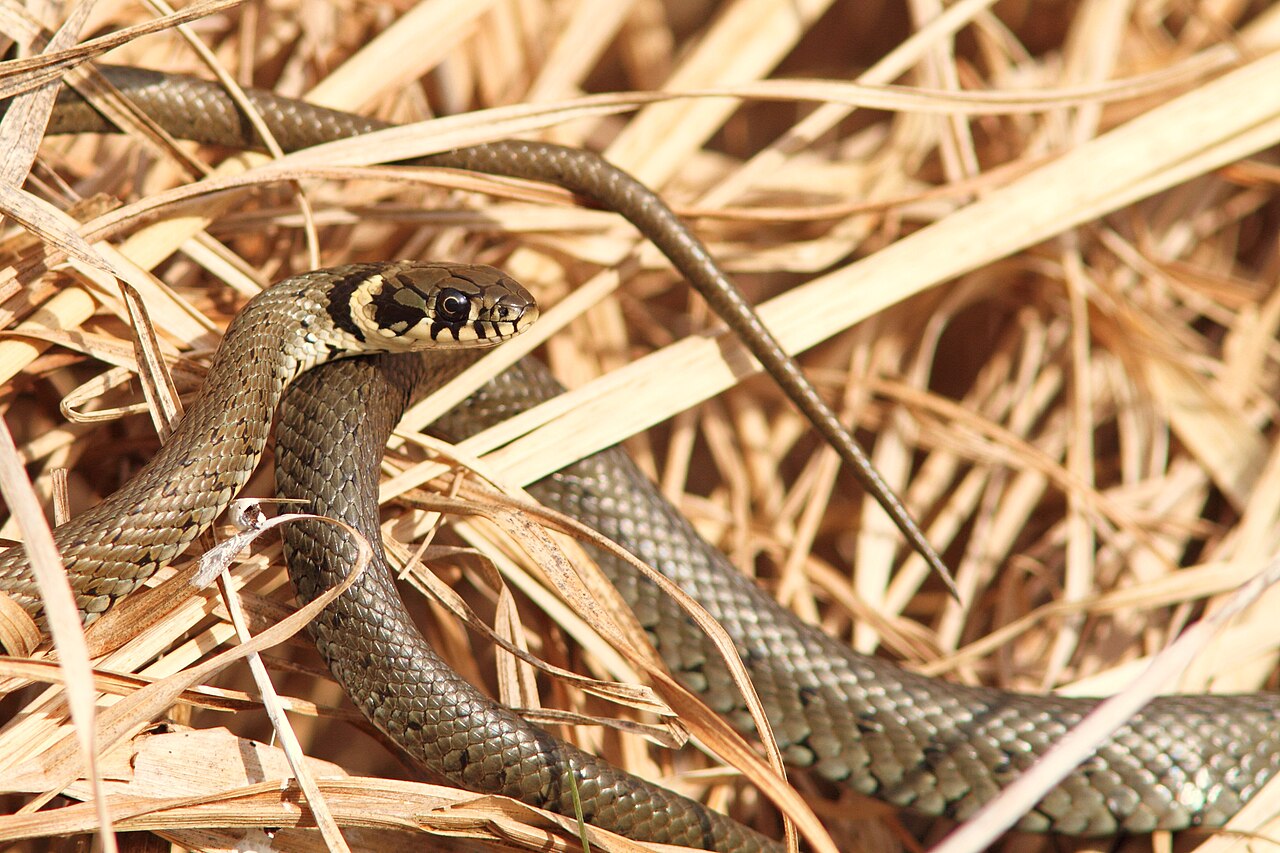
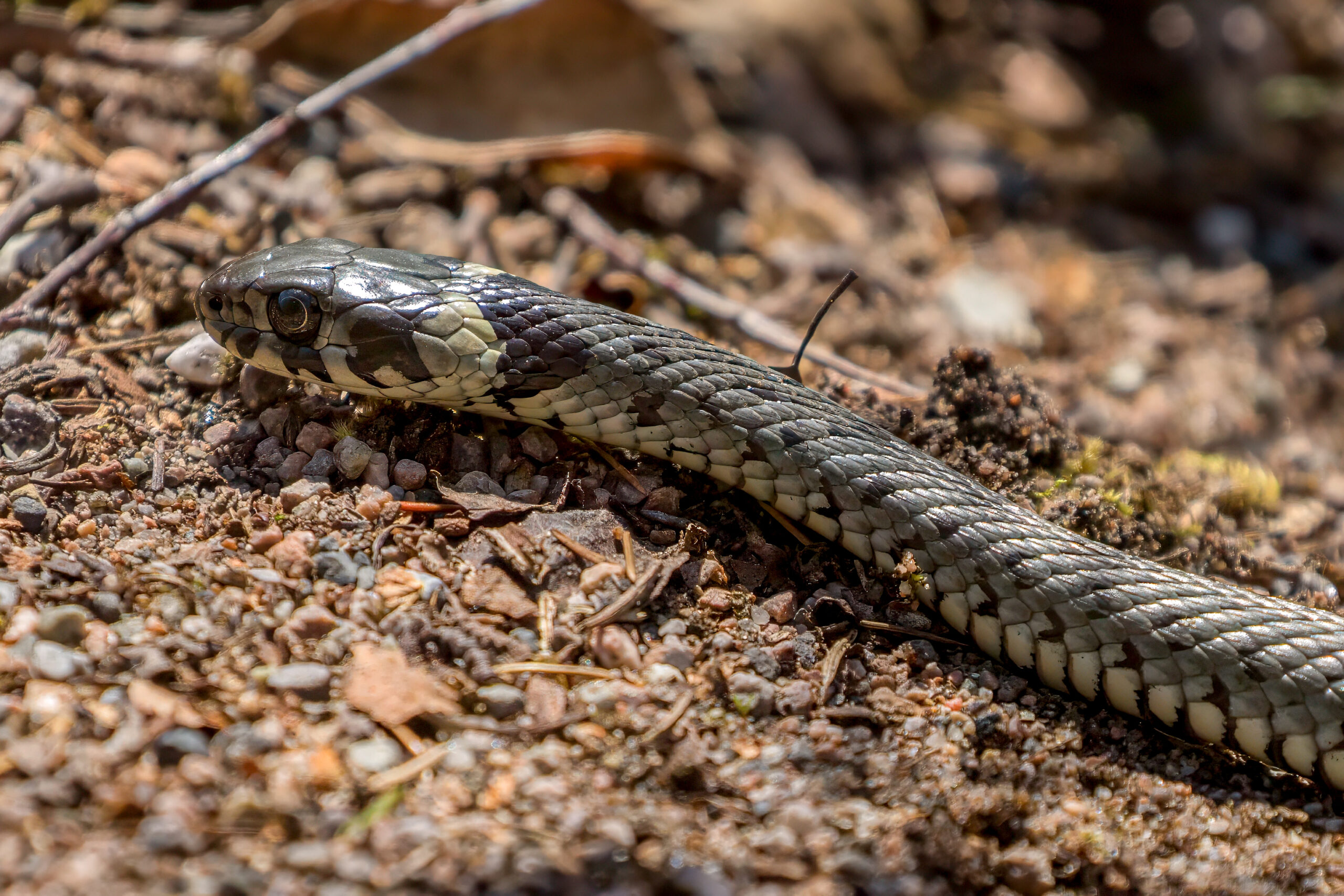
Coiled plasticine models of grass snakes (Natrix natrix) had higher estimated daily survival than uncoiled models on a gravel road in a field experiment at Kis-Balaton in Hungary. The study, published on 19 August 2026, tested whether body posture changed how often visually hunting predators attacked stationary snake models.
The researchers placed 240 models in four postures along a gravel road and an abandoned railway. Predators damaged 21 models, or 8.8% of the total. Birds accounted for 16 of the attacks and mammals for five. Across the experiment as a whole, however, the analysis did not show a clear difference in attack frequency among the four model types or simply between coiled and uncoiled models.
The clearest difference appeared on the gravel road. There, the coiled models representing basking or death-feigning postures had an estimated daily survival of 99.9%, compared with 99.1% for the uncoiled postures. Here, estimated daily survival is the modelled probability that a plasticine model remained unattacked from one day to the next; it is not a measured survival probability for living snakes. The same advantage was not found on the abandoned railway, showing that any benefit of posture depended on the conditions in which the models were placed.
The authors stress that plasticine models cannot reproduce movement, smell, body temperature or the full sequence of death-feigning behaviour shown by a living snake. The experiment therefore does not demonstrate how effective death feigning is in real grass snakes. Instead, it isolates how predators responded to static body posture and colour pattern, suggesting that a coiled posture may reduce attack risk under some conditions.
Behaviour
Related news
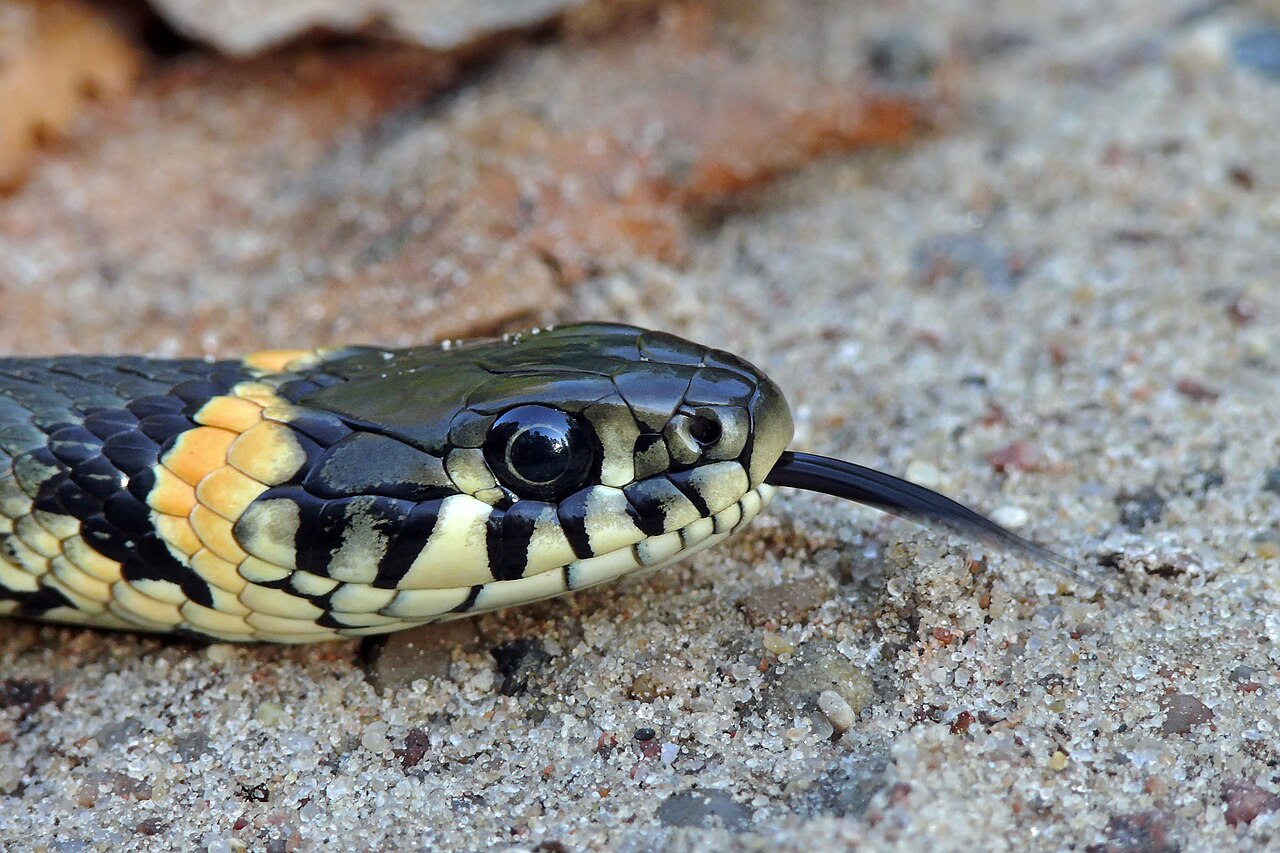
Introduced Grass Snake Ancestry Has Mixed Into Native Berlin Populations
Genetic analyses of Berlin grass snakes found introduced Natrix natrix moreotica ancestry mixed into the native subspecies, while…
Read story →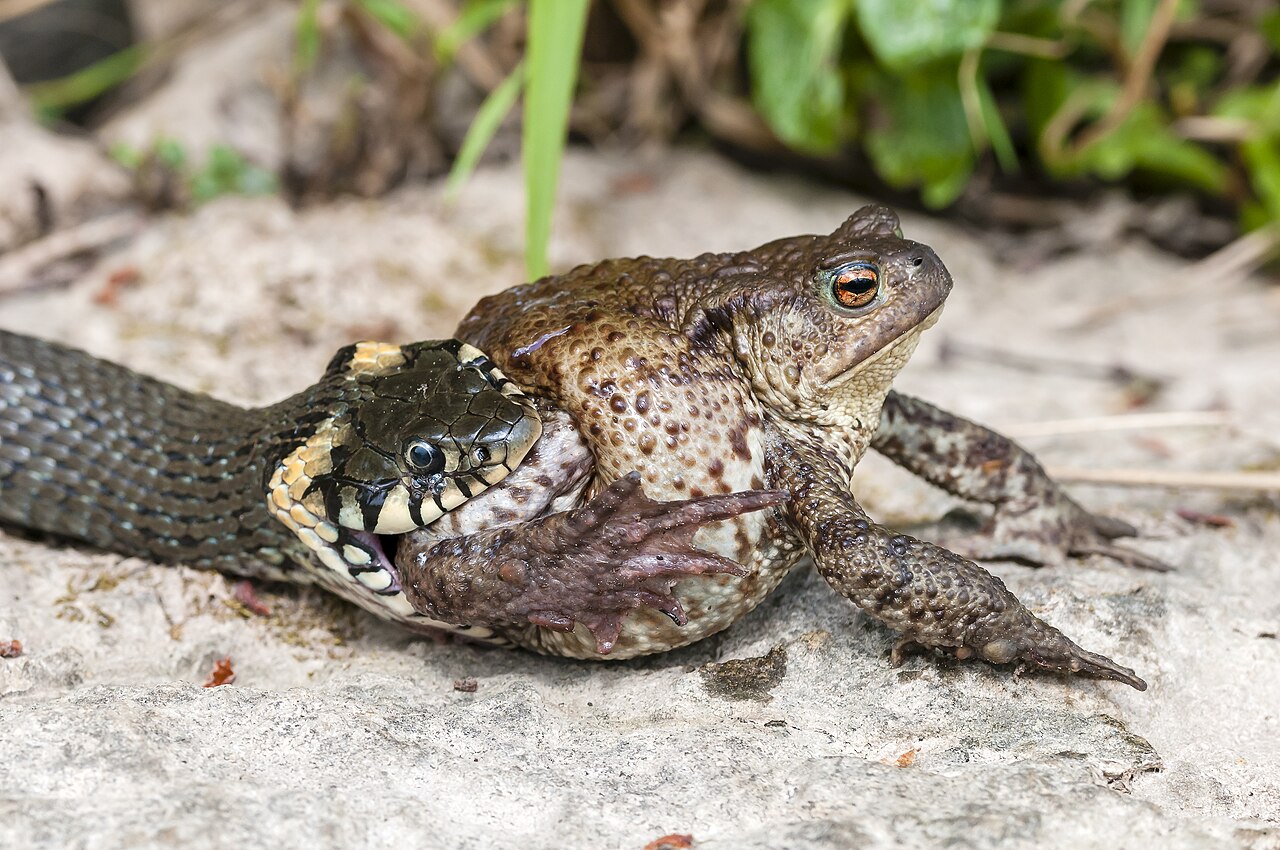
Larger Grass Snakes Took Larger Prey, While Fish Were Proportionally Larger Than Frogs
Among 39 grass snakes from a historical Plovdiv dataset, larger snakes contained larger prey. Frog size tracked snake…
Read story →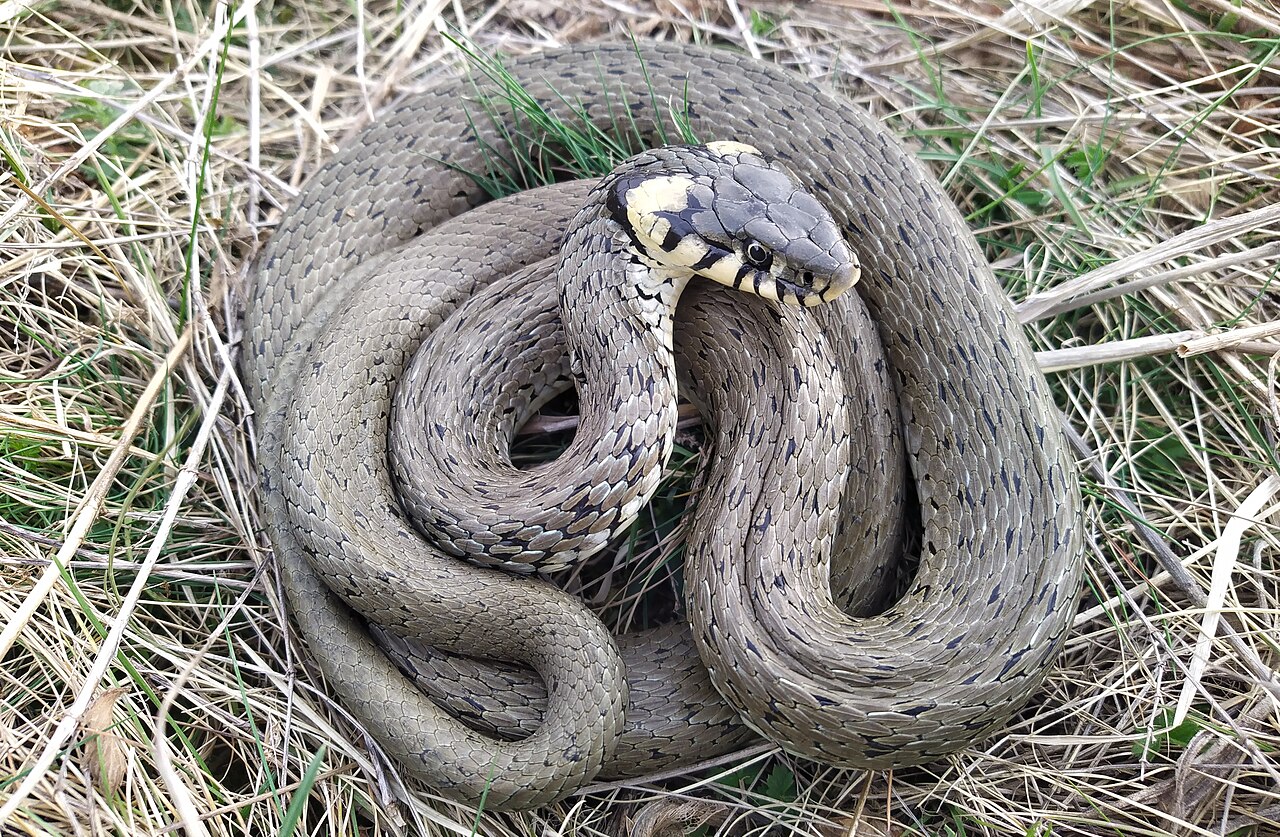
Grass Snakes in Bulgaria Were Recorded Eating at Least 11 Amphibian Species
A 2026 review and field update from Bulgaria compiled published diet records and 17 new observations, showing grass…
Read story →SPECIES IN THIS STORY
Species in this story
Independent research and conservation news archive
Did you find this information useful?
Wildlife Vagabond is independently built and maintained. Voluntary support helps cover source verification, hosting and continued work on research and conservation news.
Support Wildlife VagabondThe news archive will remain freely available.