
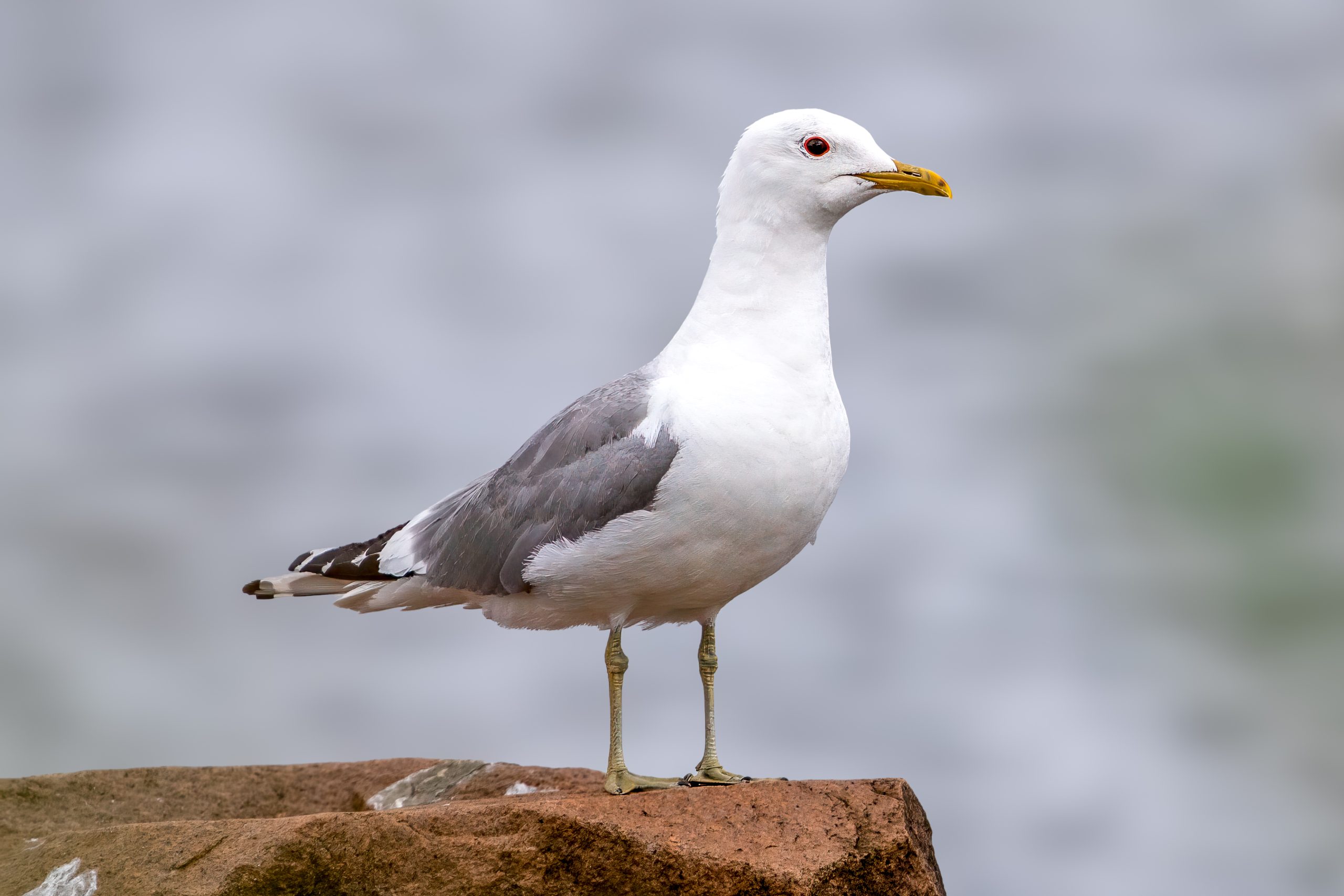
Common Gull chicks had shorter head–bill lengths after their parents ate fish from a polluted habitat
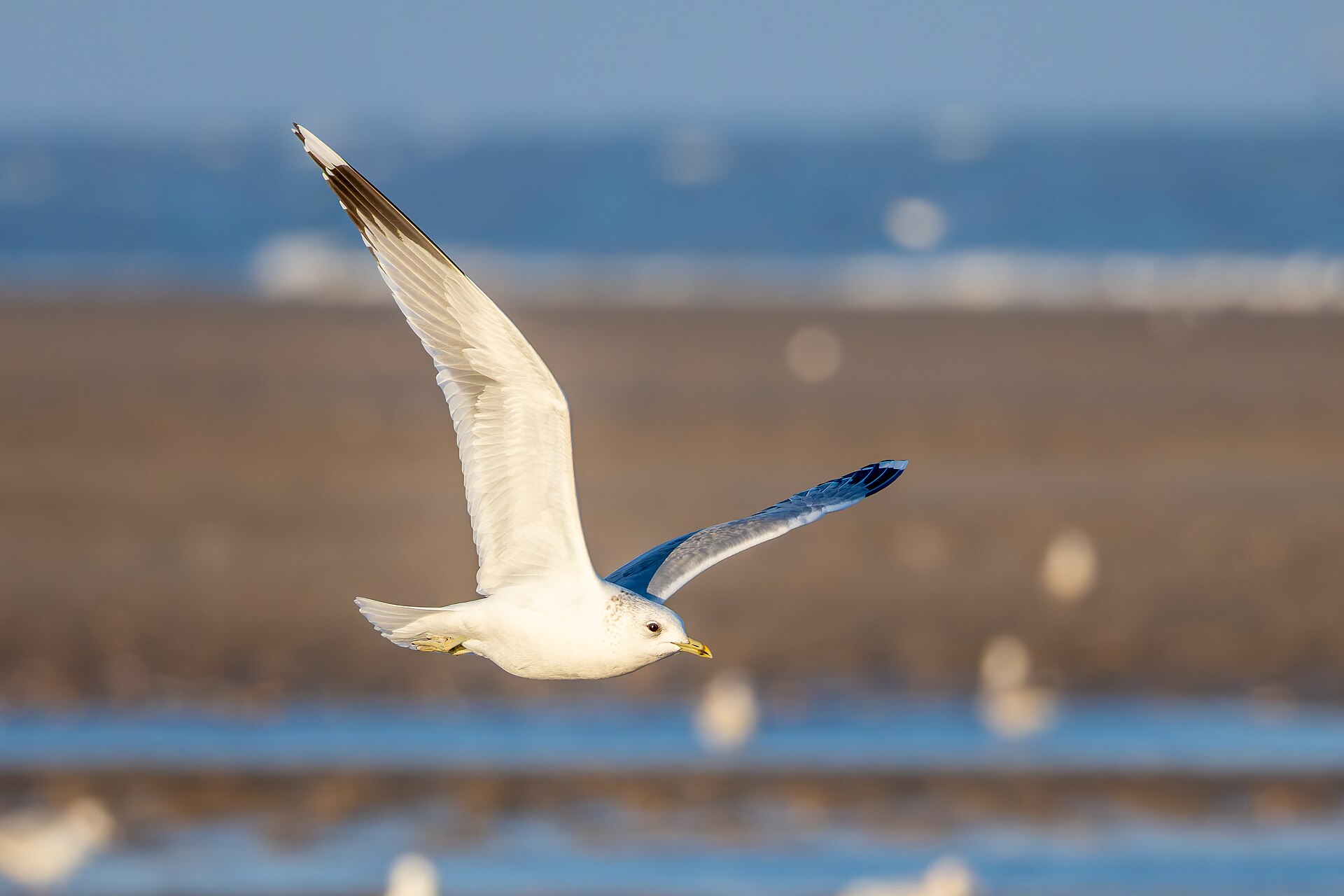
What a parent eats while forming eggs may affect how its chicks develop. In a feeding experiment, breeding Common Gulls (Larus canus) received fish from either a polluted or a clean habitat during egg laying. The polluted-habitat fish—common dabs (Limanda limanda)—contained more non-essential trace elements and less energy than the clean-habitat common roach (Rutilus rutilus).
Chicks whose parents received the polluted-habitat fish hatched with shorter head–bill lengths and tended to weigh less. They also had lower baseline levels of corticosterone, a hormone involved in birds’ energy regulation and responses to challenges. The relationship between chick growth and corticosterone also differed between the two groups.
The diets differed in more than pollution
The experiment links the parental diet during egg formation with differences in offspring development. But it compared two fish species from different habitats, and the fish differed in both trace-element content and energy. The results therefore show an effect associated with the combined dietary treatment; they cannot identify whether contamination, lower energy, fish species or a combination of these explains the chick differences.
The study provides experimental evidence that a change in parents’ food can be associated with effects in the next generation. That matters because conditions during early development can have lasting consequences for an animal’s fitness.
Ecology
Related news
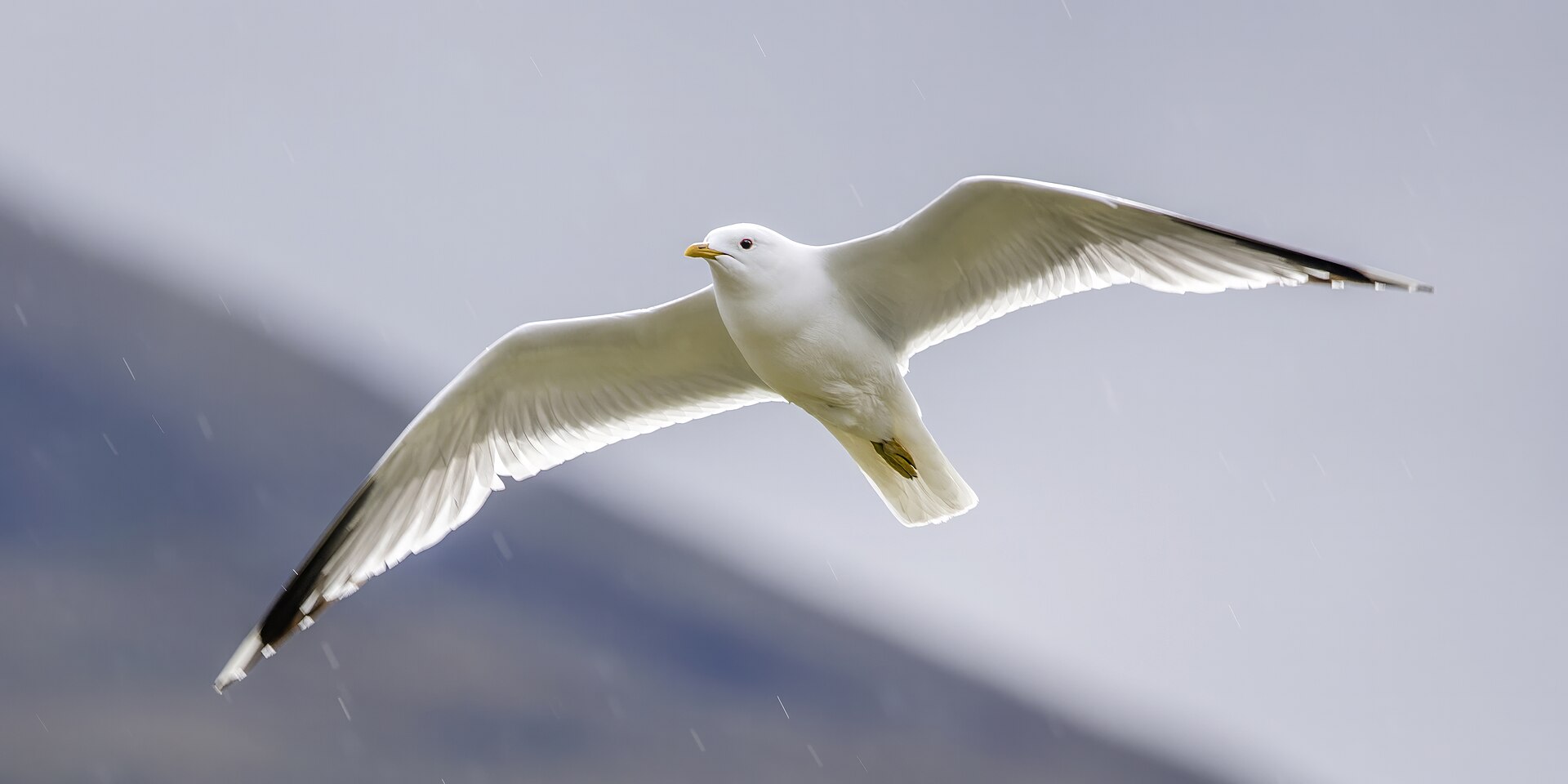
Norwegian Surveillance Found HPAI H5N5 and H5Nx in Common Gulls and Other Influenza A in Lesser Black-backed Gulls
Three common gulls had HPAI H5N5 and one had HPAI H5Nx, while active surveillance separately detected non-H5 influenza…
Read story →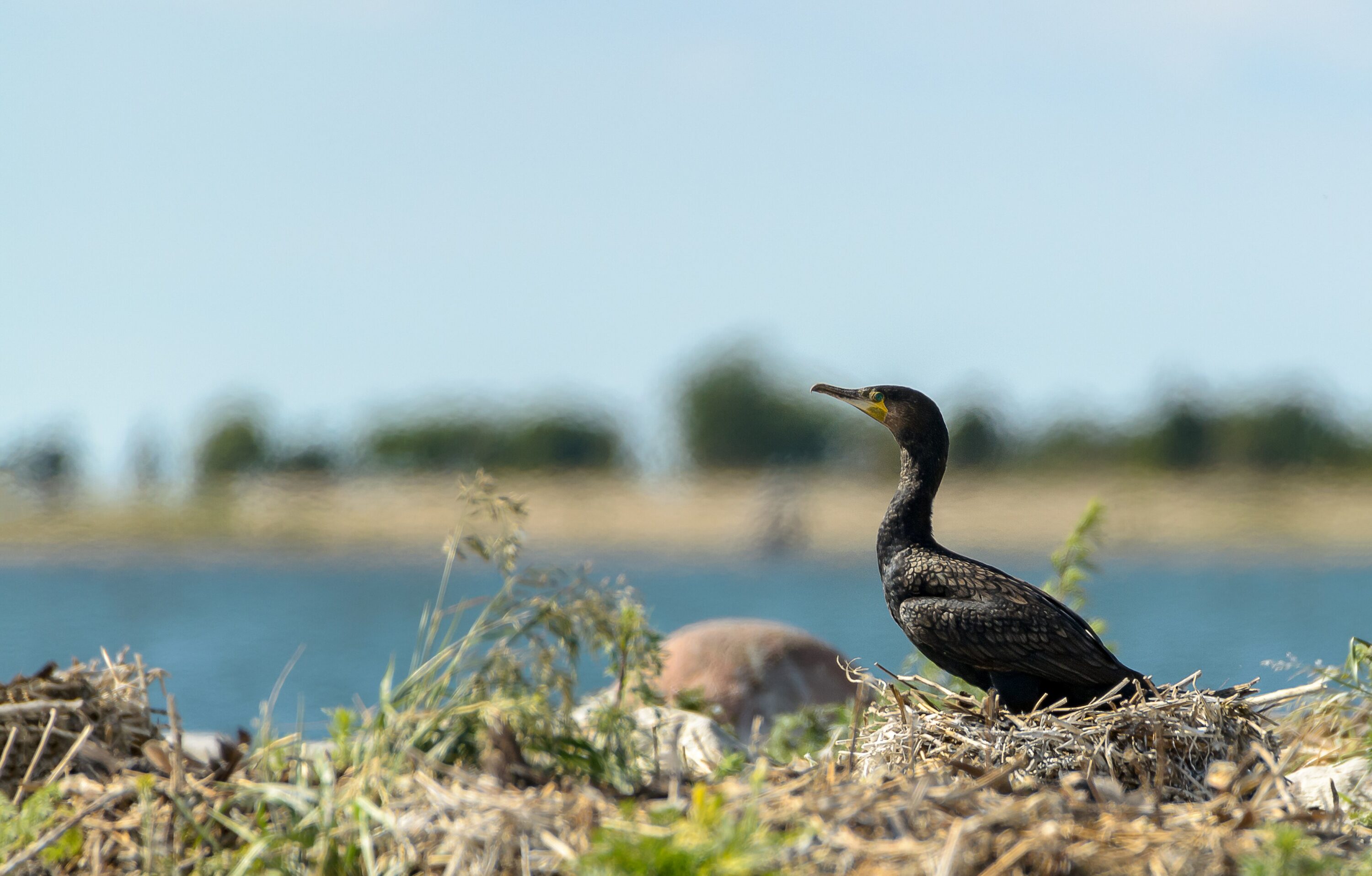
Bird Diversity Fell After Cormorant Colonies Became Established on Baltic Islands
Annual monitoring from 261 Estonian Baltic islands showed that breeding-bird diversity declined after great cormorant colonies became established…
Read story →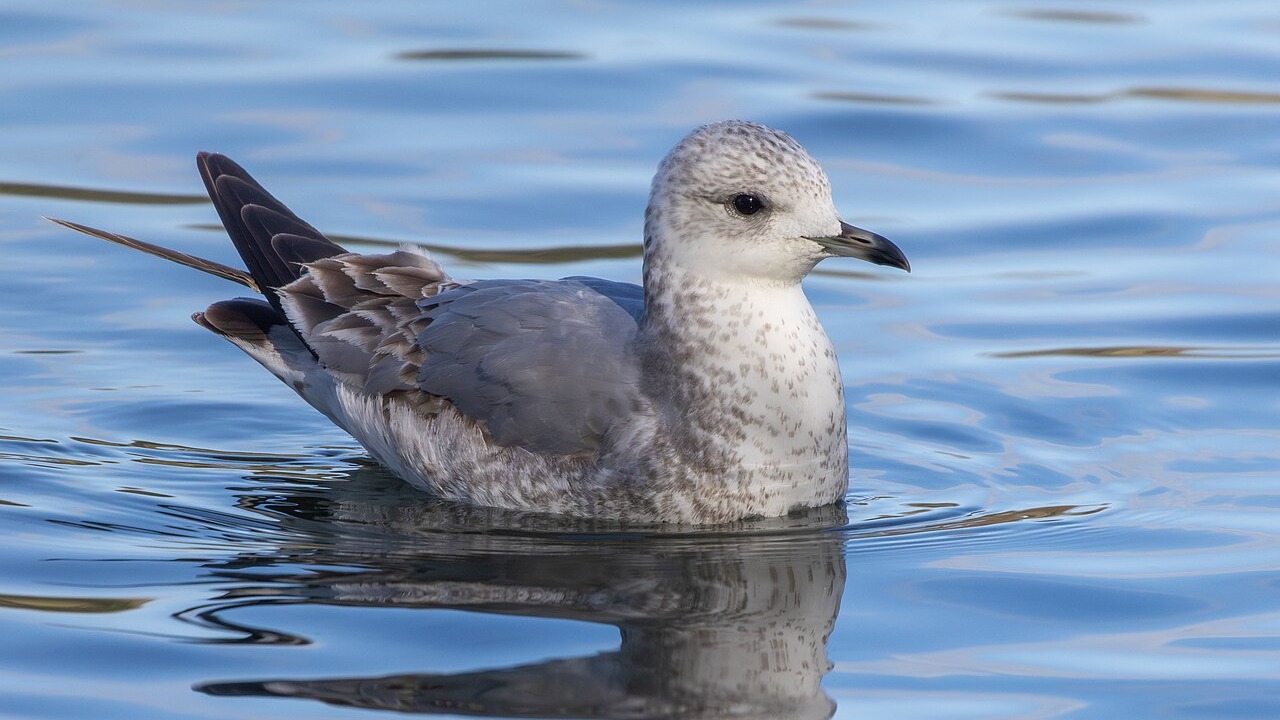
Britain’s Wintering Common Gull Estimate Fell About 26% in Two Decades
The 2023/24–2024/25 Winter Gull Survey estimated about 520,000 common gulls in Great Britain, 25.9% below the previous full…
Read story →SPECIES IN THIS STORY
Species in this story
Independent research and conservation news archive
Did you find this information useful?
Wildlife Vagabond is independently built and maintained. Voluntary support helps cover source verification, hosting and continued work on research and conservation news.
Support Wildlife VagabondThe news archive will remain freely available.