
Norwegian Surveillance Found HPAI H5N5 and H5Nx in Common Gulls and Other Influenza A in Lesser Black-backed Gulls
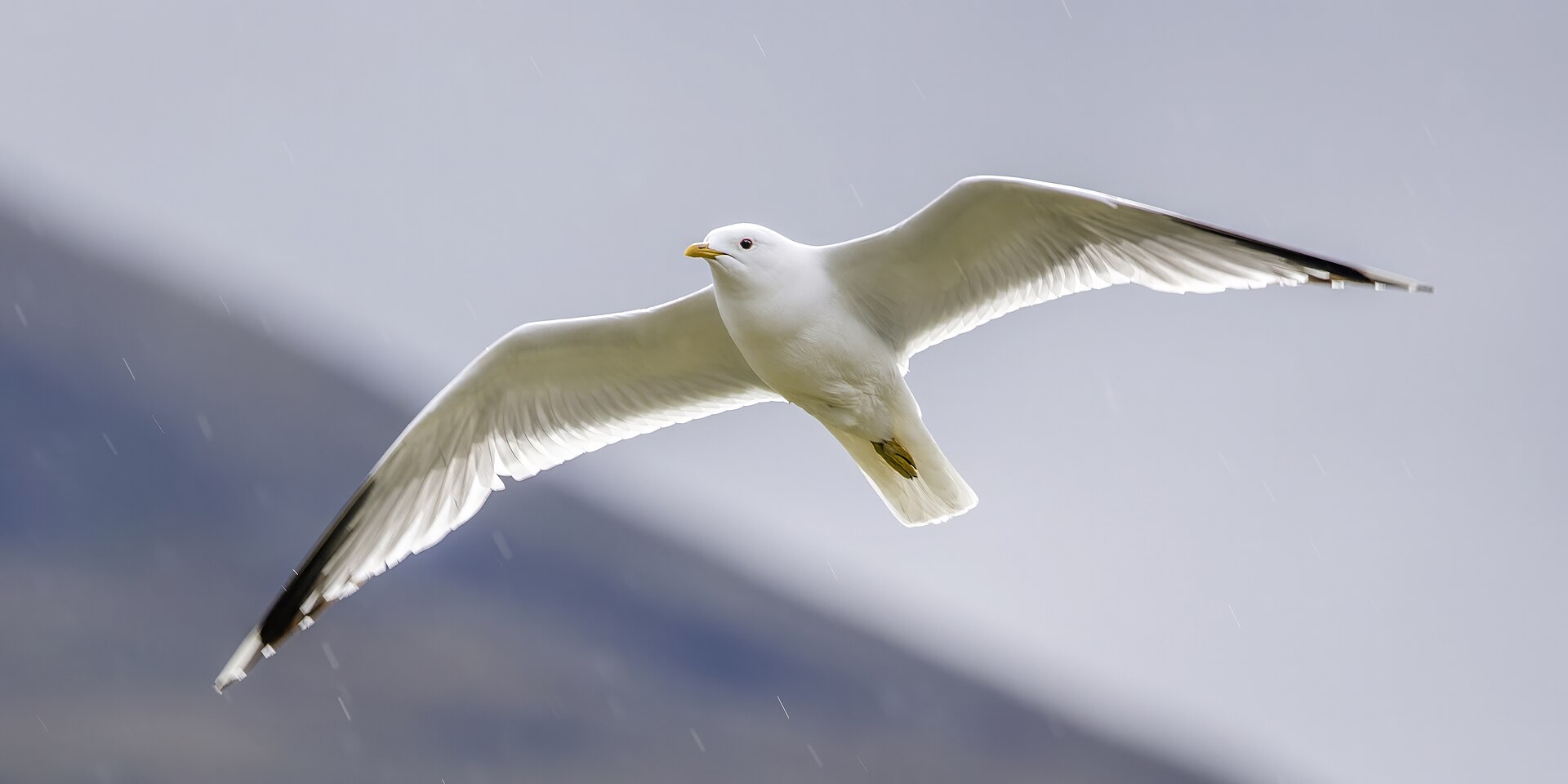
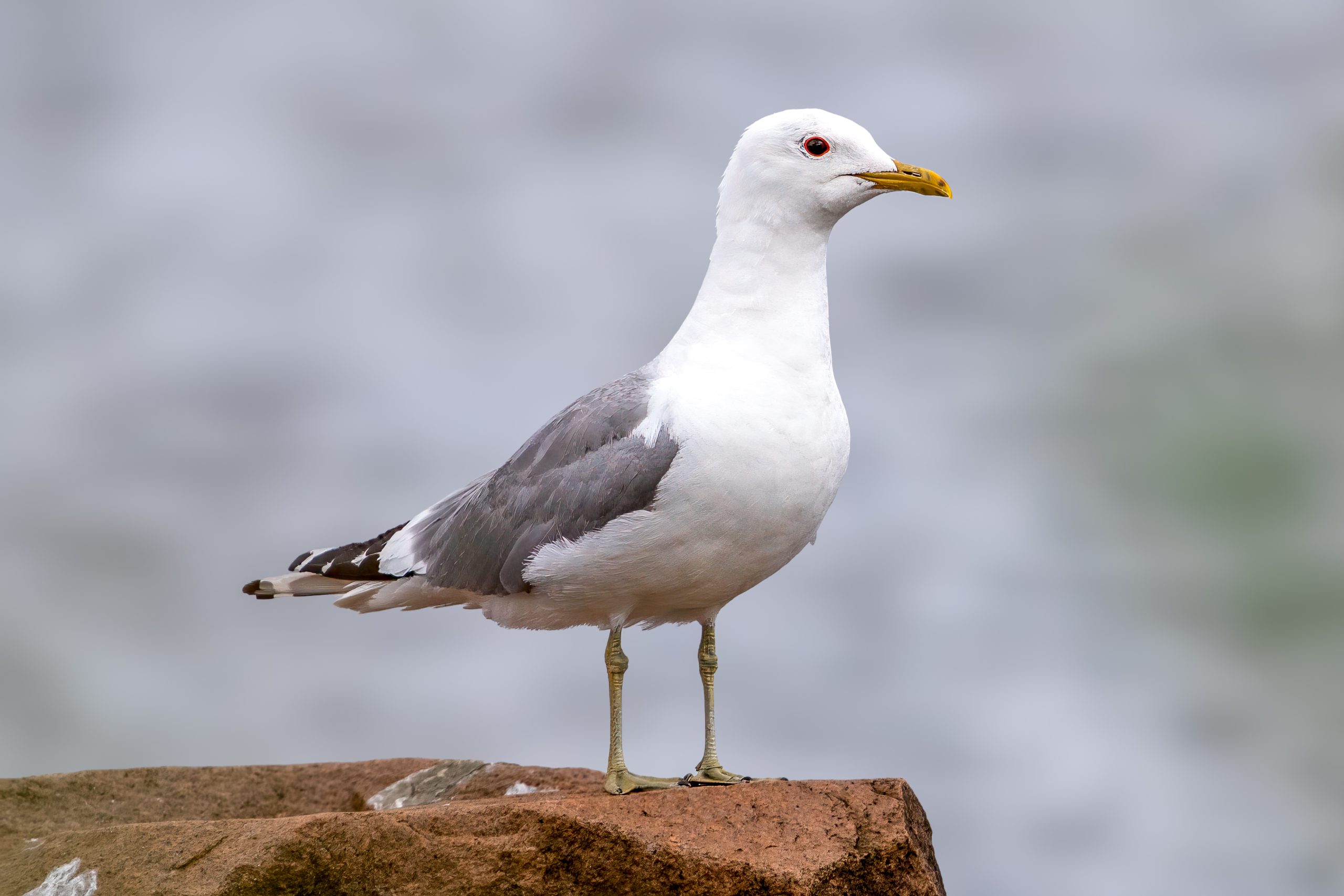
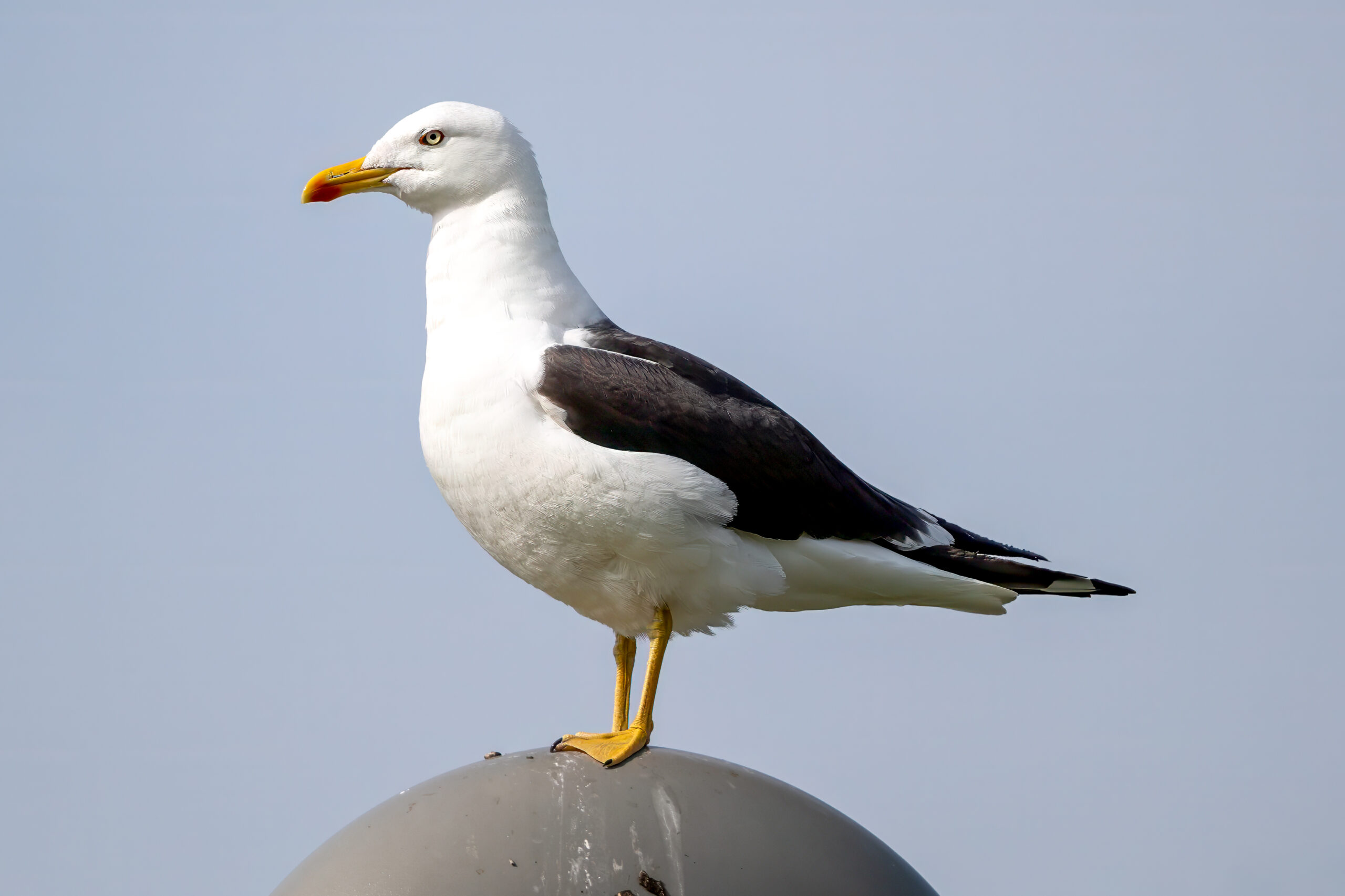
Norway’s 2025 avian-influenza surveillance found different virus patterns in two common gull species. Four common gulls (Larus canus) were confirmed with highly pathogenic avian influenza (HPAI): three with H5N5 and one with H5Nx. H5Nx means that highly pathogenic H5 was confirmed but the neuraminidase (N) subtype was not determined. In active surveillance, influenza A virus was also detected in three of 25 common gulls and five of 20 lesser black-backed gulls (Larus fuscus), but none of those active-surveillance gull samples was recorded as H5-positive.
The distinction reflects two different surveillance routes. Active surveillance used planned sampling of live or hunted wild birds, while passive surveillance focused on birds found dead or moribund. The four HPAI detections in common gulls are therefore separate from the three influenza A-positive common gulls listed in the active-surveillance table.
The sample fractions should not be read as national infection rates. Three positives among 25 common gulls and five among 20 lesser black-backed gulls describe only the birds included in active surveillance; the programme was designed to detect and characterise circulating viruses, not to estimate prevalence in the national populations.
Across all 880 wild birds examined in Norway in 2025, 161 tested positive for influenza A virus and 77 were confirmed with HPAI H5. The national report, released through the Norwegian Veterinary Institute’s surveillance page on 19 August 2026, recorded HPAI in 18 wild bird species. For common gulls and lesser black-backed gulls, the results document virus detections in the sampled birds but do not by themselves show effects on survival, breeding success or population trends.
Disease, parasites & microbiology
Related news
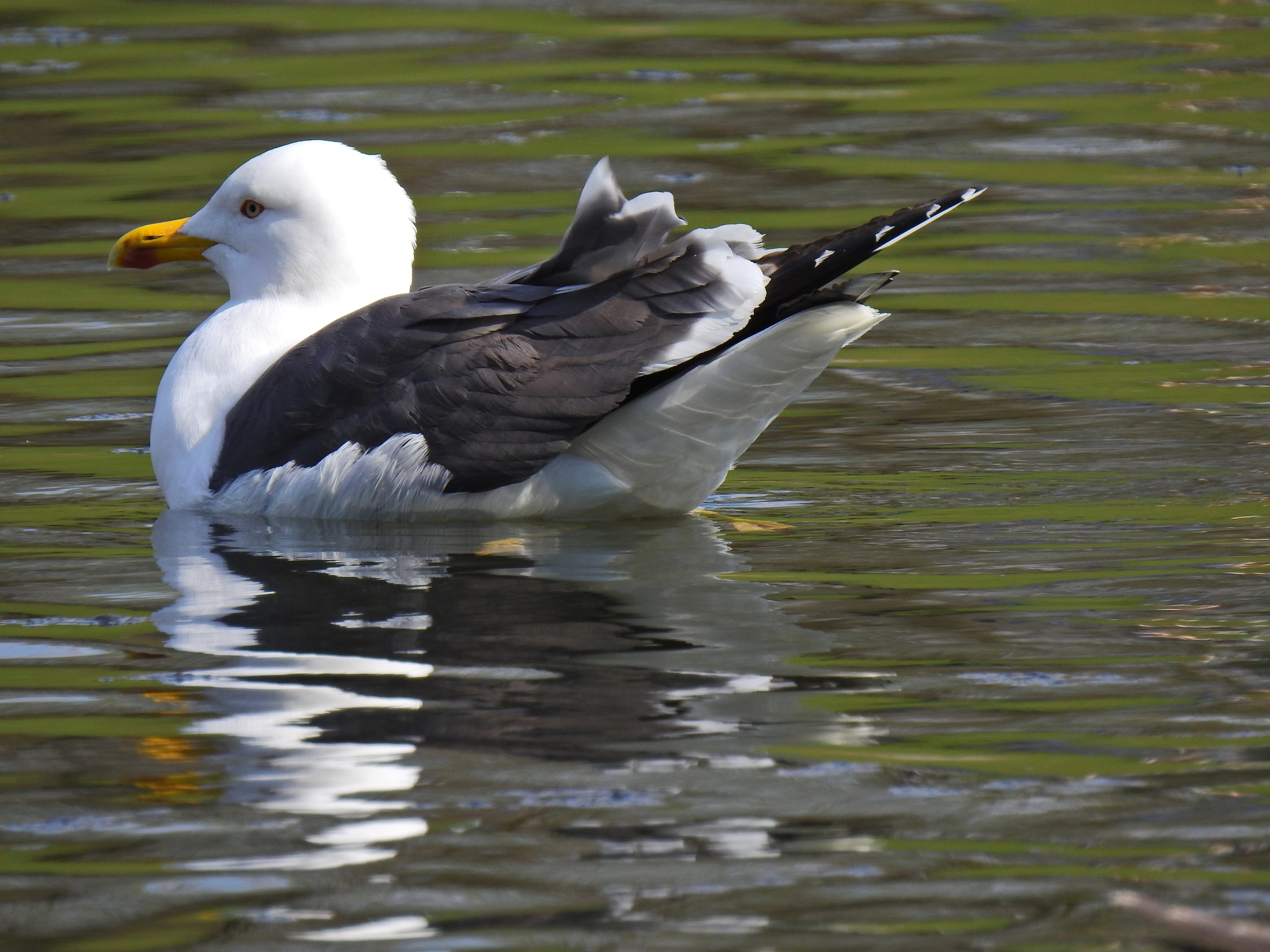
UK Seabird Monitoring Found Steep Declines While Great Black-backed Gull Trends Split Between Scotland and Wales
The 2026 UK seabird statistic reported long-term declines of 72% in natural-nesting lesser black-backed gulls, 51% in natural-nesting…
Read story →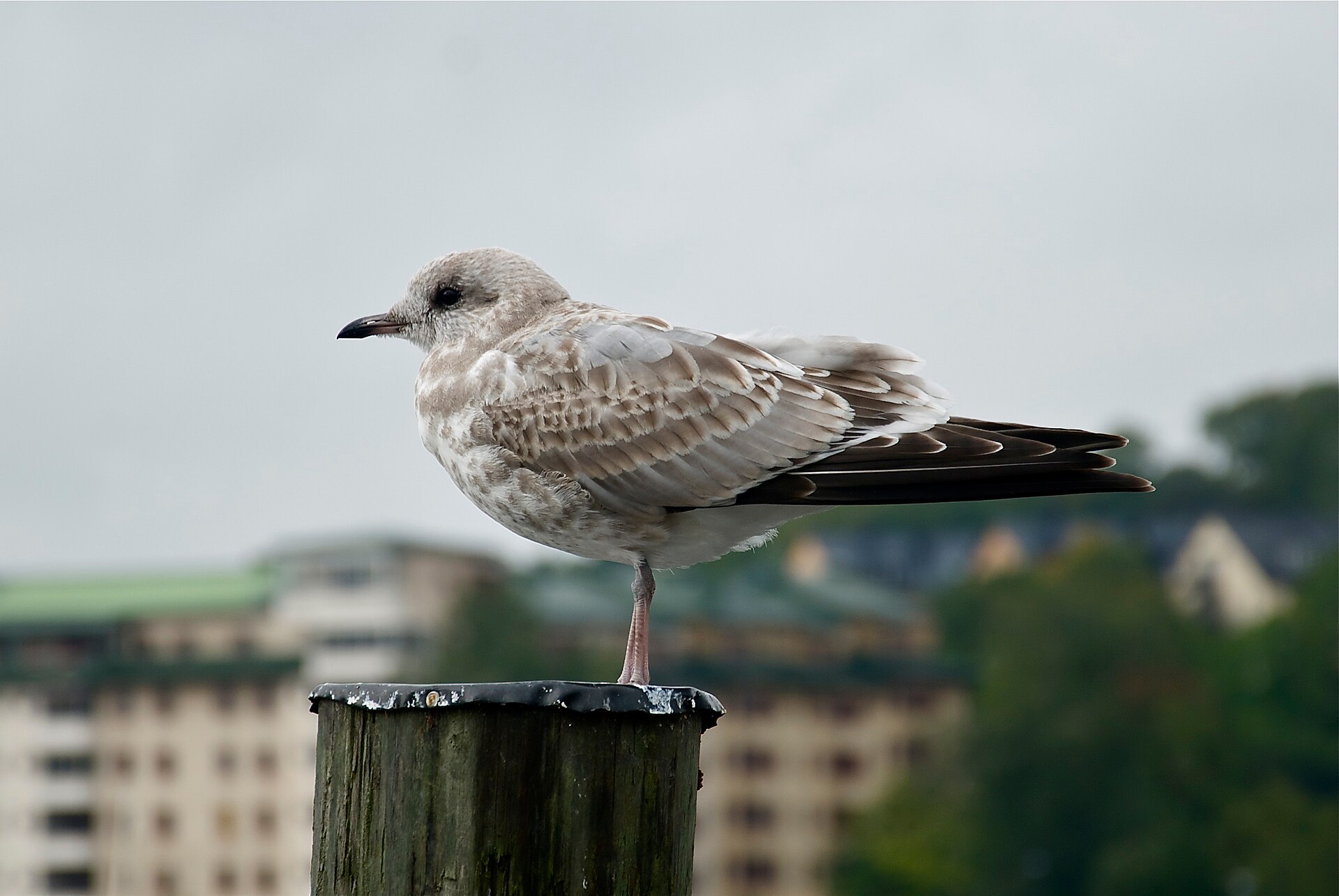
Scotland Requires Five-Year Population Reports for Five Gull Species
Scotland’s Natural Environment Act 2026 requires recurring five-year reports on coastal and urban populations of five named gull…
Read story →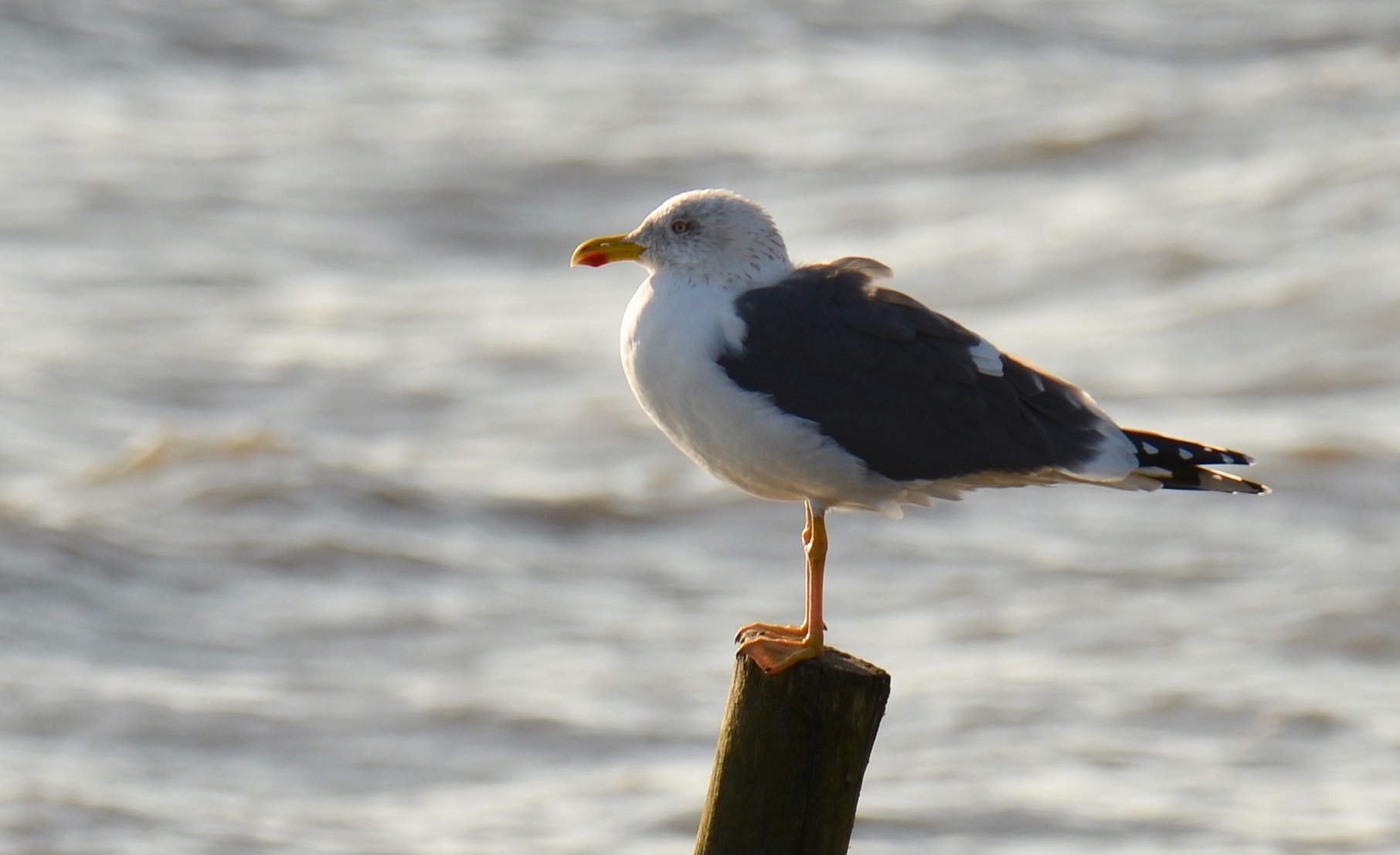
Lesser Black-backed Gulls Made Up 73% of Paresis Cases in Lisbon
A ten-year review of gull admissions from Lisbon and Setúbal found that lesser black-backed gulls dominated paresis cases,…
Read story →SPECIES IN THIS STORY
Species in this story
Independent research and conservation news archive
Did you find this information useful?
Wildlife Vagabond is independently built and maintained. Voluntary support helps cover source verification, hosting and continued work on research and conservation news.
Support Wildlife VagabondThe news archive will remain freely available.