
Common Kestrels Had More Diverse Blood Parasites Than Red-footed Falcons
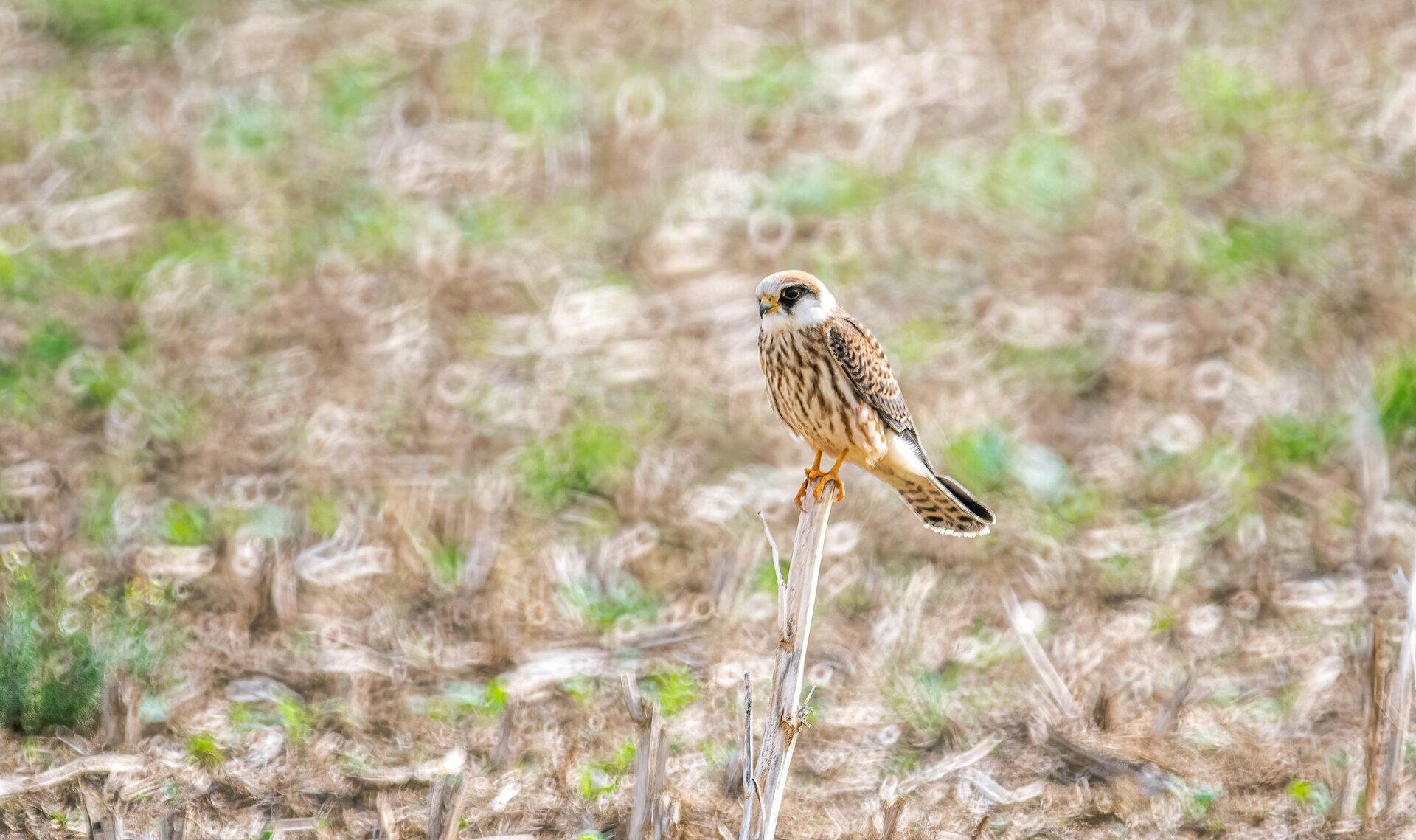
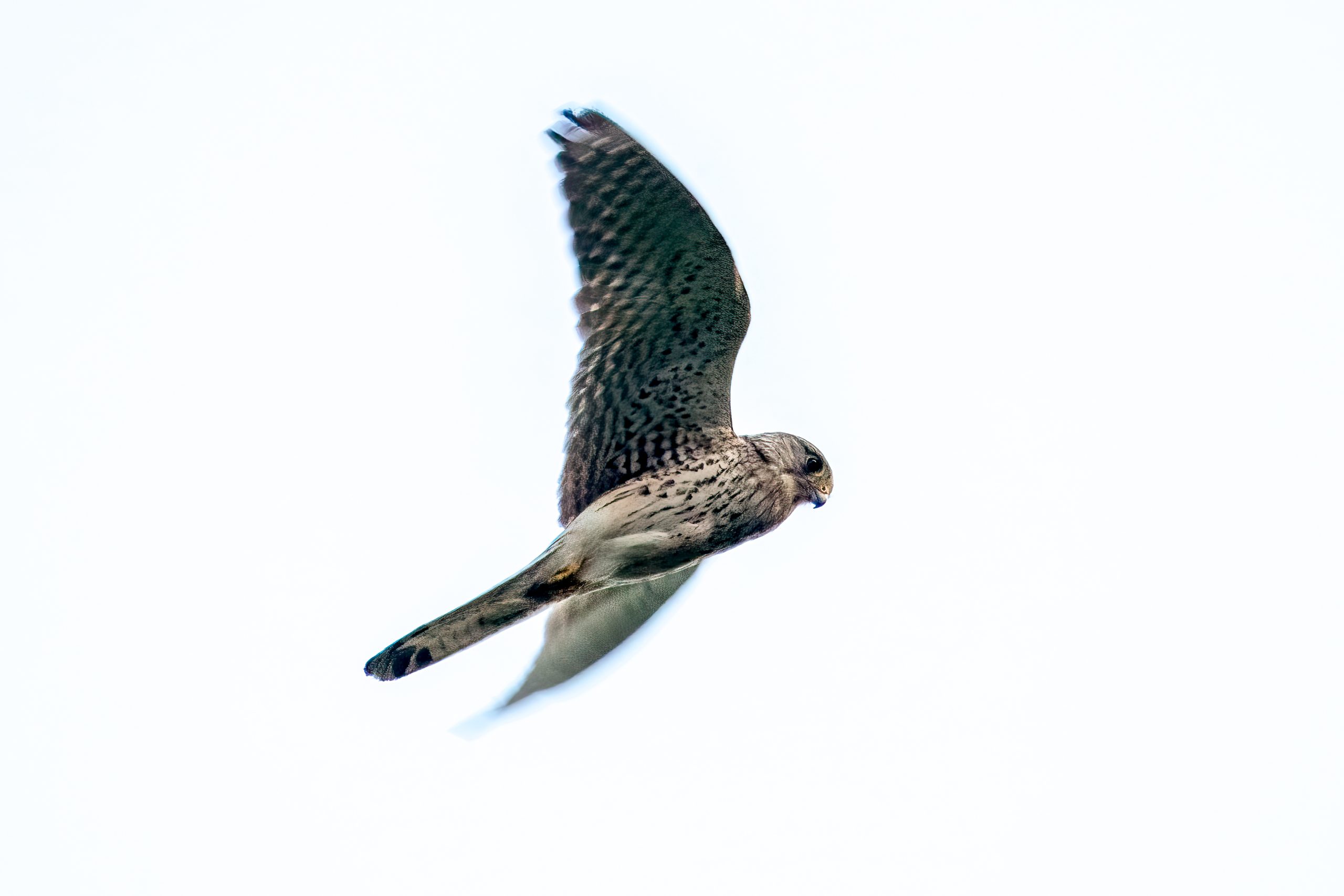
Common Kestrels (Falco tinnunculus) had a higher proportion of positive blood-parasite tests and greater parasite diversity than Red-footed Falcons (Falco vespertinus) sampled in the same region of Hungary. The difference between these two falcons is a central finding of a study that also documented blood parasites in Red-footed Falcons for the first time.
Researchers examined blood samples from 468 Common Kestrels and 139 Red-footed Falcons from breeding colonies and pre-migratory roosts. They screened for haemosporidians—blood parasites including Plasmodium and Haemoproteus—using PCR tests targeting parasite mitochondrial DNA. In Red-footed Falcons they detected two parasite lineages, or genetically distinct variants: Haemoproteus lineage FALAMU02 in birds at pre-migratory roosts and Plasmodium lineage SGS1 in one nestling. In Common Kestrels, a larger share of samples tested positive and the range of parasite lineages was substantially greater.
Different findings in roosting birds and nestlings
No Haemoproteus infections were detected in Red-footed Falcon nestlings. Instead, the detections were Haemoproteus in birds at roosts and Plasmodium in one nestling. The authors suggest that this age-associated pattern may reflect differences in how readily infections are detected, or exposure accumulating over time. The study does not distinguish between these explanations.
The comparison shows a marked difference between the two falcon species sampled in the same region, but it does not establish that migration caused it. Red-footed Falcons are long-distance migrants, whereas Common Kestrels are largely sedentary. The authors suggest that this contrast in migratory strategy may contribute to the different parasite assemblages. The newly documented infections provide a basis for investigating how host ecology, age and movement relate to blood parasites in raptors.
Ecology
Related news
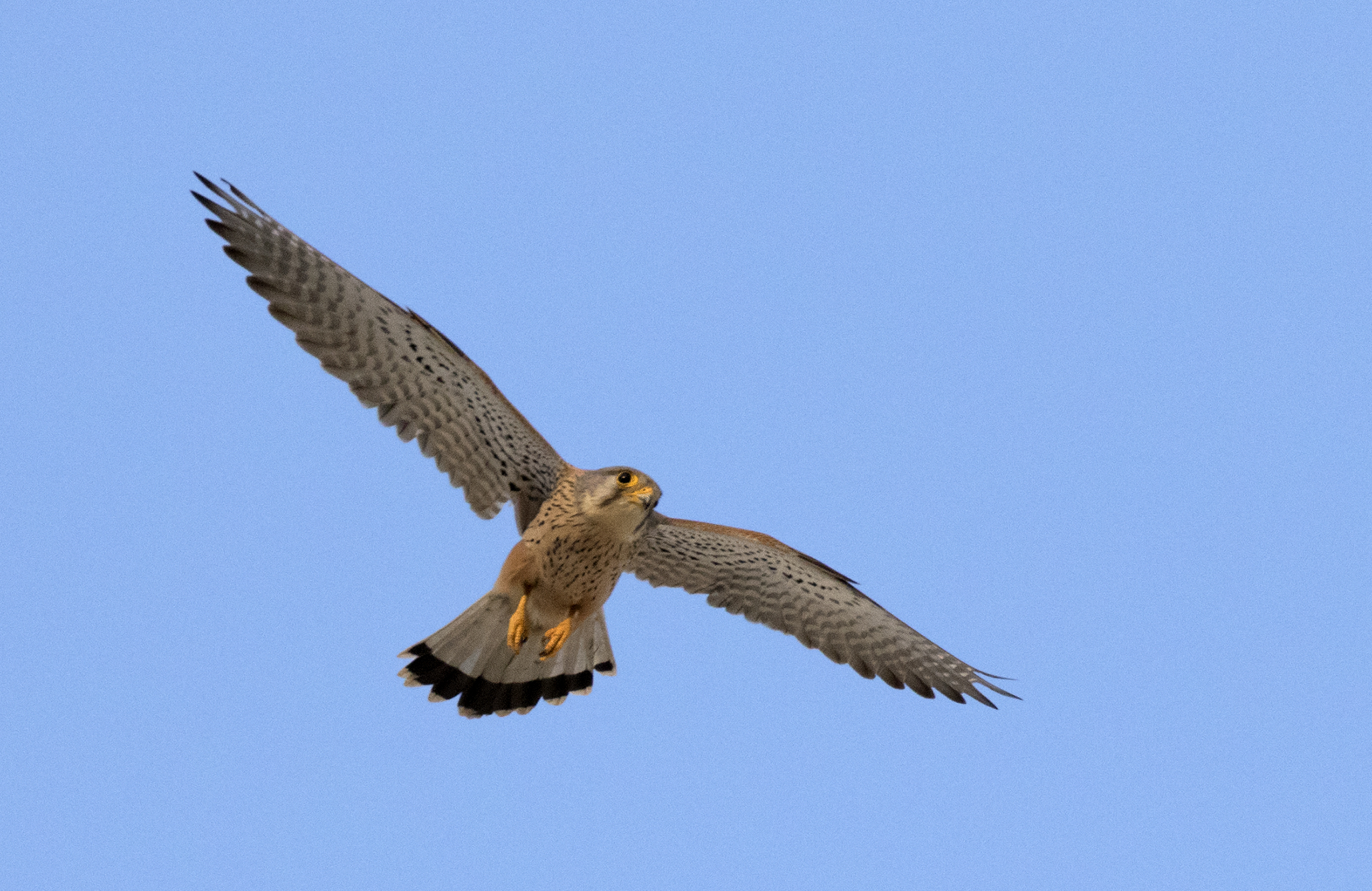
Kestrels Had More Densely Packed Mucous Glands Than Storks
A small study in Türkiye found roughly twice the density of mucus-producing glands in common kestrels’ windpipes as…
Read story →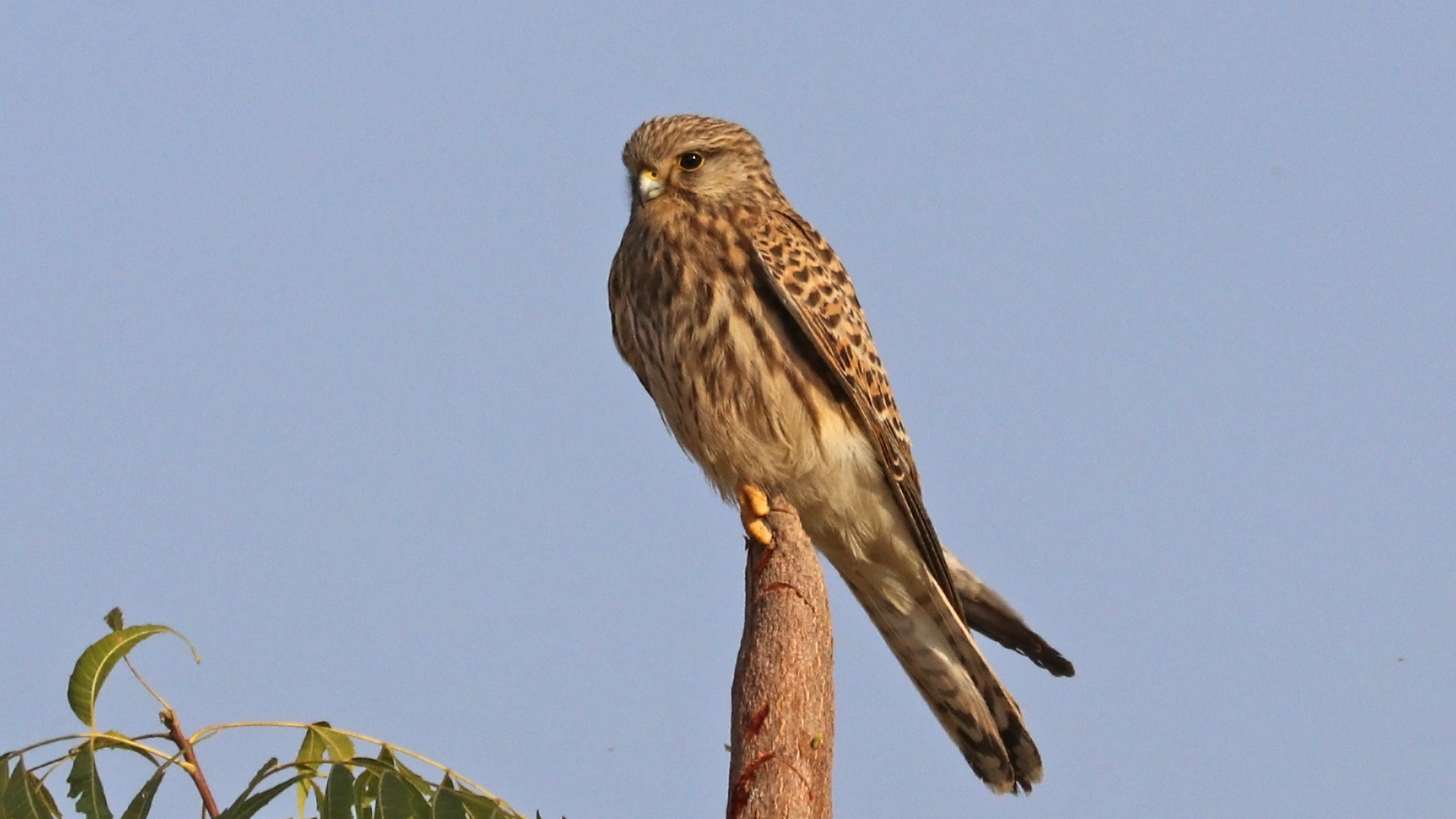
No Common Kestrels Were Recorded at Rani for Three Consecutive Winters
Fourteen winters of surveys at Rani in Assam produced 422 common kestrel records, but sightings declined after 2020…
Read story →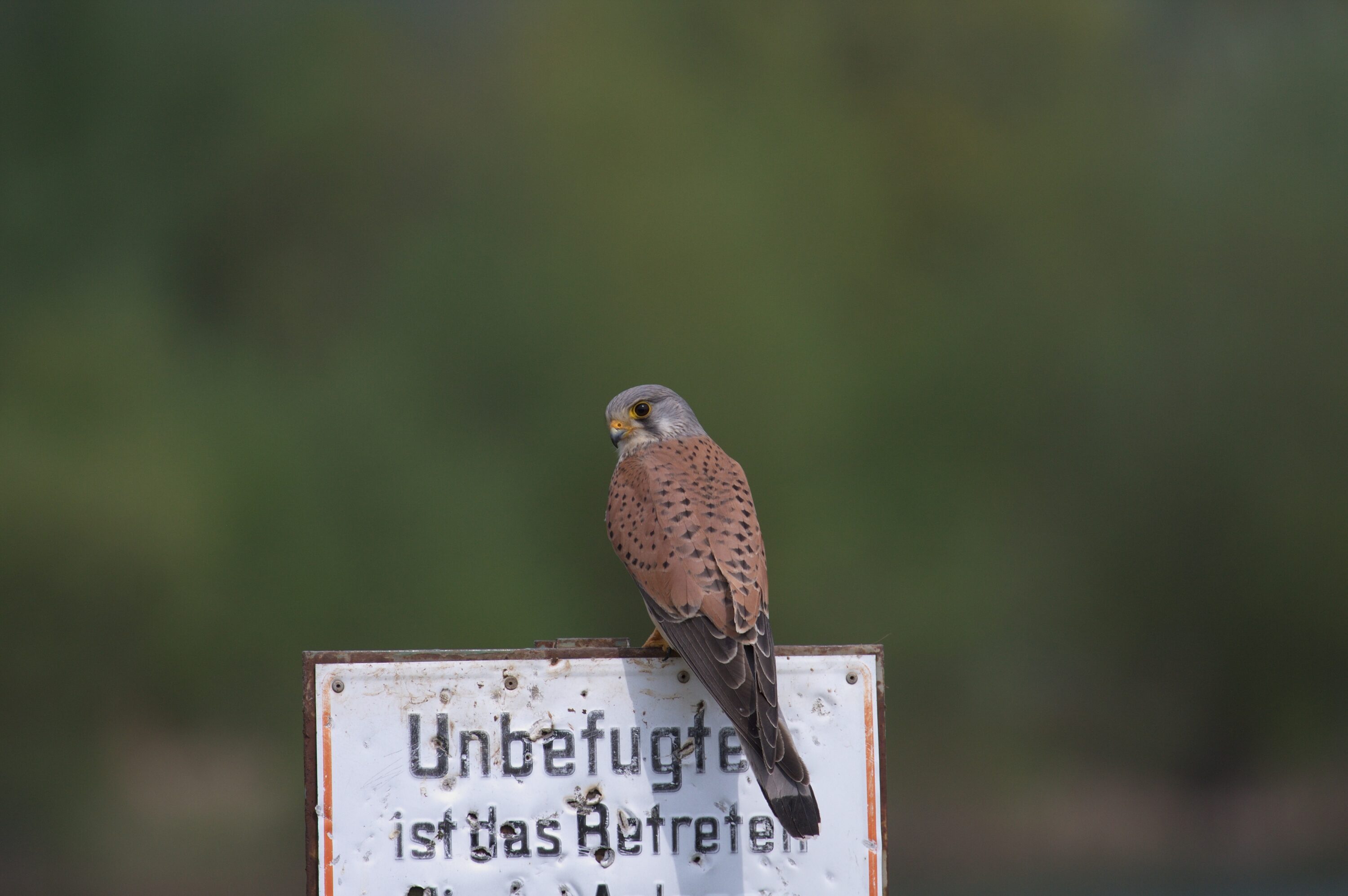
Winter Surveys Estimated 5.59 Common Kestrels and 2.61 Common Buzzards per km² in Parma Farmland
Roadside distance sampling in northern Italy estimated 5.59 common kestrels and 2.61 common buzzards per km², while the…
Read story →SPECIES IN THIS STORY
Species in this story
Independent research and conservation news archive
Did you find this information useful?
Wildlife Vagabond is independently built and maintained. Voluntary support helps cover source verification, hosting and continued work on research and conservation news.
Support Wildlife VagabondThe news archive will remain freely available.