
Winter Surveys Estimated 5.59 Common Kestrels and 2.61 Common Buzzards per km² in Parma Farmland
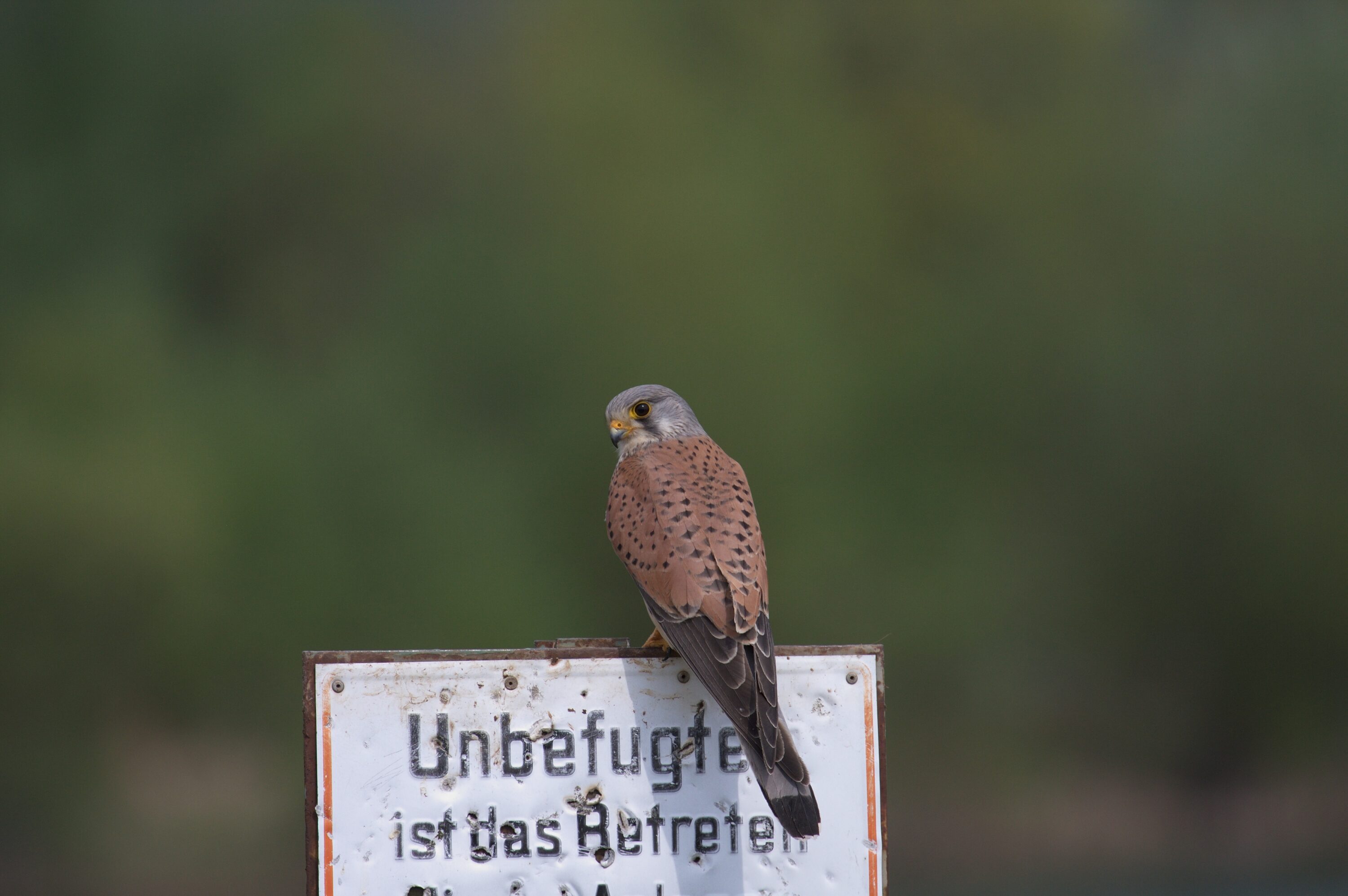
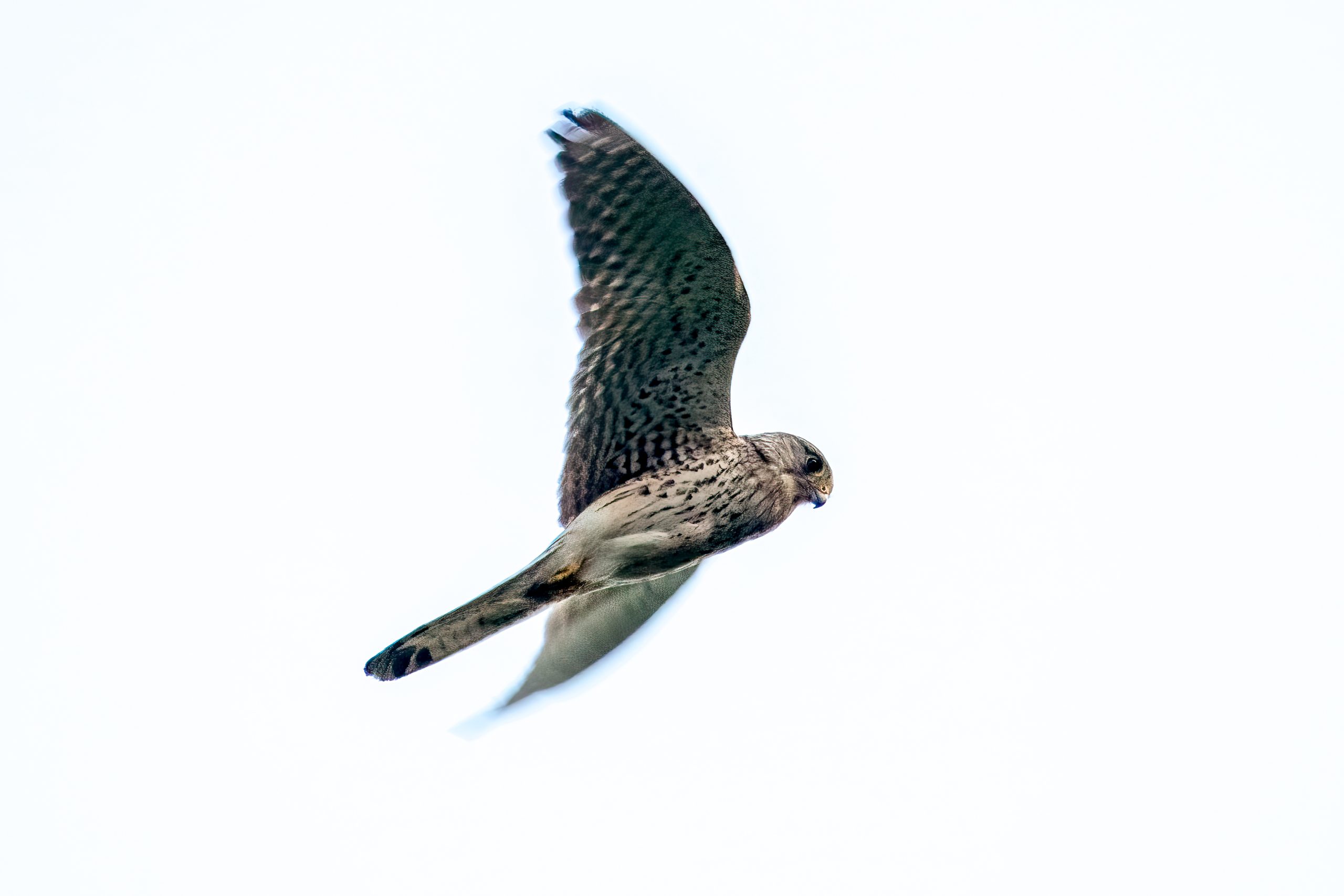
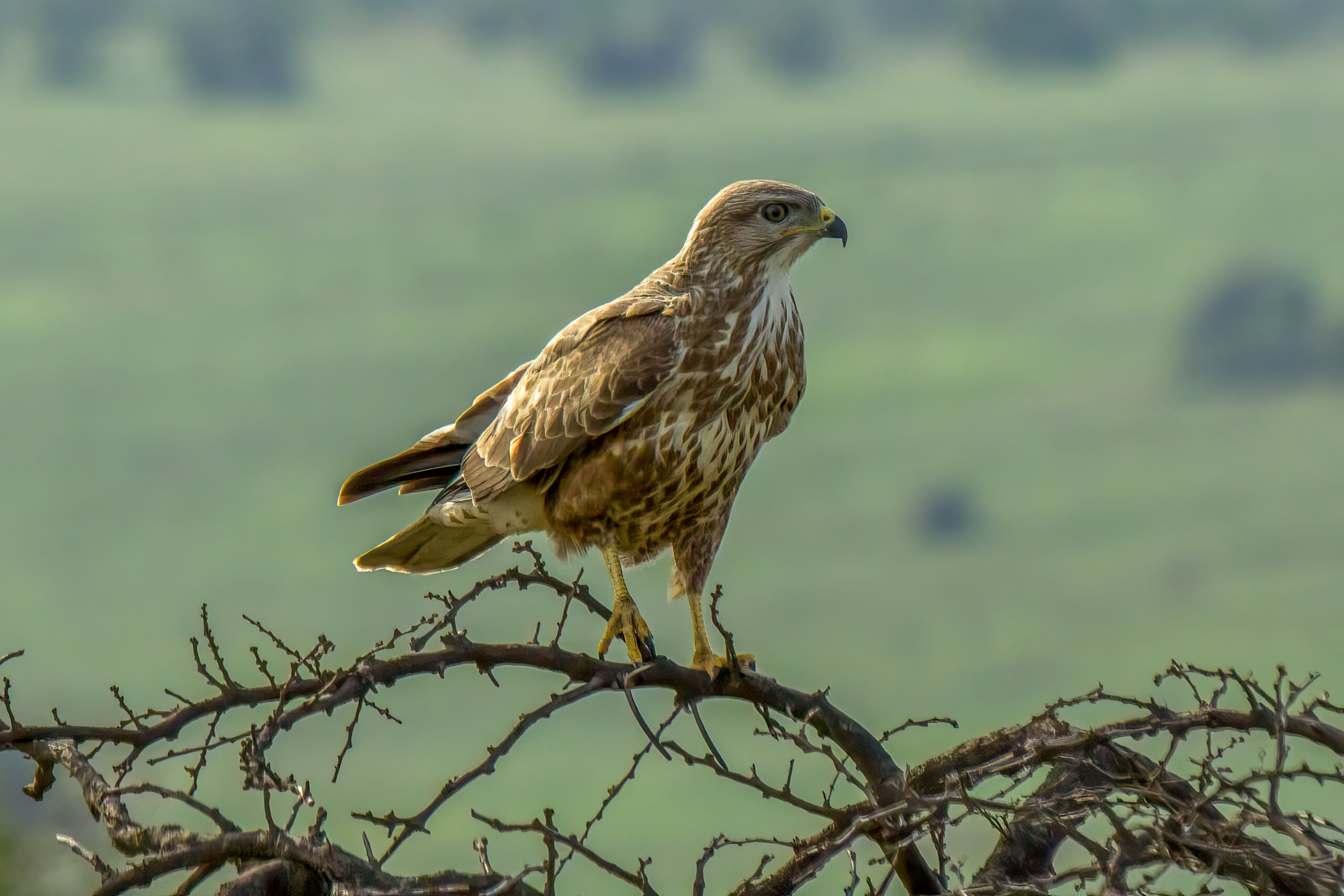
Winter surveys in the agricultural lowlands of Parma Province in northern Italy found high densities of both common kestrel (Falco tinnunculus) and common buzzard (Buteo buteo). Researchers surveyed 13 roadside transects during winter 2025–2026, covering a total sampling effort of 381.8 km and recording 489 kestrels and 178 buzzards.
Roadside attraction strongly affected the kestrel estimate
Distance-sampling models estimated 2.61 common buzzards per km², although uncertainty around the density estimate was substantial. In distance sampling, the birds’ distances from the survey route are used to account for the fact that detection becomes less likely farther from the observer. Common kestrels were strongly concentrated close to roads and their associated perches, so the researchers excluded observations within the first 50 m when calculating the more representative landscape estimate. After this correction, kestrel density was 5.59 birds per km², 41.1% lower than the uncorrected estimate; uncertainty around the density estimate remained substantial.
The two raptors used the farmland differently
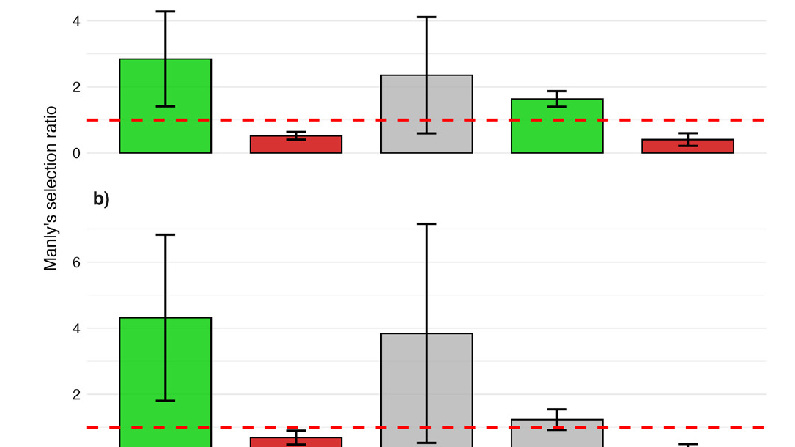
The two species also differed in how they used the farmland mosaic. Kestrels clearly selected embankments and watercourses as well as alfalfa and permanent grasslands, while avoiding annual crops and urban areas. Buzzards strongly selected embankments and watercourses and avoided annual crops and urban areas, while their use of alfalfa and permanent grassland was consistent with its availability rather than showing clear selection.
Among birds recorded on a perch, 73.8% of kestrels used anthropogenic structures such as pylons, wires and poles, compared with 62.0% of buzzards. The authors suggest that the combination of abundant forage habitats supporting prey and increasingly mild, snow-free winters may help explain the high winter densities they recorded in the Parma lowlands.
Ecology
Related news
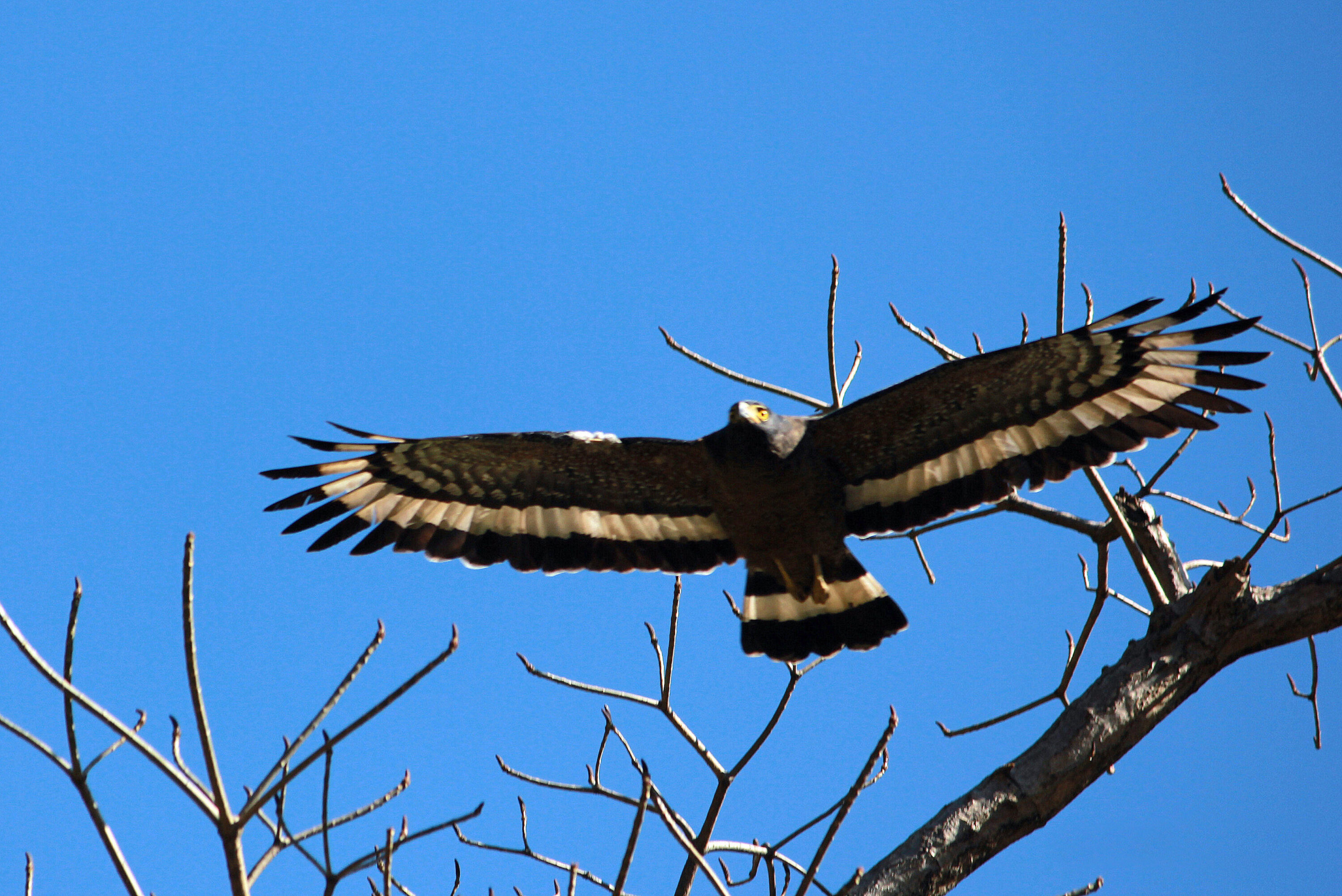
Prototype Used Tail-feather Microstructure to Classify Ten Raptor Species
A YOLOv8–logistic-regression prototype classified ten raptor species from microscopic tail-feather features with 90% accuracy on its constructed test…
Read story →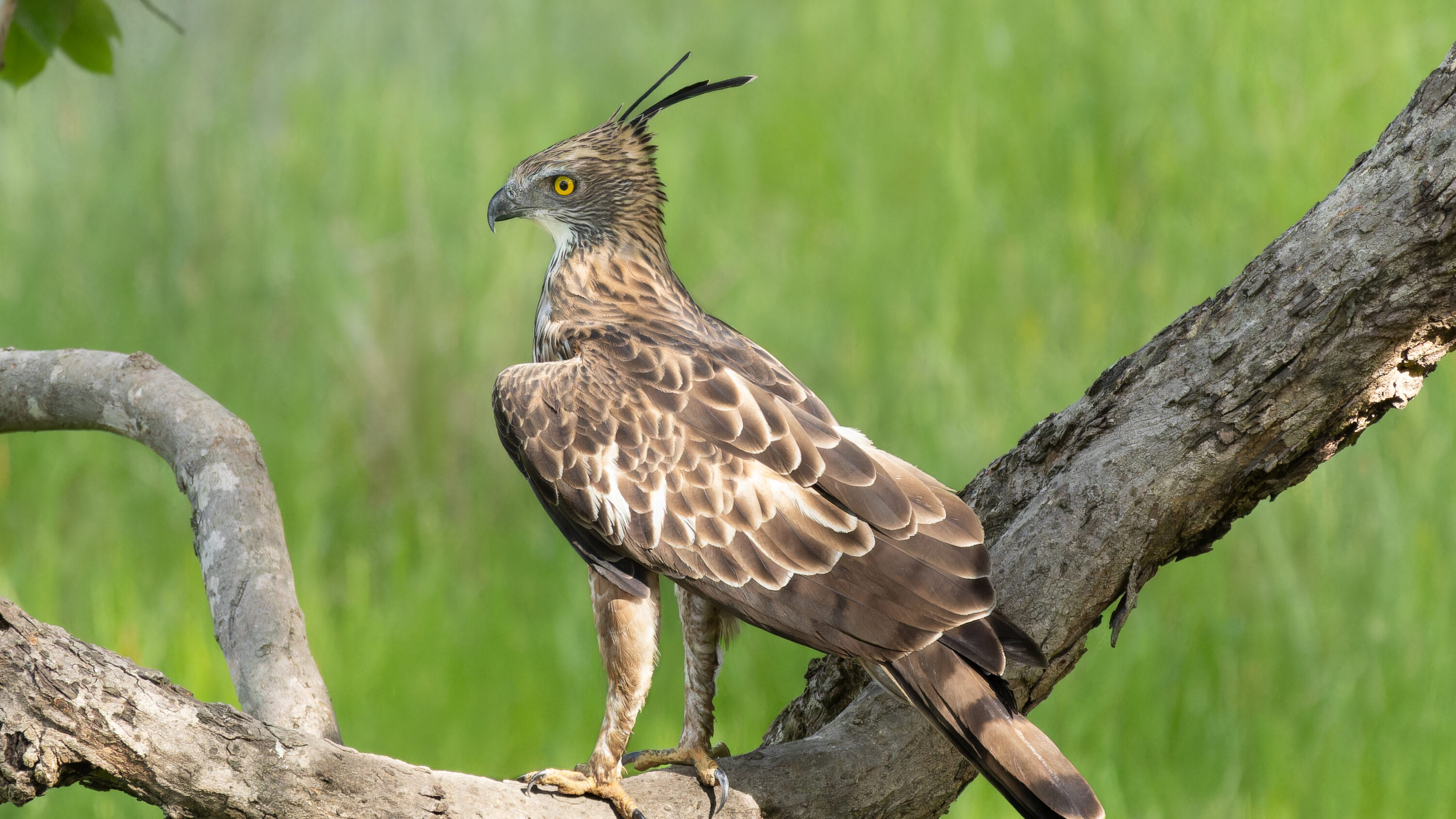
Indian Raptors Separated Across Forest, Water, Cropland and Human-Dominated Landscapes
Surveys at 445 points across seven Indian localities found distinct raptor associations with water, forest, cropland and human-dominated…
Read story →
Kestrels Had More Densely Packed Mucous Glands Than Storks
A small study in Türkiye found roughly twice the density of mucus-producing glands in common kestrels’ windpipes as…
Read story →SPECIES IN THIS STORY
Species in this story
Independent research and conservation news archive
Did you find this information useful?
Wildlife Vagabond is independently built and maintained. Voluntary support helps cover source verification, hosting and continued work on research and conservation news.
Support Wildlife VagabondThe news archive will remain freely available.