
Common Voles Were the Most Frequent Prey of Buzzards in Ojców, but Birds Dominated Biomass
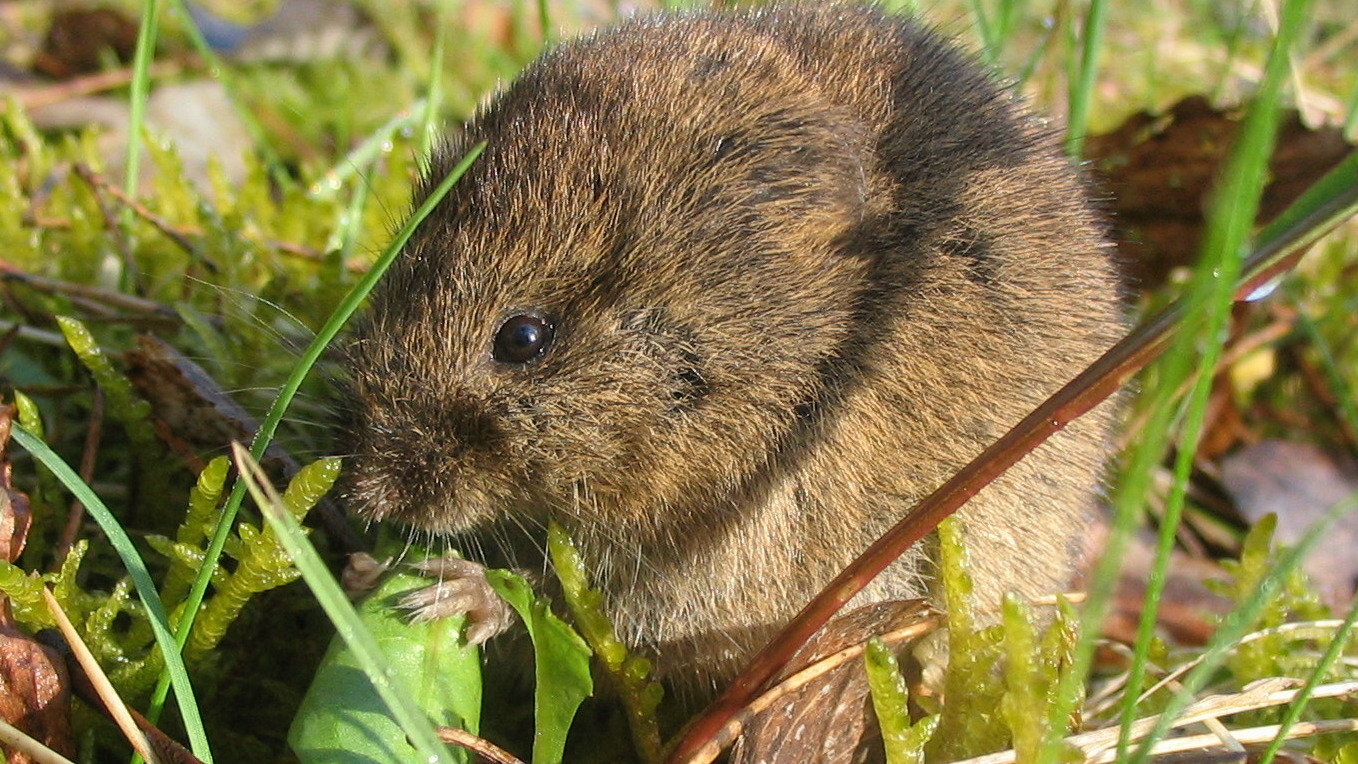
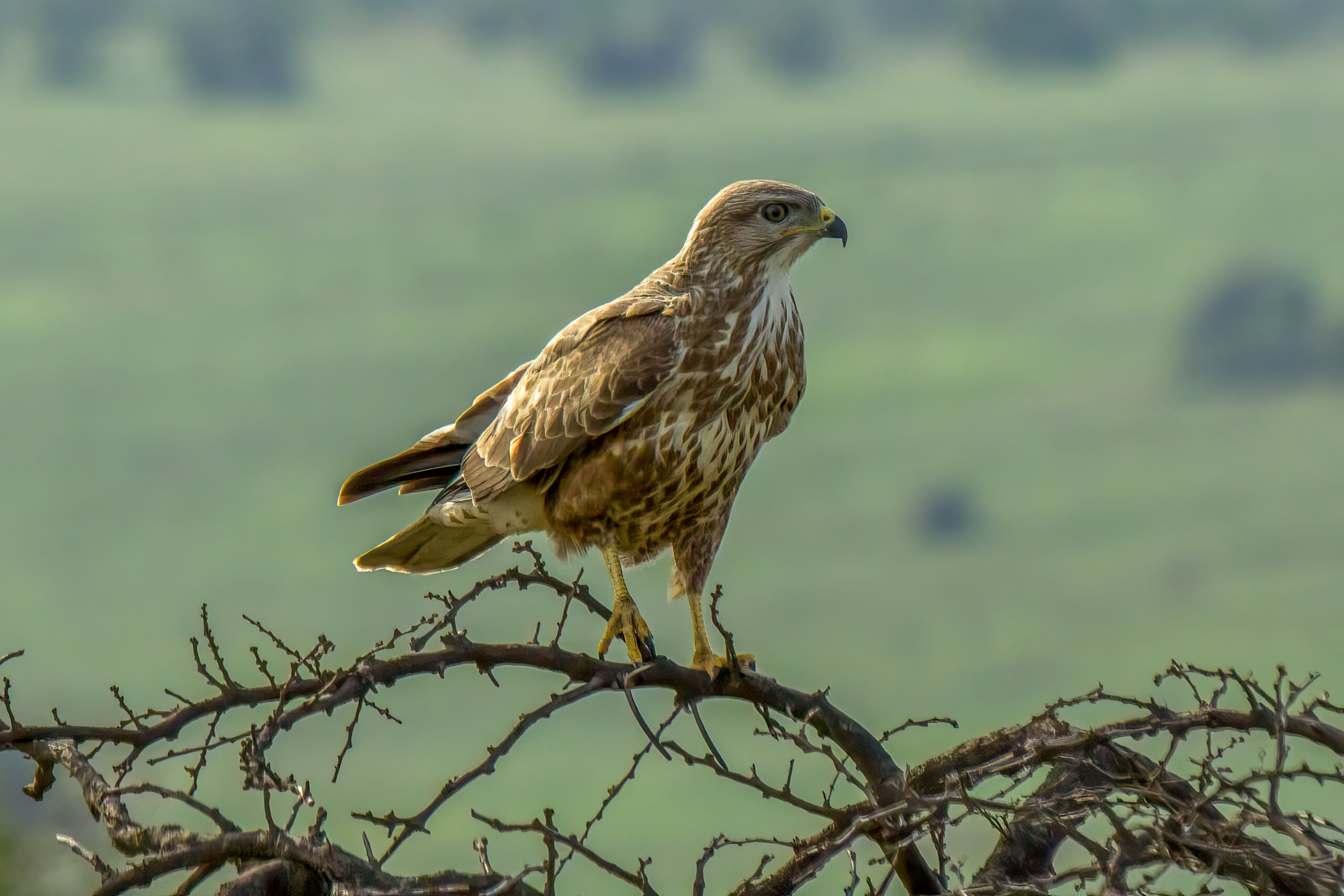
Common buzzards (Buteo buteo) in Ojców National Park in southern Poland took a broad range of prey during spring and summer, but common voles (Microtus arvalis) were by far the most frequently recorded species. They accounted for 42.5% of the 120 identified prey items in a study published on 24 July 2026.
The study used material collected during the 2006–2010 breeding seasons, mainly pellets and prey remains found beneath occupied nests and roosting trees, supplemented by observations of buzzards carrying prey. In total, 19 species were identified among the prey.
Mammals dominated by number, making up 65.8% of prey items, while birds made up 19.2%. The biomass pattern was almost the reverse: mammals contributed 24.4% of the estimated prey biomass, whereas birds contributed 72%. Common voles alone represented 14.6% of the biomass despite their much larger share of prey numbers.
The author therefore describes the buzzards as dietary generalists in spring and summer: they took prey from several animal groups, but by number, small mammals formed the basis of the diet. The results also show that the prey caught most often were not necessarily the prey contributing most of the estimated biomass.
Ecology
Related news
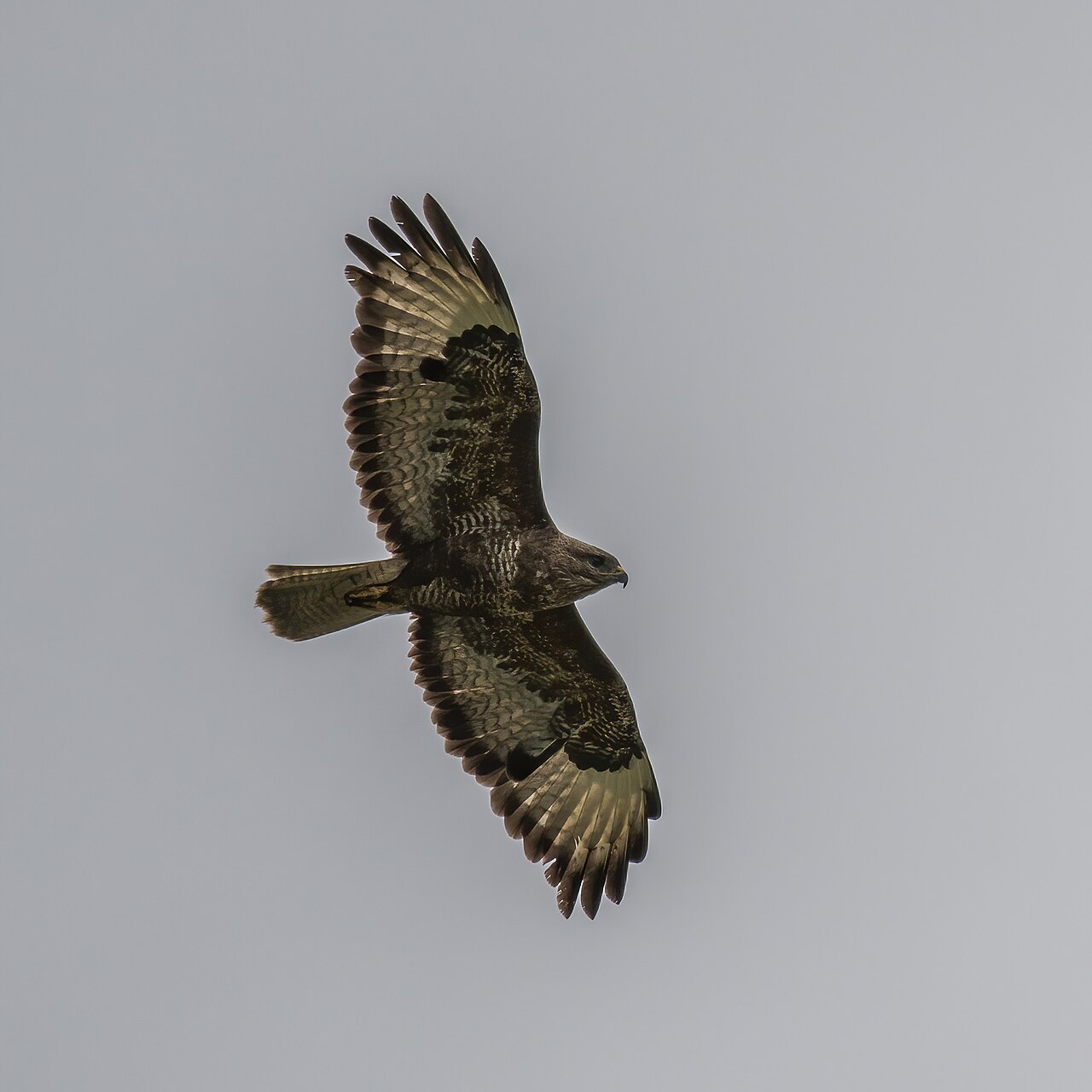
Berlin Common Buzzards Forage in Courtyards and Breed in Urban Green Islands
Four years of GPS tracking showed juvenile common buzzards in Berlin using small urban foraging hotspots associated with…
Read story →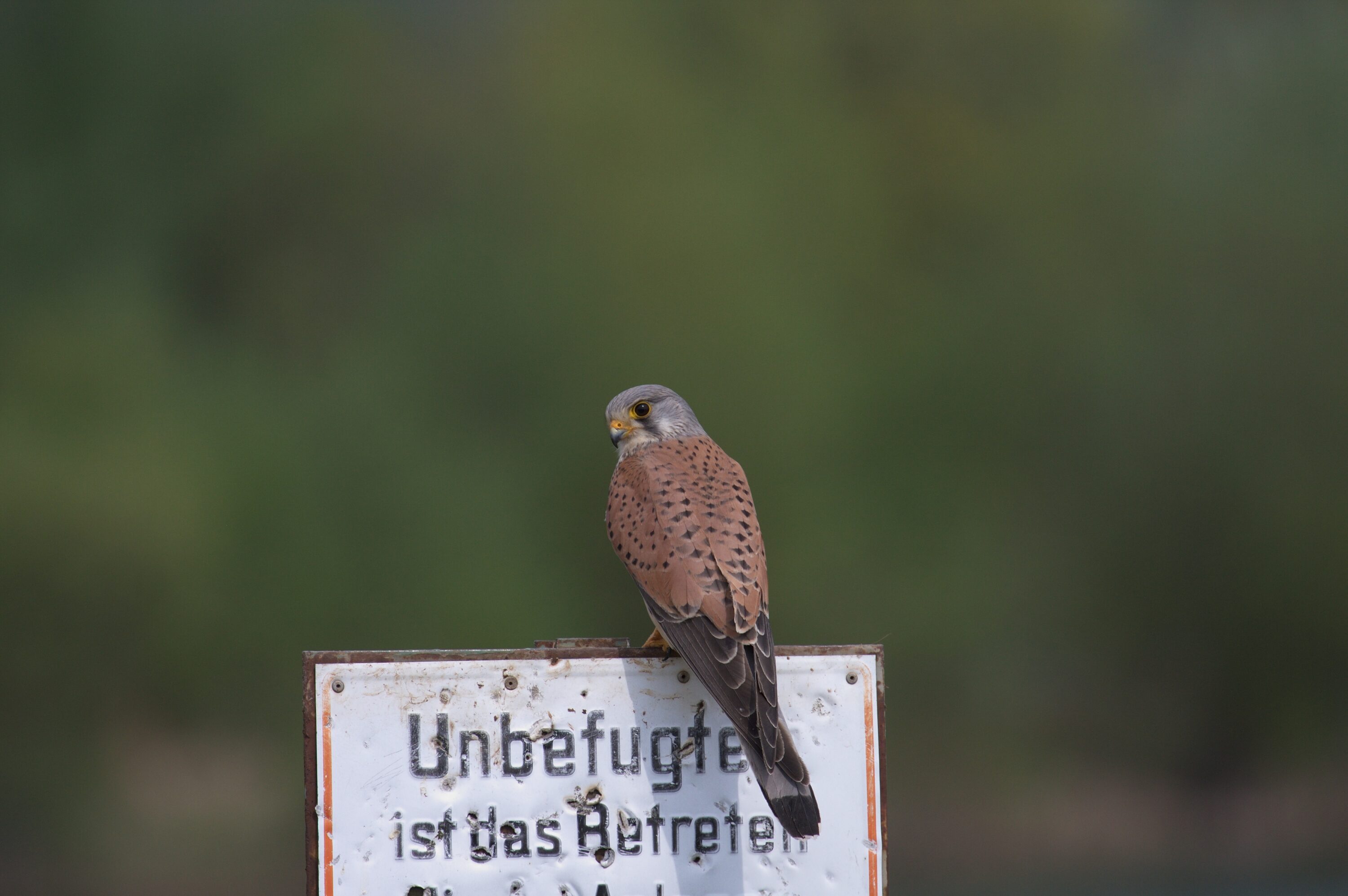
Winter Surveys Estimated 5.59 Common Kestrels and 2.61 Common Buzzards per km² in Parma Farmland
Roadside distance sampling in northern Italy estimated 5.59 common kestrels and 2.61 common buzzards per km², while the…
Read story →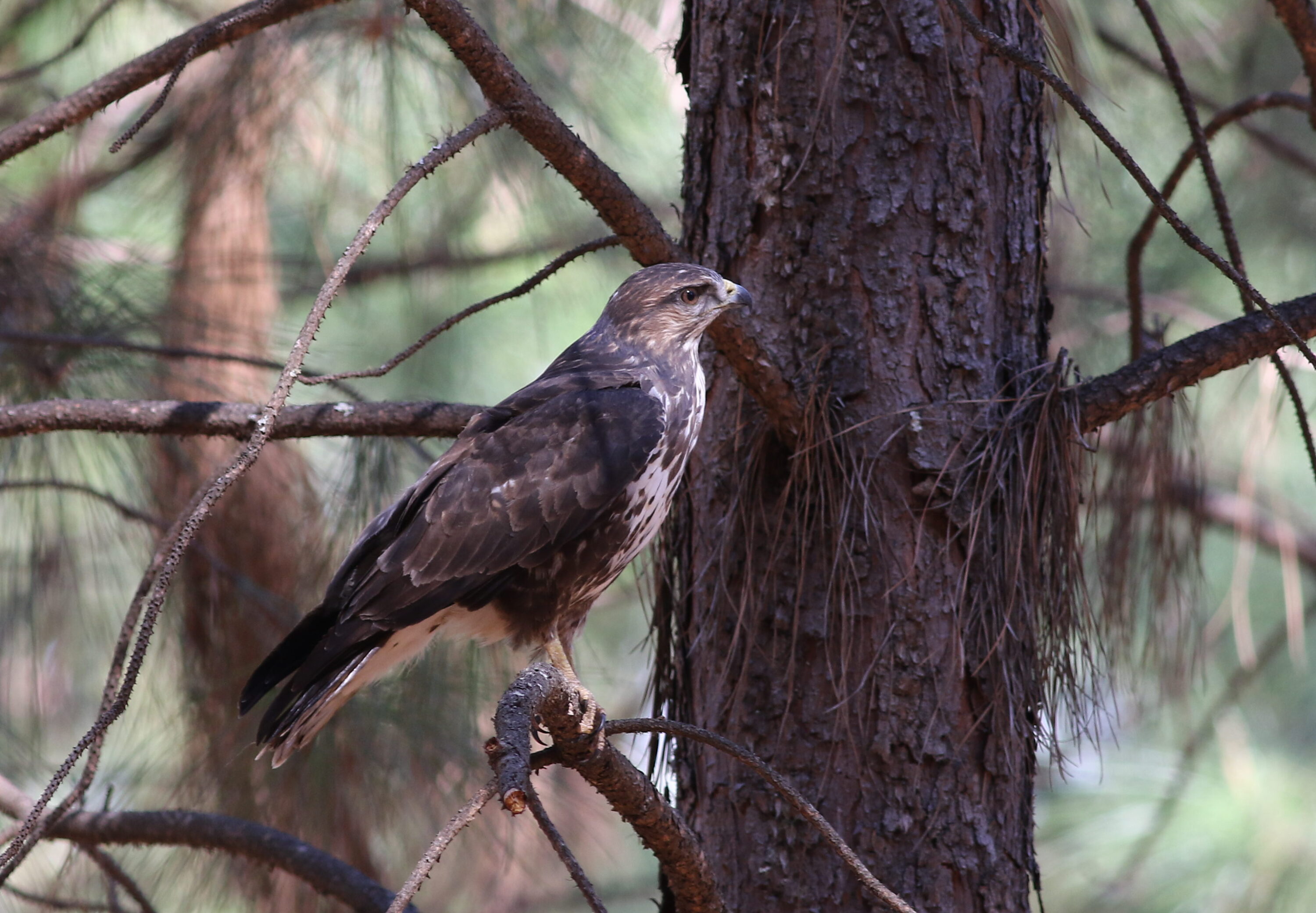
Garden Route Project Asks Public to Report Colour-ringed Buzzards
A new public reporting campaign asks people across South Africa’s Garden Route to report white colour rings on…
Read story →SPECIES IN THIS STORY
Species in this story
Independent research and conservation news archive
Did you find this information useful?
Wildlife Vagabond is independently built and maintained. Voluntary support helps cover source verification, hosting and continued work on research and conservation news.
Support Wildlife VagabondThe news archive will remain freely available.