
Continuous forest emerges as potential habitat for Amur leopards in China
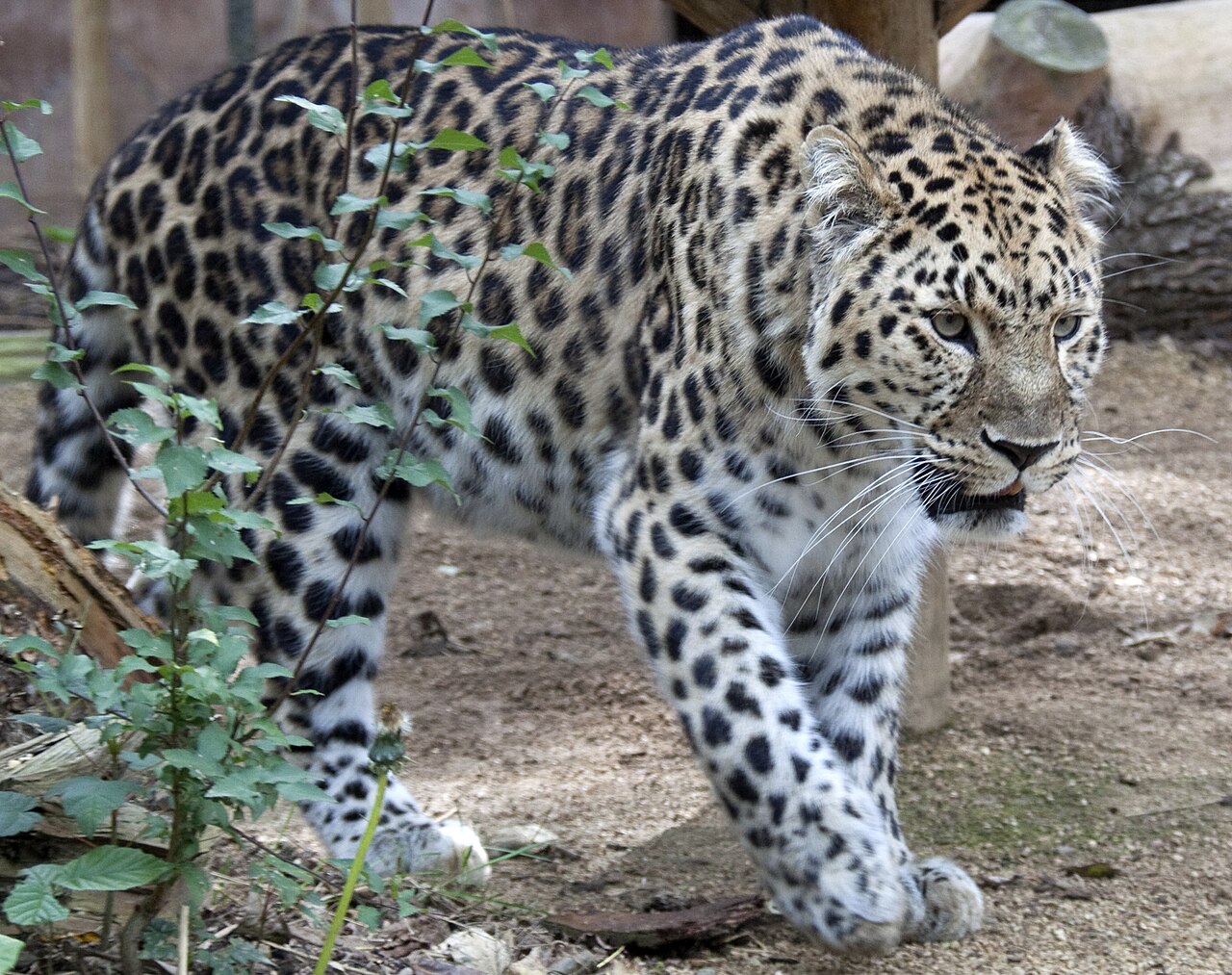
Where might Amur leopards (Panthera pardus orientalis, a subspecies of Panthera pardus) find suitable habitat in a mountain region of northeastern China? Researchers used 173 independent records of Amur leopard activity from infrared cameras on the southern Laoye Ridge in Heilongjiang Province. The records came from monitoring between 2021 and 2026.
To estimate where habitat conditions matched recorded leopard activity, the researchers compared five progressively expanded modeling scenarios. These combined the camera records with information on climate, topography, vegetation, human disturbance and a proxy for prey resources. The resulting maps predict potential suitability; they do not confirm leopard presence in every area shown.
Continuous forest stood out
Predicted suitable habitat was concentrated mainly in continuous forest in the southern and eastern parts of the study area. In the scenario that included prey resources, distance to secondary roads, temperature seasonality and average vegetation greenness were the three highest-ranked variables. The prey-resource proxy ranked 13th.
Adding the proxy did not improve validation scores. For the ensemble mean and weighted ensemble—two ways of combining model predictions—the AUC and TSS scores were 0.915 and 0.686, and 0.912 and 0.684, respectively, without the proxy. With it, the corresponding scores were 0.898 and 0.638, and 0.900 and 0.643. AUC and TSS are validation scores: higher values indicate better model performance against the validation data. The authors report that the lower TSS in the full scenario was statistically supported.
The result concerns the selected prey proxy in this analysis, not the general importance of prey to leopard ecology. Distance to secondary roads ranked first among the predictors, but the model identifies a spatial relationship; it does not show that roads themselves cause leopards to avoid or use particular areas.
How the habitat map could be used
For an endangered cat whose remaining habitat extends across a politically divided landscape, a suitability map can help conservationists choose where further camera monitoring and habitat protection deserve attention. Its predictions are not a population count or a map of confirmed animals. The results also illustrate why adding a biological variable does not automatically improve a statistical model: a prey index may be too coarse or correlated with other mapped features to add useful predictive information. That does not mean prey is unimportant for a leopard’s survival.
Ecology
Related news

China and Russia identify 21 tigers and 27 leopards recorded in both countries
A joint assessment recorded at least 147 Amur tigers and 223 Amur leopards in protected areas along the…
Read story →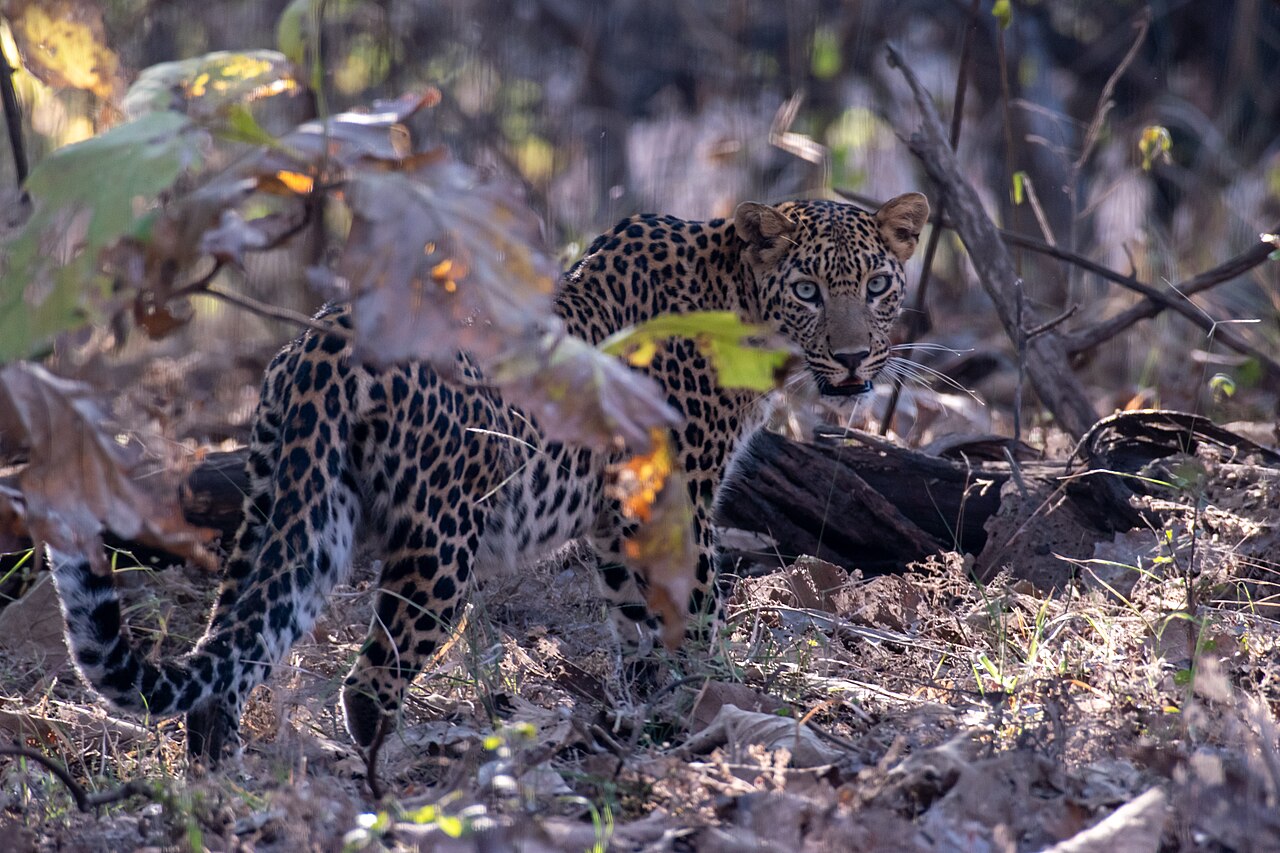
Blood tests showed different signs of muscle injury in tigers and Indian leopards
In a field study in India, LDH was significantly higher in animals classified as affected in both species.…
Read story →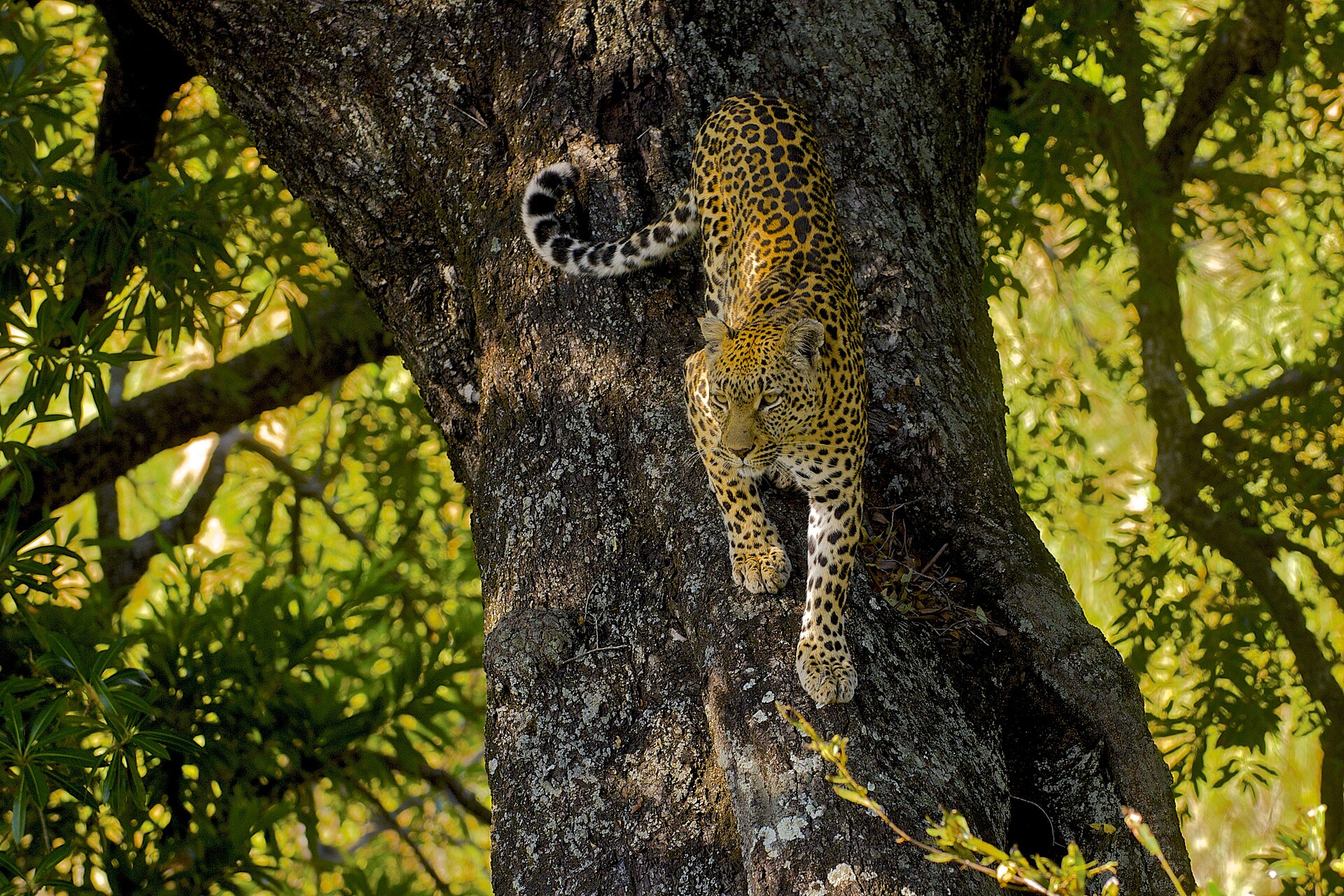
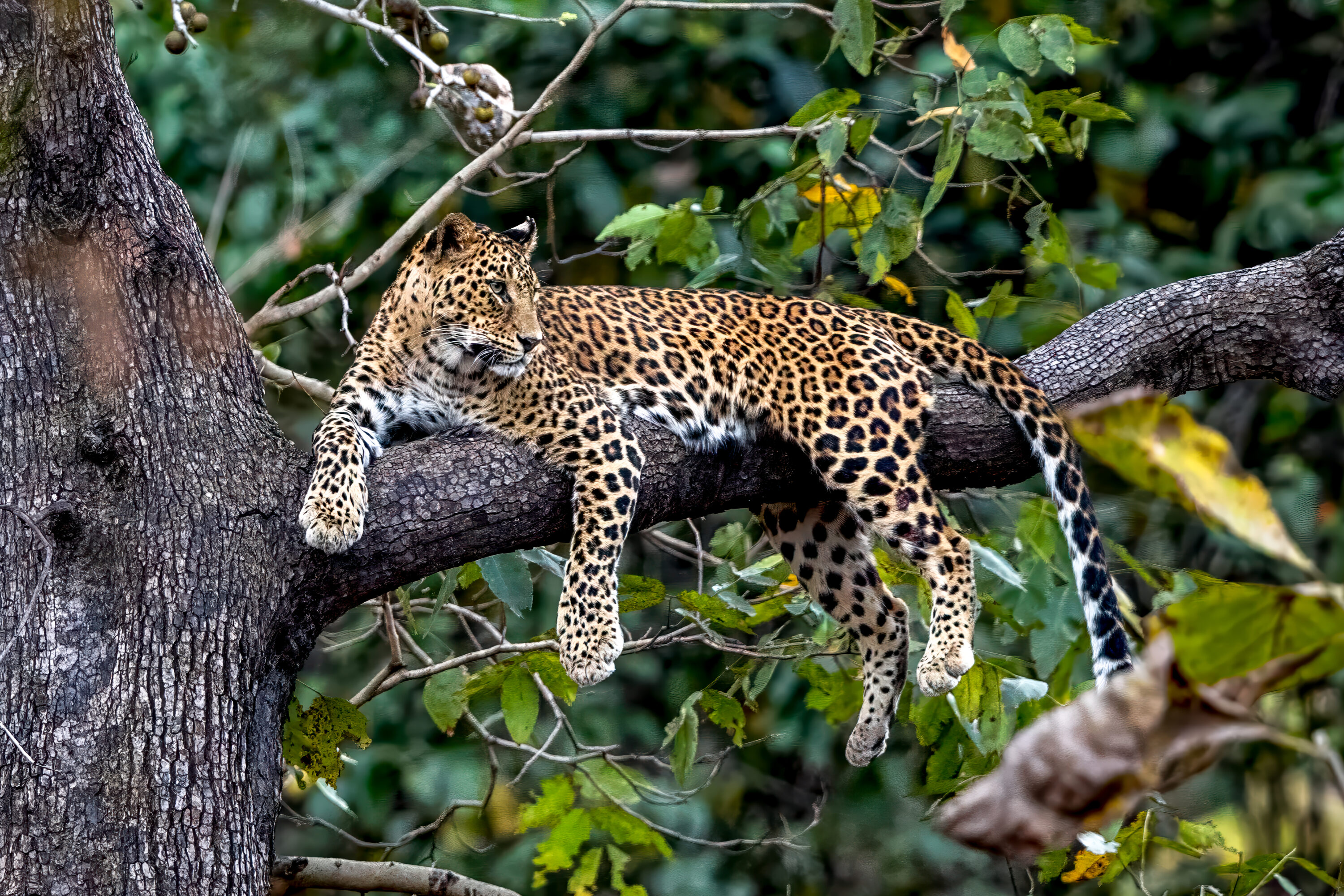
Two Arrested in Nepal With Leopard Skin
Police said they recovered one leopard skin near a hotel in Dhangadhi. Leopards are poached for their skins…
Read story →SPECIES IN THIS STORY
Species in this story
Independent research and conservation news archive
Did you find this information useful?
Wildlife Vagabond is independently built and maintained. Voluntary support helps cover source verification, hosting and continued work on research and conservation news.
Support Wildlife VagabondThe news archive will remain freely available.