
Blood tests showed different signs of muscle injury in tigers and Indian leopards
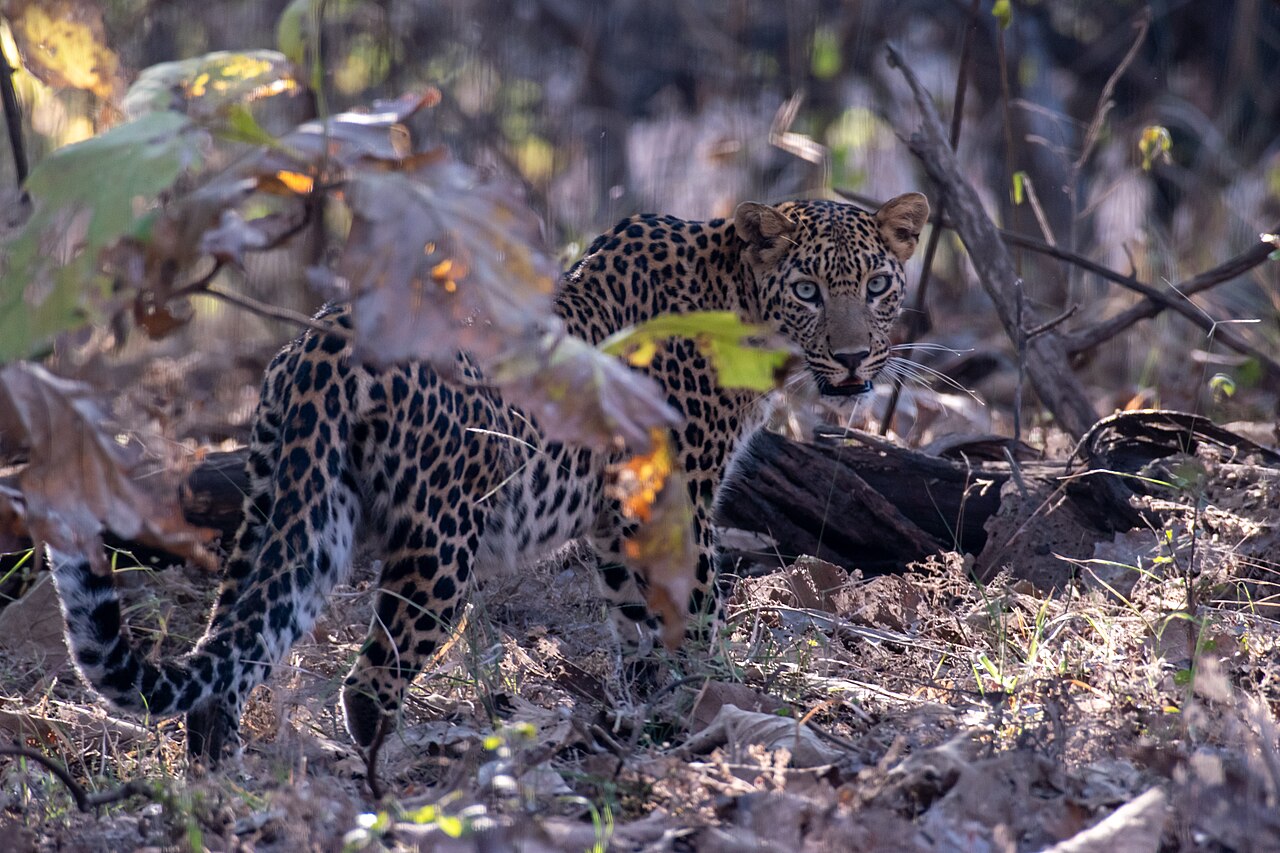
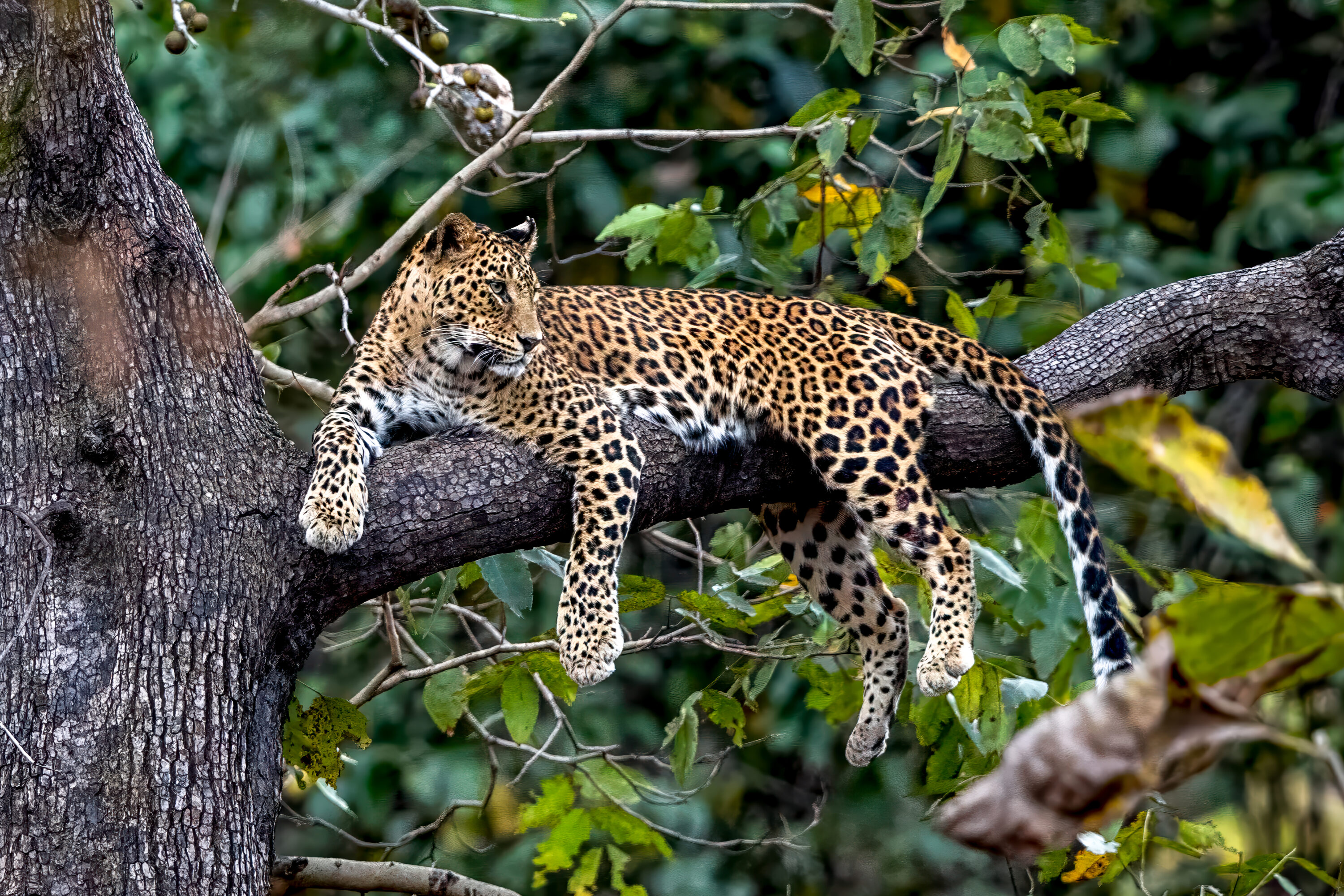
Exertional myopathy is a non-infectious condition in which intense exertion and stress can injure muscles and disrupt metabolism. In severe cases, the muscle protein myoglobin can pass into the urine, and the condition can be fatal. In a field study in India, researchers compared blood markers in free-ranging tigers (Panthera tigris) and Indian leopards (Panthera pardus fusca). They classified animals as affected or unaffected based on their histories: affected animals had records of territorial fights, chasing, trauma or bite wounds.
When muscle cells are damaged, enzymes can enter the bloodstream. Creatine kinase (CK) is closely associated with skeletal-muscle injury. Lactate dehydrogenase (LDH) and aspartate aminotransferase (AST) can also rise after injury to other tissues, so they are more informative when considered alongside other findings. Researchers also measured reduced glutathione (GSH), part of the body’s antioxidant defence, and malondialdehyde (MDA), a marker associated with oxidation of fats in cell membranes.
Enzyme patterns differed between species
In tigers, LDH was significantly higher in animals classified as affected. CK and AST were also higher, but those differences were not statistically clear. In leopards, both CK and LDH were significantly higher in the affected group, while AST was not. Thus, the difference in CK between affected and unaffected animals was statistically clear in leopards, but not in tigers.
The oxidative-stress results were less consistent. MDA differed significantly between affected and unaffected tigers. In leopards, the reported increase in oxidative-stress markers was not statistically clear. Because MDA is associated with oxidation of membrane fats, the tiger result points to an oxidative-stress response alongside the enzyme evidence of muscle injury.
Small samples leave some results uncertain
The enzyme comparisons included four affected and three unaffected tigers, and two affected and two unaffected leopards. Blood samples were collected opportunistically from animals encountered during rescue, treatment, or conservation and management work. The paper also includes deaths in its oxidative-stress assessment, but gives inconsistent counts for these additional cases, so the exact group sizes for that analysis are unclear.
The findings suggest that blood tests can help assess muscle injury in free-ranging big cats when interpreted alongside clinical and pathological findings. The species-specific results show why no single enzyme tells the whole story: LDH was significantly higher in affected animals of both species, while CK showed a statistically clear difference only in leopards. The oxidative-stress evidence was less consistent, with a significant MDA difference in tigers but no statistically clear increase in leopards.
Physiology
Related news

A Raspberry Pi prototype detects wildlife—but has not been tested in the field
WildShield detects elephant, wild boar, tiger and leopard in camera images and triggers an alert. The paper reports…
Read story →
A lion liver protein was a poor hepatitis B virus receptor—and a less efficient bile-acid transporter
Tests of NTCP proteins from cats, tigers and leopards supported hepatitis B virus binding, unlike lion NTCP, which…
Read story →
Suitable habitat for Amur tigers and Amur leopards expanded in northeast China, but local losses continued
Camera-trap records and environmental data were used to model suitable habitat for Amur tigers and Amur leopards in…
Read story →SPECIES IN THIS STORY
Species in this story
Independent research and conservation news archive
Did you find this information useful?
Wildlife Vagabond is independently built and maintained. Voluntary support helps cover source verification, hosting and continued work on research and conservation news.
Support Wildlife VagabondThe news archive will remain freely available.